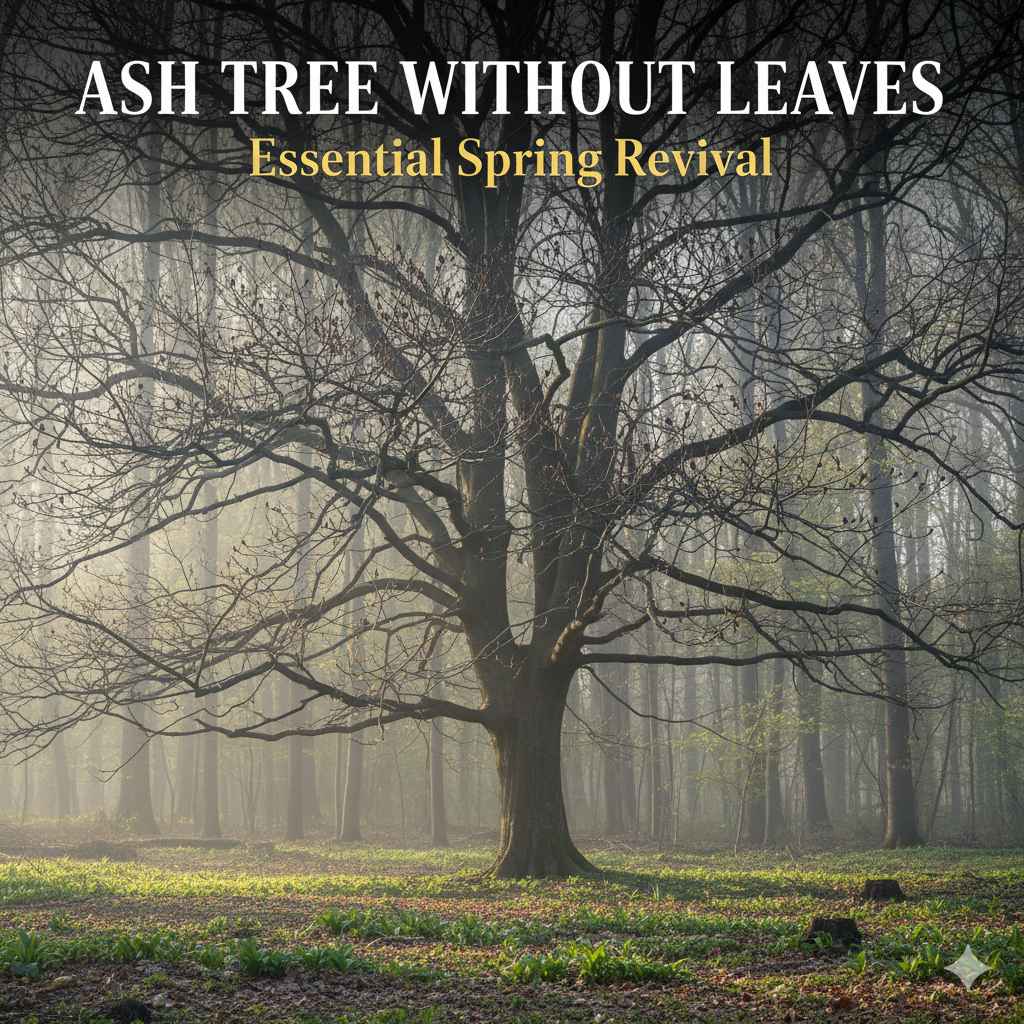
Ash Tree Without Leaves: Essential Spring Revival
Ash tree without leaves? Don’t worry! This guide offers simple, step-by-step methods to assess your ash tree in early spring and help it bounce back. Learn to identify signs of life and what actions to take for a healthy revival.
Seeing your ash tree without leaves when spring has clearly arrived can be a bit nerve-wracking. It’s a common worry for many homeowners who love their trees. You might be wondering if it’s dead, if it’s just late, or if there’s something wrong. This guide is here to help you figure it out. We’ll walk through easy ways to check your ash tree and give it the best chance to thrive. You’ll learn how to spot the signs of life, what to look for, and simple steps you can take to help it along.
Understanding Ash Tree Leafing Habits
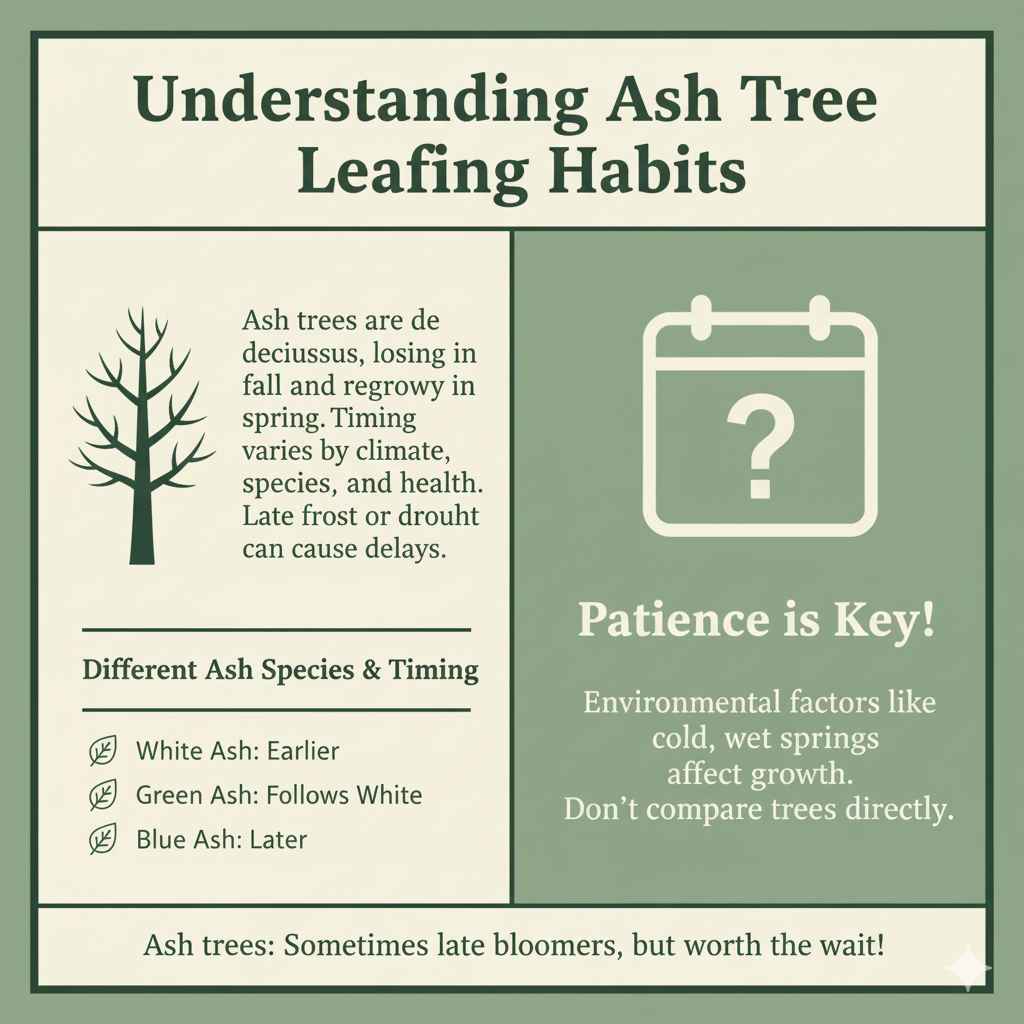
Ash trees are deciduous, meaning they naturally lose their leaves in the fall and regrow them in the spring. However, the exact timing can vary quite a bit depending on your local climate, the specific species of ash, and the tree’s overall health. Sometimes, a late frost can damage new buds, or drought stress from the previous year can delay their appearance. It’s important to remember that an ash tree without leaves in early spring isn’t necessarily a cause for immediate alarm. They can sometimes be among the last trees to show new growth.
Different ash species have slightly different leafing-out times. For example:
- White Ash (Fraxinus americana): Typically one of the earlier ash trees to leaf out.
- Green Ash (Fraxinus pennsylvanica): Often follows White Ash, but can be close in timing.
- Blue Ash (Fraxinus quadrangulata): May leaf out a bit later than White or Green Ash.
Knowing this, it’s helpful to have a bit of patience and observe your tree’s behavior over a few weeks in spring. Environmental factors play a huge role. A cold, wet spring might delay leafing across all trees in your area, while a particularly harsh winter can affect individual tree health. Don’t compare your tree directly to others without considering these nuances.
Checking for Life: Simple Spring Revival Steps
When you’re looking at an ash tree without leaves, the first thing to do is a simple health check. You don’t need to be a tree expert to do this! We’ll go through a few easy tests you can perform right in your backyard. These steps will help you determine if your ash tree is dormant, stressed, or facing a more serious issue that might require professional help.
The Scratch Test: Uncovering Living Tissue
This is one of the most straightforward ways to check for life in a tree. It helps you see if the cambium layer (the green, living tissue just beneath the bark) is alive and well.
What you’ll need:
- A clean pocketknife, utility knife, or even a sturdy fingernail.
- Gloves for safety (optional but recommended).
How to do it:
- Find a small twig or branch on your ash tree. It’s best to try this on several branches in different parts of the tree to get a good overall picture.
- Carefully peel back or scrape away a very thin layer of the outer bark. Be gentle; you don’t want to damage healthy tissue if it’s there.
- Look at the tissue underneath the bark you just removed.
- If it’s green: This is a great sign! It means the cambium layer is alive and the branch is likely still good. Continue to check other parts of the tree.
- If it’s brown or dry: This suggests that part of the branch may be dead or severely damaged. Try scratching a bit lower down the same branch or on a different branch. If you find all green tissues, the tree is probably still alive but may have suffered dieback.
This test is most effective when performed on twigs and smaller branches, as larger branches might remain alive longer than the tips. If you find green, living tissue, your ash tree still has a good chance of recovery and leafing out. It just might be a bit slower than usual.
Checking the Buds: Signs of Upcoming Growth
Buds are the tiny packages that hold next year’s leaves and flowers. Their condition can tell you a lot about your ash tree’s readiness for spring.
What to look for:
- Bud Appearance: Healthy buds are usually plump and firm. Look closely at the buds on the twigs after doing the scratch test.
- Bud Color: While specific colors vary by species, a healthy bud will often have a healthy, slightly waxy appearance. If buds appear shriveled, blackened, or dried out, they may have been damaged by frost or other issues.
- Bud Scales: Gently try to remove a bud scale. If it comes off easily and the underlying bud tissue is moist and firm, it’s a good sign. If it’s brittle or the inner part is dry and discolored, the bud might not be viable.
Sometimes, buds might look dry and papery from the outside, but if you scratch them carefully, the inside can still be green and moist, indicating that they are still viable. Patience is key here. In some regions, buds might swell but not fully open until the weather is consistently warm and days are longer.
Assessing the Trunk and Larger Branches
While twigs and buds are important indicators, don’t forget the main parts of your tree.
Trunk Inspection:
- Bark Integrity: Look for any deep cracks, peeling bark that seems loose, or signs of insect damage (like small holes, sawdust-like frass, or sticky ooze). The classic sign of trouble for ash trees is the Diamondback Borer or, more significantly, the Emerald Ash Borer (EAB).
- Moisture Levels: The bark should feel generally firm. If it’s mushy or excessively brittle in large sections, that’s a concern.
Branch Structure:
- Dieback: You might notice that the tips of branches are dead, while lower sections still show signs of life. This is common after harsh winters or drought.
- Fungal Growth: Any unusual mushrooms or fungal growths on the trunk or branches can indicate internal decay or disease.
For ash trees, the threat of the Emerald Ash Borer (EAB) is a significant concern across many areas. Signs of EAB can include thinning canopy, epicormic sprouts (whips growing from the trunk or branches), D-shaped exit holes, and bark splitting that reveals serpentine galleries under the bark. If you suspect EAB, it’s crucial to contact a certified arborist immediately. The Emerald Ash Borer Information Network is an excellent resource for identifying this pest and its impact. Early detection and reporting are vital for managing its spread.
Factors Affecting Ash Tree Revival
Several factors can influence whether your ash tree will put out leaves or remain bare. Understanding these can help you better assess the situation and know what to expect.
Environmental Conditions
The weather plays a massive role in a tree’s spring awakening. Severe winters can damage buds and branches, delaying or preventing leaf emergence. Late frosts can be particularly damaging to newly emerging leaves and flowers. Conversely, a very dry late winter or early spring can also stress the tree, delaying its response to warmer temperatures.
Tree Health and Age
Younger, healthier trees generally have more vigor and are better equipped to recover from stresses like a harsh winter or drought. Older or already compromised trees may struggle to revive. If the tree has existing diseases or pest infestations (especially the Emerald Ash Borer), it will have a much harder time and might not have the energy reserves to push out new leaves.
Soil Conditions
Well-drained soil is crucial for tree health. If the soil has been waterlogged over winter, the roots may have suffered from lack of oxygen, impacting the tree’s ability to absorb water and nutrients needed for new growth. Poor soil quality or compacted soil can also hinder root development and nutrient uptake.
When to Seek Professional Help
While many ash trees without leaves can recover with a little patience, there are times when you should call in the experts. An arborist is a tree care professional who can diagnose complex issues and recommend appropriate treatment.
Signs You Need an Arborist:
- Widespread Dieback: If you’ve performed the scratch test and found that most of the branches are brown and dry, the tree may be too far gone or have a serious underlying problem.
- Suspected Pest Infestations: If you see signs of the Emerald Ash Borer (EAB) – such as D-shaped exit holes, bark splitting, or those serpentine galleries under the bark – it is critical to contact an arborist. EAB is a serious invasive species that can kill ash trees quickly. For more information on identifying EAB, the USDA Animal and Plant Health Inspection Service (APHIS) provides detailed guides.
- Signs of Disease: Unusual lesions on the bark, significant fungal growth, or bleeding can indicate serious diseases that require professional treatment.
- Structural Concerns: If the tree is leaning precariously, has large cracks in the trunk, or large dead branches that pose a falling hazard, an arborist can assess the risk and recommend removal or pruning.
- No Signs of Life After Extended Waiting Period: If it’s well into late spring/early summer and you still find no sign of green tissue or budding after performing the scratch test, it’s likely the tree has not survived.
A certified arborist, typically credentialed by the International Society of Arboriculture (ISA), can provide an accurate diagnosis and treatment plan. They have the tools and knowledge to assess your tree’s condition and advise on whether it can be saved, needs treatment, or should be removed for safety reasons. Consulting with a professional is an investment in your property’s safety and the health of your landscape.
Simple Steps for Ash Tree Revival Support
If your ash tree shows good signs of life through the scratch test and in its buds, there are a few things you can do to support its revival. These are low-effort, high-impact actions that can make a difference.
Watering Deeply
After a long winter and potentially dry early spring, your tree might be thirsty. Proper hydration is essential for new growth.
- When to Water: Water deeply if the soil is dry to a depth of several inches. Don’t water if the ground is already saturated.
- How to Water: Use a soaker hose or a slow-drip method around the base of the tree, extending out to the drip line (the furthest reach of its branches). This encourages deep root growth.
- Amount: Aim for about 10 gallons of water per inch of trunk diameter, applied slowly over several hours.
Avoid frequent, shallow watering, as this can lead to weaker root systems near the surface. Deep watering helps the tree access moisture throughout its root zone.
Mulching
A layer of mulch around your ash tree can do wonders for its soil and moisture retention.
- Benefits: Mulch helps retain soil moisture, suppresses weeds that compete for water and nutrients, and regulates soil temperature. As it decomposes, it also enriches the soil.
- How to Apply: Spread a 2-4 inch layer of organic mulch (like wood chips, bark, or compost) around the base of the tree.
- Important Note: Keep the mulch a few inches away from the trunk itself. Piling mulch directly against the trunk can encourage rot and disease.
Mulching is a passive way to support your tree’s health year-round, but it’s especially beneficial in the spring as the tree prepares to leaf out.
Fertilizing (With Caution)
Fertilizing can sometimes help a stressed tree, but it needs to be done carefully. Over-fertilizing can sometimes do more harm than good.
- When to Fertilize: It’s generally best to fertilize when the tree shows signs of active growth, or after you’ve confirmed it’s pushing out new leaves. Early spring, before new growth really takes off, can be a good time if done correctly.
- What to Use: A slow-release balanced fertilizer or one formulated for trees and shrubs is usually recommended. Look for an N-P-K ratio that is generally balanced (like 10-10-10) or slightly higher in nitrogen for leafy growth.
- Application: Follow the package directions precisely. Application is typically done by broadcasting the fertilizer evenly over the root zone or by injecting it into the soil.
Before fertilizing, consider getting a soil test. This will tell you exactly what nutrients your soil is lacking. Your local extension office often provides soil testing services. This ensures you’re not adding unnecessary nutrients, which can be counterproductive.
Visual Cues: What to Look For as Spring Progresses
As spring continues, keep an eye on your ash tree. You’ll start to see more definitive signs of its revival (or lack thereof).
Table: Signs of Revival vs. Decline in Ash Trees
| Signs of Revival | Signs of Decline |
|---|---|
| Plump, green buds that begin to swell. | Shriveled, dried-out, or blackened buds. |
| Green, moist tissue found during the scratch test. | Brown, dry tissue found throughout most of the tree during the scratch test. |
| Small leaves starting to emerge from buds. | Leaves that emerge but quickly wilt, turn brown, or fall off. |
| Epicormic sprouts (new branches) forming along the trunk and larger limbs, especially if the top is damaged but the base is alive. | Continued loss of bark, significant fungal growth, or presence of D-shaped exit holes indicative of EAB. |
| New twig growth beginning to form. | Widespread twig dieback without any new growth. |
The appearance of “witches’ brooms” (dense clusters of weak branches) can sometimes be a sign of stress or insect/disease activity, but in some cases, they can also be a sign of the tree’s effort to survive. It’s important to look at the overall picture.
Remember that some ash trees, especially those heavily infested with Emerald Ash Borer, simply won’t recover. In these cases, proactive removal is often the safest and most practical solution to prevent damage to property or injury to people.
Frequently Asked Questions About Ash Trees in Spring
Here are some common questions homeowners have about their ash trees when they seem slow to leaf out in the spring:
Q1: My ash tree is late to leaf out. Is it dead?
A: Not necessarily! Ash trees can be quite variable in their leafing times, depending on species, local climate, and the previous year’s weather. Perform the scratch test on a few branches. If you find green, living tissue just beneath the bark, the tree is alive and likely just dormant. Give it more time, especially if spring has been cool.
Q2: What is the “scratch test” and how do I do it safely?
A: The scratch test involves carefully scraping away a tiny bit of the outer bark on a twig or small branch. If the tissue underneath is a healthy green color, that part of the tree is alive. Use a clean, sharp tool like a small knife or pruners and be gentle to avoid causing unnecessary damage. Always check multiple spots on the tree.
Q3: My ash tree has no leaves, but my neighbors’ ash trees do. Is mine sick?
A: It’s possible. While environmental factors can affect all trees in an area, individual tree health, age, and underlying pest or disease issues can cause one tree to lag behind others. Check for signs of the Emerald Ash Borer (EAB) or other diseases. If you suspect a problem, consulting an arborist is a good idea.