Ash Wood Beams: Essential Design Solutions
Ash wood beams offer a strong, distinctive aesthetic for both structural and decorative purposes in homes. They are a versatile, durable hardwood perfect for adding natural warmth and character to ceilings, accent walls, and furniture without requiring professional woodworking skills. Learn how to integrate them seamlessly into your home designs.
Ever looked at a home with those gorgeous wooden beams and thought, “Wow, I could never do that”? Well, I’m here to tell you that you absolutely can! Bringing the natural beauty and sturdy charm of wood beams into your home doesn’t have to be a complicated or expensive project. Today, we’re diving into the wonderful world of ash wood beams. They are a fantastic choice because ash is a strong, beautiful hardwood that’s as practical as it is attractive. We’ll break down how you can use ash wood beams to transform your space, making it feel cozier and more sophisticated. Get ready to discover how easy it can be to add this timeless design element to your home!
Why Choose Ash Wood Beams?
When you’re thinking about adding wooden beams to your home, several types of wood might come to mind. But ash wood has a special place for many DIYers and designers, and for good reason! It’s a favorite not just for its looks, but for its fantastic character and how it performs. Let’s look at what makes ash wood beams such a smart choice for your projects.
The Beauty of Ash
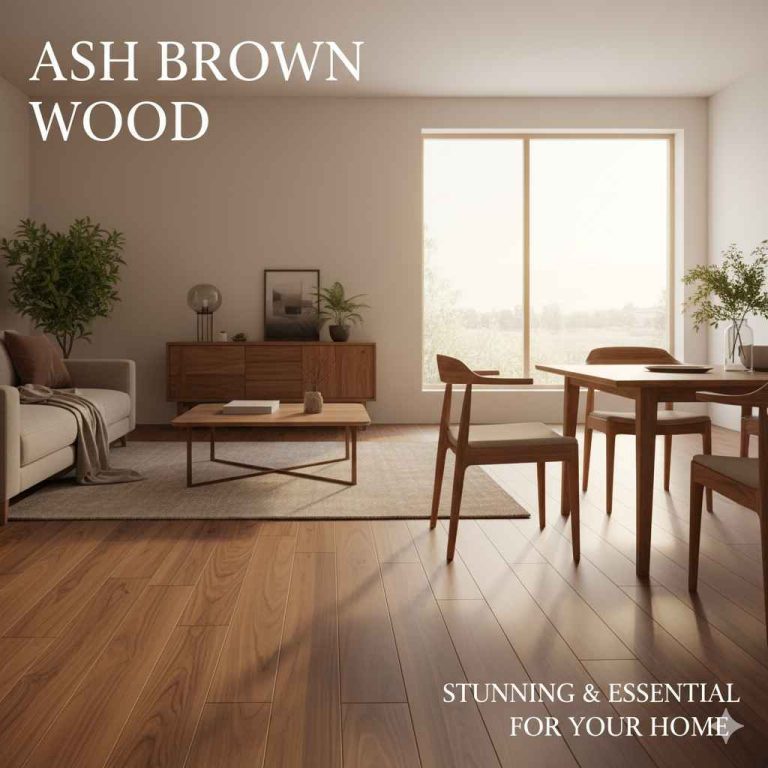
Ash wood is known for its beautiful grain patterns. They can be straight and uniform, or sometimes wavy and striking, giving each beam a unique personality. This natural artistry means your ash wood beams won’t look mass-produced; they’ll have a handcrafted feel that adds significant character to any room. The color of ash typically ranges from creamy white to a light brown, sometimes with reddish or grayish hues, making it a versatile material that can complement various interior design styles.
Strength and Durability
Ash is a hardwood, meaning it’s dense and tough. This strength makes it ideal for beams that might need to bear weight, but it also means that even decorative ash beams are very robust and resistant to wear and tear. They stand up well over time, maintaining their structural integrity and good looks. This durability is a key reason why ash has been a go-to wood for furniture, flooring, and structural elements for generations.
Workability and Finishing
For those of us who love to get hands-on, ash is a joy to work with. It cuts, sands, and finishes smoothly. This means that whether you’re installing pre-made beams or shaping your own, you’ll find it relatively easy to achieve a polished look. Ash also takes stains and finishes very well, allowing you to customize the color to perfectly match your decor, from a natural, light look to a dark, rich stain.
Versatility in Design
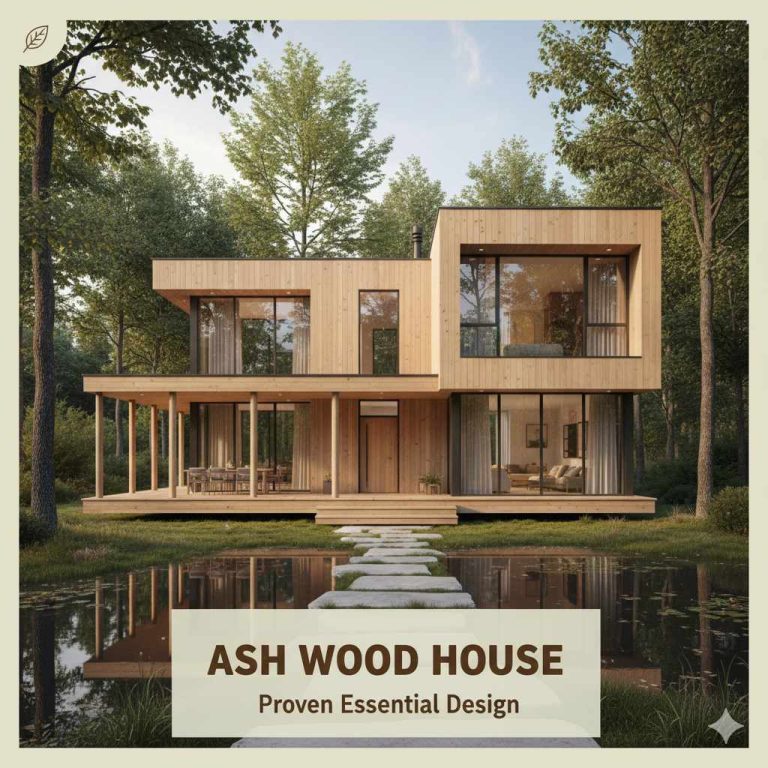
Ash wood beams aren’t just for rustic cabins! Their clean lines and appealing grain make them adaptable to many design aesthetics. Whether your home is modern farmhouse, minimalist, or traditional, ash beams can be integrated. They can be used for dramatic vaulted ceilings, as charming accents in smaller spaces, or even in furniture pieces like mantels or headboards.
Creating Design Solutions with Ash Wood Beams
Now that we know why ash is a great material, let’s explore how you can actually use ash wood beams to enhance your home. The possibilities are surprisingly wide, offering solutions for both aesthetic appeal and functional design. Think of them as a versatile design tool, ready to be shaped into your vision.
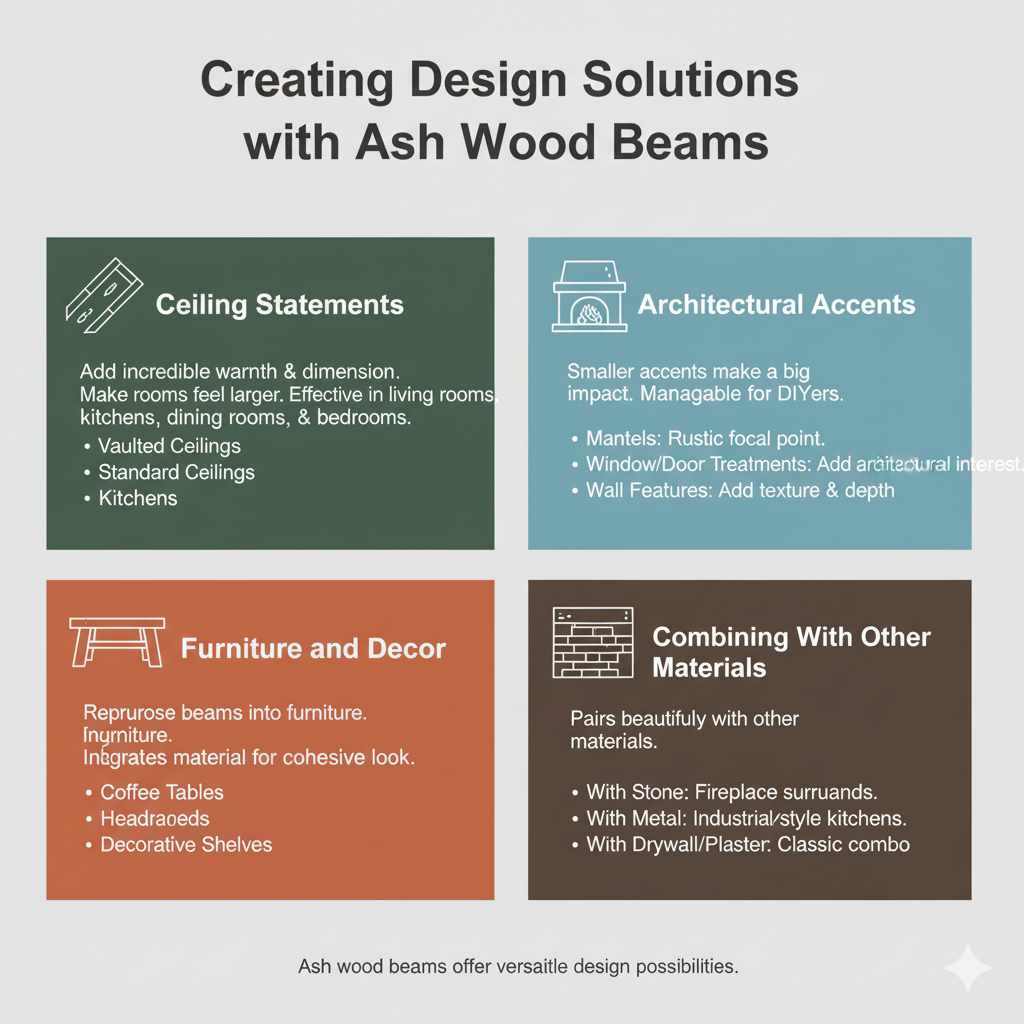
Ceiling Statements
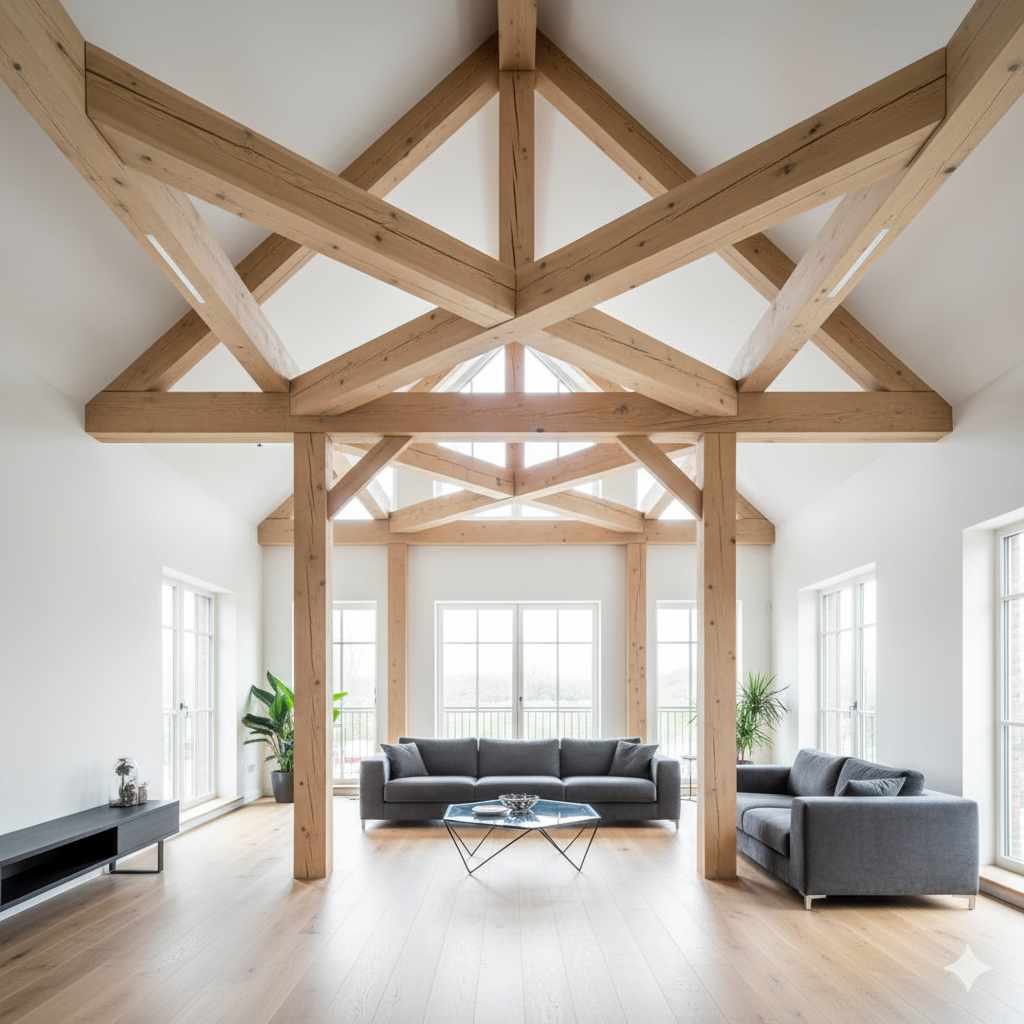
The most classic use for wood beams is on the ceiling, and ash is perfect for this. Whether you’re installing solid beams for structural support or hollow faux beams for a lighter, more decorative effect, ash can add incredible warmth and dimension. Exposed beams can make a room feel larger and more open, drawing the eye upward. This is particularly effective in living rooms, kitchens, and dining rooms.
- Vaulted Ceilings: Enhance the grandeur of high ceilings.
- Standard Ceilings: Add character and break up plain expanses.
- Kitchens: Especially effective over islands or in open-plan kitchens.
- Bedrooms: Create a cozy, retreat-like atmosphere.
Architectural Accents
Beams don’t always need to be large and structural. Smaller ash wood beam accents can make a big impact. Consider them for things like:
- Mantels: A solid ash beam mantelpiece offers a rustic and sturdy focal point for your fireplace.
- Window or Door Treatments: Framing a window or doorway with a simple ash beam can add architectural interest.
- Wall Features: Creating a “beam wall” or accenting a section of a wall can add texture and depth.
These smaller applications are often more manageable for beginner DIYers and can still provide that desired natural wood element.
Furniture and Decor
Ash wood beams can also be repurposed or incorporated into furniture. Imagine a sturdy coffee table made from reclaimed ash beams, or a unique headboard. Even smaller pieces of ash can be crafted into decorative shelves or accent pieces that echo the larger beam aesthetic elsewhere in your home. This approach integrates the material throughout your decor for a cohesive look.
Combining With Other Materials
Ash wood beams pair beautifully with a variety of other materials. Their natural warmth complements the cool tones of stone and metal, while they can enhance the comfort of smooth plaster or drywall.
- With Stone: Think a stone fireplace surround with an ash beam mantel.
- With Metal: Industrial-style kitchens can pair ash beams with black metal hardware.
- With Drywall/Plaster: This is the classic combo, where beams provide contrast and warmth to neutral walls and ceilings.
Understanding these pairings helps in visualizing how ash beams will fit into your existing or planned interior design.
Types of Ash Wood Beams and How to Use Them
When you decide to use ash wood beams, you have a few options regarding their construction and form. Each type serves different purposes and aesthetics, so choosing the right one is key to a successful project. Here’s a breakdown of what’s available and how they typically fit into design plans.
Solid Ash Wood Beams
As the name suggests, these are beams milled from solid pieces of ash timber. They are the most authentic and strongest option.
- Pros: Unmatched durability, authentic appearance, can be load-bearing (if properly engineered and installed).
- Cons: Very heavy, can be expensive, require significant structural support.
- Best For: Open-air structures like pergolas, robust structural applications in home construction, or when an extremely authentic, heavy look is desired.
For most interior decorative purposes, solid beams might be overkill and are certainly more challenging to install as a DIYer.
Boxed or Hollow Ash Wood Beams
These are a very popular and practical choice for home interiors. They are constructed from multiple boards (often ash veneer or solid ash planks) joined together to form a hollow box.
- Pros: Significantly lighter than solid beams, easier to install, more affordable, can be custom-sized and finished, hide structural supports or existing ceiling irregularities.
- Cons: Not load-bearing, appearance is a replica of solid wood (though high-quality veneers can be very convincing).
- Best For: Decorative accents on ceilings, framing existing beams, hiding electrical or plumbing work, adding architectural interest without structural concerns.
This is often the go-to for DIY projects aiming for the look of wood beams without the heavy lifting or cost of solid timber.
Reclaimed Ash Wood Beams
These are beams salvaged from old buildings, barns, or other structures. They often come with a rustic patina, nail holes, and signs of age that add immense character.
- Pros: Unique, aged aesthetic; environmentally friendly; historical charm.
- Cons: Can be inconsistent in size and shape; may require cleaning, sanding, or sealing; cost can vary widely based on source and rarity; potential for pests or damage from previous use.
- Best For: Rustic, farmhouse, or industrial-inspired designs where a vintage look is highly desired. They make stunning mantels too.
It’s crucial to source reclaimed wood from reputable dealers who can verify its condition and treatment.
Ash Wood Veneer Beams
These are typically boxed beams with a thin layer of real ash wood veneer applied to the exterior. They offer the look of solid ash at a fraction of the cost and weight.
- Pros: Affordable, lightweight, consistent appearance, easy to install.
- Cons: Less durable than solid wood, can be damaged if the veneer is chipped or scratched.
- Cons: Less durable than solid wood, can be damaged if the veneer is chipped or scratched.
- Best For: Budget-friendly projects where the primary goal is achieving the aesthetic of ash wood beams without significant expense or weight.
When selecting veneer beams, look for high-quality veneer with good grain patterns for the most convincing result.
Installation Basics for Ash Wood Beams
Installing ash wood beams can seem daunting, but with careful planning and the right approach, it’s very achievable for a DIYer. The method often depends on whether you’re working with solid beams or lighter, boxed beams. Safety is always the number one priority, so always use appropriate safety gear when cutting, lifting, or working at heights.
Preparing Your Space
Before you start, measure your space accurately. If you’re installing decorative beams, plan their layout and spacing carefully. For solid beams that will be load-bearing, you’ll need to consult with a structural engineer or qualified contractor to ensure they are properly supported and meet building codes. Even for decorative beams, knowing where your ceiling joists are can help in securing them firmly.
Tools you might need often include:
- Measuring tape
- Pencil
- Level
- Stud finder
- Saw (miter saw or circular saw)
- Drill and driver bits
- Screws (appropriate length and type for your beams and mounting surface)
- Ladder or scaffolding
- Safety glasses
- Work gloves
- Dust mask
Installing Decorative Boxed Beams
This is the most common DIY scenario. Boxed beams are usually attached to the ceiling using mounting brackets or by screwing directly into ceiling joists.
- Locate Joists: Use a stud finder to mark the locations of ceiling joists. This is crucial for securely attaching your beams.
- Mark Beam Placement: Lightly draw lines on the ceiling to guide the placement of your beams, ensuring they are straight and evenly spaced.
- Prepare Mounting Method: For boxed beams, you often screw a wooden cleat or ledger board to the ceiling joists where the beam will sit. The hollow beam then slides over this cleat. Alternatively, some systems involve screwing directly through the beam’s sides into the joists.
- Lift and Secure: If working with helpers, carefully lift the boxed beam into place. If using a cleat system, slide the beam over the cleat. If screwing directly, pre-drill pilot holes and drive screws through the sides of the beam into the joists. Ensure the beam feels solid and secure.
- Repeat: Continue for all planned beams, checking alignment and stability as you go.
For external projects like pergolas, you might be bolting solid beams to posts, a process that requires robust hardware and potentially more advanced techniques. Always follow manufacturer instructions if using pre-fabricated beam systems.
Finishing Touches
Once your ash wood beams are securely installed, you can focus on the finishing. This might involve filling any visible screw holes with wood filler, sanding lightly if needed, and applying your chosen stain or sealant. A clear coat of polyurethane can protect the wood and enhance its natural sheen.
Ash Wood Beams vs. Other Wood Types
Making a choice for your home often involves comparing options. Ash wood beams have distinct advantages and disadvantages compared to other popular wood choices for beams. Understanding these differences will help you select the best material for your specific project needs and aesthetic goals.
| Wood Type | Appearance | Strength | Workability | Cost (Estimate) | Common Uses |
|---|---|---|---|---|---|
| Ash | Light brown to creamy white, distinct grain, can be straight or wavy. | Very strong and durable, good shock resistance. | Good; machines, sands, and finishes well. | $$ (Mid-range) | Ceilings, furniture, tool handles, flooring. |
| Oak | Light to dark brown, prominent grain patterns (often cathedral), can be very traditional. | Very strong and durable, resistant to rot and insects. | Good; can be slightly harder to work than ash. | $$$ (Higher) | Furniture, flooring, cabinetry, structural beams. |
| Pine | Light yellow to reddish-brown, often knotty, can be rustic or smooth. | Softer wood, less durable than hardwoods. | Excellent; easy to cut, sand, and finish. | $ (Affordable) | Framing, rustic beams, furniture, trim. |
| Maple | Creamy white to reddish-brown, fine, uniform grain, sometimes figured (curly, bird’s eye). | Very strong and hard, durable. | Good; can be prone to tear-out if not sharp tools are used. | $$ (Mid-range to Higher) | Furniture, flooring, cabinetry, butcher blocks. |
As you can see, ash offers a fantastic balance. It’s significantly stronger and more durable than pine, making it a better long-term investment for visible beams. While oak is comparable in strength, ash often has a more distinctive grain and can be more affordable. Maple is also very strong but can be pricier and has a finer grain that might be less striking for beam applications compared to ash.
When choosing, consider the overall look you want. For a modern farmhouse or a Scandinavian-inspired space, ash’s cleaner grain can be ideal. If you’re aiming for a very traditional, stately feel, oak might be preferred. For budget-conscious projects where the look of wood is key, pine can work, but you sacrifice longevity and resistance to dings.
Maintaining Your Ash Wood Beams
Proper care will ensure your ash wood beams look beautiful for years to come. The maintenance required will depend on whether your beams are interior or exterior, and how they have been finished.
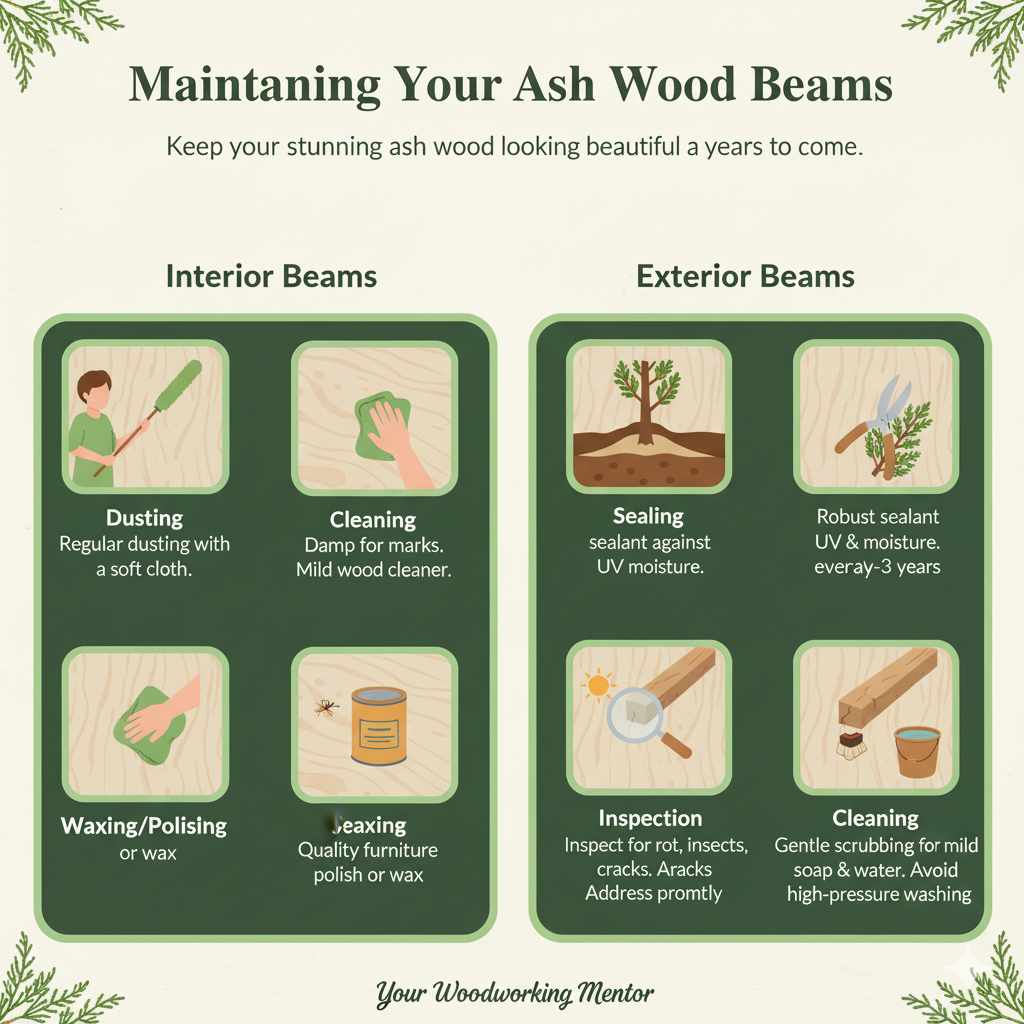
Interior Beams
Most interior ash wood beams, especially decorative boxed beams, come pre-finished or are finished by the installer.
- Dusting: Regular dusting with a soft cloth or a vacuum cleaner attachment is usually sufficient.
- Cleaning: For any marks or grime, use a slightly damp cloth. Avoid using excessive water, as it can damage the wood or finish. If needed, a mild wood cleaner can be employed, but always test in an inconspicuous area first.
- Waxing/Polishing: Periodically, you can use a good quality furniture polish or wax designed for wood to maintain the shine and protect the finish.
If your beams are unfinished or you plan to refinish them, ensure you use appropriate wood sealants or varnishes to protect them from humidity and stains.
Exterior Beams
If you’re using ash wood beams for exterior applications like pergolas or porch supports, they will require more diligent maintenance.
- Sealing: Exterior wood needs a robust sealant that can withstand UV rays, moisture, and temperature fluctuations. Reapply sealant every 1-3 years, depending on your climate and the product used.
- Inspection: Regularly inspect for signs of rot, insect damage, or cracks. Address any issues promptly to prevent further degradation.
- Cleaning: Power washing should be done with extreme caution, using low pressure, or avoided altogether. Gentle scrubbing with a mild soap and water solution is safer.
Using naturally rot-resistant woods is always a good idea for exterior projects, but even then, proper sealing and maintenance are essential for longevity. You can learn more about wood finishing and protection at Woodworking Plan, a great resource for detailed guides.
Frequently Asked Questions About Ash Wood Beams
What makes ash wood suitable for beams?
Ash wood beams are suitable because ash is a strong, dense hardwood with good shock resistance. This makes it durable for structural or decorative applications. Its attractive grain patterns also add significant aesthetic appeal, enhancing the visual character of a room.
Are ash wood beams expensive?
The cost of ash wood beams can vary. Solid ash timber will be more expensive than hollow or veneer options. Compared to some other hardwoods like oak, ash can often be more cost-effective.