Ash Wood House: Essential Design Inspiration
Discover how ash wood can bring timeless beauty and durable elegance to your home design. This guide offers practical inspiration for creating a warm, inviting ash wood house, perfect for DIYers and homeowners seeking natural charm and lasting quality.
Building with ash wood for your house might sound like a big project, but the beauty and strength it brings are truly worth exploring! Many homeowners love the idea of natural materials, but feel a bit overwhelmed by where to start. You might be wondering if ash wood is the right choice or how to get that beautiful, welcoming look. Don’t worry, you’re in the right place! I’m here to guide you, step-by-step, through the wonderful world of ash wood house design. We’ll discover inspiring ways to use this versatile timber to create a home that’s both stunning and sturdy, all explained in a way that feels simple and achievable.
Why Ash Wood for Your Home?
Ash wood is a fantastic choice for home building and design projects, and for good reason! It’s known for its strength, flexibility, and beautiful grain patterns. Think of it as a reliable friend in the woodworking world – always dependable and looking good while doing it.
Strength and Durability
One of the biggest advantages of ash wood is its impressive strength. It has a high resistance to impact, making it a durable option for areas that see a lot of use. This means your ash wood elements can withstand daily wear and tear, keeping your home looking great for years to come.
Aesthetic Appeal
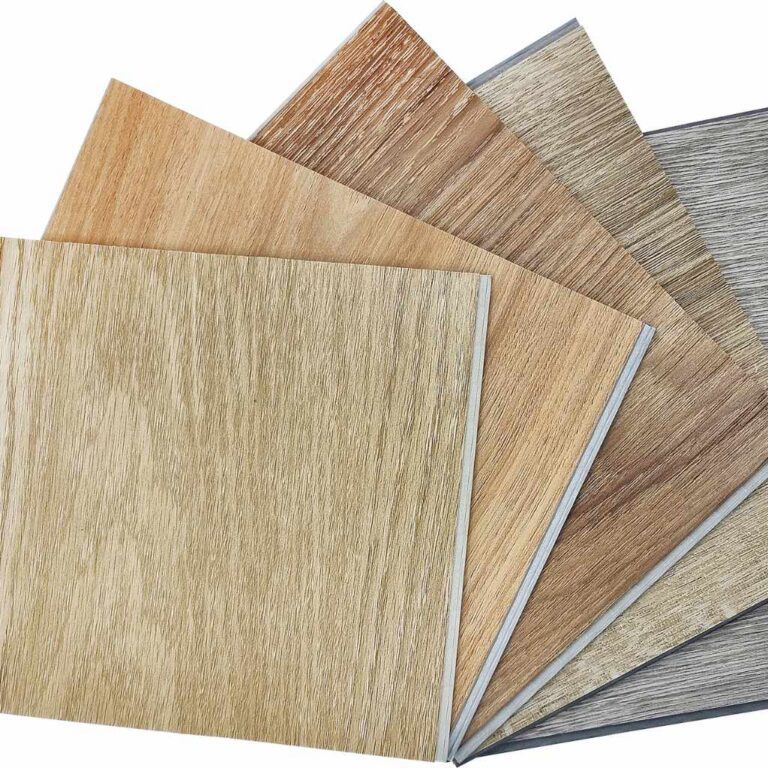
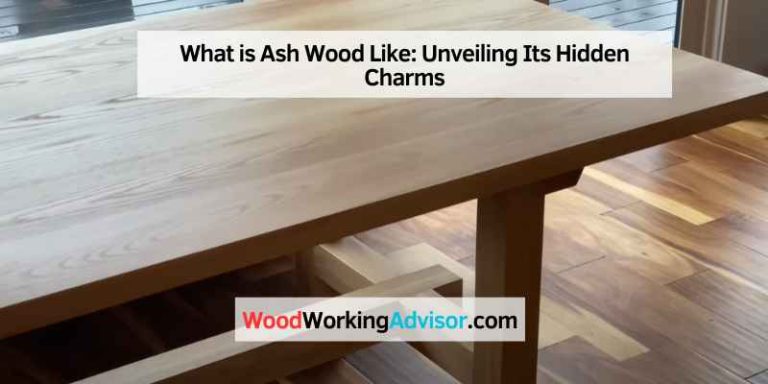
The look of ash wood is something special. It typically features a light, creamy-white to light brown color with prominent grain patterns. These patterns can range from straight and uniform to more wavy or figured, offering a natural beauty that adds warmth and character to any space. It’s a look that’s both classic and contemporary, fitting seamlessly into various design styles.
Versatility in Design
Ash wood isn’t just about strength; it’s also incredibly versatile. It can be shaped, turned, and finished in many ways. Whether you’re envisioning sleek, modern furniture, rustic wooden beams, or elegant flooring, ash wood can deliver. Its ability to take stains well means you can achieve a wide range of looks, from a light, airy feel to a rich, deep tone.
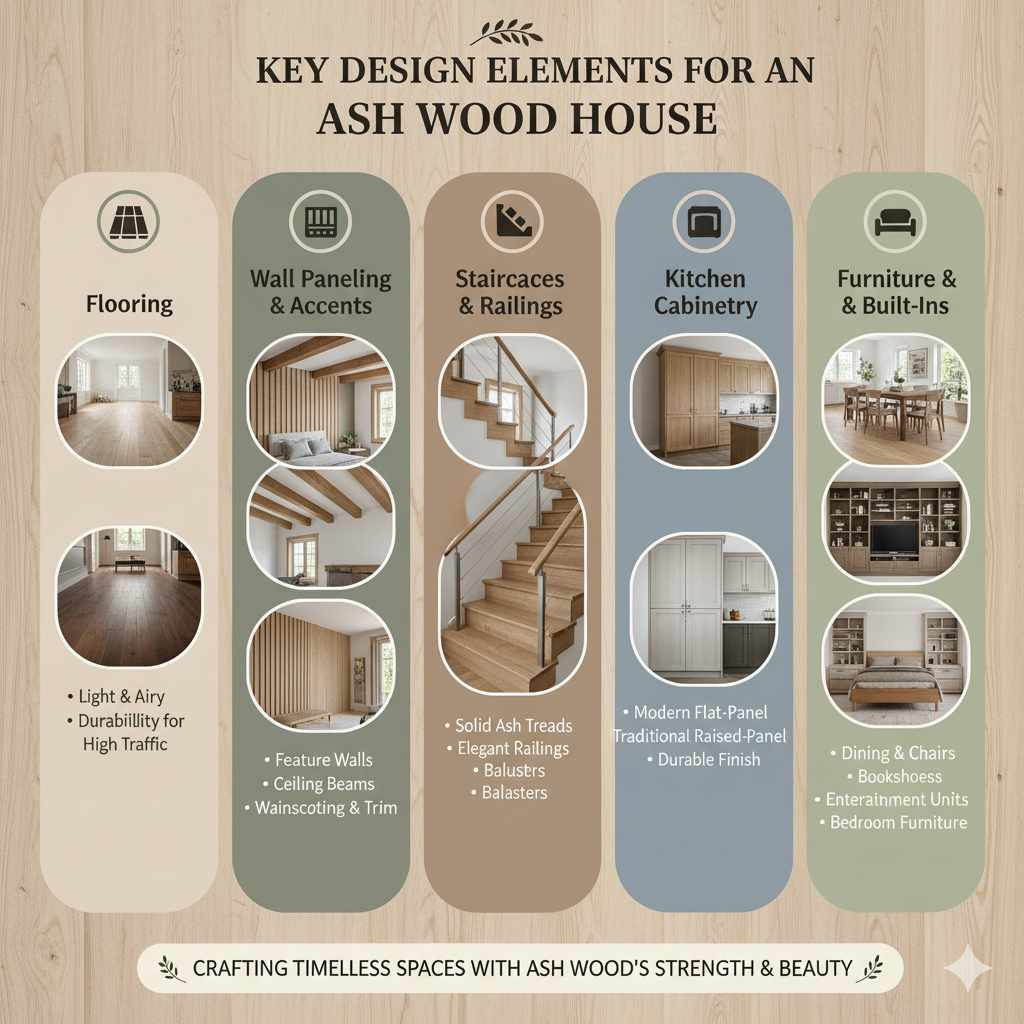
Key Design Elements for an Ash Wood House
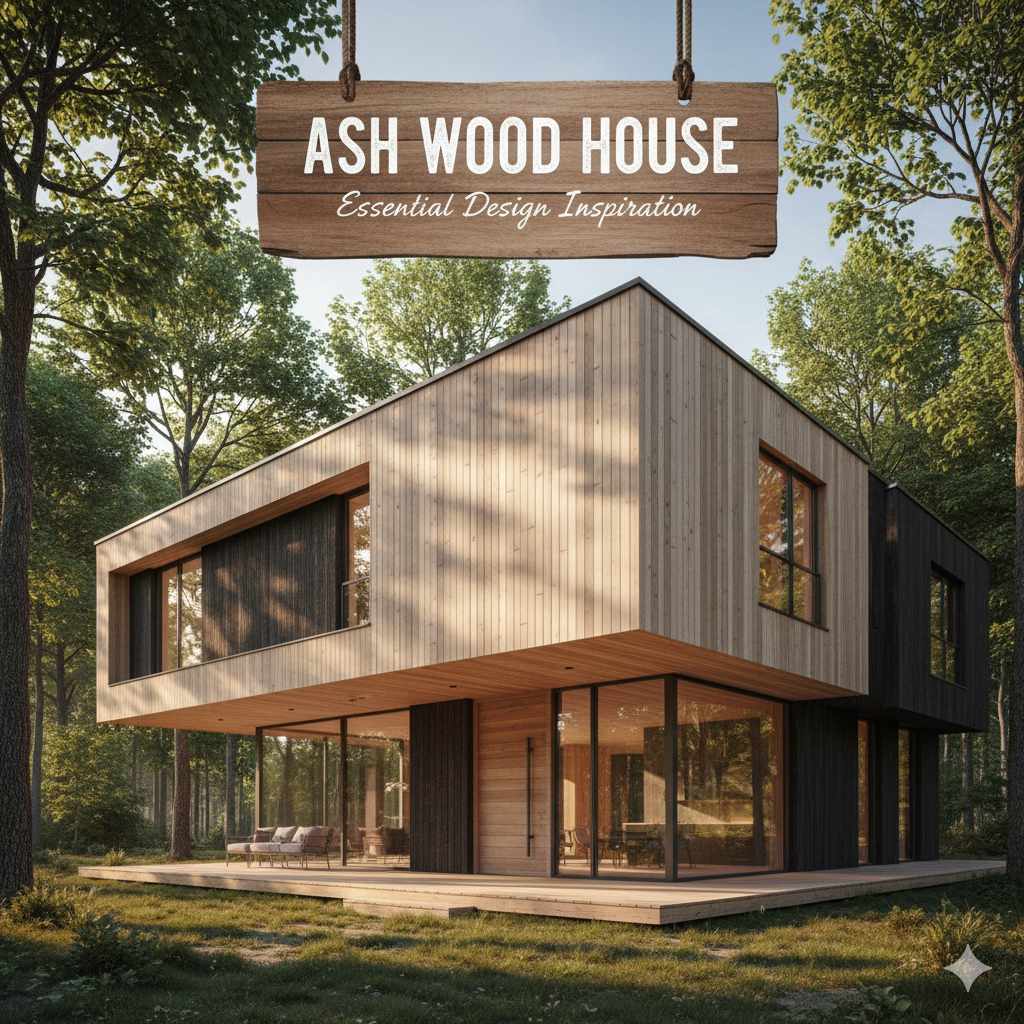
When we talk about an “ash wood house,” it doesn’t always mean the entire structure is made of ash. More often, it involves incorporating ash wood strategically into key design elements to highlight its beauty and benefits. Let’s explore some inspiring ways to do this.
Flooring: The Foundation of Warmth
Ash wood flooring is a popular choice for its durability and attractive appearance. The natural variations in the grain create a dynamic and inviting surface underfoot.
- Light and Airy: A natural or lightly stained ash floor can make any room feel more spacious and brighter.
- Rich and Deep: Staining ash wood in darker tones can add a sense of luxury and groundedness, perfect for living areas or dining rooms.
- Durability for High Traffic: Choose ash for areas like hallways and kitchens where durability is essential. Its resistance to wear means it will hold up beautifully.
For more on choosing wood flooring, check out this guide from the Wood Database, which offers insights into different wood species and their properties. Understanding the wood is the first step to a great project!
Wall Paneling and Accents
Bringing ash wood onto your walls can add incredible texture and visual interest. It creates a cozy, natural feel that’s hard to replicate.
- Feature Walls: A wall clad in ash wood can become a stunning focal point in a bedroom or living room.
- Ceiling Beams: Exposed ash wood beams can add a rustic or modern architectural element, depending on the finish and style.
- Wainscoting and Trim: Using ash for wainscoting or decorative trim around doors and windows adds a touch of refined craftsmanship.
Staircases and Railings
A staircase is often a central feature in a home, and ash wood can make it a showstopper. Its strength makes it ideal for the structural components, while its beauty enhances the overall look.
- Solid Ash Treads: For a durable and classic look, solid ash treads are an excellent choice.
- Elegant Railings: Smooth, polished ash railings feel good in the hand and add a refined touch.
- Balusters: Whether turned or square, ash balusters provide a consistent and beautiful accent.
Kitchen Cabinetry
The natural tones of ash wood can create a warm and inviting kitchen. Its durability is also a practical advantage in a busy culinary space.
- Modern Flat-Panel: Ash works beautifully for contemporary, minimalist cabinet doors with its clean grain.
- Traditional Raised-Panel: For a more classic kitchen style, ash can be stained to achieve a rich, timeless look.
- Durable Finish: A well-sealed ash cabinet will resist moisture and wear, standing up to daily use.
Furniture and Built-Ins
Beyond the structure of the house, ash wood is a dream material for furniture and custom built-in pieces.
- Dining Tables and Chairs: Ash’s strength and ability to be finished smoothly make it perfect for dining sets that last.
- Bookshelves and Entertainment Units: Custom ash built-ins add character and functionality to living spaces.
- Bedroom Furniture: Consider ash for bed frames, dressers, or nightstands for a cohesive, natural aesthetic.
Choosing the Right Ash Wood for Your Project
Not all ash wood is created equal! Understanding the different types and characteristics will help you make the best choice for your specific project and desired look.
Common Types of Ash
The most common types of ash used in North America are:
- White Ash ( Fraxinus americana ): This is the most prevalent and generally considered the best for furniture and millwork. It’s strong, hard, and has a lovely grain.
- Green Ash ( Fraxinus pennsylvanica ): Often found in urban settings, green ash is also strong but can sometimes be less uniform in color than white ash.
- Blue Ash ( Fraxinus quadrangulata ): This species is known for its fine texture and is also used for furniture and tool handles.
Understanding Wood Grades
Wood is often graded based on its appearance, particularly the number and type of natural defects like knots or significant color variation. For a sleek, modern “ash wood house” feel, you might look for higher grades with fewer imperfections. For a more rustic or natural look, lower grades with knots can add character.
Moisture Content Considerations
Just like any wood, ash needs to be properly dried before use to prevent warping, cracking, and shrinkage. Ensure the wood you source is kiln-dried or air-dried to an appropriate moisture content for your region. A common standard for interior wood use is around 6–8% moisture content. For more on wood drying, the USDA Forest Products Laboratory publications offer detailed technical information, though for beginners, relying on reputable lumber suppliers is key.
Working with Ash Wood: Tips for DIYers
As a woodworking mentor, I always tell my students that understanding your material is half the battle. Ash is generally a pleasure to work with, but a few tips can make your projects even smoother.
Cutting and Shaping
Ash is a hardwood, so it requires sharp tools for clean cuts.
- Saws: Use a sharp blade on your table saw, miter saw, or circular saw. Consider a blade with more teeth for a smoother finish.
- Planing and Jointing: Ash planes well, but due to its hardness, ensure your tools are set precisely and sharp to avoid tear-out, especially with figured grain.
- Routing: It machines nicely, but take shallow passes to prevent burning or router bit chatter.
Sanding and Finishing
Achieving a smooth finish is key to showcasing ash wood’s beauty.
- Sanding Progression: Start with a medium grit (e.g., 100-120) and work your way up to finer grits (e.g., 220) for a silky-smooth surface. Always sand with the grain.
- Grain Filling: For an ultra-smooth finish, especially with more open-grained ash, you might consider using a grain filler before applying your topcoat. This is optional but can enhance a modern look.
- Finishes: Ash takes stains very well, allowing you to achieve a wide range of colors. For a natural look, a clear polyurethane, varnish, or oil-based finish will protect the wood and highlight its natural grain.
Adhesives and Fasteners
Ash is strong, so it holds fasteners well.
- Gluing: Standard wood glues (like PVA) work excellently. Ensure surfaces are clean and you apply adequate clamping pressure.
- Screws and Nails: Pre-drilling pilot holes is recommended, especially near the ends of boards, to prevent splitting. Use screws for the strongest joinery.
Design Inspiration: Achieving Different Looks with Ash
The magic of ash wood truly shines when you see how it can transform a space. Let’s look at some popular aesthetic approaches.
The Minimalist & Modern Ash Home
For a clean, contemporary feel, ash wood’s light color and subtle grain are perfect.
- Cabinetry: Think flat-panel cabinet doors finished in a clear coat or a very light stain.
- Flooring: Wide plank ash flooring with a matte finish enhances the sense of space.
- Furniture: Simple, geometric furniture pieces made from ash.
- Accents: Use ash for minimalist built-in shelving or a sleek feature wall.
The Rustic & Natural Ash Home
Embrace the inherent beauty of the wood for a cozy, inviting atmosphere.
- Beams and Ceilings: Reclaimed ash or ash with a more pronounced, rustic grain can add character.
- Flooring: Hand-scraped or wider plank ash floors with a natural or slightly darker stain.
- Furniture: Chunky, solid ash furniture often with visible joinery.
- Wall Paneling: Shiplap or board-and-batten style paneling in ash.
The Transitional Ash Home
This style blends elements of modern and traditional for a timeless appeal.
- Mixed Materials: Combine ash wood with other materials like metal, stone, or painted elements.
- Classic Silhouettes: Use ash for beautifully crafted furniture with classic lines.
- Balanced Color: Ash can be stained in mid-tone colors that bridge the light and dark spectrums.
- Elegant Details: Consider ash for crown molding, door casings, and stair railings with a refined profile.
Ash Wood vs. Other Hardwoods: A Quick Comparison
It’s always helpful to see how ash stacks up against other popular hardwoods. This table can give you a quick overview:
| Wood Type | Average Hardness (Janka Score) | Color & Grain | Pros for Home Design | Cons for Home Design |
|---|---|---|---|---|
| Ash | 1320 psi | Light brown to creamy white; prominent, straight to wavy grain. | Strong, durable, good shock resistance, versatile finishing, affordable. | Can be susceptible to emerald ash borer; grain can be porous requiring filling for smooth finishes. |
| Oak (Red) | 1290 psi | Light to medium brown with a reddish tint; prominent, open grain. | Very strong, durable, widely available, classic look. | Open grain can be challenging to fill; can have a slightly pinkish hue. |
| Maple (Hard) | 1450 psi | Creamy white to light brown; fine, uniform grain, can have figuring (e.g., curly, bird’s eye). | Very hard, smooth finish, modern aesthetic, takes stains well. | Can be more expensive; darker stains can sometimes look flat due to fine grain. |
| Walnut | 1010 psi | Rich, dark brown with lighter streaks; attractive, varied grain patterns. | Luxurious look, beautiful natural color, easy to work with. | More expensive; softer than ash or maple, can dent more easily. |
As you can see, ash offers a fantastic balance of strength, beauty, and value, making it a very competitive choice for many home design applications. The HGTV website also has great visual guides to different wood types that can help you match styles.
Maintenance and Care for Ash Wood Elements
Keeping your ash wood looking its best is straightforward with a little regular care. Think of it like caring for any good piece of furniture or home feature.
Regular Cleaning
- Dust regularly with a soft, dry cloth.
- For spills or sticky spots, use a slightly damp cloth with water and mild soap, then dry immediately. Avoid harsh chemicals or excessive moisture.
Periodic Maintenance
- Finished Surfaces: For floors, cabinets, or furniture with a protective finish (like polyurethane), you might need to reapply a maintenance coat every few years, depending on wear and tear.
- Oiled Finishes: If your ash wood has an oil finish, it will require more frequent re Oiling (e.g., annually) to keep it protected and looking its best.
- Protect from Moisture and Heat: Always use coasters under drinks and trivets under hot dishes. Minimize direct sunlight exposure, which can cause fading.
Proper care ensures your ash wood elements maintain their beauty and durability for decades.
Frequently Asked Questions About Ash Wood Houses
What makes ash wood a good choice for home design?
Ash wood is strong, durable, and has a beautiful, natural grain pattern. It’s versatile and can be stained to achieve many different looks, from contemporary to rustic, making it suitable for floors, furniture, cabinetry, and more.
Is ash wood expensive compared to other hardwoods?
Generally, ash wood is considered moderately priced, often falling between less expensive options like pine and more premium woods like cherry or walnut. It offers excellent durability and aesthetics for its cost.
What designs work best with ash wood?
Ash wood is highly versatile. Its light color and prominent grain lend themselves well to modern and Scandinavian designs, while darker stains or more rustic finishes can complement traditional, farmhouse, or craftsman styles beautifully.
How durable is ash wood flooring?
Ash wood flooring is quite durable. It’s rated well on the Janka hardness scale, meaning it’s resistant to dents and scratches, making it a practical choice for high-traffic areas in the home.
Are there any major downsides to using ash wood?
One significant historical concern for ash in North America was the Emerald Ash Borer insect, which has devastated many ash tree populations. While this impacts lumber availability and cost, using sustainably sourced ash or ash from unaffected regions is still a viable and excellent option. For finishing, its open grain might require a grain filler for a perfectly smooth, modern look.
How should I care for ash wood furniture or flooring?
Regular dusting with a soft cloth is key. For cleaning, use a damp cloth with mild soap and water, and dry thoroughly. Avoid harsh chemicals. Periodically, you may need to reapply a protective finish or oil, depending on the type of finish applied.
Can ash wood be used for exterior applications?
While ash is durable, it’s generally not recommended for the most demanding exterior applications without extensive sealing and maintenance. It’s best suited for interior use, where its beauty and strength can be best preserved.
Conclusion: Your Ash Wood Home Awaits
Designing a home with ash wood is an opportunity to bring in natural beauty, lasting strength, and a welcoming warmth that truly makes a house feel like a home. From the grounding presence of ash wood floors to the functional elegance of custom cabinetry, this versatile timber offers endless possibilities.