Ash Wood Knife Handle Strength Grip Performance
Ever grabbed a tool and felt like it just belonged in your hand? Maybe it was a favorite hammer, a trusty garden spade, or even a kitchen knife. That comfortable, secure feeling often comes down to the handle.
For knife enthusiasts, the material of the handle is just as important as the blade. Today, we’re exploring the qualities of a Ash Wood Knife Handle Strength Grip & Performance, and why it might be the perfect choice for your next knife. You’ll learn what makes ash wood a great option for knife handles, understand its benefits for durability and handling, and discover why it’s a popular material among knife makers and users alike.
Ash Wood Knife Handles An In Depth Look
When choosing a knife, many people focus on the blade steel, its sharpness, and how well it holds an edge. While these are undeniably important, the handle plays a vital role in the knife’s overall effectiveness and your experience using it. A well-designed handle not only makes a knife comfortable to hold but also ensures a secure grip, which is essential for safety and precision.
The material of the handle influences its durability, weight, aesthetics, and how it performs in various conditions. Ash wood is a natural material that has been used for tool handles for centuries, and for good reason. Its unique properties make it a compelling choice for knife handles, offering a blend of strength, a comfortable grip, and reliable performance.
What Is Ash Wood
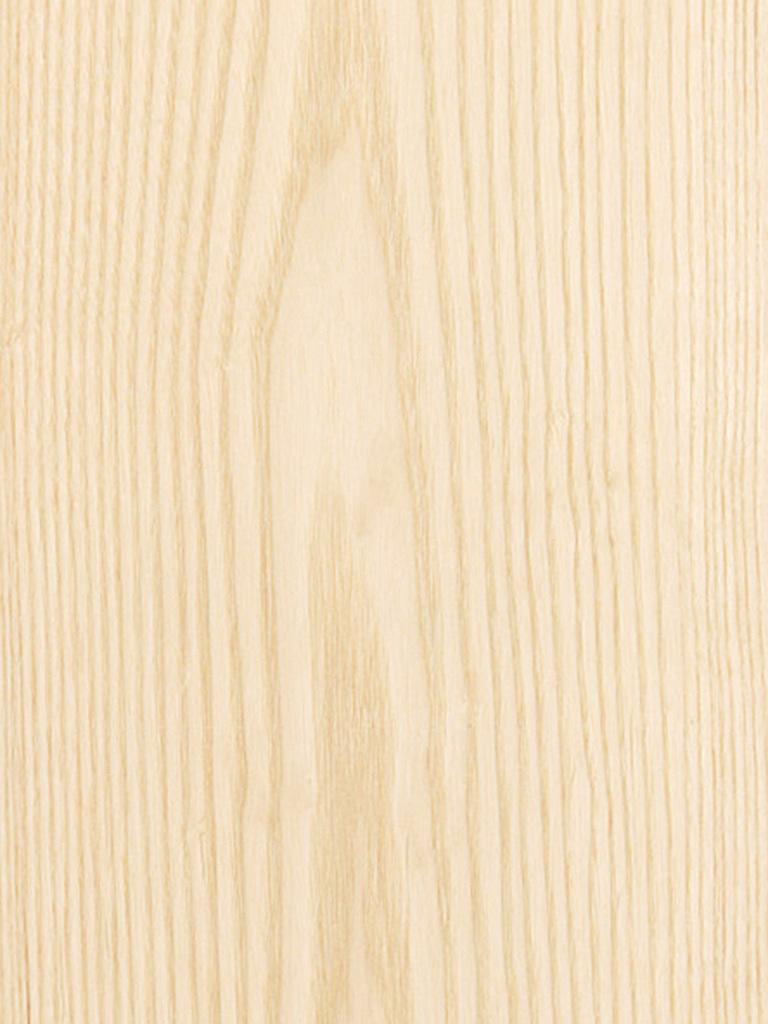
Ash wood comes from ash trees, which are deciduous trees found in the Northern Hemisphere. There are many species of ash trees, but the most common ones used for woodworking include White Ash and Green Ash. These woods are known for their distinctive grain patterns, typically straight and coarse.
The color of ash wood can range from light creamy white to a pale brown, sometimes with a reddish or grayish cast. What makes ash wood particularly interesting for applications like tool handles is its combination of toughness and flexibility. It’s a hardwood, meaning it’s dense and strong, but it also possesses a degree of shock absorption that other hardwoods might lack.
This makes it less prone to splintering or breaking when subjected to impact, a critical factor for any tool handle that might be dropped or used forcefully.
The Grain And Texture Of Ash Wood
The grain of ash wood is usually straight, which contributes to its strength and makes it relatively easy to work with. This straight grain means the wood fibers run in a consistent direction, providing predictable strength along the length of the handle. The texture is generally coarse, which can be a benefit for grip.
When finished properly, the slightly porous surface can offer a subtle, natural grip, especially when hands are slightly damp. Unlike some very smooth woods that can become slippery, ash wood’s texture provides a reassuring hold. This isn’t to say it’s rough; with careful sanding and finishing, it can feel smooth to the touch while still offering excellent traction.
The visual appeal of ash wood is also noteworthy. Its light color and prominent grain can be stained or finished in various ways to create beautiful, unique handles that complement the knife’s blade.
Strength And Durability Of Ash Wood Handles
When we talk about the Ash Wood Knife Handle Strength Grip & Performance, its inherent strength and durability are primary considerations. Ash wood is categorized as a hardwood, and its Janka hardness rating, which measures resistance to denting and wear, is quite respectable. While it may not be as hard as oak or hickory, it offers a superior balance of toughness and elasticity.
This means that while it can withstand significant force and pressure, it also has a natural ability to absorb shock without fracturing. This is incredibly important for a knife handle. Imagine using a knife for chopping or prying; the handle will experience impacts and stresses.
Ash wood’s resilience helps it resist damage from these activities, ensuring the handle remains sound and functional over time.
Resistance To Splintering And Breaking
One of the key advantages of ash wood for knife handles is its resistance to splintering and breaking. This is directly related to its strong, interlocking grain structure. Unlike woods with a more brittle nature, ash wood can bend slightly under stress before it fails.
This elasticity is a significant safety feature. A handle that is prone to splintering can lead to a loss of grip or even injury. Ash wood’s ability to absorb shock without catastrophic failure makes it a reliable choice for knives that are expected to perform under demanding conditions.
Whether it’s a fixed-blade hunting knife that might see heavy use in the field or a utility knife used for various tasks, the inherent strength of ash wood contributes to its longevity and safe operation.
How Ash Wood Handles Hold Up Over Time
With proper care, ash wood knife handles can last for a very long time. Like all natural materials, wood can be affected by moisture and extreme temperature changes. However, ash wood is generally less susceptible to warping or cracking than some other woods.
Regular maintenance, such as occasional oiling with mineral oil or a dedicated wood conditioner, will help keep the wood hydrated and protected. This prevents it from drying out, which can lead to shrinkage and potential cracking. Furthermore, the natural oils in the wood, combined with a good finish, provide a degree of resistance to moisture and stains.
Over years of use, an ash wood handle will often develop a pleasant patina, a sign of its history and the character it gains with age, making it even more appealing.
Grip And Comfort Of Ash Wood Handles
Beyond its strength, the grip and comfort offered by an Ash Wood Knife Handle Strength Grip & Performance are paramount to user satisfaction. A knife handle isn’t just about looking good; it needs to feel good in your hand and provide a secure hold. Ash wood excels in this area due to its texture and how it interacts with your grip.
The Natural Texture And Its Benefits For Grip
As mentioned earlier, the slightly coarse texture of ash wood is a significant advantage. When your hands are dry, the wood offers a confident, non-slip surface. Even when your hands become slightly moist from sweat or environmental conditions, the pores in the wood can help wick away a small amount of moisture, maintaining a decent grip.
This is a crucial safety factor, as a slippery knife can lead to accidents. The texture also contributes to overall comfort. It’s not overly smooth or slick, which can cause hot spots or blisters during prolonged use, nor is it so rough that it becomes uncomfortable.
The balance it strikes is ideal for a tool that is meant to be held and manipulated for extended periods.
Ergonomics And How Ash Wood Can Be Shaped
Ash wood is a very workable material for knife makers. It carves and sands well, allowing for the creation of ergonomically shaped handles that conform comfortably to the contours of the hand. Knife makers can carefully sculpt the wood to include finger grooves, thumb rests, or palm swells that enhance control and reduce fatigue.
The straight grain also makes it predictable to shape without the risk of encountering sudden knots or irregularities that could disrupt the intended form. This ability to be shaped precisely means that an ash wood handle can be customized to fit a specific hand size or preferred grip style, further increasing its comfort and performance. The resulting handle feels natural and secure, allowing the user to focus on the task at hand rather than on maintaining their grip.
How Ash Wood Handles Feel In Different Conditions
The feel of an ash wood handle can vary slightly depending on its finish, but generally, it remains consistent and reliable. In cold weather, wood doesn’t conduct heat as readily as metal or hard plastics, so it won’t feel uncomfortably cold in your hand. In warmer conditions, it remains pleasant and less prone to becoming sticky than some synthetic materials.
When it comes to moisture, as discussed, the texture helps maintain grip. While prolonged immersion in water should be avoided for any wooden handle, ash wood, when properly sealed, can handle incidental exposure to moisture without significant degradation. This adaptability to different environmental conditions contributes to its reputation as a high-performing handle material.
Performance Of Ash Wood Handles In Use
The ultimate test of any knife handle material is its performance when put to work. The combination of strength, grip, and comfort provided by ash wood translates directly into enhanced performance, making knives equipped with these handles more effective and enjoyable to use.
Impact Resistance And Shock Absorption
When a knife is used for tasks involving impact, such as chopping through small branches or batoning wood (using the knife to split wood by striking the spine with another piece of wood), the handle absorbs a significant amount of shock. Ash wood’s inherent toughness and flexibility allow it to dissipate these forces, reducing the jarring sensation that travels up the blade and into the user’s hand. This shock absorption not only makes the knife more comfortable to use for prolonged periods but also helps protect the user’s wrist and hand from potential injury.
It also contributes to the longevity of the knife itself, as the handle is less likely to develop stress fractures or loosen over time due to repeated impacts.
Precision And Control With Ash Wood Handles
A secure and comfortable grip is fundamental to achieving precision and control with any cutting tool. With an ash wood handle, users can maintain a firm hold on the knife, even when performing delicate tasks that require fine motor skills. The natural texture and the ability to shape the wood ergonomically mean that the knife feels like an extension of the hand.
This increased control allows for more accurate cuts, safer operation, and a reduced risk of the knife slipping. For tasks like carving, skinning game, or preparing food, where accuracy is critical, the reliable grip provided by ash wood is invaluable.
Longevity And Value Of Ash Wood Handles
The combination of durability and resistance to wear means that ash wood handles offer excellent longevity. They are less likely to chip, crack, or wear down quickly compared to softer woods or some plastics. This means a knife with an ash wood handle is a long-term investment.
While the initial cost might be comparable to or slightly higher than knives with basic synthetic handles, the extended lifespan and superior performance justify the value. The ability of ash wood to age gracefully, developing a patina and character, also adds to its appeal, making it a handle material that many users find increasingly desirable over time.
Ash Wood Vs Other Handle Materials
To fully appreciate the advantages of ash wood, it’s helpful to compare it with other common knife handle materials. Each material has its own set of pros and cons, and the choice often comes down to personal preference and intended use.
Comparison Table
| Material | Strength | Grip | Durability | Comfort | Maintenance |
|---|---|---|---|---|---|
| Ash Wood | High | Good (natural texture) | High | Very Good | Moderate (oiling) |
| Synthetic (e.g., G10, Micarta) | Very High | Excellent (textured) | Very High | Good (can be rigid) | Low |
| Other Hardwoods (e.g., Oak, Walnut) | High | Variable (depends on finish) | High | Good | Moderate (oiling) |
| Metal (e.g., Stainless Steel) | Very High | Poor (slippery when wet) | Very High | Poor (conducts heat/cold) | Low |
Synthetic Materials
Synthetic materials like G10, Micarta, and FRN (Fiber Reinforced Nylon) are popular for their extreme durability and low maintenance. They are highly resistant to water, chemicals, and temperature fluctuations. G10, for instance, is a composite material made of fiberglass cloth and epoxy resin, offering exceptional strength and a consistent, often textured, grip.
Micarta is similar, often made with canvas, linen, or paper as the fabric. While these materials excel in toughness and reliability, they can sometimes feel less ‘alive’ or comfortable in the hand compared to natural wood. They also don’t develop the same kind of character over time.
Some users find synthetic handles can be colder in winter or feel more rigid during extended use.
Other Hardwoods
Other hardwoods like oak, walnut, and maple are also used for knife handles. Oak is known for its strength and distinct grain. Walnut offers a beautiful color and is durable, though it can be a bit softer than ash.
Maple is very hard and dense. The performance of these woods largely depends on their density, grain structure, and how they are finished. Ash wood often strikes a good balance, providing excellent toughness and a naturally grippy texture that might be harder to achieve with some other hardwoods without aggressive texturing or specific finishes.
All natural wood handles will require some level of care to maintain their integrity and appearance.
Metals And Other Materials
Metal handles, such as those made from stainless steel or titanium, are incredibly strong and durable but often suffer from poor grip, especially when wet or cold. They also conduct heat and cold readily, making them uncomfortable in extreme temperatures. Bone, horn, and antler can make for attractive and grippy handles, but their availability, consistency, and durability can vary significantly.
Ash wood offers a more predictable and balanced set of characteristics that make it a consistently reliable choice for a wide range of knife types.
Frequently Asked Questions
Question: Is ash wood good for kitchen knives
Answer: Yes, ash wood can be a good choice for kitchen knives. Its natural grip and comfort are beneficial for tasks involving prolonged food preparation. However, it’s important to ensure the handle is properly sealed to resist moisture and staining from food products.
Regular maintenance will help maintain its integrity and appearance.
Question: Does ash wood handle feel cold
Answer: Ash wood does not feel as cold as metal handles in low temperatures. Wood is a natural insulator and generally feels more comfortable in the hand across a range of temperatures.
Question: How should I maintain an ash wood knife handle
Answer: To maintain an ash wood handle, clean it gently with a damp cloth and mild soap if necessary, and dry it immediately. Periodically apply a thin coat of food-grade mineral oil or a specialized wood conditioner to prevent drying and cracking. Avoid prolonged soaking in water.
Question: Can ash wood splinter
Answer: While ash wood is known for its toughness and resistance to splintering compared to some softer woods, any wood can potentially splinter if subjected to extreme abuse or poor construction. However, properly made and maintained ash wood handles are very resilient.
Question: Is ash wood heavy for a knife handle
Answer: Ash wood is a hardwood with a moderate density. It is not exceptionally heavy, but it provides enough substance for a comfortable and balanced feel in the hand, contributing to good handling characteristics without making the knife feel overly weighted.
Final Thoughts
Exploring the qualities of an Ash Wood Knife Handle Strength Grip & Performance reveals why this natural material remains a favorite among knife makers and users. Its inherent toughness means it can withstand the rigors of use, whether for practical tasks or more demanding applications, resisting damage like splintering and breaking. The unique texture of ash wood provides a naturally secure grip, a key aspect for safety and control, making the knife feel like a reliable extension of your hand.
This natural feel also translates into significant comfort, reducing fatigue during extended use, which is a major benefit for anyone who spends a lot of time with a knife. When you combine these physical attributes with its appealing aesthetic and the character it develops over time, ash wood emerges as a standout choice. If you’re looking for a knife handle that offers a superb blend of durability, comfortable handling, and reliable performance, consider the enduring appeal and practical benefits that an ash wood handle brings to the table.
By understanding these qualities, you can make a more informed decision for your next knife selection, ensuring it meets your needs for both function and form.