Exploring Behr Outdoor Wood Stain Colors: A Comprehensive Guide
Hey there, fellow woodworking enthusiast! If you’re like me, you’ve probably spent countless hours sanding, shaping, and staining wood to bring your outdoor projects to life. There’s something deeply satisfying about transforming a raw piece of wood into a stunning deck, fence, or patio furniture piece that stands up to the elements. And when it comes to choosing the perfect stain, Behr outdoor wood stain colors have always caught my attention. They offer a fantastic range of hues, from rich, bold solids to subtle, natural-looking transparents, that can make any outdoor space pop. I’ve spent a lot of time exploring their offerings, testing colors, and learning what works best for different projects.
So, grab a cup of coffee, and let’s dive into the world of Behr outdoor wood stain colors together. I’m excited to share everything I’ve learned to help you pick the perfect shade for your next project!
Why Behr Outdoor Wood Stain Colors Stand Out
When I first started woodworking, I was overwhelmed by the sheer number of stain brands out there. But Behr quickly became a go-to for me. Why? Because their outdoor wood stains are designed with durability and beauty in mind. Behr offers a variety of finishes—solid, semi-transparent, and transparent—that cater to different needs. Whether you’re staining a weathered deck or a brand-new fence, their stains provide excellent protection against UV rays, water, and wear. Plus, with over 1,600 custom and computer-matched colors, there’s something for every style and vision.
I love how Behr combines the best features of oil and latex stains. Their 100% acrylic formulas are tough, resisting cracking, peeling, and fading, which is a must for outdoor projects exposed to harsh weather. I’ve used their stains on everything from cedar fences to pine decks, and the results are always impressive. The colors are vibrant, the application is straightforward, and the longevity is hard to beat. Let’s break down the types of Behr outdoor wood stains to understand what makes each one special.
Types of Behr Outdoor Wood Stain Finishes
Behr offers three main types of outdoor wood stain finishes:
solid, semi-transparent, and transparent. Each has its own charm and purpose, and choosing the right one depends on your project and aesthetic goals. Let me walk you through each type based on my experience.
Solid Color Stains
Solid color stains are like the bold, confident friend who makes a statement wherever they go. These stains create a thick, opaque film that hides wood imperfections while letting the texture shine through. I’ve used Behr’s Solid Color Waterproofing Stain & Sealer on an old, weathered deck, and it was a game-changer. The deck looked brand new, and the color stayed vibrant even after a brutal summer of sun and rain.
Behr claims their solid stains last up to 10 years on decks and 25 years on fences and siding. I’ve seen them hold up well for several years, though heavy foot traffic or extreme weather can cause some fading over time. With over 1,600 colors, you can find everything from classic whites to deep chocolates or even bold reds. I once chose a shade called Russet for a client’s fence, and it gave their backyard a warm, inviting vibe that paired perfectly with their brick home.
Semi-Transparent Stains
If you want to show off the wood’s natural grain while still adding color and protection, semi-transparent stains are the way to go. I used Behr’s Premium Semi-Transparent Waterproofing Stain & Sealer on a cedar pergola, and it was stunning. The stain enhanced the wood’s natural patterns while adding a soft tint that made the structure pop against the greenery.
These stains offer up to 6 years of protection on decks and 8 years on fences and siding. They’re great for newer wood or surfaces that don’t need heavy coverage. The color palette includes 60 custom shades, like Cedar Naturaltone and Cordovan Brown, which I’ve found to be incredibly versatile. One thing to note: some folks have mentioned that Behr’s semi-transparent stains can look more opaque than expected, so always test on a small area first.
Transparent Finishes
For those who love the raw beauty of wood, transparent finishes are a dream. These stains provide a clear, protective layer that seals out water and UV rays without altering the wood’s natural look. I used Behr’s Transparent Wood Finish on a set of pine Adirondack chairs, and they looked like they were glowing in the sunlight.
These finishes last up to 4 years on decks and 6 years on fences and siding. They’re perfect for new or well-maintained wood where you want the grain to be the star. However, they offer less color variety since the goal is to preserve the wood’s natural hue. I recommend these for projects where you want minimal color change but maximum protection.
Here’s a quick comparison of the three finishes to help you decide:
| Finish Type | Coverage | Durability | Best For | Color Options |
|---|---|---|---|---|
| Solid Color | Opaque, hides imperfections | 10 yrs (decks), 25 yrs (fences) | Weathered or old wood | 1,600+ custom colors |
| Semi-Transparent | Shows grain, adds tint | 6 yrs (decks), 8 yrs (fences) | Newer wood, aesthetic focus | 60 custom colors |
| Transparent | Clear, preserves natural look | 4 yrs (decks), 6 yrs (fences) | New wood, natural beauty emphasis | Limited (clear focus) |
Popular Behr Outdoor Wood Stain Colors
Behr’s color palette is a treasure trove, but a few shades stand out for their versatility and popularity. I’ve tested many of these myself, and I’ve seen how they transform outdoor spaces. Here are some of my favorites:
- Cedar Naturaltone: This warm, golden-brown shade is perfect for enhancing cedar or pine. I used it on a deck, and it gave a cozy, rustic feel that blended beautifully with the surrounding forest.
- Chocolate: A deep, rich brown that’s ideal for modern or traditional settings. I stained a fence with this color, and it added a touch of elegance without being too bold.
- Russet: This reddish-brown hue is warm and inviting. It worked wonders on a client’s old barn, giving it a fresh yet timeless look.
- Boot Hill Grey: A soft, neutral grey with a hint of lavender. I used it on a deck paired with an orange brick house, and the result was stunningly cohesive.
- Cordovan Brown: A dark, sophisticated brown that’s great for fences or siding. It’s bold but not overpowering, and I’ve seen it hold up well in harsh climates.
When choosing a color, think about your home’s exterior, the surrounding environment, and the vibe you’re going for. I always recommend grabbing a sample and testing it on a small piece of wood to see how it looks in your lighting.
How to Choose the Right Behr Stain Color for Your Project
Picking the perfect color can feel daunting, but I’ve learned a few tricks over the years to make it easier. First, consider the wood type. Cedar, redwood, and cypress can have natural extractives that affect how the stain looks, so you might need a primer like Behr’s Premium Plus No. 436 to prevent discoloration. I made the mistake of skipping this step once with a redwood fence, and the stain turned out patchier than I’d hoped.
Next, think about the project’s purpose. Is it a high-traffic deck that needs a durable solid stain? Or a decorative pergola where a semi-transparent finish can show off the grain? For my deck, I went with a solid stain because it was old and splintered, but for a new cedar bench, I chose a semi-transparent shade to highlight the wood’s beauty.
Lighting is another big factor. A color like Boot Hill Grey can look lavender in certain lights, which I found out the hard way when the afternoon sun hit my deck. Test your stain in the actual environment where it’ll be used. And don’t forget to consider your home’s exterior colors—brick, siding, or trim. A color that complements these elements will tie everything together.
Application Tips for Behr Outdoor Wood Stains
Applying stain might seem straightforward, but I’ve learned that preparation and technique make all the difference. Here’s how I approach it to get a flawless finish every time.
Surface Preparation
Before you even open the can, prep the wood properly. I can’t stress this enough—good prep is the key to a long-lasting finish. Start by cleaning the wood with a product like Behr Premium No. 63 Wood Cleaner to remove dirt, mildew, and old stains. I once skipped this step on a fence, and the stain peeled within a year. For new wood, use the cleaner to remove mill glaze, which can block stain absorption. Sand lightly with 150-grit sandpaper to smooth the surface, and make sure the wood is completely dry before staining.
Application Techniques
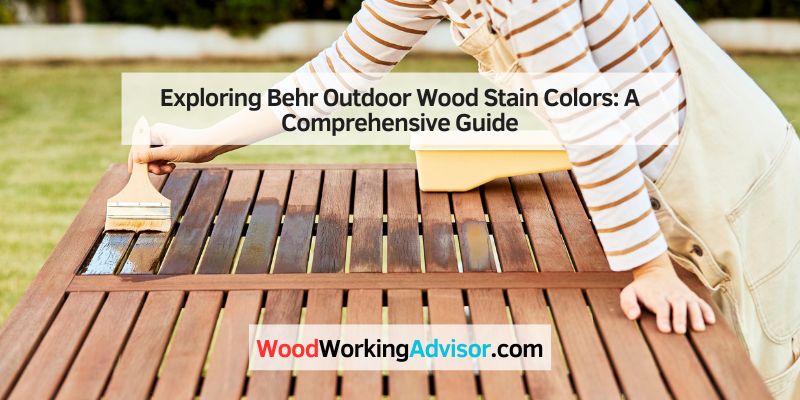
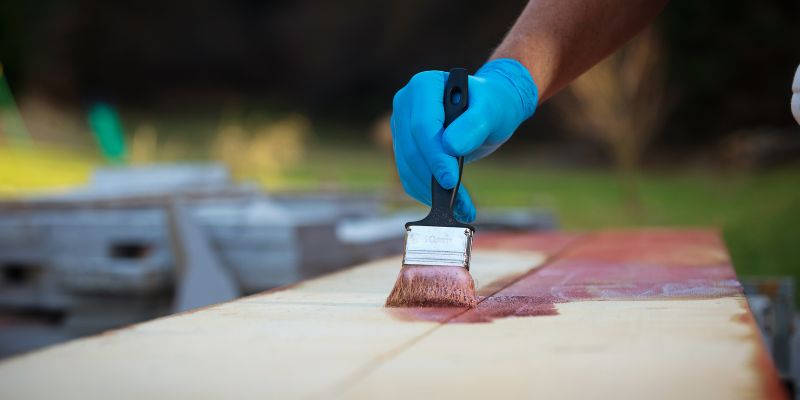
Behr stains can be applied with a brush, roller, or sprayer, but I’ve found a nylon/polyester brush gives the best control for small projects. For larger surfaces like decks, a 3/8-inch nap roller works well, but always back-brush to avoid lap marks. I learned this the hard way when I rolled a deck without back-brushing, and the lines were visible for months.
Apply the stain in thin, even coats, and don’t overdo it—too much stain can lead to peeling or cracking. For solid stains, a second coat might be needed for full coverage, but wait 1-2 hours between coats. Semi-transparent and transparent stains usually need just one coat, but always check the label. I like to stir the stain occasionally to keep the color consistent, especially with custom-tinted shades.
Weather Considerations
Timing is everything. Apply the stain when temperatures are between 40-90°F, and avoid rainy days. I once stained a deck when rain was forecast the next day, and the finish didn’t cure properly. The wood needs to be dry, and you should have at least 24 hours of clear weather for the best results.
Pros and Cons of Behr Outdoor Wood Stains
Like any product, Behr stains have their strengths and weaknesses. Here’s what I’ve found after using them on multiple projects.
Pros
- Wide Color Range: With over 1,600 colors for solid stains and 60 for semi-transparent, you’re spoiled for choice.
- Durability: The 100% acrylic formula resists UV rays, water, and wear, making it ideal for outdoor use.
- Ease of Application: Whether you’re a beginner or a pro, the stains are user-friendly with brushes, rollers, or sprayers.
- Versatility: Works on wood, stucco, brick, and even concrete, so you can use it for various projects.
Cons
- Opacity Issues: Some semi-transparent stains can look more like semi-solid, masking the grain more than expected.
- Peeling Risk: If not applied correctly or on poorly prepared surfaces, solid stains can peel over time.
- Coverage Variability: Behr claims 200-400 sq. ft. per gallon for solid stains, but I’ve found it closer to 150 sq. ft. in some cases.
Maintaining Your Stained Wood Surfaces
Once your project is stained, maintenance is key to keeping it looking great. I check my deck and fence every spring for signs of wear, like fading or peeling. For solid stains, a light cleaning with a wood cleaner and a touch-up coat every few years can extend the life. Semi-transparent and transparent finishes might need reapplication sooner, especially on high-traffic decks.
Always clean the surface before reapplying stain, and sand lightly if there’s peeling. I’ve found that Behr’s stains hold up well with proper care, but neglecting maintenance can lead to costly repairs. For example, my neighbor ignored their deck for five years, and the stain peeled so badly they had to strip it completely.
My Personal Experience with Behr Stains
I’ve been using Behr stains for years, and they’ve never let me down. My favorite project was a cedar deck I stained with Cedar Naturaltone semi-transparent stain. The wood’s grain shone through, and the color held up through two harsh winters without fading. Another time, I used Chocolate solid stain on a client’s old fence, and it transformed their backyard into a modern oasis.
That said, I’ve had challenges. Once, I applied a semi-transparent stain too heavily, and it looked more like paint. Testing on a scrap piece saved me from a bigger mistake. I’ve also learned to double-check the weather and prep thoroughly—shortcuts never pay off.
Conclusion
Exploring Behr outdoor wood stain colors has been a journey of discovery for me, and I hope this guide helps you find the perfect shade for your project. Whether you’re refreshing a tired deck, staining a new fence, or adding flair to patio furniture, Behr’s range of solid, semi-transparent, and transparent stains offers something for everyone. From the warm glow of Cedar Naturaltone to the bold statement of Russet, these stains combine beauty, durability, and ease of use. By choosing the right finish, prepping carefully, and applying with care, you can create outdoor spaces that look stunning and stand the test of time. So, grab a can, pick your color, and let’s make some woodworking magic happen!
FAQs
What’s the difference between Behr solid, semi-transparent, and transparent stains?
Solid stains are opaque, hiding imperfections while showing texture, and last up to 10 years on decks and 25 years on fences. Semi-transparent stains let the wood grain show with a tint, offering 6 years on decks and 8 years on fences. Transparent finishes are clear, preserving the wood’s natural look, and last 4 years on decks and 6 years on fences.
How do I choose the best Behr stain color for my deck?
Consider your wood type, project condition, and home’s exterior colors. Test the stain on a small piece to see how it looks in your lighting. Solid stains work best for older wood, while semi-transparent or transparent finishes suit newer wood where you want the grain to shine.
Can I apply Behr stains over existing stain?
Yes, but you need to prep properly. Clean the surface with a wood cleaner like Behr No. 63, and sand lightly to remove loose stain. For solid stains, ensure the old stain is well-weathered or stripped if it’s peeling. Always check the label for recoat instructions.
How long does Behr outdoor wood stain take to dry?
Dry time depends on the stain type and weather. Most Behr stains are dry to the touch in 1-2 hours, but you should wait 24 hours before heavy use. High humidity or low temperatures can extend drying time, so check the forecast.
Do I need a primer before using Behr outdoor wood stains?
Most woods don’t need a primer, but for “bleeding” woods like cedar or redwood, use a primer like Behr Premium Plus No. 436 to prevent discoloration. Always read the label for specific instructions.
How often should I reapply Behr outdoor wood stain?
Solid stains may need touch-ups every 5-10 years, depending on wear. Semi-transparent stains typically need reapplication every 4-6 years, and transparent finishes every 3-4 years. Regular cleaning and maintenance can extend these timelines.