Berkeley Polypore Vs Black Staining: Key Differences Revealed
Are you curious about the difference between Berkeley Polypore and Black Staining fungi? If you’ve ever come across these terms and felt confused, you’re not alone.
Knowing how to tell them apart can save you time and help you understand the natural world around you better. You’ll discover clear, simple ways to identify each fungus and learn why this knowledge matters. Keep reading to become confident in spotting Berkeley Polypore versus Black Staining with ease.
Appearance And Color
The appearance and color of Berkeley Polypore and Black Staining mushrooms help tell them apart. These features are important for identifying each type in nature. Both fungi show unique traits that affect their look and feel.
Cap Texture And Shape
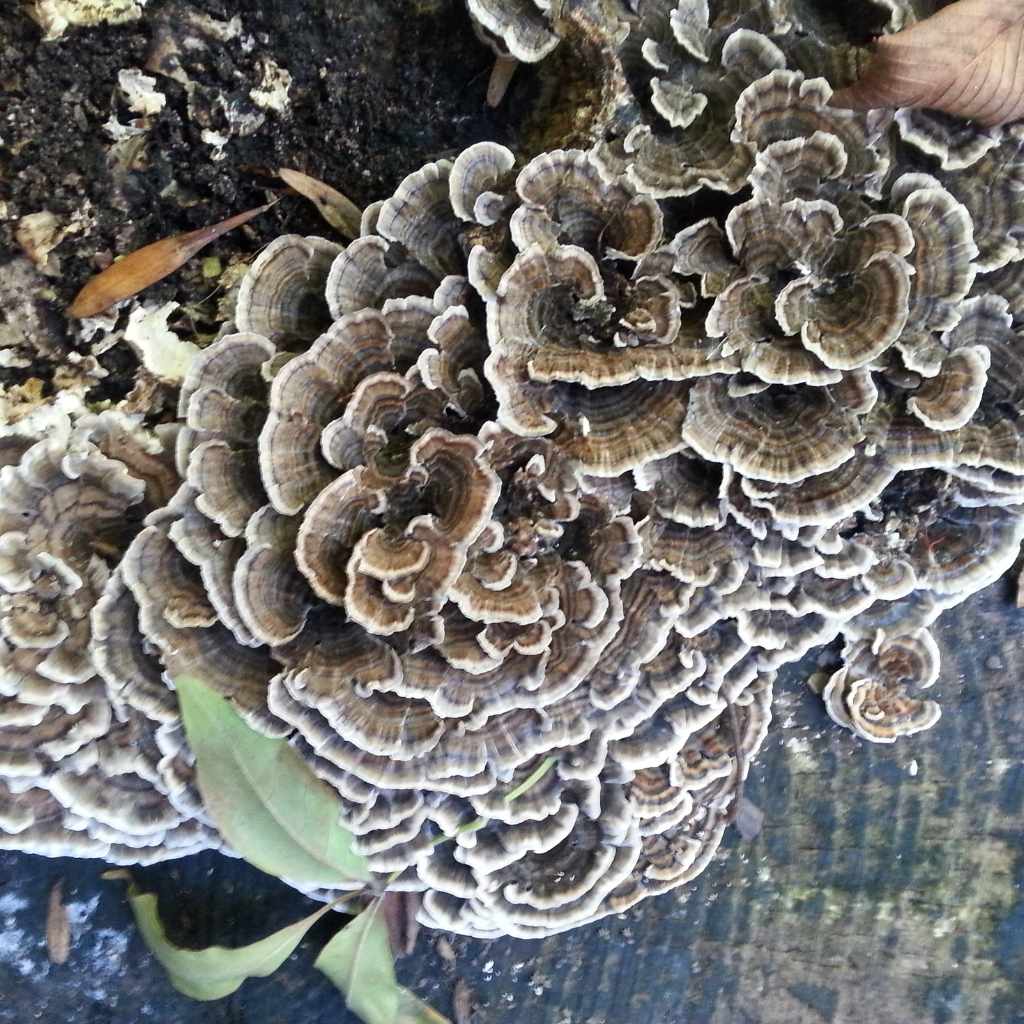
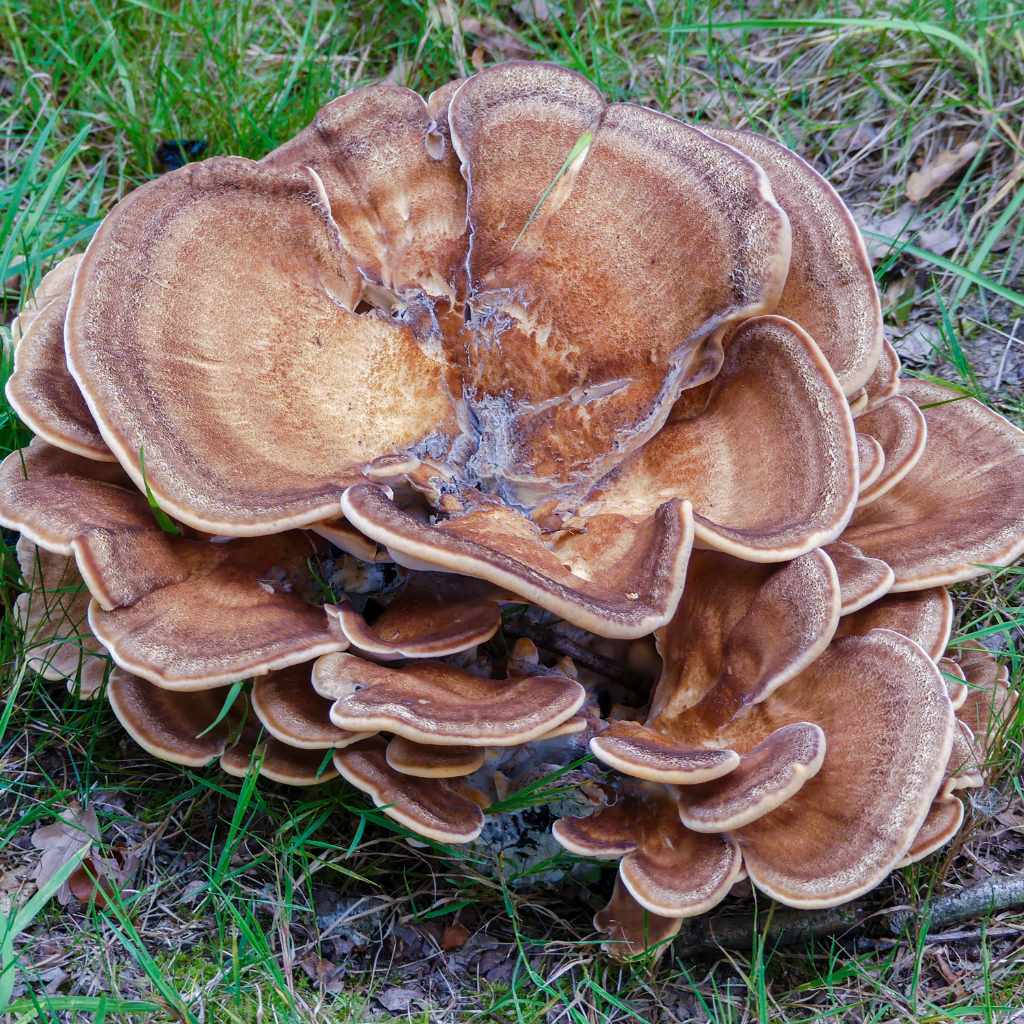
Berkeley Polypore has a rough, scaly cap. It often looks dry and cracked. The shape is usually round and flat on top. Black Staining mushrooms have a smoother cap. Their shape is more irregular and can be wavy or lobed. This difference helps spot each species quickly.
Color Variations
Berkeley Polypore ranges from light brown to dark brown. The colors can change with age or weather. Black Staining mushrooms often start pale yellow or cream. Over time, they darken to brown or black shades. These color changes make identification easier.
Staining Characteristics
Berkeley Polypore does not change color when cut or damaged. It keeps its original color for a long time. Black Staining mushrooms turn dark quickly when bruised or sliced. The staining is usually black or dark blue. This feature is a key sign of Black Staining fungi.
Habitat And Growth
Understanding where Berkeley Polypore and Black Staining fungi grow helps identify them. Their habitat and growth reveal key differences. Both fungi thrive on trees but prefer different environments and hosts. Growth habits also vary, making it easier to tell them apart.
Preferred Tree Hosts
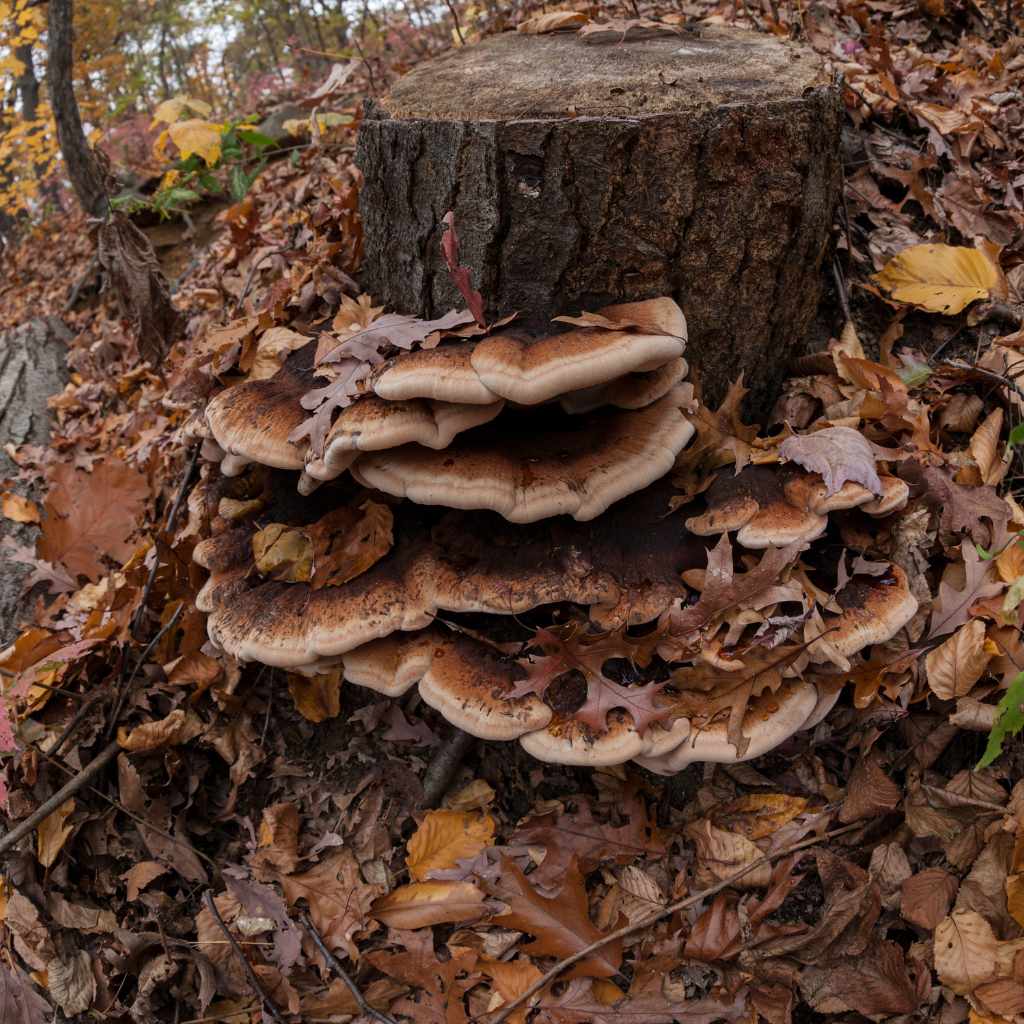
Berkeley Polypore mainly grows on hardwood trees like oak and maple. It favors dead or dying wood. Black Staining prefers conifer trees such as pine and fir. It often grows on fallen logs or stumps. Host choice helps distinguish these fungi in forests.
Geographical Distribution
Berkeley Polypore is common in eastern and central North America. It appears mostly in temperate forests. Black Staining has a wider range across North America and parts of Europe. It thrives in both temperate and boreal zones. Their distribution overlaps but differs by climate and forest type.
Growth Patterns
Berkeley Polypore grows in shelf-like clusters on tree trunks. Its fruiting bodies are thick and woody. Growth tends to be slow and steady. Black Staining forms crust-like patches on wood surfaces. It spreads quickly, causing dark stains in the wood. These growth habits make each fungus unique in appearance.
Spore And Microscopic Features
Understanding the spore and microscopic features is key to telling Berkeley Polypore and Black Staining apart. These tiny details reveal much about their identity. Spores and other microscopic parts help experts confirm which fungus they have. This section breaks down these features simply.
Spore Size And Shape
Berkeley Polypore spores are usually oval and smooth. They measure around 5 to 7 microns in length. Black Staining spores tend to be slightly larger. Their shape is more elongated or cylindrical. These differences help scientists and mushroom hunters tell them apart under a microscope.
Microscopic Structures
Both fungi have unique microscopic structures besides spores. Berkeley Polypore has thick-walled cystidia, which are hair-like cells. Black Staining shows thinner cystidia with a different texture. The hyphae, or thread-like parts, also vary. Berkeley Polypore’s hyphae are more branched and robust. Black Staining’s hyphae appear simpler and less branched.
Identification Techniques
Microscopic examination is the best way to identify these fungi. Experts prepare slides with spores and tissues. They use light microscopes to study size, shape, and structure. Staining techniques highlight specific cell parts. This makes features stand out clearly. These methods confirm the fungus type beyond doubt.
Ecological Roles
Berkeley Polypore and Black Staining fungi play important roles in nature. They help keep forests healthy and balanced. Both fungi break down dead wood and recycle nutrients back into the soil. Their activities support many living things in the forest.
Decomposition Process
Berkeley Polypore breaks down tough wood fibers. It helps turn dead trees into soft, rich soil. Black Staining also breaks wood but in a different way. It causes dark stains in the wood as it decomposes. Both fungi speed up the decay of fallen trees. This process cleans the forest floor and feeds plants.
Impact On Forest Health
These fungi remove dead wood that can spread disease. They stop old wood from piling up and causing fires. Their decay process releases nutrients that trees need to grow. Healthy forests rely on fungi to recycle nutrients. Without them, the forest ecosystem would struggle.
Symbiotic Relationships
Berkeley Polypore and Black Staining fungi interact with other forest life. They provide food for insects and small animals. Some fungi form partnerships with tree roots to share nutrients. These relationships help trees grow stronger. Fungi support a diverse and balanced forest community.
Edibility And Uses
Berkeley Polypore and Black Staining fungi differ greatly in how people use them. Their edibility and benefits vary. Knowing these differences helps with safe foraging and use.
Both fungi have unique traits that affect their culinary and medicinal value. Careful identification is key before consumption or use.
Culinary Value
Berkeley Polypore has a tough texture, making it less popular in cooking. It is mostly used dried or powdered in small amounts. Black Staining is usually not eaten because it turns dark and tastes bitter.
Neither fungus is a common food source. Most people avoid them in recipes. They are better known for other uses.
Medicinal Properties
Berkeley Polypore is studied for possible health benefits. Some believe it can support the immune system. Black Staining has been researched less but may have antimicrobial effects.
Traditional medicine sometimes uses Berkeley Polypore extracts. More research is needed to confirm these effects. Do not rely solely on these fungi for health treatment.
Cautions And Toxicity
Black Staining can cause stomach upset if eaten. It is often mistaken for edible mushrooms, which poses risk. Berkeley Polypore is generally safe but should be used with caution.
Always avoid wild fungi unless identified by experts. Some lookalikes can be toxic or harmful. Proper knowledge protects against poisoning and bad reactions.
Common Misidentifications
Berkeley Polypore and Black Staining fungi often get mixed up. They look alike in many ways. This causes confusion for beginners and even some experts. Knowing their differences is important. It helps avoid mistakes in identification.
Similar Species
Both fungi have dark caps and grow on wood. Their colors can seem the same at first. Some other polypores also share similar shapes and textures. This adds to the mix-up. Many people confuse Berkeley Polypore with Black Staining because of their close appearances.
Key Identification Tips
Berkeley Polypore usually has a lighter underside. Black Staining turns blue or black when bruised. Touch the surface gently to check color changes. Smell can help too. Berkeley Polypore has a mild scent. Black Staining might smell sharper. Look at the size and shape carefully. These small clues help tell them apart.
Avoiding Confusion
Always check for color changes after handling. Use a magnifying glass to see pores clearly. Note the location and type of wood they grow on. Keep a mushroom guide nearby. Take photos and compare with trusted sources. Practice makes it easier to identify them right. Stay patient and observe closely every detail.
Frequently Asked Questions
What Are The Key Differences Between Berkeley Polypore And Black Staining?
Berkeley Polypore has a lighter color and a rougher texture. Black Staining turns dark quickly when bruised. Both fungi grow on wood but show distinct staining and surface features.
Where Are Berkeley Polypore And Black Staining Commonly Found?
Berkeley Polypore is common on hardwood trees in North America. Black Staining appears mostly on decaying hardwoods, especially in moist forests. Both prefer temperate environments with abundant dead wood.
How Can I Identify Berkeley Polypore From Black Staining?
Look for color changes: Black Staining darkens rapidly when cut. Berkeley Polypore remains pale and rough. Spore print and pore surface also help in identification.
Are Berkeley Polypore And Black Staining Safe To Handle?
Both fungi are non-toxic but not edible. They pose no harm if touched but should not be consumed. Always wash hands after handling wild mushrooms.
Conclusion
Berkeley Polypore and Black Staining look similar but have clear differences. Both grow on wood and affect trees differently. Knowing how to spot each helps protect forests and wood products. Study their colors, shapes, and where they grow closely. This knowledge keeps nature balanced and supports healthy trees.
Keep learning about fungi to better understand the environment. Nature’s details matter, and small facts make a big difference. Stay curious and observe carefully next time you see these fungi.