Best Cedar for Hedge: Top Picks for Lush Privacy Screens
Looking to create a stunning, natural barrier around your garden or yard? Choosing the best cedar for your hedge can make all the difference.
You want a plant that’s not only beautiful but also strong, easy to maintain, and perfect for your space. You’ll discover which cedar varieties stand out and why they might be the perfect fit for your hedge. Keep reading to find out how to transform your outdoor area with the right cedar choice.
Benefits Of Cedar Hedges
Cedar hedges offer many benefits that make them a popular choice for gardens. They provide privacy, beauty, and last a long time. These hedges also bring natural scents and resist pests well. Planting cedar is a smart way to improve your outdoor space.
Natural Privacy Barrier
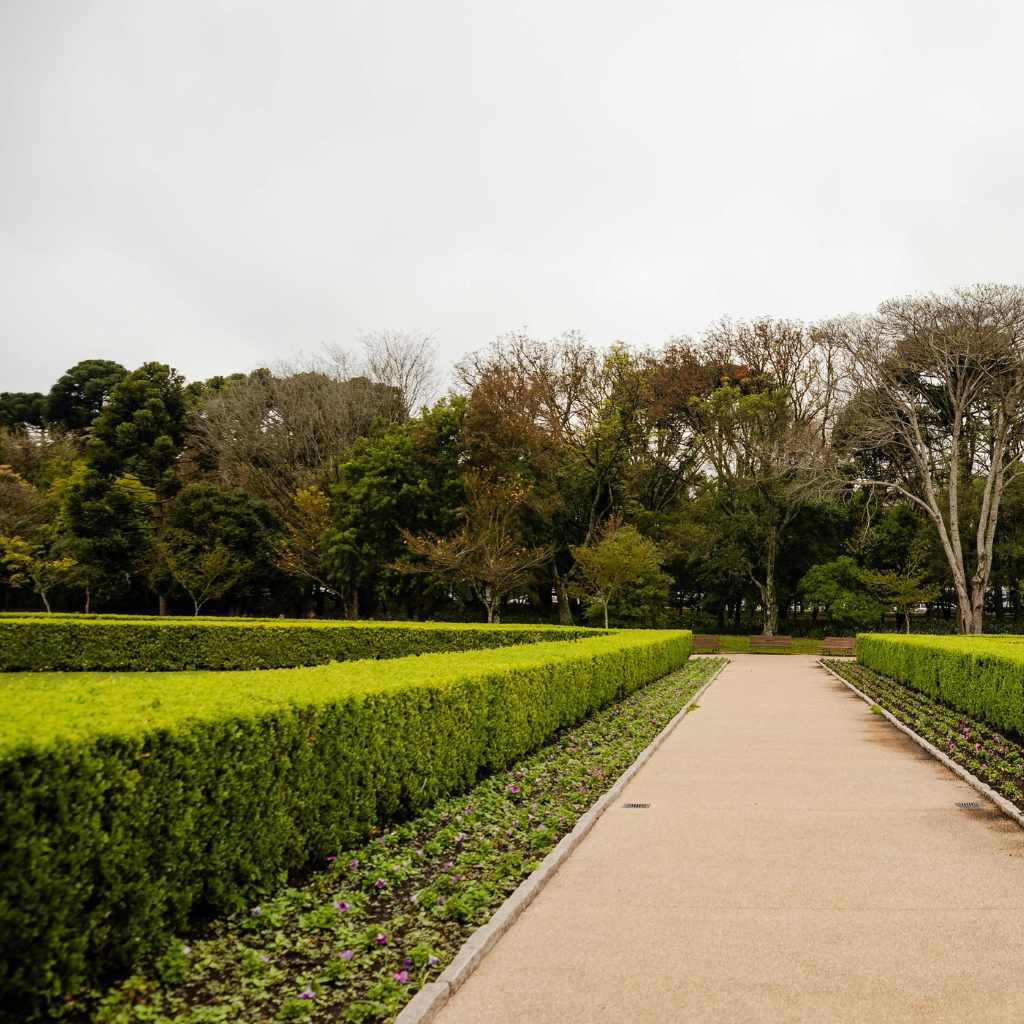
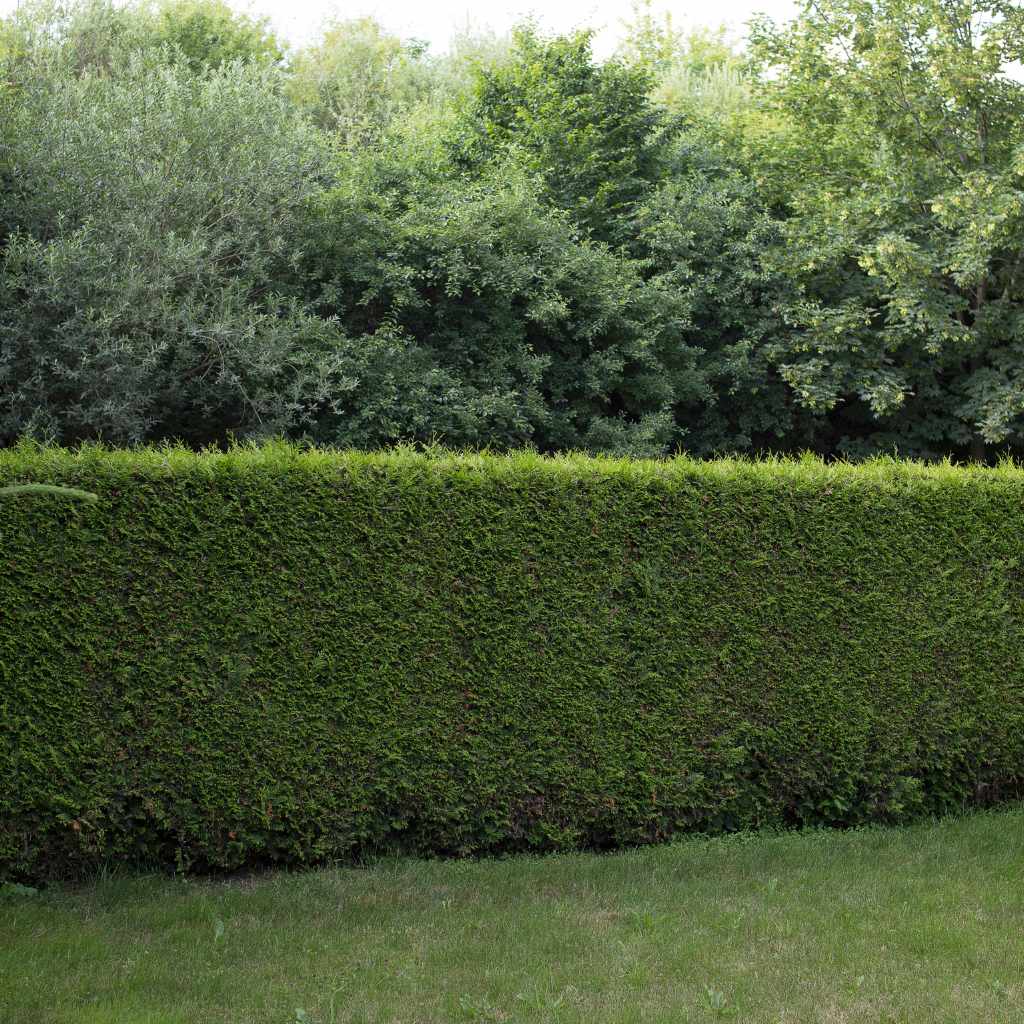
Cedar hedges grow thick and tall, blocking unwanted views. They create a quiet, private space in your yard. This natural barrier works better than fences for many homes. It also adds a green, living wall that looks great year-round.
Aromatic Qualities
Cedar leaves release a fresh, woody scent that fills the air. This smell helps keep insects away without chemicals. Walking near cedar hedges feels calming and refreshing. The natural aroma makes your garden a pleasant place to relax.
Durability And Pest Resistance
Cedar wood is strong and lasts many years without much care. It resists damage from bugs and fungi better than other trees. This means fewer problems for gardeners and less need for sprays. Cedar hedges stay healthy and green with less effort.
Top Cedar Varieties For Hedges
Cedar trees make excellent choices for hedges. They grow dense and tall, offering privacy and beauty. Different cedar types fit various garden needs. Some thrive in cooler climates, others in warmer areas. Let’s explore the top cedar varieties for hedges to help you pick the best one.
Eastern Red Cedar
Eastern Red Cedar is a strong and hardy tree. It grows well in many soil types. This cedar has bright green foliage that stays vibrant year-round. It can reach heights up to 40 feet. The dense branches block wind and noise effectively. This cedar also resists pests and diseases well. It needs full sun to grow best. Its slow to medium growth rate suits formal hedges.
Western Red Cedar
Western Red Cedar is popular for its soft, feathery leaves. It grows quickly, reaching tall heights fast. This cedar prefers moist, well-drained soil. It thrives in mild climates and partial shade. Its rich, reddish-brown bark adds color to any garden. Western Red Cedar hedges create a lush, natural screen. It handles pruning well to keep neat shapes. This cedar is a top pick for large privacy hedges.
Leyland Cypress
Leyland Cypress is a fast-growing cedar hybrid. It can grow up to 3 feet each year. This tree has dark green, needle-like leaves. It adapts well to different soil and climate types. Leyland Cypress forms dense, tall hedges quickly. It needs regular watering and occasional trimming. This cedar is ideal for quick privacy or windbreaks. Its neat appearance suits both formal and informal gardens.
Choosing The Right Cedar For Your Climate
Choosing the right cedar for your climate is key to a healthy hedge. Different cedar types thrive in different weather and soil. Picking the wrong type can lead to poor growth or disease. Learn which cedar suits your region and garden.
Cold Hardy Options
Cedar types like Eastern Red Cedar and White Cedar handle cold well. They survive harsh winters and heavy snow. These cedars keep their green color all year. They work well in northern states and cooler zones.
Warm Climate Choices
Western Red Cedar and Deodar Cedar grow best in warmer places. They tolerate heat and mild winters. These trees need less frost protection. Ideal for southern states or coastal areas with mild winters.
Soil And Sunlight Preferences
Cedars prefer well-drained soil and full sun. Some tolerate partial shade but grow slower. Sandy or loamy soil works best for most cedars. Avoid heavy clay or waterlogged soil. Healthy soil and sunlight help your hedge thrive.
Planting Tips For Healthy Cedar Hedges
Growing a healthy cedar hedge needs good care and the right planting steps. Healthy plants give a thick, green screen and last many years. Follow easy tips on spacing, watering, and pruning to help your hedge thrive.
Spacing And Depth
Plant cedar trees with enough space to grow well. Keep about 3 to 5 feet between each plant. This space lets air flow and stops disease. Plant each cedar at the same depth it grew in its pot. Too deep or too shallow planting can hurt growth.
Watering And Mulching
Water young cedars often to keep soil moist but not soggy. Deep watering helps roots grow strong and deep. After watering, add mulch around the base. Mulch keeps soil cool, holds moisture, and stops weeds from growing. Use wood chips or bark for best results.
Pruning Techniques
Prune cedar hedges to keep their shape and health. Cut back new growth in spring or early summer. Use clean, sharp tools for neat cuts. Avoid cutting old wood that has no green leaves. Regular pruning makes hedges fuller and stops them from getting too tall or wide.
Maintaining Lush Cedar Privacy Screens
Maintaining lush cedar privacy screens requires regular care. Healthy cedars stay green and thick. They block views and soften noise well. Proper care helps them live longer. It also makes your garden look neat and fresh.
Simple steps can keep your cedar hedge strong. Feeding, pest control, and seasonal care are key. These tasks protect your plants from stress. They help your cedar grow dense and full. Follow these tips to enjoy a beautiful screen year-round.
Fertilizing Schedule
Feed your cedar hedge in early spring. Use a balanced fertilizer with slow release. This gives nutrients over time. Avoid over-fertilizing, which can harm roots. A second feeding in mid-summer helps. Stop fertilizing by late summer to prepare for winter.
Pest And Disease Control
Check your cedar regularly for pests. Common ones include spider mites and aphids. Remove pests by spraying water or using insect soap. Watch for signs of disease like browning or spots. Prune affected branches to stop spreading. Healthy air flow reduces disease risk.
Seasonal Care
Water your cedar deeply during dry periods. Mulch around the base to keep moisture in. Trim your hedge in late winter or early spring. Remove dead or weak branches to promote growth. Protect young plants from harsh winter winds. Seasonal care keeps your cedar vibrant and strong.
Common Challenges And Solutions
Growing cedar hedges brings beauty and privacy to any garden. Yet, some challenges can arise during their care. Understanding these issues helps keep your hedge healthy and strong. Simple solutions make maintenance easier and prevent long-term problems.
Dealing With Browning
Browning leaves spoil the look of cedar hedges. It often happens due to dry air or lack of water. Check soil moisture regularly. Water deeply during dry spells. Avoid watering the leaves to prevent fungus. Prune dead branches to help new growth.
Preventing Overgrowth
Cedar hedges can grow quickly and become too tall or wide. Trim the hedge twice a year to keep its shape. Use sharp tools for clean cuts. Trim the sides more than the top to keep sunlight flowing. This promotes healthy, dense growth.
Managing Root Spread
Cedar roots can spread widely and affect nearby plants. Install root barriers to control growth underground. Mulch around the base to keep roots cool and moist. Avoid planting too close to buildings or pipes. Regularly check roots to prevent damage.

Frequently Asked Questions
What Is The Best Cedar Type For Hedges?
Western Red Cedar is the best cedar for hedges. It grows fast, has dense foliage, and resists pests well. This cedar variety is also durable and thrives in various climates, making it ideal for privacy and windbreak hedges.
How Fast Do Cedar Hedges Grow?
Cedar hedges grow moderately fast, about 1 to 2 feet per year. Growth speed depends on soil quality, watering, and sunlight. Proper care speeds up growth, ensuring a thick, healthy hedge for privacy or garden aesthetics.
How Do I Maintain A Cedar Hedge?
Maintain cedar hedges by regular trimming to shape and encourage density. Water during dry spells and apply mulch to retain moisture. Fertilize annually with balanced fertilizer to promote healthy growth and vibrant green color.
Are Cedar Hedges Pest-resistant?
Yes, cedar hedges are naturally pest-resistant. Their oils repel many common garden pests like aphids and spider mites. This resistance reduces the need for chemical treatments and helps maintain a healthy, attractive hedge.
Conclusion
Choosing the right cedar helps create a strong, beautiful hedge. Cedar types like Eastern Red and Western Red offer good growth and durability. These trees resist pests and stay green through seasons. Planting the best cedar improves your garden’s look and privacy.
Regular care keeps your hedge healthy and neat. Enjoy the natural beauty and shade your cedar hedge provides. Your outdoor space gains charm with the right cedar choice. Simple steps make your hedge grow tall and full. A cedar hedge suits many gardens and climates well.