Best Cedar Sealer: Ultimate Protection for Long-Lasting Wood
Are you tired of watching your beautiful cedar wood lose its charm to weather and time? You want to protect your investment and keep your cedar looking fresh and vibrant for years.
Choosing the best cedar sealer is the key to locking in that natural beauty and preventing damage from moisture, sun, and wear. You’ll discover how to pick the perfect sealer that fits your needs and ensures your cedar stays strong and stunning.
Keep reading to find out what makes a cedar sealer truly the best for your wood’s long-lasting protection.
Why Choose Cedar Sealer
Cedar is a popular wood for outdoor projects. Its natural look and smell are very appealing. But cedar can lose its charm fast without protection. That is why using a cedar sealer is important. It keeps the wood safe and looking good for years.
Sealing cedar helps protect it from weather and insects. It also keeps the wood from drying out and cracking. A good cedar sealer makes maintenance easier and saves money in the long run.
Benefits Of Sealing Cedar
Sealing cedar stops water from soaking in. This prevents wood rot and mold growth. The sealer also guards against sun damage, which can fade the wood color. Sealed cedar stays strong and lasts longer. It also keeps its natural beauty and smooth texture. Sealing reduces the chance of warping or splitting. It makes cleaning the wood much simpler. Overall, sealing cedar helps keep your wood healthy and attractive.
Common Issues With Untreated Cedar
Untreated cedar faces many problems. Water can soak into the wood, causing rot and decay. Sun exposure causes the wood to fade and dry out. Cracks and splits often form as the wood loses moisture. Insects and mold can damage the wood surface. Untreated cedar also becomes rough and loses its shine. Over time, untreated wood can weaken and break. These issues shorten the life of cedar wood outside.
Types Of Cedar Sealers
Choosing the right cedar sealer helps protect wood from weather damage. Different types of sealers suit different needs. Understanding these types makes it easier to pick the best one for your project.
Each type has its benefits and drawbacks. Some sealers penetrate deep into the wood. Others create a surface barrier. Knowing this helps you keep cedar looking good longer.
Oil-based Sealers
Oil-based sealers soak into cedar wood deeply. They enhance natural wood grain and color. These sealers protect wood from water and sun damage. They last longer but take more time to dry. Oil-based sealers also need solvents for cleanup.
Water-based Sealers
Water-based sealers dry quickly and have less odor. They are easy to clean with soap and water. These sealers form a protective layer on the wood surface. They keep cedar from cracking and fading. Water-based sealers are safer for the environment.
Hybrid Sealers
Hybrid sealers mix oil and water-based formulas. They combine deep penetration with quick drying. These sealers protect cedar from moisture and UV rays. Hybrid types offer balanced performance for many projects. They clean up easily and last well.
Key Features To Look For
Choosing the right cedar sealer matters for lasting protection. The best sealer keeps cedar wood safe from sun, water, and mold. It also should be easy to apply for a smooth finish. Knowing key features helps you pick the best sealer for your needs.
Uv Protection
Sunlight can fade and weaken cedar wood over time. A good sealer blocks harmful UV rays. This protection keeps wood color rich and prevents cracking. UV protection helps your cedar look new longer.
Water Repellency
Water can cause wood to swell and rot. A quality sealer forms a strong barrier against moisture. It stops water from soaking into the wood. Water repellency prevents damage and extends wood life.
Mold And Mildew Resistance
Cedar wood often faces mold and mildew growth in damp areas. Sealers with mold resistance stop these fungi from growing. This feature keeps wood clean and healthy. It also reduces the need for frequent cleaning.
Ease Of Application
Applying sealer should be simple and quick. Look for sealers with smooth texture and good coverage. Easy application saves time and avoids uneven spots. It helps you finish your project with less effort.

Top Cedar Sealer Brands
Choosing the best cedar sealer means picking a trusted brand. Good brands protect wood from water, sun, and dirt. They keep cedar looking fresh and strong for years. Many brands offer different features, such as easy application or long-lasting finish. Knowing the top brands helps find the best fit for your project.
Popular Products Compared
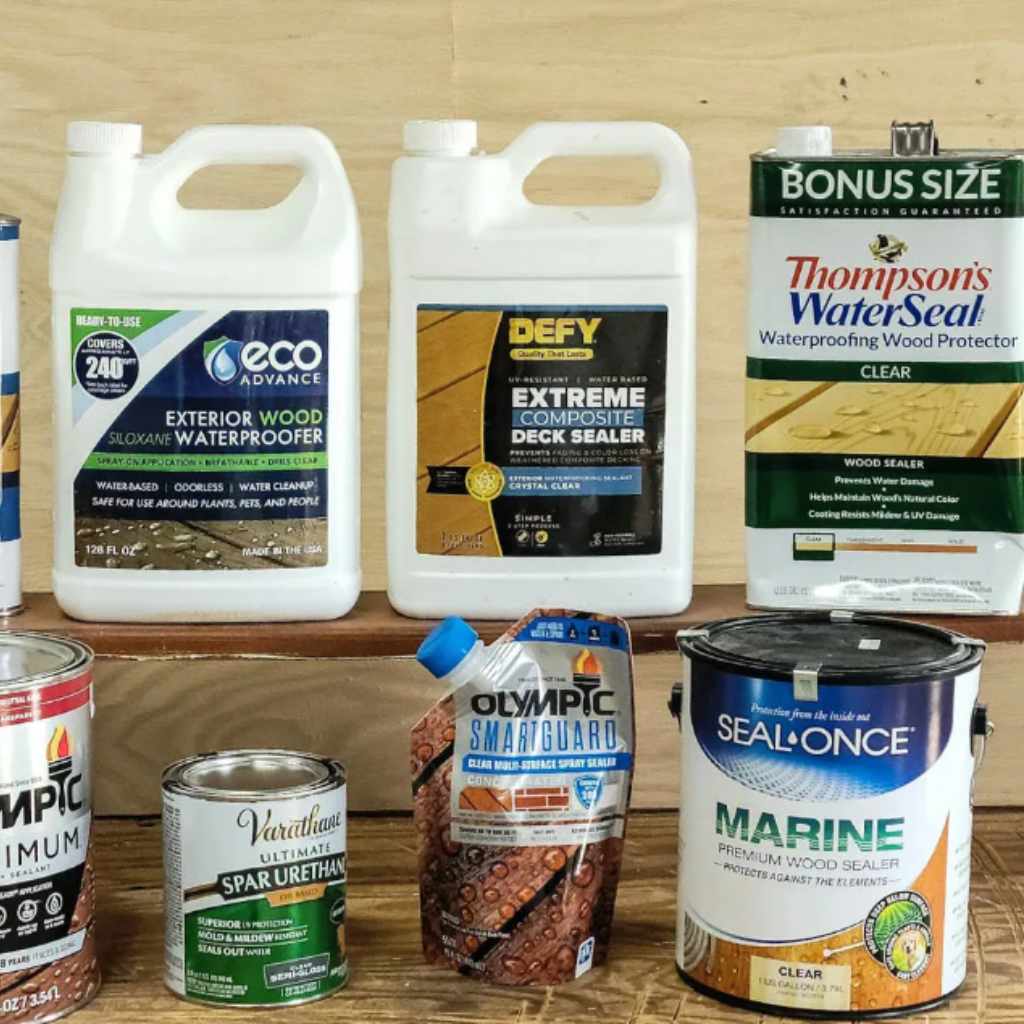
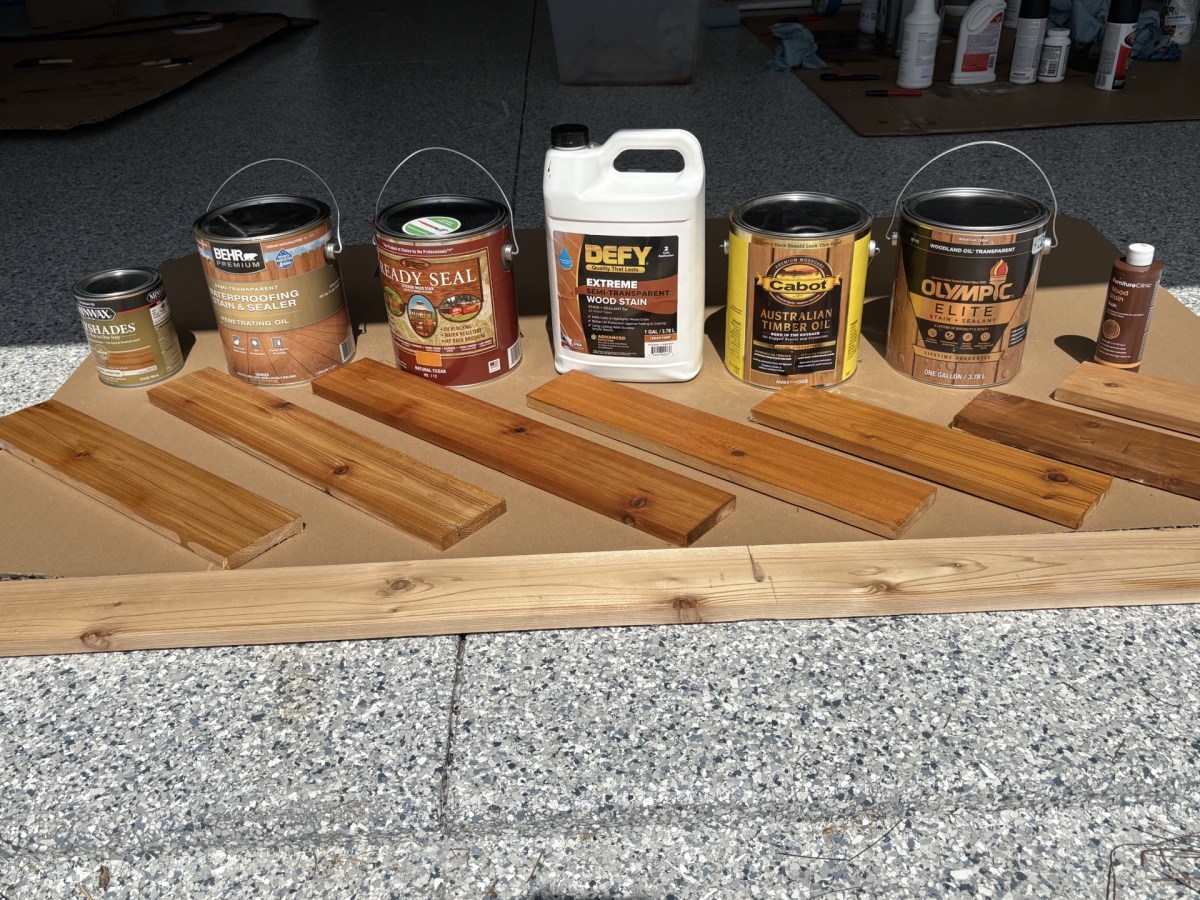
Several cedar sealer products stand out in the market. Ready Seal is easy to apply and dries fast. Olympic Waterguard offers strong water protection and UV defense. Thompson’s WaterSeal is known for deep wood penetration and mildew resistance. Each product suits different needs. Some work best for decks, others for fences or siding.
Customer Ratings And Reviews
Customers praise Ready Seal for its no-mess application and natural finish. Olympic Waterguard earns high marks for lasting protection against rain and sun. Thompson’s WaterSeal gets positive feedback for keeping wood smooth and clean. Negative reviews mention some sealers needing reapplication more often. Reading reviews helps understand real user experiences.
Preparing Cedar For Sealing
Preparing cedar for sealing is a crucial step in protecting the wood and enhancing its natural beauty. Proper preparation helps the sealer stick better and last longer. It also prevents damage from moisture and sun exposure.
Start by making sure the cedar surface is clean and free of dirt or old finishes. Then, allow the wood to dry completely. Dry wood absorbs the sealer more evenly. Finally, sanding smooths the surface and opens wood pores for better sealer penetration.
Cleaning The Wood Surface
Remove dust, dirt, and mildew from the cedar surface. Use a soft brush or cloth for gentle cleaning. For tough stains, a mild detergent mixed with water works well. Rinse the wood with clean water and let it dry fully before sealing.
Drying And Sanding Tips
Let cedar dry for at least 24 to 48 hours after cleaning. Avoid sealing wet or damp wood. Use medium-grit sandpaper to smooth rough areas. Sand along the wood grain to avoid scratches. Wipe off sanding dust with a clean cloth before applying sealer.
Application Techniques
Applying cedar sealer correctly is key to protecting your wood. Proper techniques help the sealer soak in well. This keeps the cedar looking fresh and lasting longer. Below are simple steps and tips for best results.
Tools And Equipment Needed
- Paintbrush or foam brush
- Spray gun (optional for large areas)
- Clean cloths or rags
- Sandpaper (120-150 grit)
- Protective gloves
- Drop cloth to protect surfaces
Step-by-step Sealing Process
- Start by sanding the cedar surface gently.
- Remove all dust with a clean cloth.
- Stir the cedar sealer well before use.
- Apply the sealer evenly with a brush or sprayer.
- Work along the grain for better absorption.
- Let the first coat dry completely (check product instructions).
- Apply a second coat if needed for extra protection.
- Allow the final coat to dry fully before use.
Common Mistakes To Avoid
- Applying sealer on wet or damp wood.
- Skipping surface sanding and cleaning.
- Using too much sealer in one coat.
- Not following drying time between coats.
- Ignoring weather conditions during application.
- Failing to protect nearby surfaces from drips.
Maintenance And Reapplication
Maintaining your cedar sealer is key to keeping cedar wood beautiful and protected. Over time, the sealer wears off due to weather and sun exposure. Regular care helps prevent damage and extends the wood’s life. Knowing when to reapply the sealer ensures the cedar stays in great shape.
When To Reapply Cedar Sealer
Reapply cedar sealer every 1 to 3 years. The exact time depends on climate and wood exposure. Check the sealer yearly to see if it needs refreshing. Areas with heavy sun or rain may require more frequent sealing. Don’t wait too long to reapply. Early treatment keeps the wood strong.
Signs Your Cedar Needs Resealing
Look for fading or dullness in the wood color. Peeling or cracking of the sealer shows it is failing. Water no longer beads on the surface. The wood may feel dry or rough to touch. Dark spots or mildew can appear without protection. Spotting these signs means it’s time to reseal.
Cost And Value Considerations
Choosing the best cedar sealer involves more than just picking the cheapest option. Cost and value play a big role in the decision. Understanding how price affects quality and long-term results helps make a smart choice. Spending a bit more upfront can save money later. Let’s explore key points about cost and value for cedar sealers.
Budget Vs. Quality
Cheap sealers may seem like a good deal at first. They often need more coats or reapplication soon after. This means more time and money spent later. Higher-quality sealers cost more but protect better. They last longer and need fewer touch-ups. Investing in a quality sealer is wise for cedar care.
Long-term Savings
Good cedar sealers save money over time. They prevent damage from water and sun. This reduces repairs or replacing wood. A durable sealer keeps cedar looking fresh for years. Spending more now avoids big costs later. Think of sealer cost as an investment in wood’s life.
Frequently Asked Questions
What Is The Best Cedar Sealer For Outdoor Use?
The best cedar sealer for outdoor use is water-repellent and UV resistant. It protects against moisture and sun damage, preserving cedar’s natural look. Look for sealers with mildewcide and long-lasting durability for optimal outdoor protection.
How Often Should Cedar Be Resealed?
Cedar should be resealed every 2 to 3 years. Frequency depends on exposure to weather and sun. Regular resealing maintains protection, prevents cracking, and keeps cedar looking fresh and vibrant over time.
Can Cedar Sealers Prevent Wood Rot?
Yes, cedar sealers prevent wood rot by repelling water and moisture. They create a protective barrier that limits fungal growth, preserving the wood’s integrity and extending its lifespan effectively.
Are Oil-based Or Water-based Cedar Sealers Better?
Oil-based sealers penetrate deeper and offer longer protection. Water-based sealers dry faster and have less odor. Choose based on your project needs; both types effectively protect cedar when applied correctly.
Conclusion
Choosing the best cedar sealer protects your wood from weather damage. A good sealer keeps cedar looking fresh and natural for years. Apply it properly for long-lasting results and easy maintenance. Remember to check for water resistance and UV protection.
This helps prevent cracking, warping, and fading. Sealers also bring out the beautiful grain of cedar wood. Regular care extends the life and beauty of your cedar surfaces. Protect your investment with the right cedar sealer today. Simple steps lead to strong, lasting wood protection.