Can You Use a Paint Sprayer for Water Sealer? (Tip Size & PSI Guide)
A paint sprayer applies water sealer just as well as a brush, provided the tip size matches the sealer’s thickness: 0.011 to 0.015 inches for most water-based formulas, unless the label says otherwise. The wrong tip clogs mid-job or lays down a blotchy, streaked coat that some manufacturers won’t warranty. This guide covers picking the right sprayer type, dialing in tip size and PSI, and the dilution ratio that keeps a finish streak-free.
Benefits of Spraying Water Sealer Instead of Brushing
Best Water Sealer Sprayer Pick
Wagner Spraytech Control Spray QX2 HVLP Handheld Sprayer
A handheld HVLP gun with adjustable spray patterns, built for staining and sealing decks, fences, and lattice without heavy overspray.
- Best for: medium decks, fences, and railings where overspray control matters
- Why we picked it: adjustable pattern width matches the 1.0-1.3mm range water sealers need
- Main drawback: smaller tank means more refill stops on very large decks
Compare more sprayer options for water sealer
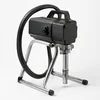 Option 1 Graco Magnum X5 Stand Airless Paint Sprayer
|
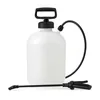 Option 2 Chapin 2-Gallon Garden Pump Sprayer
|
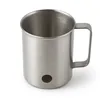 Option 3 Ford-Style Viscosity Measuring Cup
|
As an Amazon Associate we earn from qualifying purchases.
A sprayer covers open deck and fence boards roughly three to four times faster than a brush, because it lays down an even mist in one pass instead of working sealer into the wood stroke by stroke. It also eliminates brush marks and roller lap lines — avoiding the streaks a brush can leave since atomized sealer settles into the grain uniformly rather than in directional strokes.
The tradeoff is overspray control. A sprayer throws fine mist further than a brush, so nearby siding, plants, or parked vehicles need covering before you start, and windy days will waste product and coat things you didn’t intend to seal.
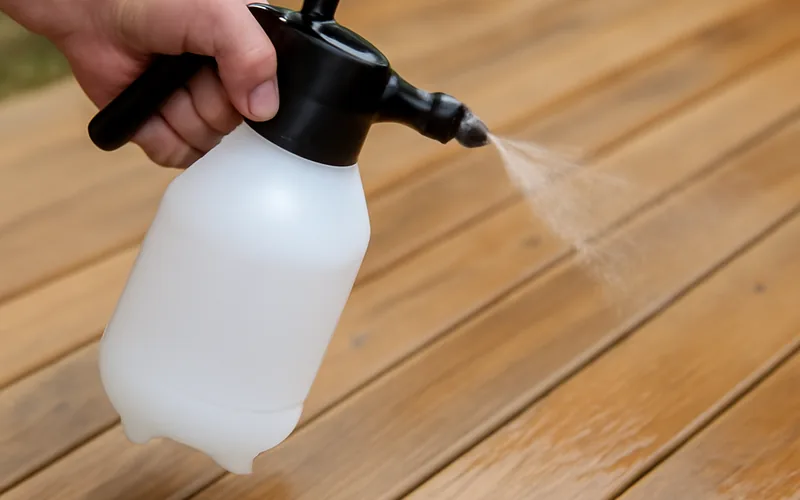
Choosing the Right Sprayer for Water Sealer
Airless, HVLP, or Garden Pump Sprayer?
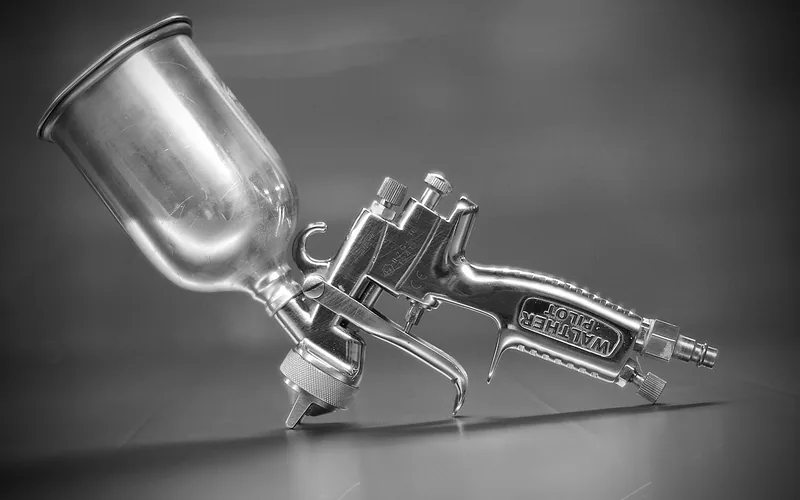
Airless sprayers push sealer through the tip at 1,500 to 3,000 PSI, atomizing it without added air — the best choice for large decks and fences since they cover the most square footage per hour. HVLP (High Volume Low Pressure) sprayers run at much lower pressure, as little as 10 PSI at the gun, and produce far less overspray, trading some speed for control on railings, furniture, or anything near a house wall. Garden pump sprayers are the cheapest option and handle thin water-based sealers fine, but their fixed nozzle gives less control over pattern width than a dedicated spray gun.
What Tip Size and PSI Do You Need for Water Sealer?
Water-based sealers are thin enough for a 0.011 to 0.015 inch tip on an airless sprayer, or a 1.0 to 1.3mm nozzle on an HVLP gun — the same range used for stains and thin polyurethanes. Set an airless unit’s pressure low and increase gradually until the spray pattern stops “tailing” (uneven, feathered edges); most water-based sealers atomize cleanly between 1,500 and 2,200 PSI. Oil-based and higher-solids sealers need a larger 0.015 to 0.019 inch tip, or they will clog a fine orifice built for thinner liquids.
Sprayer type comparison for water sealer
| Sprayer Type | Tip / Nozzle | Pressure | Best For |
|---|---|---|---|
| Airless | 0.011–0.015 in tip | 1,500–3,000 PSI | Large decks, fences, fastest coverage |
| HVLP | 1.0–1.3mm nozzle | As low as 10 PSI at gun | Railings, furniture, low overspray |
| Garden pump | Fixed fan nozzle | Manual hand-pump pressure | Budget jobs, thin water-based sealer only |
Compatibility With Water Sealer
Not every sprayer handles every sealer. Check two things before buying: whether the sealer is water- or oil-based, since some pump sprayer seals degrade with solvents over repeated use — we compare exactly which wood preservative sprayers ship with oil-resistant Viton seals versus standard seals, and its viscosity rating if the technical data sheet lists one. A sprayer rated only for “thin liquids” will clog on a heavier semi-transparent stain-sealer combo product.
Preparing the Surface and Sealer Before Spraying
Start by cleaning the surface with a stiff brush to remove dust and loose debris, then let the wood dry fully — spraying sealer over damp wood traps moisture under the coating instead of sealing it out. Fill any cracks or holes so the sprayer doesn’t pool sealer into gaps.
How Much Should You Thin Water Sealer Before Spraying?
Check the sealer’s label first — many spray-ready water-based formulas need no thinning at all. If the label allows dilution, start with a 10% water addition, about 12 oz per gallon, and test the flow through a viscosity cup if you have one: a properly thinned water sealer should drain from a #4 cup in roughly 20 to 25 seconds. Add water in small amounts and retest rather than guessing, since over-thinning weakens the sealer’s water resistance once it’s dry.
Wear safety goggles and a mask when mixing and spraying, especially in an enclosed area, and keep children and pets away from fresh overspray until it dries.
Applying Water Sealer With a Paint Sprayer
- Test the pattern: Spray a scrap board or cardboard first to confirm even atomization and no tailing before touching the real surface.
- Hold a steady 12-inch distance: Keep the tip about 12 inches from the wood and move at a constant pace — stopping mid-stroke causes pooling.
- Overlap each pass by 50%: This is the number that prevents the faint stripe pattern visible in dried, non-overlapped spray coats.
- Apply thin coats, not one heavy coat: Two thin passes dry more evenly than one thick pass and use less product overall.
- Back-brush high-traffic spots: A quick pass with a brush over stair treads or railings pushes sealer into the grain where spray alone leaves a surface film.
📊 A sprayer typically uses 10-15% more sealer per square foot than a brush, because atomized overspray drifts past the target surface — budget an extra can on a large deck. Source: General Finishes spray application technical guidance.
Which Wood Sealers Should Never Go Through a Paint Sprayer?
High-solids sealers, thick spar varnishes, and heavily pigmented oil-based deck coatings are usually too viscous for a spray gun’s fine orifice without professional-grade equipment. Forcing a thick product through a small tip either clogs the sprayer mid-job or sprays in unpredictable globs instead of a fine mist. If a product’s technical data sheet doesn’t list a spray viscosity range or recommended tip size, that’s a sign to apply it with a brush or roller instead. For help picking the right sealer type before you even reach for a sprayer, browse our full wood sealer guides hub.
Maintenance and Cleaning After Spraying Sealer
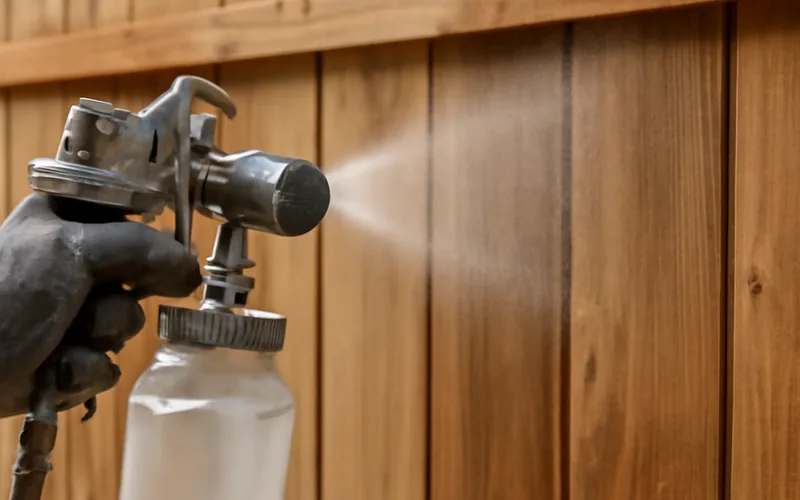
Clean the sprayer immediately after each use — water-based sealer that dries inside a nozzle or hose is far harder to remove than sealer that’s still wet. Run warm water through the system until it comes out clear, then check the tip and filter screen for any residue and scrub gently with a soft brush.
Store the sprayer somewhere dry and out of direct sunlight, with all parts fully dried before they go back in the case — trapped moisture in a metal tip or spring is a common cause of rust and stuck valves on the next job.
Expert Notes on Water-Based vs. Oil-Based Sealer
Water-based sealers clean up with soap and water and dry faster between coats, which matters most when you’re spraying and need to keep moving before the next section flashes off. Oil-based sealers generally penetrate deeper and hold up longer between recoats, but they need mineral spirits for cleanup and a larger tip if sprayed.
“In my shop, thinning water-based sealer even 10% before it goes through an HVLP gun is the difference between a smooth first coat and a blotchy one that needs an immediate second pass to fix — skipping that test-spray step is the single most common mistake I see beginners make with a sprayer.”
Frequently Asked Questions
Can I Use a Sprayer to Apply Thompson’s Water Seal?
Yes. Thompson’s Water Seal is thin enough for a garden pump sprayer, HVLP gun, or airless unit set to a fine tip. Clean the sprayer immediately after use with warm water since the formula can gum up a nozzle left to dry. For a full step-by-step walkthrough of thinning ratios and nozzle settings specific to this product, see our dedicated guide to applying Thompson’s Water Seal with a sprayer.
Can You Put Water Sealer in a Garden Pump Sprayer?
Yes, as long as the sealer is water-based and thin enough to pass through the sprayer’s fixed nozzle. Run clean water through the sprayer first to check for leaks, then pour the sealer in slowly to avoid clogging the filter screen. Thicker semi-transparent stain-sealer combos may need thinning first or they’ll clog a garden sprayer’s narrow nozzle faster than a real spray gun.
What Tip Size Should I Use for Water Sealer?
Use a 0.011 to 0.015 inch tip on an airless sprayer, or a 1.0 to 1.3mm nozzle on an HVLP gun, for most water-based sealers. That’s the same range recommended for thin stains and clear polyurethanes. A larger 0.015 to 0.019 inch tip is better for oil-based or higher-solids sealers, since a smaller orifice will clog on the thicker material.
How Much Should You Thin Water Sealer Before Spraying?
Check the label first — many spray-ready water sealers need no thinning at all. If dilution is allowed, start with 10% water (about 12 oz per gallon) and test the flow through a viscosity cup if you have one: a properly thinned water sealer should drain from a #4 cup in about 20 to 25 seconds. Add water in small amounts and retest, since over-thinning weakens water resistance.
Which Wood Sealers Should Never Go Through a Paint Sprayer?
High-solids sealers, thick spar varnishes, and heavily pigmented oil-based deck coatings are usually too viscous for a spray gun’s fine orifice without professional-grade equipment. If a product’s technical data sheet doesn’t list a spray viscosity range or spray tip recommendation, that’s a sign to apply it with a brush or roller instead.
Conclusion
A paint sprayer applies water sealer effectively once you match the tip size and pressure to the sealer’s thickness — a 0.011 to 0.015 inch tip or 1.0 to 1.3mm HVLP nozzle covers most water-based products. Test the pattern on scrap wood first, overlap each pass by 50%, and clean the sprayer immediately after use to avoid clogs on the next job. If a sealer’s data sheet doesn’t list a spray viscosity range, renting the right sprayer for the job beats forcing a thick product through the wrong tip.
Sponsored / affiliate links. As an Amazon Associate I earn from qualifying purchases. I may earn additional commission from eligible campaigns.