Best Small Wood Stove For A Cabin That Heats Efficiently
Thinking about getting a small wood stove for your cabin? It’s a smart move! Many people dream of a cozy cabin getaway.
The crackling fire and warm glow are hard to beat. But picking the right stove can feel like a puzzle. You want it to heat well without using too much wood.
And it needs to be safe and easy to use. I get it. It’s frustrating when you just want to enjoy your space but the heating is a hassle.
This guide will help you find the perfect small wood stove. We’ll look at what makes them great for cabins. You’ll learn about different types.
We’ll cover important features to consider. Plus, I’ll share some real-world advice. By the end, you’ll feel much more confident about your choice.
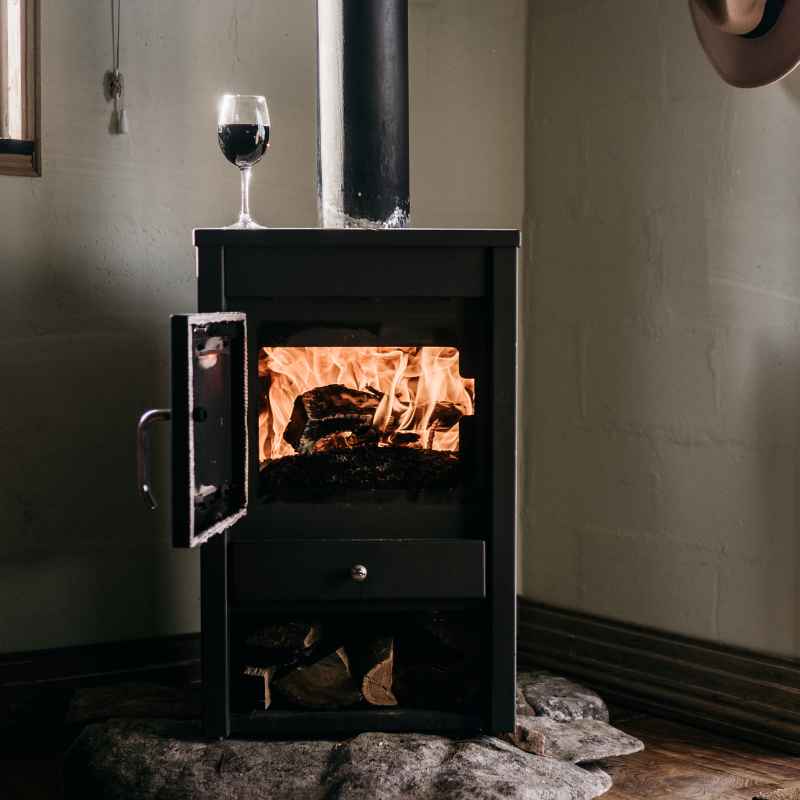
The best small wood stove for a cabin efficiently heats the space using less fuel. Look for models with good heat output ratings, high efficiency percentages, and features like secondary combustion for cleaner, hotter fires. Proper sizing for your cabin square footage is also key.
What Makes a Small Wood Stove Great for Cabins?
Small wood stoves are special. They offer a unique kind of warmth. This warmth is perfect for cabins.
Cabins are often smaller spaces. They might not have a lot of existing heating. A small stove fits right in.
It doesn’t take up much room. But it can still heat the whole space. This is important.
You don’t want a huge stove in a tiny cabin. It would be too much heat. It might even be unsafe.
Small stoves are also often more efficient. They burn wood better. This means you use less wood.
Less wood means fewer trips to chop or buy it. It also means less ash to clean up. Think about the environment too.
More efficient stoves produce fewer emissions. This is better for the air outside and inside your cabin. The charm of a wood stove is also a big reason.
It adds to the cozy cabin feel. It’s more than just heat. It’s part of the experience.
Efficiency Explained
When we talk about wood stove efficiency, what does that really mean? It’s about how well the stove turns wood into heat. A stove with high efficiency uses more of the wood’s energy.
It sends more heat into your cabin. Less heat goes up the chimney. Old stoves might only be 50% efficient.
That means half the heat from the wood is lost. Modern stoves can be 70% to over 80% efficient. That’s a big difference!
This means you burn less wood for the same amount of heat. Burning less wood saves you time and money. It also means less smoke.
Cleaner burning is better for the air we breathe. It’s a win-win situation.
Heat Output and Sizing
One of the most important things is getting the right size stove. You don’t want a stove that’s too small. It won’t heat your cabin enough.
You also don’t want one that’s too big. It will overheat the space. This can be uncomfortable.
It can also be dangerous. Stove sizes are often measured in BTUs (British Thermal Units). This tells you how much heat it can produce.
You need to match the stove’s BTU output to your cabin’s size. Consider how well your cabin is insulated. A well-insulated cabin needs less heat.
A cabin with lots of windows might need more. Think about your local climate too. If it gets very cold where you are, you’ll need more heat.
Most manufacturers give a recommended square footage for their stoves. This is a good starting point. Always err on the side of slightly smaller if you are unsure.
You can always run a smaller stove a bit harder. It’s harder to control an oversized stove.
Secondary Combustion: The Secret Weapon
What’s secondary combustion? It’s a fancy term for a smart burning system. Most modern efficient wood stoves have it.
It’s a key feature for getting the most heat. Here’s how it works simply: The stove burns the wood. Smoke and gases rise from the fire.
Usually, these would just go up the chimney. But with secondary combustion, these gases are re-burned. A second burst of air is sent into the firebox.
This air mixes with the hot gases. This causes them to ignite and burn. This extra burning releases more heat.
It also burns up more of the smoke. This means less pollution. It also means the stove is much more efficient.
You get more warmth from your wood. It’s like getting a bonus fire! Stoves with secondary combustion are often called “clean burning” stoves.
Key Features to Look For
Efficiency Rating: Aim for 70% or higher. This means more heat for less wood.
EPA Certification: This means the stove meets strict air quality standards. It shows it’s designed to burn cleaner.
Secondary Combustion System: Look for this for maximum heat and reduced emissions.
Heat Output (BTU): Match this to your cabin’s square footage and insulation.
Burn Time: How long can the stove burn on one load of wood? Longer is often better for overnight heat.
Glass Door: A nice feature for viewing the fire. Look for an airwash system to keep it clean.
Ash Pan: Makes cleaning easier.
Convection vs. Radiant Heat: Convection fans help circulate warm air faster. Radiant heat warms objects directly.
My First Cabin and a Leaky Stove
I remember my first cabin. It was a small, rustic place. No electricity, just peace and quiet.
I was so excited to get a wood stove. I found a used one online. It looked decent enough.
The seller said it worked fine. I installed it myself, following what I thought were the right steps. The first night was cold.
I loaded it up with wood. Soon, a fire was roaring. But something felt wrong.
The heat wasn’t spreading. It was just sitting in one corner. Then I noticed a faint smell.
It wasn’t the good smell of burning wood. It was more like… burning paint? I checked the stove.
There were tiny gaps where the metal pieces joined. Smoke was leaking out. It was a frightening thought.
Leaking smoke means leaking carbon monoxide. I felt a knot of panic in my stomach. I quickly shut the stove down.
That night was spent huddled under blankets, feeling defeated. It taught me a hard lesson: never assume a stove is safe. Always check its condition and features carefully.
A good, efficient stove is worth the investment.
Types of Small Wood Stoves for Cabins
There are a few main types of small wood stoves. Each has its own benefits. Knowing the difference can help you choose.
Let’s break them down simply.
Cast Iron Wood Stoves
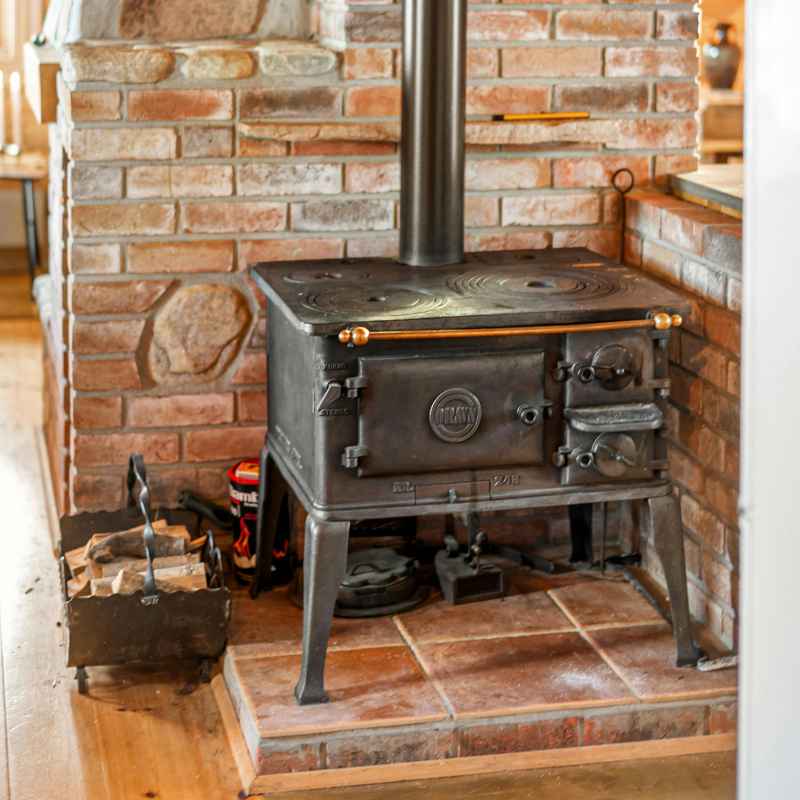
Cast iron stoves are classics. They are made from thick, heavy cast iron. This material holds heat very well.
They radiate warmth for a long time. Even after the fire dies down, they stay warm. This is great for keeping a cabin cozy overnight.
Cast iron stoves are also very durable. They can last for many, many years. They often have a traditional, beautiful look.
This fits well with a cabin aesthetic. The downside? They can be heavy.
Installation might need more planning. They also can be more expensive upfront. But their longevity and heat retention can make them a good value.
Steel Wood Stoves
Steel stoves are more common today. They are often lighter than cast iron stoves. This can make them easier to install.
Steel stoves tend to heat up faster. They also cool down faster when the fire is out. Many modern, high-efficiency stoves are made of steel.
They often use advanced designs. This includes things like secondary combustion. This helps them burn very cleanly and efficiently.
They come in many styles and sizes. You can find sleek, modern designs or more traditional looks. Steel stoves can be a great choice for many cabins.
They offer good performance and often come at a good price point.
Soapstone Wood Stoves
Soapstone stoves are a bit different. They have a metal firebox, usually steel. But they are lined with or surrounded by soapstone.
Soapstone is a natural material. It’s excellent at absorbing heat. It then releases that heat slowly and steadily.
This gives a very gentle, even warmth. It’s often described as a very pleasant heat. Soapstone stoves are fantastic for holding warmth.
They can keep a room cozy for hours. They are also very good at preventing extreme temperature swings. This makes them ideal for maintaining a comfortable, consistent temperature.
They can be more expensive. The soapstone itself adds to the cost. They are also heavy, like cast iron.
But the quality of heat they provide is exceptional.
Pros and Cons at a Glance
| Type | Pros | Cons |
| Cast Iron | Excellent heat retention, durable, classic look. | Heavy, slow to heat up, can be expensive. |
| Steel | Heats up fast, lighter, often more affordable, modern features. | Cools down faster, can be prone to rust if not maintained. |
| Soapstone | Very even, gentle heat, long heat release, comfortable warmth. | Expensive, very heavy, slow to heat up initially. |
Choosing the Right Size for Your Cabin
Sizing is really, really important. I can’t stress this enough. Let’s say you have a small 400 sq ft cabin.
You probably don’t need a stove that claims to heat 1000 sq ft. A stove rated for 500-800 sq ft might be perfect. Why?
Because you can run it at a lower setting. This is when stoves are most efficient. They burn cleaner and produce less smoke.
If you have a larger cabin, maybe 800 sq ft, you’ll need something a bit more powerful. Look for stoves that heat up to 1200 sq ft. But always consider the insulation.
Is your cabin well-sealed? Are there thick walls? Or is it drafty with thin walls and single-pane windows?
Drafty cabins lose heat fast. You might need a slightly bigger stove than the square footage suggests. Also, think about your climate.
If you’re in a place with brutal winters, you need more heating power. If it’s mild, a smaller stove might do the trick. When in doubt, talk to a professional installer.
They can help you calculate the exact BTU needs for your specific cabin.
BTU Calculations Made Simple
How do you figure out BTUs? It’s not super complicated. A common rule of thumb is about 20 BTUs per cubic foot of space.
But that’s a very rough estimate. A simpler way is based on square footage. For a well-insulated space in a moderate climate, you might need around 10-20 BTUs per square foot.
For a less insulated space or a colder climate, it could be 20-50 BTUs per square foot. So, for a 400 sq ft cabin that’s fairly well-insulated, you might need around 4,000-8,000 BTUs. A stove that outputs 5,000-10,000 BTUs would be a good fit.
For a draftier 400 sq ft cabin in a cold place, you might need 10,000-20,000 BTUs. This is where stove ratings like “heats up to X sq ft” are helpful. Just remember these are often maximums.
You want a stove that can comfortably heat your space, not struggle to.
The Insulation Factor
Insulation is a game-changer for heating. Think of it like a blanket for your cabin. Good insulation means the heat stays inside.
It doesn’t escape through the walls or roof. This is a huge energy saver. It means your stove doesn’t have to work as hard.
You’ll use less wood. Your cabin will stay warmer for longer. Even a small cabin benefits from good insulation.
If your cabin is older or more rustic, check the insulation. Adding some spray foam or batts can make a big difference. It’s often one of the best investments you can make for comfort.
It also means you can get away with a smaller, more efficient stove. This saves you money on the stove purchase and on wood. It’s a win-win-win.
Quick Sizing Guide
Measure Your Cabin: Get the length and width to calculate square footage (Length x Width = Sq Ft).
Assess Insulation: Is it modern, old, or non-existent? This is key.
Consider Climate: How cold do winters get? What’s the average temperature?
Check Stove Specs: Look for the recommended heating area and BTU output.
When in Doubt: Choose a stove on the smaller side of your range. Running a smaller stove efficiently is better than struggling with an oversized one.
Safety First: Installation and Ventilation
Safety is the most important thing. A wood stove is a fire. It needs to be installed and used correctly.
This is not an area to cut corners. First, you need proper clearances. Your stove will have a manual.
It will list the minimum distances the stove and chimney pipe need to be from walls, ceilings, and furniture. These are there for a reason. They prevent fires.
Always follow these rules exactly. Next, the chimney. A well-functioning chimney is vital.
It needs to be the right size. It needs to be installed correctly. It must extend above the roof line by a certain height.
This ensures proper draft. Proper draft pulls smoke out of the stove and up the chimney. It also prevents smoke from backing up into your cabin.
A blocked or poorly installed chimney is a major fire hazard. It also means carbon monoxide can enter your living space. Carbon monoxide is a silent killer.
You can’t see it or smell it. Install CO detectors. Test them regularly.
And have your chimney inspected and cleaned at least once a year. A professional installer can ensure everything is up to code and safe. This peace of mind is priceless.
Ventilation is Non-Negotiable
Ventilation is critical for a wood stove. It’s not just about the chimney. It’s also about fresh air for the stove to burn.
Modern, efficient stoves seal up tight. This is great for keeping heat in. But it can mean they use up the air in a small cabin quickly.
If there’s not enough air, the fire won’t burn well. It can produce more smoke. It can even cause the fire to go out.
Some stoves need an outside air kit. This is a pipe that brings fresh air directly from outside to the stove. This is especially important for very well-sealed cabins.
Or for cabins that are used for sleeping. It ensures the stove has enough oxygen to burn efficiently and safely. Without it, you risk poor performance and dangerous conditions.
Clearances and Combustibles
Let’s talk about clearances. This is about keeping flammable things away from your stove. Wood, curtains, furniture, even paper.
All of these can catch fire. Your stove manual will tell you the exact distances. For example, it might say keep 36 inches of clearance from the back and sides.
And maybe 48 inches from the top. You need to respect these numbers. Sometimes, you can reduce these distances.
You might do this by using heat shields. These are special non-combustible materials. They can be installed on walls.
But again, follow the stove manufacturer’s guidelines precisely. If you’re unsure, ask a professional. It’s much better to be safe than sorry.
Fires can start very quickly from things that seem harmless.
Safety Checklist
Professional Installation: Highly recommended for peace of mind.
Clearances: Strictly follow the manufacturer’s minimum distance rules.
Chimney System: Proper size, height, and condition are crucial.
Carbon Monoxide Detectors: Install and test them. Have battery backups.
Smoke Detectors: Essential for any home with a potential fire source.
Fire Extinguisher: Keep one nearby and know how to use it.
Ash Disposal: Never put hot ashes in a regular trash bin. Use a metal container with a lid, away from the cabin.
Features That Boost Efficiency and Performance
Modern wood stoves have clever designs. These designs help them work better. They get more heat out of your wood.
And they burn cleaner. Let’s look at some of these features.
Secondary Combustion
I mentioned this before, but it’s so important. Secondary combustion is a major efficiency booster. When wood burns, it releases gases.
These gases still have energy in them. A stove with secondary combustion burns these gases. It introduces extra air and heat.
This makes them burn. This process releases a lot more heat. It also burns off more of the smoke particles.
This means a cleaner burn. Stoves with this feature often have two sets of air inlets. One set for the initial burn.
The second set to feed the secondary combustion. You’ll often see tubes or baffles in the firebox. These are part of the system.
They help mix the air and gases for re-burning. If you want the most heat from your wood, look for this feature.
Catalytic vs. Non-Catalytic Converters
These are two ways to achieve secondary combustion. Or something very similar. They both aim to burn the gases more completely.
A non-catalytic stove uses design. It uses high temperatures. It uses specially placed air tubes to mix air and gases.
This causes the gases to burn at a lower temperature. It’s simpler and often has fewer parts to maintain. A catalytic stove uses a catalytic converter.
This is a ceramic honeycomb-like material. It’s coated with precious metals. When gases pass over it, they burn at a much lower temperature.
This allows for very thorough burning. It can extend the burn time. It can also make the stove burn even cleaner.
The downside is that the catalytic combustor has a lifespan. It needs to be replaced eventually. And it can be sensitive to moisture or improper fuel.
For most cabin owners, a good non-catalytic stove offers excellent performance and easier maintenance.
Air Wash Systems
What about that beautiful glass door? You want to see the fire. But ash and creosote can build up.
They make the glass dark and dirty. An air wash system helps prevent this. It’s a design where a small amount of air is pre-heated.
This air flows over the inside of the glass door. It creates a barrier. This barrier keeps smoke and ash from sticking to the glass.
It helps keep the glass cleaner. This means you can enjoy the view of the fire. It also means you don’t have to clean the glass as often.
It’s a nice little feature that adds to the overall experience.
Infographic Style: How Secondary Combustion Works
Stage 1: Initial Burn
Wood burns in the firebox. Produces heat and smoke.
Stage 2: Gas Release
Hot gases and smoke rise from the burning wood.
Stage 3: Secondary Air Intake
Pre-heated air is introduced into a secondary chamber.
Stage 4: Re-Ignition
The secondary air mixes with the hot gases. They ignite and burn.
Stage 5: Maximum Heat & Clean Burn
More heat is released. More smoke particles are burned away.
Real-World Context: Burning Wood Safely and Effectively
Burning wood effectively in a cabin is an art. It’s not just about throwing wood in and lighting a match. It’s about understanding the process.
And respecting the fuel and the appliance. I learned this through trial and error. The type of wood you burn matters.
Hardwoods like oak, maple, and ash are best. They are dense. They burn longer and hotter.
Softwoods like pine and fir burn faster. They produce more creosote. Creosote is a tar-like substance.
It builds up in your chimney. It’s a fire hazard. So, use seasoned hardwoods for your main heating.
You can use softwoods for kindling or to get a fire started quickly. Seasoned means dry. Wood should be dry for at least 6-12 months.
Wet wood burns poorly. It smolders. It produces a lot of smoke.
It creates creosote. Always store your wood off the ground. Keep it covered but with good airflow.
This helps it stay dry.
What is Seasoned Wood?
Seasoned wood is dry wood. It’s wood that has been cut, split, and left to dry for a period of time. Usually 6 months to a year, or even longer.
When wood is cut, it has a lot of moisture in it. This moisture needs to evaporate. It does this through air circulation.
Think of it like drying clothes outside. If you pile them up, they stay damp. If you spread them out, they dry faster.
Wood needs air. It needs to be stacked in a way that air can get to it. It also needs to be protected from rain.
But not sealed airtight. A wood shed or a rack with a roof works well. How can you tell if wood is seasoned?
It will be lighter in weight. It will have cracks or checks on the ends. It will make a hollow sound when you hit two pieces together.
Green wood sounds dull. Seasoned wood is crucial for efficient and clean burning. It’s the foundation of good wood heating.
Building a Fire That Lasts
Starting a fire is the first step. Many people just pile logs in. That’s not the best way.
A good fire starts small and grows. Use dry kindling – small, dry twigs or wood shavings. Place them in the center of the firebox.
Then, add small pieces of dry softwood. Light the kindling. As the flames catch, gradually add slightly larger pieces of softwood.
Once you have a good bed of coals and steady flames, you can add your seasoned hardwood. Don’t pack the firebox too tightly. Air needs to get to the wood.
Leave some space. Close the door loosely at first. Once the fire is well established, you can close it.
Control the air vents. For a hot, fast fire, open the vents more. For a slower, longer burn, close them down.
But don’t close them too much. You still need air for combustion. You want the flames to be bright and active, not smoldering and dark.
Understanding Creosote and Chimney Fires
Creosote is the enemy of the wood stove user. It’s a sticky, flammable byproduct of burning wood. Especially wet or unseasoned wood.
It builds up inside your chimney liner. Over time, this buildup can become thick. It looks like tar.
If this creosote gets hot enough, it can ignite. This causes a chimney fire. Chimney fires are very dangerous.
They can spread flames to your roof or the inside of your walls. They create intense heat. You’ll hear a roaring or whooshing sound.
You might see flames coming out the top of the chimney. If you suspect a chimney fire, stay calm. Get everyone out of the cabin.
Call the fire department immediately. Do NOT try to put it out yourself. The best defense is prevention.
Burn dry, seasoned hardwood. Don’t let your fires smolder. Have your chimney cleaned and inspected regularly by a professional.
This is the most important maintenance you can do.
Wood Burning Best Practices
Fuel: Use dry, seasoned hardwoods for best results.
Starting: Build a small fire first, then gradually add larger pieces.
Airflow: Do not overfill the firebox. Allow air circulation.
Control: Use air vents to manage the burn rate. Aim for active flames.
Monitoring: Watch for smoke, creosote buildup, and proper draft.
Maintenance: Regular chimney cleaning is essential.
What This Means for Your Cabin Heating Choice
So, what does all this mean for you? It means choosing a small wood stove for your cabin isn’t just about aesthetics. It’s about making a smart decision.
You need a stove that’s the right size. It should be efficient. And it must be safe.
For most cabins, a modern steel stove with secondary combustion is a great option. They offer a good balance of performance, efficiency, and cost. If you have a bit more budget and want that super gentle heat, a soapstone stove is wonderful.
Cast iron is a classic choice if you love the look and long heat retention. Whatever you choose, prioritize safety. Follow installation guidelines.
Use good fuel. Maintain your chimney. This isn’t just about staying warm.
It’s about creating a safe, cozy haven. A place to relax and enjoy the outdoors.
When is a Small Stove “Enough”?
A small wood stove is enough when your cabin is indeed small. We’re talking about spaces from 150 sq ft up to maybe 800 sq ft. If your cabin is well-insulated, even a slightly larger space might be heated by a small stove.
It’s also enough if you don’t need to heat your cabin constantly to toasty temperatures. Maybe you only use it on weekends or for short trips. In these cases, a small stove can take the chill off quickly.
It provides that essential cozy ambiance. It uses less wood. It’s less of a commitment in terms of space and cost.
Think about how you use your cabin. If it’s a simple, single-room structure, a small, efficient stove is often ideal. It heats the whole space without being overwhelming.
When You Might Need More
You might need more than a small stove if your cabin is larger than 800 sq ft. Especially if it has multiple rooms that need heating. Or if it’s very poorly insulated or drafty.
Another factor is if you need consistent, deep heat. If you spend weeks at a time in your cabin during winter, you might want something with a higher heat output. This ensures you can keep up with cold temperatures.
Also, if your wood supply is readily available and you don’t mind burning more, a slightly larger stove might be considered. But for most typical cabin uses – weekend escapes, simple retreats – a well-chosen small stove excels. It’s about balance.
Finding the right tool for the job.
Simple Checks You Can Do
Before you buy, do a few checks. Look for the EPA certification. This is a good sign of efficiency and clean burning.
Read reviews. What do other cabin owners say about the stove? Does it perform well in small spaces?
Is it easy to start and maintain? Check the weight. If you have to carry it up a long path, that’s a consideration.
Look at the door seal. Does it look robust? Can you see where the air controls are?
Are they easy to access? If possible, see a stove in operation. This is hard to do, but if a dealer has one burning, it’s a great way to feel the heat.
Talk to people who have cabins. Ask them what they use. Their real-world experience is invaluable.
Quick Fixes and Tips for Cabin Wood Stoves
While we’re not doing full repairs, there are small things that make a big difference. Keep your stove clean. Regularly brush out ash.
Make sure the air vents are clear. If your stove has a fan, ensure it’s working. A clean stove runs better.
Use a stovepipe thermometer. This is a simple tool. It clips onto your stovepipe.
It tells you the temperature of the exhaust gases. It helps you find the optimal burn temperature. Too cold means creosote.
Too hot means wasted heat and potential damage. Aim for the recommended range on the thermometer, usually in the “good” or “efficient” zone. Store wood properly.
As we discussed, dry wood is key. Keep it off the ground and protected from rain. Have spare parts.
Maybe a gasket for the door. Or a small amount of stove cement for minor seal repairs. Knowing where to get them is important.
The Stovepipe Thermometer Trick
A stovepipe thermometer is a low-cost, high-value tool. It’s like a dashboard for your wood stove. It helps you understand what’s happening in the chimney.
When you start a fire, the temperature will rise. You want to reach a steady state. This is usually between 250°F and 500°F (120°C to 260°C) on the flue.
If the temperature stays too low, you’re likely producing creosote. This happens if you have wet wood or if the air supply is too low. If the temperature goes too high, you’re burning fuel too fast.
You might be wasting heat up the chimney. Some thermometers have color-coded zones. This makes it super easy to see if you’re in the right range.
It takes some practice, but learning to read your thermometer will help you get the most heat from your wood. It also helps you burn cleaner.
Ash Management
Ash is a natural byproduct of burning wood. You’ll need to remove it. Don’t let it build up too much.
A little ash can actually help insulate the firebox. It can help protect the metal. But too much ash can block airflow.
This makes the fire burn poorly. When you remove ash, make sure the stove has cooled down completely. This is very important.
Hot ashes can smolder for days. They can restart a fire. Use a metal shovel.
Put the ashes into a metal container with a tight-fitting lid. Keep this container away from your cabin. Store it on a non-combustible surface like gravel or concrete.
Never put wood ashes directly into a plastic garbage bag or bin. They can ignite.
Tips for Better Burning
Thermometer: Use a flue thermometer to monitor burn temperature.
Dry Wood: Always use well-seasoned hardwood.
Airflow Control: Learn how to adjust vents for optimal burn.
Don’t Smolder: Aim for active flames, not a dying ember.
Regular Cleaning: Keep the stove and firebox clear of ash.
Chimney Sweeping: Schedule annual professional inspections and cleaning.
Frequently Asked Questions About Small Wood Stoves for Cabins
What is the most efficient type of small wood stove for a cabin?
Modern steel stoves with secondary combustion systems are generally the most efficient. Look for models with high efficiency ratings (70% or more) and EPA certification. Soapstone stoves also offer excellent, long-lasting heat efficiency due to their heat retention properties.
How do I know if a small wood stove is the right size for my cabin?
Consider your cabin’s square footage, insulation level, and your local climate. Manufacturers provide recommended heating areas (e.g., “heats up to 800 sq ft”). For a well-insulated cabin in a moderate climate, a stove rated for your exact size or slightly larger is usually good.
For draftier cabins or colder climates, you might need a stove with a higher BTU output or one rated for a larger area.
Is a catalytic or non-catalytic wood stove better for a cabin?
Both offer excellent efficiency. Non-catalytic stoves use design features like air tubes to burn gases at high temperatures and are generally simpler to operate and maintain. Catalytic stoves use a ceramic converter, which can offer longer burn times and even cleaner burns, but the converter needs eventual replacement.
What are the safety requirements for installing a wood stove in a cabin?
Safety requires proper clearances from combustible materials (walls, furniture), a safe hearth pad, and a correctly installed chimney system. Always follow the manufacturer’s installation manual and local building codes. Carbon monoxide detectors and smoke detectors are essential safety devices.
How often should I clean my wood stove and chimney?
The stove itself should be cleaned of ash regularly (when cool). The chimney should be professionally inspected and cleaned at least once a year. More frequent cleaning might be needed if you burn a lot of wood, use less seasoned wood, or notice signs of heavy creosote buildup.
Can I use pine or other softwoods in my cabin’s wood stove?
Softwoods like pine and fir can be used, but they are best for starting fires or for a quick, hot burn. They burn faster and produce more creosote than hardwoods. Relying solely on softwoods for heating can lead to more frequent refueling and increased risk of chimney fires due to creosote buildup.
Always use dry, seasoned wood.
Conclusion: Your Cozy Cabin Awaits
Finding the best small wood stove for your cabin is an exciting step. It’s about bringing warmth and character to your retreat. By focusing on efficiency, proper sizing, and safety, you can make a great choice.
Remember to look for EPA certification and secondary combustion. Always prioritize safe installation and regular maintenance. Your cozy cabin experience is within reach.
Enjoy the comforting glow and the wonderful warmth a good wood stove provides.