Small Decking Garden Ideas That Make A Big Visual Impact
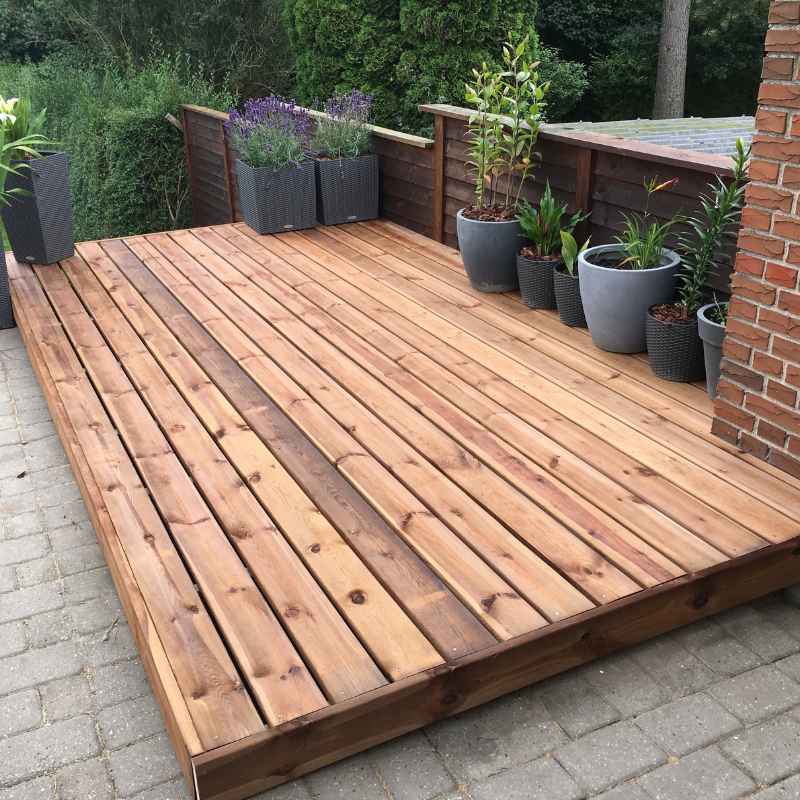
Small decking garden ideas can transform tiny outdoor areas into visually impactful and functional spaces. Clever design, smart plant choices, and multi-functional furniture are key to making a big impression even with limited square footage.
What Makes Small Decking Gardens Shine?
A small deck can be the heart of your outdoor living. It’s a platform that lifts you up, giving you a sense of place. It separates your garden from the house, creating a distinct zone.
Think of it like a mini-stage for your plants and outdoor furniture. Even a tiny deck can feel grand with the right touches. It’s about making the most of what you have.
We often think we need a huge yard to have a great garden. But that’s not true at all.
The magic of a small decking garden is in its focus. You don’t have to worry about filling a massive area. Instead, you can pour all your energy into creating a special, intimate spot.
This makes it easier to manage too. Less to maintain means more time to enjoy it. The goal is to make it look and feel bigger than it is.
This is where smart design comes in.
My First Tiny Deck Disaster (And What I Learned)
I remember my first tiny deck. It was more like a postage stamp attached to my apartment. I tried to cram a big table and four chairs onto it.
It looked ridiculous. Everything felt crowded. I couldn’t even open the patio door all the way.
I felt so frustrated. It was supposed to be my little oasis, but it felt like a storage closet outdoors. I even bought a huge umbrella that barely fit.
One sunny Saturday, I sat out there and just felt… stuck. The space was so small, I couldn’t move. The plants I bought just sat on the floor, looking lost.
I realized then that I was fighting the space instead of working with it. I was trying to replicate a large garden feel in a small area. That’s when I decided to rethink everything.
I needed to embrace the smallness. I needed ideas that celebrated it.
Small Decking Garden Quick Wins
Smart Layout: Arrange furniture to leave clear pathways.
Vertical Space: Use walls for climbing plants or shelves.
Color Pops: Bright cushions or pots add life.
Mirrors: A well-placed outdoor mirror can fake space.
Designing for Impact: Tricks of the Trade
Making a small deck feel big is all about visual tricks. One of the best ways is to use color. Light colors make spaces feel more open.
Think light grey or natural wood tones for your decking. White or pale painted fences also help. They bounce light around.
This makes everything seem brighter and airier.
Lines are also important. Running your decking boards in a specific direction can change how the space looks. Boards that run parallel to the longest side of your deck can make it seem longer.
Diagonal boards can make it seem wider. It’s a subtle change, but it really works. Consider the shape of your deck too.
A square deck might feel boxy. A long, narrow deck can feel more expansive if you lay the boards right.
Lighting is another game-changer. Good lighting makes your deck usable at night. It also adds a cozy feel.
String lights overhead create a magical atmosphere. Small solar lights along the edges can guide the way. Uplighting plants makes them look dramatic.
It adds depth and interest when the sun goes down.
Planting Power: Greenery in Small Spaces
Plants are crucial for any garden, but in a small deck garden, they are stars. Don’t just think about ground-level plants. Go vertical!
Wall planters are fantastic. They save floor space. Climbing plants like clematis or jasmine can soften railings and walls.
They add beauty without taking up much room.
Choose plants with different heights and textures. This creates visual interest. A tall, slender plant can add height.
Smaller, bushy plants can fill in the gaps. Think about flowers that bloom at different times. This keeps your deck looking lovely all season long.
Even a few well-chosen pots can make a huge difference.
Consider plants that have a fragrance. Lavender or gardenias can make your small space smell amazing. This engages more senses.
It makes the experience richer. Remember to pick plants that suit your climate. Some plants need lots of sun.
Others prefer shade. Check the plant tags carefully.
Container Gardening Essentials
- Right Size Pots: Ensure enough room for roots to grow.
- Good Drainage: Crucial to prevent root rot.
- Quality Soil: Use a potting mix, not garden soil.
- Watering Needs: Pots dry out faster than garden beds.
Furniture That Fits: Smart Seating Solutions
When space is limited, furniture choice is critical. Forget bulky, oversized pieces. Look for slim, multi-functional items.
A small bistro set is perfect for two. It fits easily on most small decks. You can enjoy a meal or a drink without taking over the whole space.
Consider benches with built-in storage. These are brilliant. You can store cushions, gardening tools, or even firewood.
They provide seating and hidden space. Foldable furniture is also a great option. You can tuck it away when not in use.
This frees up valuable floor space.
Think about the scale. A few well-placed chairs are better than one massive sofa. Built-in seating along the edge of the deck can also save space.
It looks neat and tidy. You can even add cushions to make it comfortable. This creates a cozy nook.
Furniture Scale Matters
| Good For Small Decks | Avoid For Small Decks |
|---|---|
| Bistro Sets | Large Dining Tables |
| Slim Armchairs | Oversized Sectionals |
| Foldable Chairs | Heavy, Fixed Seating |
| Storage Benches | Open Benches with No Storage |
Decking Styles That Expand Your Space
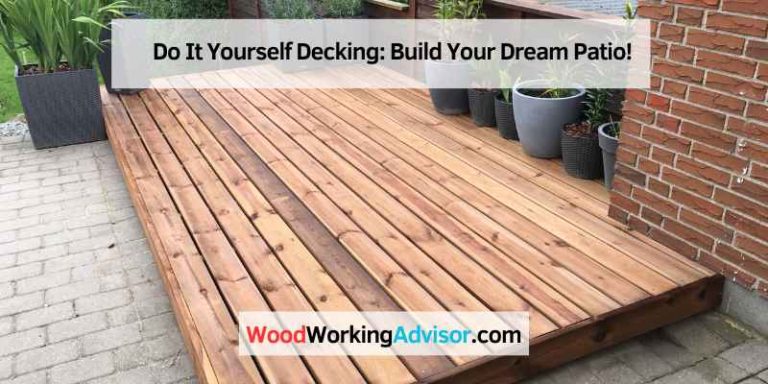
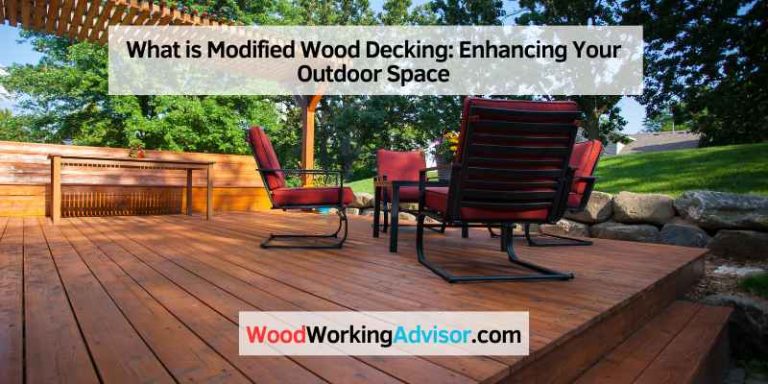
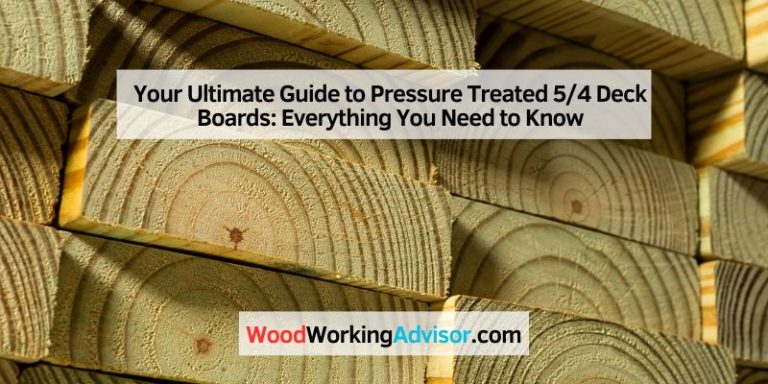
The type of decking you choose can influence how your small garden feels. Natural wood is classic and beautiful. Treated pine is a budget-friendly option.
Cedar and redwood offer more natural resistance to rot and insects. Composite decking is low-maintenance and comes in many colors.
Consider the color of the decking itself. Lighter colors can make the space feel larger. Darker colors can make it feel more intimate.
If you have a very small deck, a lighter color is usually best. It reflects more light.
Think about the layout of the boards. As mentioned before, running them in a certain direction can trick the eye. Diagonal patterns can make a square deck feel wider.
Running them lengthwise can make a narrow deck feel longer.
Decking Board Direction Visual
Imagine your deck is a rectangle.
Scenario A: Boards run parallel to the short side.
This often makes the space feel wider but can shorten its perceived length.
Scenario B: Boards run parallel to the long side.
This usually makes the deck feel longer and more streamlined.
Scenario C: Boards run diagonally.
This can add a dynamic feel and make a square deck appear wider.
Adding Wow Factor: Accents and Decor
Don’t forget the little things. These make a big difference. Outdoor rugs can define the seating area.
They add color and comfort. They make the deck feel more like an outdoor room.
Pillows and cushions are easy ways to add pops of color. Choose weather-resistant fabrics. Outdoor art can add personality.
A small water feature can bring a sense of calm. The sound of trickling water is very soothing.
Mirrors can be surprisingly effective in small spaces. An outdoor-rated mirror can reflect light and greenery. It creates the illusion of more space.
Place it strategically where it reflects something beautiful, like a plant or the sky.
Decor Spotlight
Textiles: Bright cushions, outdoor rug.
Greenery: Hanging baskets, wall-mounted planters.
Light: String lights, solar path lights.
Accents: Small statue, decorative lantern.
Creating Zones in a Tiny Space
Even on a small deck, you can create different zones. Maybe one corner is for lounging with a comfy chair. Another area can be for dining with a small table.
Use furniture and plants to subtly divide these areas.
A low planter box can act as a divider. It separates the seating area from a small planting corner. A rug can define the dining zone.
Think about how you want to use the space. Then, arrange elements to support those uses.
Having distinct zones makes the space feel more organized and larger. It’s like having mini-rooms outdoors. This adds functionality and visual appeal.
It shows good planning.
Zone Ideas for Small Decks
Relaxation Nook: One comfy chair, small side table, a plant.
Dining Spot: Small bistro table and chairs.
Greenery Hub: A cluster of pots or a vertical garden.
Entry Point: Clear space with a welcoming mat or small light.
Making it Feel Larger: The Power of Illusion
There are many ways to make a small deck feel bigger than it is. Use fewer, larger items rather than many small ones. This creates a sense of spaciousness.
A single, comfortable chair might feel better than two tiny ones.
Keep the clutter to a minimum. A tidy space always feels larger. Use vertical storage solutions.
This keeps the floor clear. Think about the colors you use. Light, neutral colors are your best friends here.
Consider the view. If your deck looks out onto something nice, like a garden or a pretty fence, maximize that. If the view isn’t great, use plants or screens to block it off.
Create your own beautiful view.
Illusion Boosters
Focal Point: Draw the eye to one beautiful feature, like a colorful planter or a striking plant.
Open Sightlines: Avoid blocking the view across the deck. If using railings, consider glass or thin balusters.
Light Colors: Decking, furniture, and accessories in pale shades.
Mirrors: Strategically placed to reflect light and space.
Integrating with the Garden: Seamless Transitions
Your deck shouldn’t be an island. It should connect with your garden. If you have a small lawn, the deck can lead into it.
Use plants to bridge the gap between the deck and the ground.
Consider raised garden beds that are the same height as the deck. This creates a seamless flow. If your deck is surrounded by garden, make sure the plants offer color and interest.
Think about pathways. Do they lead naturally from the deck to other parts of your yard? A winding path can make a small yard feel larger.
Use similar materials for the deck and nearby paths to tie everything together.
Seamless Transition Tips
Level Changes: If your deck is lower than the house, use steps. If it’s higher, ensure sturdy railings and clear access.
Material Harmony: Match or complement the colors and textures of your deck, house, and garden elements.
Plant Bridges: Use plants to soften the edges where the deck meets the garden beds.
Seasonal Charm: Decking Gardens Year-Round
Your small decking garden can be beautiful in every season. In spring, add bright, early-blooming flowers. Pansies and violas are great for containers.
Summer is for vibrant colors. Think petunias, geraniums, and trailing lobelia. Add fresh herbs for cooking.
Rosemary, mint, and basil thrive in pots.
Autumn brings rich colors. Mums, ornamental grasses, and kale add texture and warmth. Consider adding a small fire pit or chiminea for cozy evenings.
Winter doesn’t mean the end of your garden’s appeal. Evergreen shrubs in pots provide structure. Add seasonal decorations like lights or wreaths.
Even a bare branch can look beautiful when dusted with snow.
Seasonal Plant Picks
Spring: Tulips, daffodils, primroses, pansies.
Summer: Geraniums, petunias, impatiens, lavender, herbs.
Fall: Mums, asters, ornamental kale, sedum, ornamental grasses.
Winter: Evergreen shrubs (dwarf varieties), hellebores, winterberry.
Maintenance Made Easy for Small Spaces
One of the best things about a small decking garden is that it’s easier to maintain. Watering a few pots is quick. Weeding a small area takes minutes.
Cleaning a small deck is a breeze.
Choose low-maintenance plants. Succulents and drought-tolerant species require less attention. Opt for composite decking if you want to avoid regular staining or sealing.
This saves time and effort.
Regularly tidy up. Put away cushions after use. Sweep leaves regularly.
This prevents bigger jobs later. A little effort each week keeps your small garden looking its best.
Low-Maintenance Strategies
Self-Watering Pots: Reduce daily watering duties.
Mulch: Helps retain moisture and suppress weeds in pots.
Perennials: Plants that come back year after year.
Hardscaping: Use gravel or stones where plants aren’t needed.
When to Call in the Pros (Or Not!)
For most small decking garden projects, you can do it yourself. Planning and choosing the right elements are key. If you’re unsure about structural aspects, like building the deck itself, that’s when a professional is a good idea.
For planting and styling, though, you’ve got this! There are tons of online resources and books to help. Don’t be afraid to experiment.
The best garden is one that you love and enjoy.
If you want a completely custom design, an landscape designer can help. They can offer expert advice tailored to your specific space. But for many small decks, inspiration from magazines and websites is more than enough.
Your Small Decking Garden Awaits
See? Creating a beautiful, impactful outdoor space doesn’t require a sprawling estate. With thoughtful planning and clever ideas, even the tiniest deck can become your favorite spot.
Embrace the intimacy of a small space. Focus on creating a few key features that bring you joy. Whether it’s a comfy chair for reading or a place to enjoy your morning coffee, your small decking garden can be a true extension of your home.
It’s about making a big visual impact, one thoughtful choice at a time.
Frequently Asked Questions
How can I make my small deck look bigger?
Use light colors for decking and furniture. Arrange furniture to create open pathways. Utilize vertical space with plants.
Mirrors can also create an illusion of more room.
What kind of plants are best for a small deck garden?
Choose compact or climbing plants. Herbs, small flowering annuals, and dwarf shrubs work well. Consider plants that provide fragrance or different textures.
Vertical planters are also excellent for small spaces.
Can I fit a dining set on a small deck?
Yes, if you choose wisely. Opt for a small bistro set or slim chairs. Foldable furniture is also a great space-saving option.
Ensure there is enough room to move around the table.
What is the easiest way to add color to a small deck?
Colorful cushions and outdoor pillows are an easy start. Brightly colored pots and planters for your plants also add a lot of visual interest. An outdoor rug can define the space and add color too.
Should I use natural wood or composite decking for a small space?
Both can work. Natural wood offers a classic look but requires more maintenance. Composite decking is low-maintenance and often comes in lighter colors that can help make a small space feel larger.
Consider your budget and time for upkeep.
How do I create different “zones” on a tiny deck?
Use furniture placement to define areas. A small rug can designate a seating zone. A few planters can separate a dining area from a plant corner.
The goal is to make it feel organized, not cluttered.
Conclusion and Next Steps
Your small decking garden is a canvas waiting for your personal touch. Focus on smart design, vibrant plants, and cozy furnishings. You can create a beautiful outdoor haven that feels both spacious and inviting.
Start small, experiment, and most importantly, enjoy the process of creating your own little slice of paradise.