Wood Burning Ban Rules: Stage 1 vs Stage 2 Explained
Most wood burning bans have two stages: Stage 1 allows only EPA-certified stoves and inserts, while Stage 2 bans all wood burning, even certified units, unless it’s your only heat source with an approved exemption. Bans typically trigger when local air districts forecast fine particulate (PM2.5) pollution above 35 micrograms per cubic meter within 48 hours. This guide covers why bans happen, what’s restricted at each stage, and how to check your own area’s status today.
This post contains affiliate links. As an Amazon Associate, we earn from qualifying purchases.
What Triggers a Wood Burning Ban?
Best No-Burn-Day Air Purifier Pick
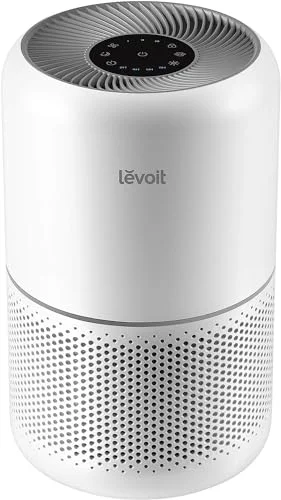 |
Levoit Core 300-P HEPA Air Purifier – $84.99 Rated by AHAM VERIFIDE at 143 CFM CADR specifically for smoke — the same fine particulate (PM2.5) that triggers the bans covered below — for rooms up to 1,073 sq ft.
|
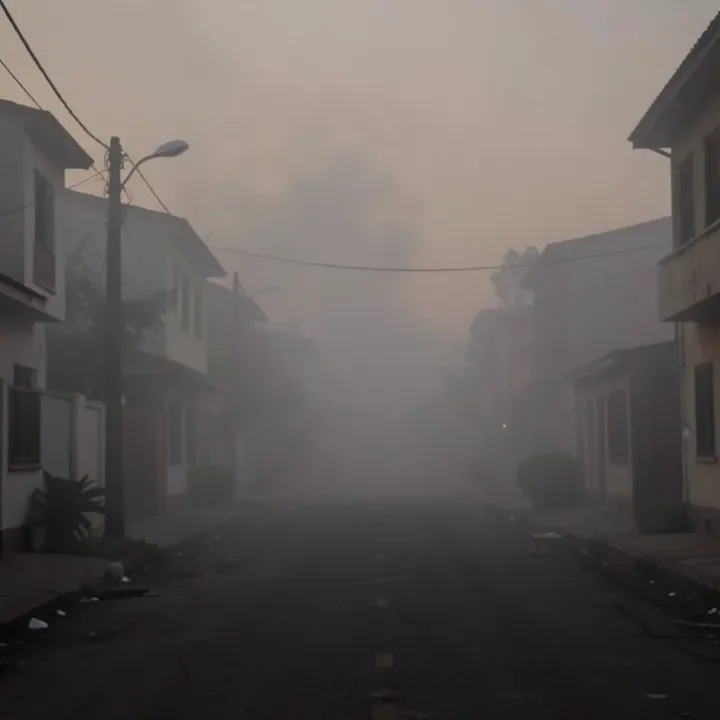
Local air districts issue burn bans when forecasted particulate pollution crosses a specific threshold, not on a fixed calendar schedule. Wood smoke is one of the largest sources of fine particulate matter (PM2.5) in most residential areas during winter, and cold, still air makes it worse: temperature inversions trap a layer of warm air over cold air near the ground, preventing smoke and exhaust from dispersing upward.
📊 Stage 1 burn bans are typically issued when PM2.5 is forecast to exceed a 24-hour average of 35 micrograms per cubic meter within 48 hours — Source: Bay Area Air Quality Management District, 2026
Stage 1 vs Stage 2: What Each Actually Restricts
The two stages restrict very different things, and mixing them up is the most common way people accidentally violate a ban.
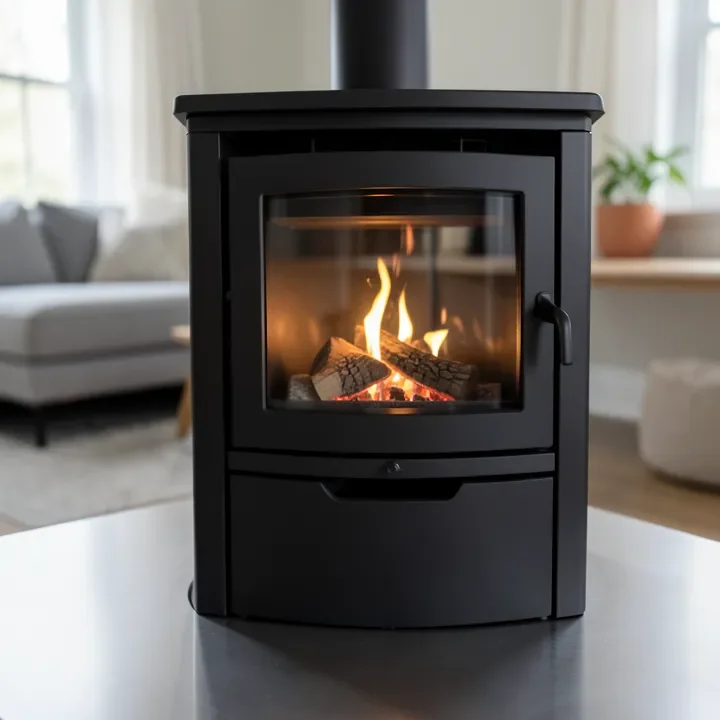
- Stage 1: Uncertified fireplaces, uncertified wood stoves, and outdoor fire pits are banned. EPA-certified wood stoves and inserts may still be used.
- Stage 2: All wood burning is banned, including EPA-certified stoves, pellet stoves, and fireplace inserts — unless wood is your only adequate source of heat and you have an approved exemption on file with your local air district.
Puget Sound Clean Air Agency describes a Stage 2 burn ban as prohibiting burning in “any wood-burning fireplaces, wood stoves or fireplace inserts (certified or uncertified), or pellet stoves,” with exemptions granted only when wood heat is a household’s sole adequate heat source.
— Puget Sound Clean Air Agency
Outdoor yard-waste burning and using wood or charcoal in outdoor grills or smokers that produce visible smoke are commonly restricted under both stages, since the rule targets particulate output, not the type of appliance.
How to Check Your Area’s Burn Ban Status
There is no single nationwide burn-ban hotline — each local air district runs its own program, usually under a name like “Spare the Air,” “Check Before You Burn,” or simply “burn ban status.” Search your county or air district’s name plus one of those phrases to find today’s status, or check the EPA’s Burn Wise program page for a list of regional programs.
If you live in California, see our breakdown of California’s wood burning rules for the state’s 35 local air districts and how each one announces No-Burn Days.
- County or air district websites: Most post current status directly, often with a same-day update.
- Text and email alerts: Most air districts offer free sign-up for same-day burn-status notifications.
- Local news: TV and radio stations in areas with frequent bans typically report status during winter weather segments.
What to Use Instead During a Ban
A ban on wood burning does not mean going without heat or giving up outdoor cooking. These options are allowed under nearly every burn ban program:
- Natural gas or propane fireplaces: Produce a fraction of the particulate output of wood and are exempt from nearly all burn ban programs.
- Electric fireplaces and space heaters: Zero on-site emissions, though they draw more electricity than a gas alternative.
- Heat pumps and central heating: Unaffected by burn bans since they don’t combust fuel on site.
- Gas, electric, or propane grills: Standard alternatives for outdoor cooking during a ban; charcoal and wood-fired grills that produce visible smoke are usually restricted.
Frequently Asked Questions
Why do wood burning bans happen?
Wood burning bans reduce fine particulate (PM2.5) pollution during weather conditions, like temperature inversions, that trap smoke close to the ground. High PM2.5 levels worsen asthma, bronchitis, and cardiovascular conditions, especially for children and the elderly.
What is the difference between a Stage 1 and Stage 2 burn ban?
Stage 1 still allows EPA-certified wood stoves and inserts; only uncertified fireplaces and stoves are restricted. Stage 2 bans all wood burning, including certified units, unless wood is your only heat source and you have an approved exemption.
How do I find out if a burn ban is active in my area?
Search your county or local air district’s name plus “burn ban” or “Spare the Air,” check the EPA’s Burn Wise program page for regional programs, or sign up for free text and email alerts most air districts offer.
What happens if I burn wood during a ban?
Violating a burn ban typically results in a fine, with the amount and enforcement method set by the local air district. Enforcement usually relies on resident complaints as well as monitoring station data.
Conclusion
Burn bans exist because wood smoke is a major source of the fine particulate that makes air genuinely unhealthy to breathe, and the two-stage system exists precisely so certified, cleaner-burning stoves aren’t punished the same as older, uncertified units. Check your local air district before burning on a cold, still day — that’s exactly when a ban is most likely to be active.
Sponsored / affiliate links. As an Amazon Associate I earn from qualifying purchases. I may earn additional commission from eligible campaigns.