Skil Saw 10 Inch Table Saw: Full Review And Performance
It’s one thing to dream about building that beautiful bookshelf or that sturdy outdoor bench. It’s another thing entirely to have the right tools to make it happen. Many folks just starting out, or even those who have been at it a while, find themselves looking at a Skil saw 10 inch table saw and wondering if it’s the right fit for their workshop.
This is a common spot to be in. You want something capable, but you also don’t want to be overwhelmed or break the bank. Let’s dive in and see what this saw is all about, and if it can help you bring those projects to life.
The Skil saw 10 inch table saw offers a good balance of power and portability for DIYers. It features a 15-amp motor, a 3 1/2 inch depth of cut, and a decent rip capacity, making it suitable for many home workshop tasks. Its integrated stand and dust collection help manage space and cleanup.
What is the Skil Saw 10 Inch Table Saw?
The Saw This Review Covers
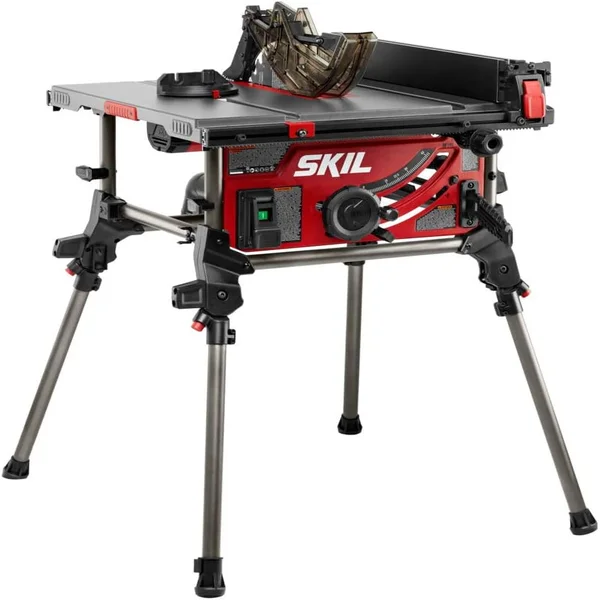 |
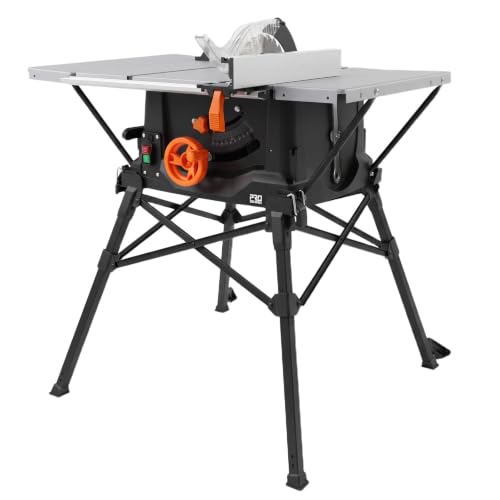
SKIL TS6307-00 15-Amp 10-Inch Table Saw – $219 This is the exact saw reviewed above — a 15-amp motor, folding stand, and rack-and-pinion fence built for home workshops and light jobsite use.
|
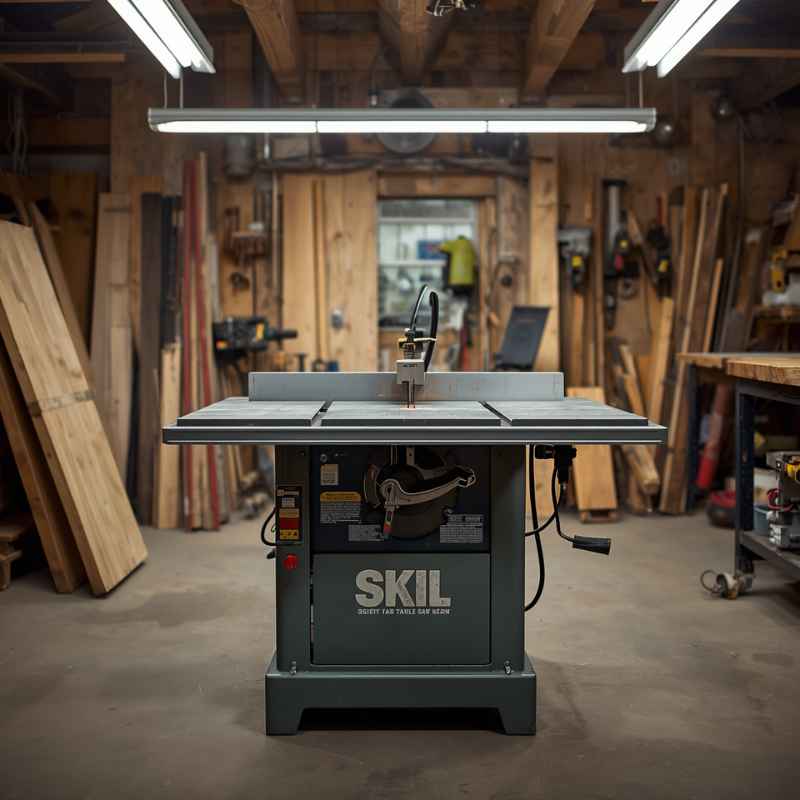
At its heart, the Skil saw 10 inch table saw is designed for home woodworkers. It’s a tool meant to handle common cuts for projects. Think ripping boards to width, crosscutting them to length, and maybe even some basic bevel cuts.
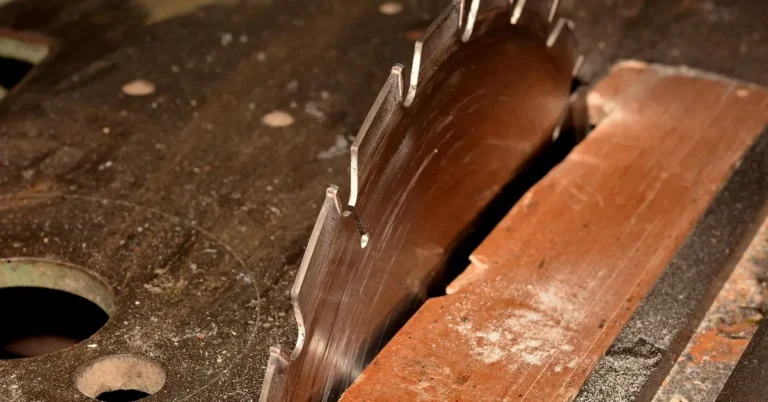
It uses a standard 10-inch blade, which is the workhorse size for most table saws. This size blade can handle a good variety of wood thicknesses.
The power comes from a 15-amp motor. This is a pretty solid motor for a saw in this class. It’s enough to get through most common lumber, like pine, poplar, and even some hardwoods, without bogging down too much.
You won’t be breaking any speed records, but it gets the job done for typical home projects. The depth of cut is usually around 3 1/2 inches at a 90-degree angle. That’s enough for most 2x material you’d find at a lumber yard.
Portability is also a key feature for many who consider this saw. It often comes with an integrated folding stand. This means you can set it up quickly when you need it and fold it down to store it away when you’re done.
This is a huge plus for garages or workshops that don’t have endless space. The stand itself aims to keep the saw at a comfortable working height, reducing strain on your back.
Setting Up the Skil Saw the Right Way
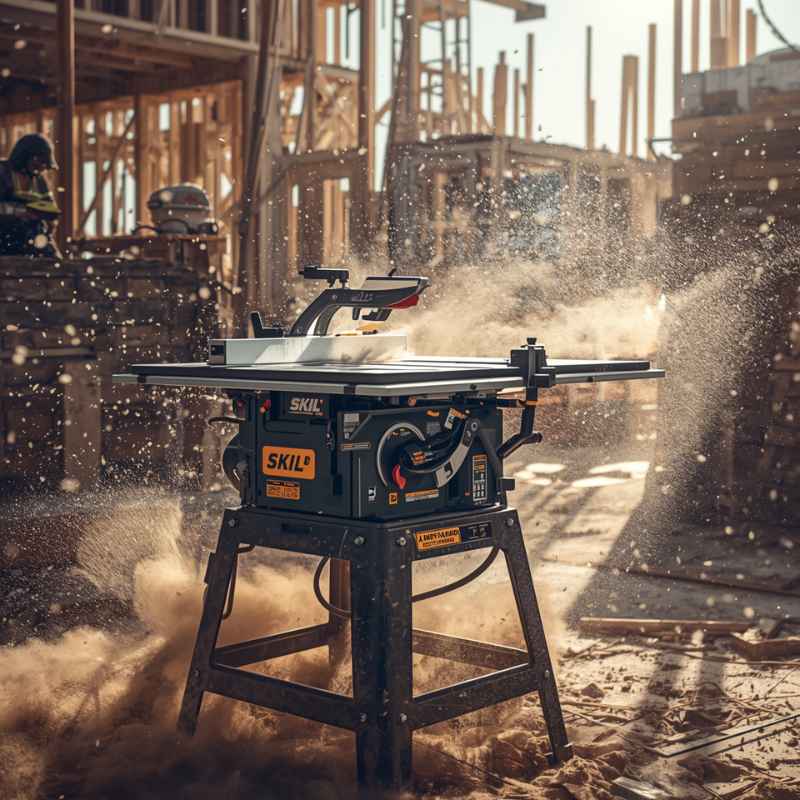
Before the first cut, two setup checks matter more than anything in the manual: fence alignment and blade height. Unfold the stand, lock the legs, and confirm the saw doesn’t rock on the floor — a wobbly base throws off every measurement that follows.
Next, run a test rip on a piece of scrap 1×6 pine before touching a real project board. Push it through slowly and check that the offcut is the same width from end to end. If it tapers, the fence isn’t parallel to the blade yet and needs adjusting before you cut anything that matters.
Once the fence is trued up, it typically stays put through normal use — just recheck it after transporting or folding the stand, since that’s when small shifts tend to happen.
Understanding the Skil Saw’s Core Components
To really know if a tool is for you, it helps to peek under the hood, so to speak. Even without taking it apart, understanding the main parts of the Skil saw 10 inch table saw helps you appreciate what it can do and where its limits might be. It’s like knowing your car’s engine and tires; it helps you drive better and know when it’s time for maintenance.
The Motor: The Heartbeat of the Saw
We talked about the 15-amp motor. This is the engine that spins the blade. For home use, 15 amps is a good starting point.
It means the saw has enough gusto to power through most common woods. If you plan on cutting very dense hardwoods regularly, or cutting thick stock, you might find yourself wishing for a bit more power. But for pine, oak, maple, and other standard project woods, it’s usually sufficient.
Think of it like a car engine: a V6 is great for most daily driving, but a V8 might be better for towing heavy loads.
The Blade and Arbor: Where the Cutting Happens
The blade is the business end. A 10-inch blade is standard and widely available. Most saws come with a basic, general-purpose blade.
For cleaner cuts, especially on plywood or hardwoods, upgrading to a higher-tooth-count blade is often recommended. The arbor is the shaft the blade mounts onto. A sturdy arbor helps keep the blade stable and true during cuts, reducing vibration.
The Fence: Your Straight Cut Guide
The fence is probably one of the most critical components for accuracy. It’s the guide that your workpiece slides against. A good fence on the Skil saw is designed to be parallel to the blade and lock down firmly.
This ensures your ripped boards are the same width from end to end. Cheaper saws might have fences that are wobbly or hard to align. The Skil’s fence aims for stability and ease of use, which is great for beginners and intermediate users.
The Miter Gauge: For Crosscuts and Angles
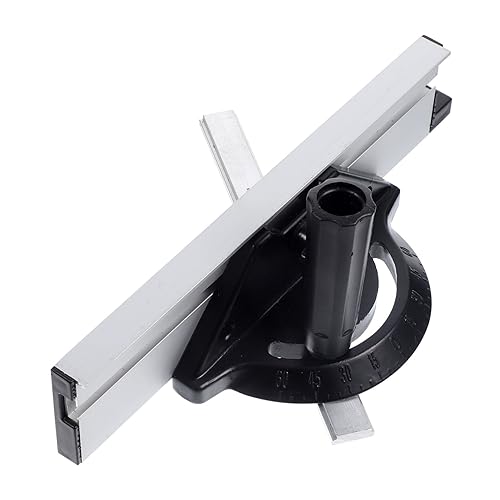
The miter gauge slides in a slot on the table and guides your workpiece for crosscuts. It usually has detents (preset stops) for common angles like 90 and 45 degrees. A good miter gauge is essential for making square cuts across the width of a board.
While the one included with the Skil saw is functional, serious woodworkers often upgrade to a more precise, heavier-duty miter gauge for critical projects.
The Tabletop: Your Working Surface
The table is where all the action happens. It needs to be flat and smooth. A cast-iron table is often preferred for its weight and vibration-dampening qualities.
Some saws, especially more portable ones, use aluminum or steel tops. The Skil saw typically features a cast-iron or aluminum top. It should be large enough to support your workpieces comfortably.
Dust Collection: Keeping Things Tidy
Cutting wood creates a lot of dust. Most modern table saws, including this Skil model, have a port for connecting a shop vacuum or dust collector. This is super important.
It helps keep your work area cleaner, reduces airborne dust (which is bad for your lungs), and can even prolong the life of your saw by preventing dust buildup. The effectiveness of the dust collection really depends on the power of your vacuum and the design of the saw’s housing.
Safety Features: Guards and Switches
Safety is paramount with any power tool, especially a table saw. The Skil saw usually includes a blade guard, a splitter (a metal blade that follows the saw blade to prevent kickback), and anti-kickback pawls. It also has a safety on/off switch, often a large paddle style, that can be easily reached in an emergency.
Understanding how these work and using them is non-negotiable.
Key Features at a Glance
Motor Power: Typically 15 Amp, offering good torque for common tasks.
Blade Size: Standard 10-inch blade. Compatible with many aftermarket blades.
Max Depth of Cut: Around 3 1/2 inches at 90 degrees. Good for most dimensional lumber.
Rip Capacity: Usually enough to rip a 4×8 sheet of plywood in half, or cut boards up to around 25-30 inches wide. This is crucial for cabinet making or larger projects.
Integrated Stand: Often includes a folding stand for portability and easy storage.
Weight: Varies, but generally within the range for a portable table saw (e.g., 50-70 lbs), making it manageable for one person.
Dust Port: Standard 2 1/2 inch port for dust collection hookup.
Performance in the Real World: What to Expect
Okay, so we know what it is, but how does it feel to use? This is where personal experience and observations really shine. Many users find the Skil saw 10 inch table saw to be a solid performer for its price point.
It’s not a cabinet saw that will chew through 8/4 maple like butter, but it’s a huge step up from handheld tools.
Cutting Through Different Woods
When you’re ripping a piece of 2×4 pine, it cuts like a dream. The motor has enough power, and the blade spins true. You get a clean line.
Now, try ripping a piece of 3/4-inch oak. You’ll notice the motor works a bit harder. You might need to push the wood a little more deliberately, and the sound changes.
It’s still doing the job, but it’s definitely at its limit. If you’re constantly working with hardwoods this thick, you might want to consider a saw with more power or a different motor type.
For crosscutting, the miter gauge is usually adequate. If you take your time and keep the wood pressed firmly against the gauge and the table, you can get square cuts. Many people find that the stock miter gauge isn’t perfectly precise, and they upgrade it.
But for general projects, it’s functional.
Accuracy and Adjustments
One of the first things I check on any table saw is how well the fence aligns with the blade. On the Skil saw, adjustments are usually straightforward. You might need to spend a little time aligning it perfectly parallel to the blade.
Once it’s set, it generally stays put. The depth adjustment is also usually smooth. You turn a handle, and the blade goes up or down.
It’s pretty intuitive.
The tabletop flatness is another key performance indicator. Most reviews suggest the table is reasonably flat for the price. Small deviations are common in saws at this level, but they are usually minor and don’t affect most DIY projects.
If you’re building furniture that requires extremely tight joinery, you might notice these small imperfections.
Dust Collection Effectiveness
This is a mixed bag on many portable saws. The Skil saw usually has a dust port. When you hook up a decent shop vac, it does a decent job of capturing dust that’s generated right at the blade.
However, don’t expect miracles. Some dust will always escape, especially if you’re ripping long boards or cutting sheet goods. A good blade and proper technique can help minimize this, but it’s rarely perfect without a dedicated dust collection system.
Performance Snapshot
Best For: Small to medium home projects, DIY enthusiasts, hobbyists, beginners.
Good For: Ripping and crosscutting softwoods (pine, fir), basic bevel cuts, occasional hardwood use.
Challenging For: Heavy, continuous use with dense hardwoods, very large sheet goods without support, extremely high-precision fine woodworking.
Real-World Scenarios: Where This Saw Shines
Imagine this: it’s a Saturday morning. You’ve got a pile of 1×4 pine boards you bought for that garden planter box you sketched out. Instead of wrestling with a circular saw and a long guide clamped to the wood, you wheel out your Skil saw 10 inch table saw.
The stand unfolds easily. You set the fence to 3 inches, and with a few passes, you have perfectly uniform strips for the sides of your planter. Then, you set the miter gauge for 12 inches and quickly cut all your pieces to length.
That’s the kind of scenario where this saw truly shines. It takes the guesswork and a lot of the labor out of repetitive cuts. It’s perfect for making drawer boxes, shelving units, simple frames, or cutting components for craft projects.
The ability to quickly set the fence or the miter gauge and make identical cuts again and again saves a huge amount of time and frustration.
Another situation is when you need to cut a dado. This is a groove cut into a board to accept another piece, like the bottom of a cabinet. While you can’t typically use a dado blade stack on smaller saws due to motor power and arbor size limitations, you can often make multiple parallel cuts with a standard blade to create a shallow dado.
The precision of the fence makes this achievable.
Even something as simple as trimming the ends off a few boards to make them fit a specific space becomes much easier and more accurate. The portability of the saw means you can set it up on your workbench or the floor, make your cuts, and then fold it up and put it away. This flexibility is invaluable for people working in shared spaces or smaller garages.
What This Means for Your Projects
When you’re considering a Skil saw 10 inch table saw, think about the kind of projects you actually do or want to do. If your dream is to build heirloom-quality furniture with intricate joinery from exotic hardwoods, this saw might leave you wanting more. It’s not designed for that level of professional, heavy-duty work.
However, if you’re building a workbench, a shed, or cabinets for your garage, or even creating custom home decor items, this saw is likely a fantastic option. It means you can achieve cleaner, straighter, and more accurate cuts than you could with a handsaw or circular saw alone. This leads to better-fitting joints and a more professional-looking final product.
It means you can tackle projects that require many identical pieces with confidence. You won’t be measuring and cutting each one individually with the hope that they’re all the same. You set the fence or miter gauge once, and then you cut them all to the same size.
This is a massive time saver and dramatically improves consistency.
For DIYers, it means you’re entering a new realm of woodworking possibilities. You can plan more complex projects because you have a tool that can reliably make the necessary cuts. It can boost your confidence in your woodworking abilities.
It also means you need to be mindful of its limitations. Pushing it too hard can lead to frustration or potential safety issues.
Implications for Home Woodworkers
Increased Accuracy: Achieve straighter and more precise cuts compared to handheld tools.
Time Savings: Quickly make repetitive cuts with consistent results.
Project Expansion: Enables more complex projects requiring precise dimensions.
Improved Finish: Better-fitting joints lead to a more professional final look.
Space Efficiency: Portable design with an integrated stand is ideal for smaller workshops.
Learning Curve: Requires understanding of safety procedures and basic operation.
Quick Tips for Using Your Skil Saw
When you’re using your Skil saw 10 inch table saw, a few simple practices can make a world of difference in both the quality of your cuts and your safety. It’s all about working smart.
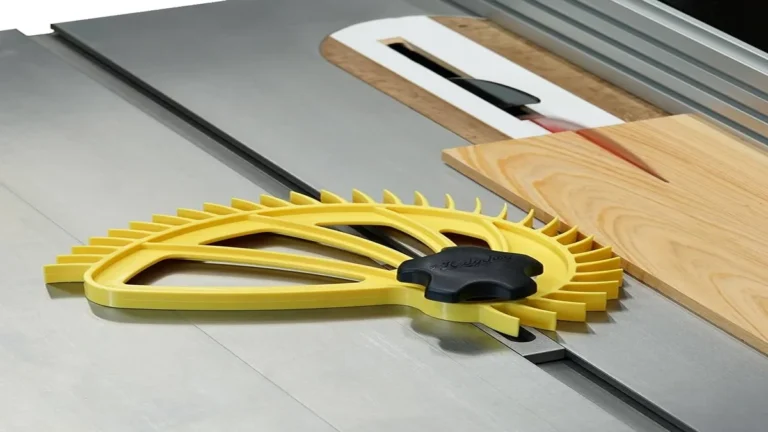
Always use the guard and splitter: Unless you have a very specific reason not to, and you understand the risks, keep the blade guard on. The splitter is your best friend against kickback. It keeps the kerf (the cut line) open behind the blade.
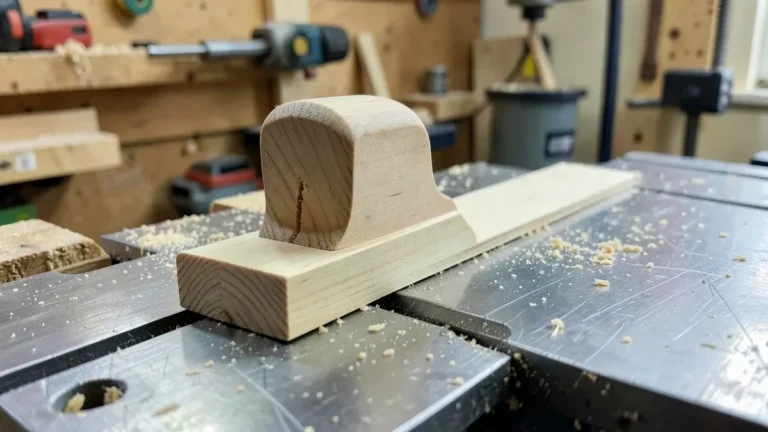
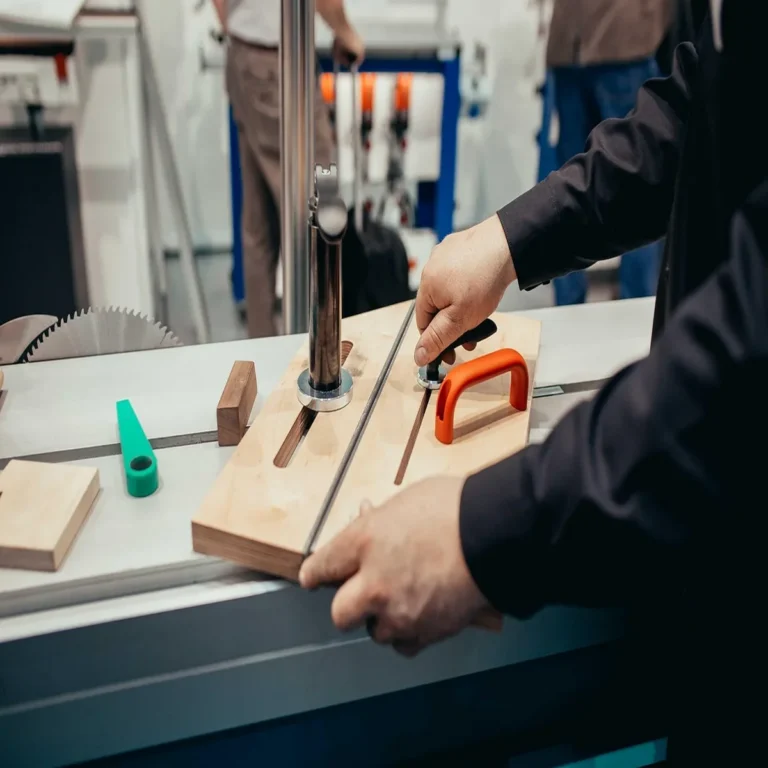
Use a push stick for small pieces: When you’re ripping small pieces, your fingers will get too close to the blade. A push stick (or a push block) is a simple tool that extends your reach and keeps your hands safe. You can buy them or make them easily.
Stand to the side of the blade: Never stand directly behind the blade when you’re cutting. If the wood kicks back, it can come right at you with dangerous force. Position yourself to the side of the cutting path.
Let the saw do the work: Don’t force the wood through the blade. If you have to push hard, the blade might be dull, the motor is struggling, or you’re trying to cut material that’s too thick or too hard for the saw. Ease up and let the blade cut.
Forcing it can lead to bogging down, burning, or kickback.
Keep your eye on the fence: As you push the wood through, keep it firmly against the fence and the table. Don’t let it drift away from the fence, as this will cause your cut to become wider than intended. Ensure the back edge of the wood is also following the fence smoothly.
Dust management is key: Even if it’s just a shop vac, connect it. Vacuuming up the dust as you cut makes for a cleaner and safer environment. It also helps prevent dust buildup in the saw’s mechanisms, which can affect performance over time.
Check alignment regularly: Periodically check that your fence is still parallel to the blade and that your miter gauge is still cutting square. Vibrations can sometimes cause these settings to shift slightly.
Use the right blade for the job: While a general-purpose blade works, consider investing in blades specifically for ripping or crosscutting if you do a lot of one type of cut. A sharper, more appropriate blade makes cutting easier and cleaner.
Quick Tips for Better Cuts
- Use Safety Gear: Always wear eye protection and hearing protection.
- Push Sticks Are Essential: Never cut small pieces without one.
- Maintain Fence Alignment: Ensure it’s parallel to the blade for accurate rips.
- Avoid Forcing: Let the blade cut at its own pace.
- Clear Dust: Connect a vacuum for a cleaner workspace and better air quality.
- Check Settings: Periodically verify fence and miter gauge accuracy.
Frequently Asked Questions About the Skil Saw 10 Inch Table Saw
Is the Skil saw 10 inch table saw good for beginners?
Yes, the Skil saw 10 inch table saw is generally considered a good option for beginners. It offers essential features in a user-friendly package, and its portability makes it easy to set up and store. The emphasis on safety features like blade guards and splitters is also helpful for those new to table saws.
Can this saw cut hardwoods like oak and maple?
It can cut hardwoods, but with limitations. The 15-amp motor has enough power for thinner hardwoods or occasional cuts. However, if you plan on frequently ripping thick hardwoods (e.g., 2 inches or more), you might experience bogging down or slower cuts.
For heavy hardwood use, a more powerful saw might be better.
What kind of dust collection can I expect?
The Skil saw typically has a standard dust port. When connected to a shop vacuum, it will capture a good portion of the dust produced. However, for maximum dust collection, a dedicated dust collector or a more powerful vacuum is usually recommended.
Some dust is always expected to escape with portable saws.
How portable is this table saw?
It’s designed for portability. The integrated folding stand makes it easy to set up and take down. The weight is usually manageable for one person to move, though it’s still a substantial tool.
This makes it great for users with limited workshop space or those who need to move their tools around.
Can I use a dado blade with this saw?
Most portable table saws, including many Skil models, are not designed to handle dado blade stacks. This is usually due to motor power limitations and arbor shaft size. Check your specific model’s manual, but generally, you should avoid using dado blades with this type of saw.
You can often create shallow dadoes by making multiple parallel cuts with a standard blade.
What is the typical rip capacity of the Skil saw 10 inch table saw?
The rip capacity varies slightly by model, but it’s typically enough to rip a 4×8 sheet of plywood down the middle (around 25-27 inches). It can also cut boards wider than that, allowing for many common project needs like making cabinet sides or tabletops.
Final Thoughts on the Skil Saw 10 Inch Table Saw
Choosing the right tools is a journey, and for many home woodworkers, the Skil saw 10 inch table saw represents a fantastic stepping stone. It’s a tool that bridges the gap between basic woodworking and more involved projects. You get the accuracy and consistency of a table saw without the massive footprint or cost of a professional-grade machine.
It’s a capable workhorse for DIY tasks, offering a great balance of power, features, and portability. Remember to respect its limits, use it safely, and you’ll find it can help you build many of the projects you’ve been dreaming about. Happy building!
Sponsored / affiliate links. As an Amazon Associate I earn from qualifying purchases. I may earn additional commission from eligible campaigns.