Bullard Wood Burning Stove: Is It Worth Buying?
A Bullard wood burning stove is generally a solid choice for those seeking a reliable and durable heating solution, often praised for its robust construction and efficient heat output. While they might not boast the cutting-edge technology of some newer brands, their straightforward design and long lifespan make them a worthwhile investment for many homeowners looking for dependable warmth.
What Makes a Bullard Wood Stove Stand Out?
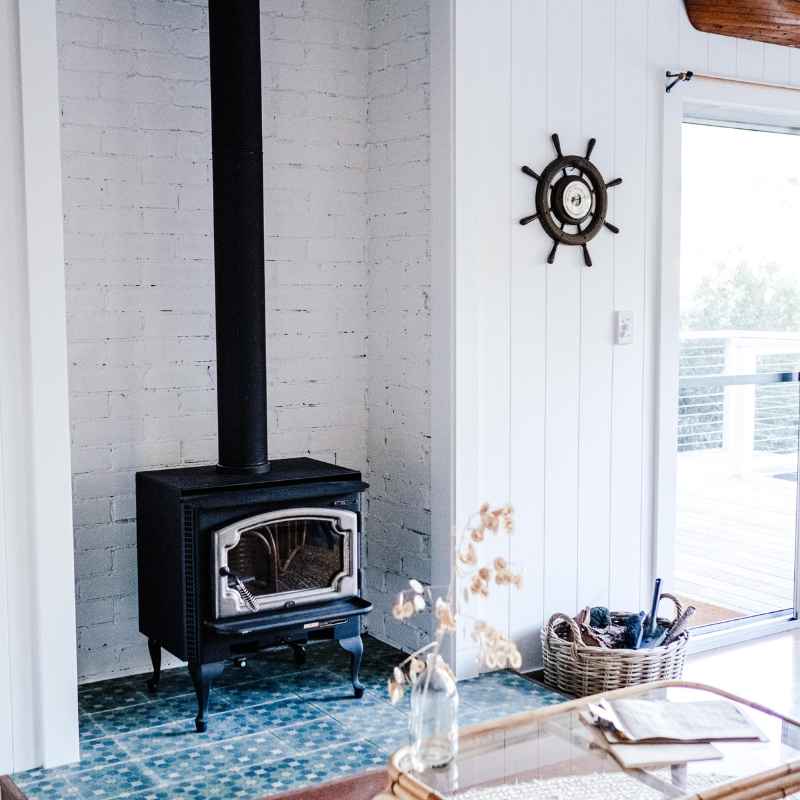
When you think about a wood stove, what comes to mind? Probably a sturdy metal box that throws off a lot of heat. Bullard stoves fit that image.
They are built tough. This means they can handle the heat and wear of everyday use. They focus on making a stove that lasts a long time.
You won’t find many fancy digital displays on a Bullard. Instead, you get a simple, effective way to burn wood.
The main goal of any wood stove is to heat your home. Bullard stoves do this well. They are designed to get the most heat out of the wood you put in.
This is called efficiency. A more efficient stove uses less wood to produce the same amount of heat. This can save you money and reduce how often you need to reload the stove.
Bullard stoves often use good insulation and airflow design to achieve this. They aim for a clean burn, which means less smoke and more heat.
One thing that really matters with a wood stove is safety. Bullard stoves are built with safety in mind. They have features to keep the fire contained.
They also have ways to manage the airflow so the fire burns safely. Following the user manual is key for any stove. But a well-built stove gives you a better start.
It helps keep your home and family safe while you enjoy the fire.
My Own Bullard Stove Adventure
I remember the first winter I moved into my old farmhouse. The heating system was… questionable, let’s say. I knew I needed a supplemental heat source.
My neighbor, a seasoned wood burner, swore by his Bullard. He said it was the “workhorse” of stoves. So, I found a used Bullard model at a local auction.
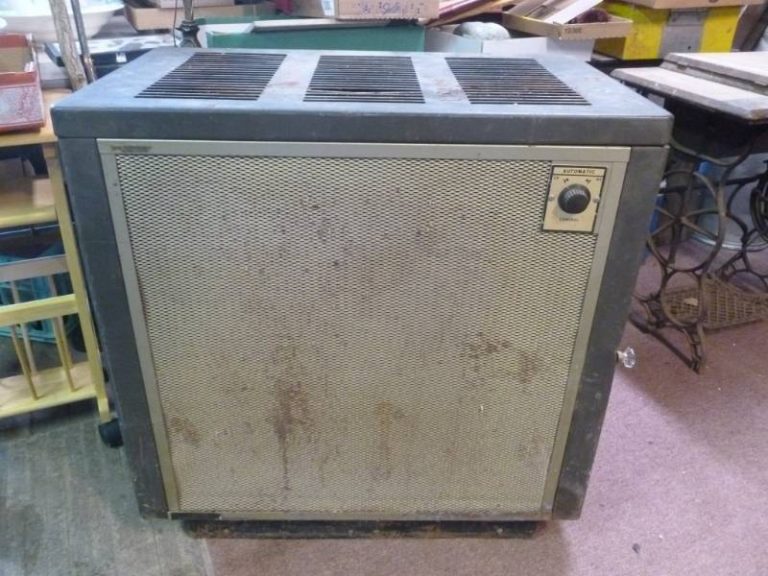
It looked pretty basic, kind of boxy, but it felt solid.
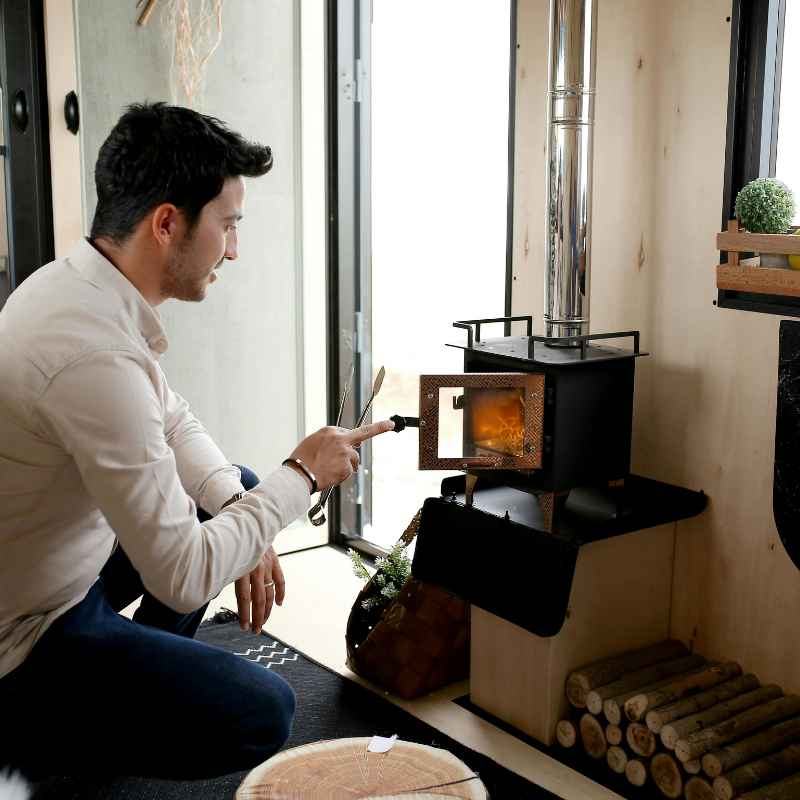
Getting it installed was an adventure. The chimney needed some work. But once it was in, and I loaded it up with dry oak, I was hooked.
That first night, the temperature dropped to almost zero. I cranked up the Bullard. It didn’t just heat the room; it radiated warmth throughout the whole downstairs.
I could feel the heat on my face from across the room. It was a comforting, deep warmth that my old furnace never quite delivered. That simple, honest heat felt like a luxury.
It was a lesson in how a well-made, no-frills appliance can truly make a difference.
I learned quickly that dryness of the wood was everything. Wet wood just smoldered and smoked. But with dry, seasoned logs, the Bullard sang.
The flames danced, and the stove glowed. It was mesmerizing. I felt a real connection to the heat source, knowing I was fueling it myself.
It made the cold winter nights feel cozy and manageable. It was more than just heat; it was a whole vibe.
Bullard Stove’s Core Design Philosophy
Simplicity is Key: Bullard stoves focus on basic, effective heating. You won’t find complicated electronics. This means fewer parts to break.
Durability First: They are made with thick steel or cast iron. This makes them last for many years. They can handle a lot of use.
Efficient Burning: Good airflow design helps wood burn better. This means more heat from less wood. It also creates a cleaner burn.
Safety Features: Built-in safety measures help prevent fires. This includes proper door seals and air controls.
Understanding How Bullard Stoves Work
At its heart, a wood stove is a metal box. But the way it’s designed makes all the difference. Bullard stoves often use a combination of radiant and convective heat.
Radiant heat is the warmth you feel directly from the stove’s surface. It’s like standing near a campfire. Convective heat is the warm air that circulates around your home.
The stove heats the air, and then that air moves through your house.
The key parts of a Bullard stove are its firebox and its air intake system. The firebox is where the wood burns. It needs to be strong and insulated.
Bullard stoves often use firebricks inside the firebox. These bricks help hold heat. They also protect the metal body of the stove from extreme temperatures.
This keeps the stove from wearing out too quickly.
The air intake system is super important. It controls how much air gets to the fire. More air means a hotter, faster fire.
Less air means a slower, cooler fire. Bullard stoves usually have one or two adjustable vents. You can open them up to get the fire going strong.
Then, you can close them down to let the embers smolder and provide heat for a longer time. Learning to control these vents is how you get the most out of your stove. It’s a skill that comes with practice.
How a Wood Stove Heats Your Home: A Simple Look
Step 1: Fueling the Fire You put dry wood into the firebox.
Step 2: Airflow for Burning You open vents to let air in. Air mixes with the wood. This makes the wood burn.
Step 3: Heat Production The burning wood creates heat. This heat warms the stove’s metal and the bricks inside.
Step 4: Heat Distribution The heat warms the air around the stove. This warm air rises and moves through your house. You also feel heat directly from the stove’s surface.
Step 5: Controlling the Burn You adjust the air vents. This controls how fast or slow the wood burns. It also sets how much heat is produced.
Common Bullard Wood Stove Models and Features
Bullard made several models over the years. Many of them share core features. You’ll often see models with large glass doors.
This lets you see the fire, which is a big part of the appeal of a wood stove. Some models have a ash pan. This makes cleaning out the old ashes much easier.
It’s a small feature, but it makes a big difference in daily use.
You might also find models with a secondary burn system. This is a more advanced feature. It means the stove burns off the smoke and gases that would normally go up the chimney.
This makes the stove more efficient and cleaner burning. These systems can be very effective. They make sure you’re getting the most energy from your wood.
Some Bullard stoves are designed for smaller spaces. Others are built for heating larger areas. When looking at a Bullard, pay attention to its BTU output.
BTU stands for British Thermal Units. It’s a measure of heat. A higher BTU means it can heat a larger space.
Also, check the stove’s dimensions. Make sure it will fit where you plan to put it. Proper clearances to combustible materials are also very important for safety.
Key Features to Look For on Bullard Stoves
Large View Door: Lets you enjoy the visual appeal of the fire.
Ash Pan: Makes cleaning out ashes quick and simple.
Secondary Burn System: Boosts efficiency and reduces emissions.
Durable Firebricks: Protect the stove and help retain heat.
Adjustable Air Controls: Allow precise management of the burn rate.
Robust Construction: Built from heavy-gauge steel or cast iron for longevity.
Real-World Performance and User Experiences
When you talk to people who own Bullard stoves, you hear similar things. Many talk about how long they’ve had their stove. Twenty, thirty, even forty years is not uncommon.
This speaks to the solid build quality. People appreciate that they don’t have to replace it often. It’s an investment that pays off over time.
The heating ability is usually praised. Users report that Bullard stoves provide ample heat for their homes. Some mention that they can heat their entire house with just one stove, especially with proper airflow management.
Others use it as a primary heat source, supplemented by another system during the coldest snaps. The warmth is often described as a deep, cozy heat that’s different from forced air systems.
However, like any appliance, there are things to be aware of. Some users mention that older models might not be as efficient as the newest EPA-certified stoves. The burn might be a bit smokier if not managed perfectly.
This is where understanding how to operate the stove comes in. Knowing how to control the air vents and using dry, seasoned wood makes a huge difference. Also, maintenance is key.
Regular cleaning of the chimney and the stove itself is vital for safe and efficient operation.
What Owners Say About Bullard Stoves
Longevity: “My Bullard has been heating our cabin for over 30 years. It’s a tank!”
Heat Output: “This stove puts out serious heat. We often have to turn it down on mild days.”
Simplicity: “I love that it’s not complicated. Easy to use and easy to maintain.”
Reliability: “It’s never let us down, even during power outages. It’s our go-to heat source.”
Learning Curve: “Took a little while to get the hang of the air controls, but once I did, it was perfect.”
Efficiency Ratings and Environmental Impact
Efficiency is a big deal with wood stoves. Newer stoves are held to higher standards. The Environmental Protection Agency (EPA) sets these standards.
They measure how much of the wood’s energy is converted to heat and how much goes up the chimney as smoke. Older stoves, like many Bullard models, might not meet the latest EPA standards. This means they could be less efficient.
An older Bullard might have an efficiency rating in the 60-70% range. Newer EPA-certified stoves can reach 75-85% or even higher. What does this mean for you?
A less efficient stove uses more wood to produce the same amount of heat. You’ll find yourself buying or chopping more firewood. Also, less efficient stoves produce more smoke and particulate matter.
This is what goes into the air.
However, it’s not always black and white. A well-maintained older stove, like a Bullard, that is operated correctly with very dry wood, can still perform quite well. The key is using seasoned hardwood.
This provides the best heat and the cleanest burn possible for any stove. If you are concerned about emissions, look for Bullard models that might have had secondary burn features, or be aware that newer stoves are designed to be much cleaner.
Efficiency vs. Older vs. Newer Stoves
Older Bullard Stoves (Pre-EPA Certified):
- Efficiency: 60-70% (can vary greatly with operation and wood quality)
- Emissions: Higher smoke and particulate output
- Operation: Simpler air controls, more manual adjustment needed
Newer EPA-Certified Stoves:
- Efficiency: 75-85%+
- Emissions: Significantly lower smoke and particulate output
- Operation: Often have advanced air wash systems and secondary burn for cleaner burns
Important Note: Even an older stove can be quite efficient if operated with properly seasoned hardwood and maintained well.
Maintenance and Care for Your Bullard Stove
Taking care of your Bullard stove is crucial. It keeps it running safely and efficiently for years. The most important job is cleaning the chimney.
Creosote, a sticky black substance, builds up inside the chimney as wood burns. If it gets too thick, it can catch fire. This is called a chimney fire, and it can be very dangerous.
You should have your chimney inspected and cleaned at least once a year, maybe more if you use your stove heavily. Look for a reputable chimney sweep. They have the right tools and know-how.
Also, clean out the ash pan regularly. Don’t let ashes pile up too high in the firebox. They can block airflow and make the fire burn poorly.
A good time to do this is when the stove is completely cool.
Check the door gasket. This is the rope-like seal around the stove door. It keeps the door airtight.
If it’s worn or damaged, the stove won’t burn as efficiently. You can usually replace these gaskets yourself. You can also check the firebricks inside the firebox.
If they are cracked or crumbling, they should be replaced. This protects the stove’s body.
Essential Bullard Stove Maintenance Checklist
Annual Chimney Sweep: Crucial for preventing chimney fires. Inspect for damage.
Ash Removal: Clean out the ash pan and firebox regularly (when cool).
Door Gasket Check: Ensure a tight seal for efficiency. Replace if worn.
Firebrick Inspection: Look for cracks or crumbling. Replace damaged bricks.
Stove Exterior Cleaning: Wipe down the outside to keep it looking good and to remove any dust or soot.
Check Air Controls: Make sure vents move freely and are not blocked.
Are Bullard Wood Stoves Still Made?
This is a common question. Bullard as a brand isn’t as prominent today as it once was. Many older Bullard stoves were made by companies that have since been bought or closed.
For example, some Bullard stoves were made by the Portland Stove Foundry. The landscape of appliance manufacturing changes. Companies merge, products are discontinued, and new ones take their place.
This doesn’t mean you can’t find them. You can often find used Bullard stoves for sale. Places like online marketplaces, auction sites, and sometimes even local classifieds are good spots to look.
When buying a used stove, it’s really important to inspect it carefully. Look for rust, cracks, and check how the door seals. Make sure it’s safe to operate.
If possible, see it in action or talk to the previous owner about its condition.
If you can’t find a Bullard, or if a used one isn’t the right fit, there are many other brands that offer similar solid, no-nonsense wood stoves. Look for manufacturers known for durable construction and good heating performance. The core idea is still the same: a well-built appliance that can provide reliable heat.
Finding and Evaluating Used Bullard Stoves
Where to Look:
- Online auction sites (eBay, Craigslist, Facebook Marketplace)
- Local classified ads and newspapers
- Farm or equipment auctions
- Antique shops or salvage yards
What to Check Carefully:
- Body: Look for significant rust or holes. Small surface rust can often be dealt with.
- Door Seal: Is the gasket intact? Does the door close tightly?
- Firebricks: Are they mostly intact? Heavy crumbling might mean replacement is needed.
- Air Controls: Do they move freely? Can you adjust them easily?
- Chimney Connection: Is the collar where the stove pipe attaches in good condition?
Safety First: If in doubt, consult a professional installer or chimney sweep before purchasing or installing a used stove.
Is a Bullard Wood Stove Worth Buying?
So, the big question: is a Bullard wood stove worth buying? For many people, the answer is yes, especially if you find one in good condition. They are known for being tough and reliable.
If you’re looking for a no-frills, hard-working stove that will last for many years, a Bullard can be a great choice.
Think about what you want from a stove. If you want the latest high-tech features and the absolute highest efficiency rating, you might lean towards a newer model from a different brand. But if you value solid construction, simple operation, and a deep, comforting heat that lasts, a Bullard can be an excellent option.
The key is finding one that has been well-cared for.
Consider the cost too. Used Bullard stoves are often much less expensive than new stoves. This makes them accessible for people on a tighter budget.
Just remember to factor in any potential repair or cleaning costs. A well-maintained Bullard can provide years of reliable service. It offers that classic wood-burning experience many people crave.
Bullard Wood Stove: Pros and Cons at a Glance
Pros:
- Durability: Built to last for decades.
- Reliability: Simple design means fewer things to go wrong.
- Heat Output: Generally provide substantial warmth.
- Cost (Used): Often much more affordable than new stoves.
- Simplicity: Easy to operate and maintain for those who prefer straightforward mechanics.
Cons:
- Efficiency: May not meet modern EPA standards for efficiency and emissions.
- Availability: No longer manufactured new, so finding one requires searching.
- Features: Lacks advanced features found in newer stoves.
- Safety (Used): Requires careful inspection to ensure safe operation.
Safety First: Important Considerations
No matter what wood stove you choose, safety has to be your top priority. This is especially true for older stoves like many Bullards. You need to make sure the installation is done correctly.
This includes proper clearances to anything that can burn, like walls and furniture. It also means a properly installed and maintained chimney system.
A carbon monoxide detector is an absolute must. This is a silent, odorless gas that can be deadly. Wood stoves produce carbon monoxide as they burn.
If there’s a blockage in the chimney or a leak in the stove, it can build up inside your home. Always have working carbon monoxide detectors on each level of your home, especially near sleeping areas.
Also, practice safe burning habits. Always use dry, seasoned hardwood. Never burn trash, treated wood, or accelerants like gasoline.
Keep flammable materials away from the stove. And again, regular chimney cleaning is not optional; it’s essential for safety. If you’re ever unsure about your stove’s safety or operation, consult a qualified professional.
It’s better to be safe than sorry.
Essential Safety Checks and Practices
Professional Installation: Ensure your stove and chimney are installed to code.
Clearances: Maintain recommended distances between the stove and combustible materials.
Carbon Monoxide Detectors: Install and regularly test them on every floor.
Use Dry Hardwood: Never burn trash, treated wood, or wet fuel.
Chimney Maintenance: Schedule annual inspections and cleanings.
Fire Extinguisher: Keep a suitable fire extinguisher nearby.
Frequently Asked Questions About Bullard Wood Stoves
Are Bullard wood stoves energy efficient?
Older Bullard wood stoves may not meet the strict EPA efficiency standards of newer models. While they can provide substantial heat, they might use more wood than a modern, EPA-certified stove. Their efficiency largely depends on the specific model, how well it’s maintained, and the quality of the wood used.
Where can I find parts for a Bullard wood stove?
Since Bullard stoves are no longer manufactured new, finding specific
How do I know if a used Bullard stove is safe to buy?
Carefully inspect the stove for any signs of rust-through or cracks in the metal body. Check that the door seals tightly and that the air controls move freely. It’s highly recommended to have a professional chimney sweep or stove installer inspect the unit before purchasing or installing it.
They can identify potential safety hazards.
What type of wood is best to burn in a Bullard stove?
The best wood to burn in any wood stove, including a Bullard, is dry, seasoned hardwood. This includes woods like oak, maple, hickory, and ash. These woods burn hotter and longer, producing more heat and less creosote buildup compared to softwoods like pine or fir, or wet/unseasoned wood.
Can a Bullard wood stove heat my entire house?
Whether a Bullard stove can heat an entire house depends on several factors. These include the size of your home, how well it’s insulated, the stove’s BTU output, and how the heat distributes. Larger, well-built Bullard models might heat a smaller or well-insulated home.
For larger homes, it might serve as a primary heat source in conjunction with another system or heat a specific zone effectively.
What is the typical lifespan of a Bullard wood stove?
Bullard wood stoves are known for their robust construction. With proper maintenance, including regular cleaning and occasional replacement of parts like firebricks or gaskets, a Bullard stove can last for several decades. Many owners report them lasting 20, 30, or even more years.
Final Thoughts on Bullard Wood Stoves
Choosing a wood stove is a big decision. Bullard stoves represent a piece of heating history. They offer the promise of reliable, honest heat.
If you’re looking for a no-nonsense appliance that’s built to last, a Bullard stove might just be the ticket. Just remember to prioritize safety and proper maintenance. That’s how you’ll get the best from your stove for years to come.