Skyline Wood Burning Stove: Review, Heat Output And Value
A wood burning stove like the Skyline can add warmth and charm to your home. This review covers its heating power, how well it works, what it looks like, and if it’s worth buying. We’ll help you understand if it fits your needs.
What Is the Skyline Wood Burning Stove?
The Skyline wood burning stove is a type of heating appliance. It burns wood to create heat. This heat then warms up the room it’s in, and often surrounding areas too. Many people choose these stoves for their main heat source. Others use them to supplement their existing heating systems. This can save money on bills.
These stoves are designed to be more efficient than an open fireplace. They trap heat better. This means more of the warmth from the burning wood goes into your home. Less heat goes up the chimney. This makes them good for the environment too. They burn fuel more cleanly.
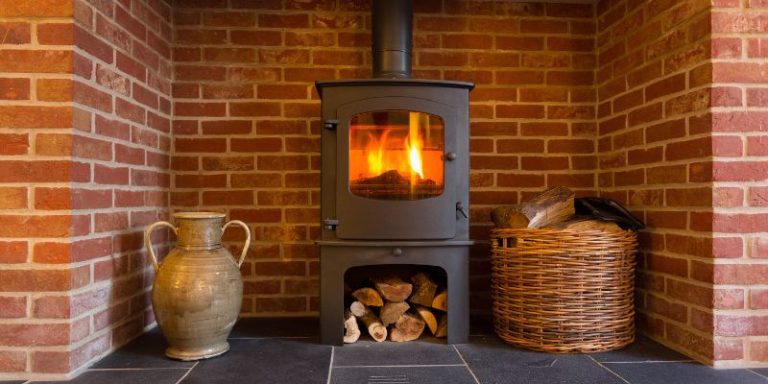
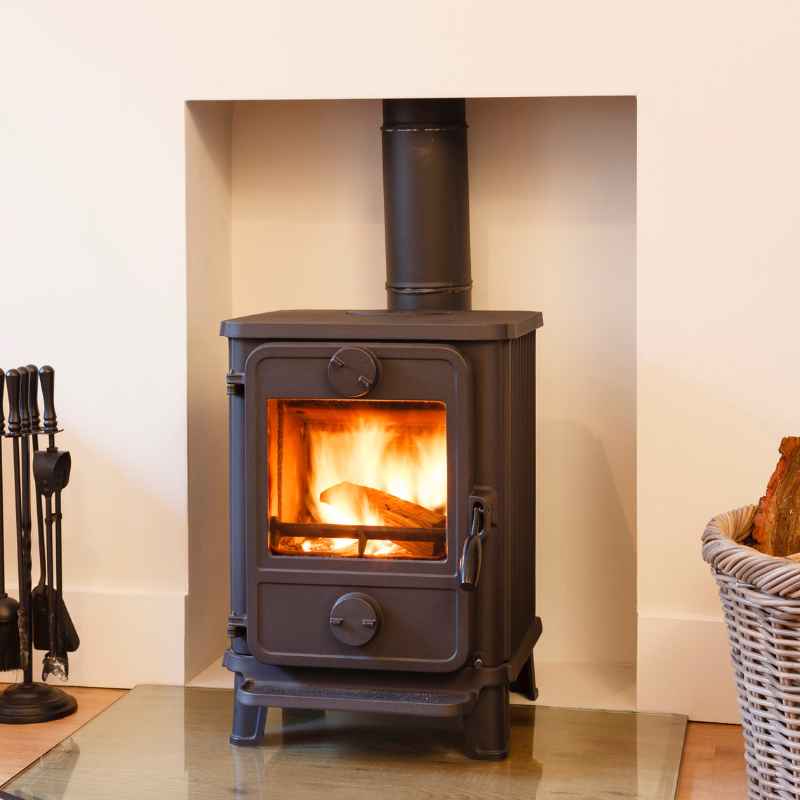
The Skyline model is one option among many. It comes in different sizes and styles. Some are made of cast iron. Others use steel. The glass door lets you see the fire. This is a big part of the appeal for many homeowners. You can watch the flames dance. It creates a very relaxing atmosphere.
My Own Cozy Fireplace Story
I remember one particularly cold January. The wind was howling outside. My old furnace was struggling. The house felt chilly, and I was getting worried about the next energy bill. I’d always admired my neighbor’s wood stove. It looked so inviting. So, I started researching them.
I was a bit intimidated at first. Loading wood? Chimney cleaning? It seemed like a lot of work. But the idea of a warm, glowing fire was too tempting to resist. I visited a local stove shop. The salesman showed me several models. The Skyline caught my eye because of its clean lines. It seemed modern, but still warm and inviting. He explained the heat output and efficiency ratings. It felt like a big decision. I pictured myself curled up with a book, a mug of hot chocolate, and the crackling sound of logs. That image spurred me on.
Skyline Stove: Key Features to Consider
Material: Many Skyline stoves use thick steel. Some may have cast iron elements. Steel heats up fast. Cast iron holds heat longer.
Glass Door: A large glass window is common. It allows you to see the fire. Look for airwash systems to keep the glass clean.
Air Controls: These let you manage the burn. More air makes the fire hotter and faster. Less air makes it smolder and last longer.
Efficiency Rating: This tells you how well it turns wood into heat. Higher is better. It means less wood used and less smoke.
Understanding Heat Output: How Much Warmth Can It Give?
When we talk about heat output, we usually mean British Thermal Units, or BTUs. This is a standard way to measure heat. For wood stoves, you’ll often see ratings in BTUs per hour (BTU/hr). A higher BTU number means more heat.
The Skyline stove comes in different sizes. This means their heat output can vary a lot. A smaller stove might give around 30,000 BTU/hr. A larger one could provide 50,000 BTU/hr or even more.
What does this mean for your home? A good rule of thumb is that you need about 20 BTUs per square foot for a well-insulated home. So, if you have a 1,000 square foot living space, you might need around 20,000 BTU/hr. This is just a rough guide, though. Many things affect how much heat you actually need and feel.
Factors like how well your home is insulated matter a lot. Big windows, old doors, and a leaky roof mean more heat escapes. Your climate plays a role too. Cold climates need more heat than mild ones. Ceiling height also affects the space to be heated.
Heat Output Quick Guide
Small Rooms (e.g., 500 sq ft): 20,000 – 30,000 BTU/hr
Medium Rooms (e.g., 1,000 sq ft): 30,000 – 40,000 BTU/hr
Large Rooms or Open Plans (e.g., 1,500+ sq ft): 40,000 – 50,000+ BTU/hr
Note: These are estimates. Always check stove specs for your specific model.
Efficiency and Emissions: Burning Smarter, Not Harder
Modern wood stoves are designed to be very efficient. This means they get more heat from each piece of wood. Older stoves or open fires could be as low as 10-20% efficient. A good EPA-certified stove, like many Skyline models, can reach 75% efficiency or even higher. This is a huge difference.
What does efficiency mean in practice? It means you use less wood. This saves you money on buying or gathering fuel. It also means less ash to clean up. More importantly, high efficiency means cleaner burning. This is good for air quality inside and outside your home.
The U.S. Environmental Protection Agency (EPA) sets standards for wood stoves. EPA-certified stoves must meet strict limits on emissions. Emissions are the tiny particles released into the air when wood burns. Older stoves released a lot of smoke and harmful particles. This caused air pollution.
EPA-certified Skyline stoves use advanced combustion technology. They often have a secondary burn system. This system burns the smoke and gases that would normally go up the chimney. This extracts even more heat. It also greatly reduces smoke and emissions. When you see a stove with an EPA certification, it’s a good sign.
When looking at a Skyline stove, check for its EPA certification. This is usually stamped on the stove itself or in the manual. It will also list its emission rates. Lower emission numbers are better. For example, a stove might have an emission rate of less than 4.5 grams per hour. This is very clean burning.
Efficiency vs. Emissions
Efficiency: How much heat you get from your wood.
Emissions: How much pollution the stove releases into the air.
Connection: High efficiency usually means low emissions. Modern stoves are designed this way.
Look for: EPA certification is key for clean burning.
Real-World Scenarios: Where and Why a Skyline Stove Shines
Imagine you live in a farmhouse in Vermont. Winters are long and cold. You have a nice big living room. It gets drafty when the wind blows hard. A Skyline stove, especially a larger model, would be perfect here. It could easily heat that main living space. It would give off a comforting warmth that central heating can’t always match. Plus, the visual appeal of a real fire is a big bonus in a rustic setting.
Now think about a cabin in the woods in Oregon. Maybe it’s a weekend getaway. You want it to be cozy when you arrive. You don’t want to rely on electricity that might go out. A Skyline stove can pre-heat the cabin. It provides a reliable heat source. It also creates that perfect rustic ambiance. You’d want a model that heats up quickly and can maintain a steady temperature.
What about a suburban home in Colorado? You have a main heating system but want to cut costs. You also love the idea of a fireplace. A smaller to medium-sized Skyline stove could be installed in your main living area. You could use it on evenings and weekends. This would significantly reduce your gas or electric heating use. It also adds a lovely focal point to the room. Safety is important here, so proper clearances to walls and furniture are vital.
Even in a well-insulated, modern home in California, a wood stove can be an option. You might use it to heat a specific zone. Perhaps a family room or den. It’s about comfort and ambiance. You’d need a very efficient, low-emission model. The wood fuel source would also be important. Buying local firewood is often more sustainable.
The design of the Skyline stove also matters. Some have a more traditional look. Others are sleeker and more contemporary. This means you can choose one that fits your home’s style. Whether your home is rustic, modern, or somewhere in between, there’s likely a Skyline model to match.
Situations Where a Wood Stove Excels
Off-Grid Living: Reliable heat source without electricity.
Cost Savings: Reduces reliance on expensive fossil fuels.
Ambiance: Creates a cozy, inviting atmosphere.
Supplemental Heat: Warms specific areas or rooms.
Power Outages: Provides heat when other systems fail.
Design and Aesthetics: More Than Just a Heater
When you think about a wood stove, it’s not just about the heat it produces. The way it looks is a big part of its appeal. The Skyline stove often features a clean, modern design. This can fit well into many home decors. Some models might have a more classic look with decorative elements.
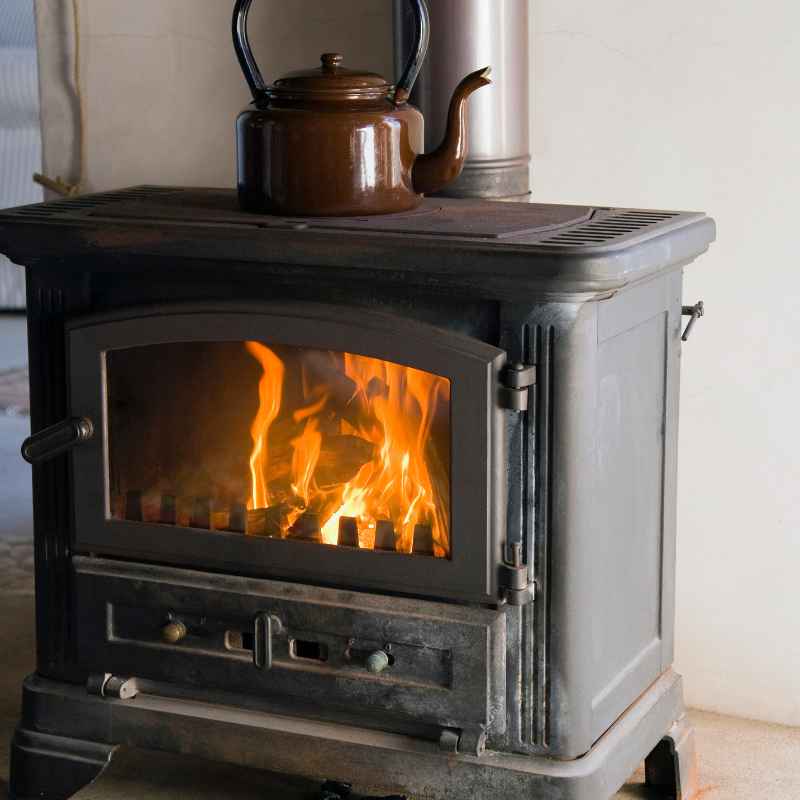
The materials used also affect the look and feel. Steel stoves tend to look more contemporary. They heat up quickly. Cast iron stoves often have a more traditional, robust appearance. They retain heat well, providing a steady warmth even after the fire dies down. Many Skyline stoves use a combination of steel and cast iron.
The large glass door is a signature feature of many modern wood stoves. It’s not just for looks. It allows you to enjoy the visual warmth of the fire. This is a major reason why people love wood stoves. You can watch the flames, which can be very relaxing and hypnotic. The glass also helps to radiate some heat into the room.
Look at the details. Are the handles and vents stylish? Do they complement the overall design? Some stoves offer different finishes. You might find black, grey, or even enamel colors. The hearth you place it on also adds to the look. Stone, tile, or brick hearths are common and provide a safe, beautiful base.
The flue pipe and chimney system are also part of the overall aesthetic. Some modern installations hide these as much as possible. Others make them a feature, using stainless steel pipes. The goal is to make the stove look like a natural, attractive part of your home’s interior design. It should be a focal point.
Design Elements to Note
Body Material: Steel for modern look, cast iron for classic feel.
Glass Door: Provides a view of the fire; check for airwash.
Handles & Vents: Details that match your style.
Color Options: Black, grey, or enameled finishes available.
Overall Shape: Sleek and modern, or robust and traditional.
Installation and Safety: A Must-Know
Installing a wood stove is not a DIY project for most people. It involves working with fire and structural components of your home. Safety is the number one priority. Improper installation can lead to serious risks, including house fires and carbon monoxide poisoning.
You need to hire a certified professional installer. They will ensure the stove is installed correctly according to manufacturer instructions and local building codes. This includes proper clearances. Stoves need space around them. They must be kept away from combustible materials like curtains, wood furniture, and walls.
The chimney system is also critical. It must be the right type and size for the stove. It needs to be installed correctly with proper support and sealing. A well-functioning chimney draws smoke out of the house. It also prevents creosote buildup, which can cause chimney fires.
You will also need a proper hearth pad under the stove. This is a non-combustible surface. It protects your floor from heat and dropped embers. Building codes dictate the size and type of hearth required. Make sure you have carbon monoxide detectors installed on every level of your home. Test them regularly.
Operating the stove safely is just as important as installation. Always use dry, seasoned firewood. Wet wood burns poorly and creates more smoke and creosote. Never use accelerants like gasoline to start a fire. Burn only approved materials. Most manufacturers warn against burning trash or treated wood. Always close the stove door when it’s in operation. Keep children and pets away from the hot stove.
Safety Checklist
Professional Installation: Mandatory for safety and code compliance.
Clearances: Maintain required space from walls and furniture.
Hearth Pad: Non-combustible material required beneath the stove.
Carbon Monoxide Detectors: Install and test regularly.
Seasoned Firewood: Use only dry, cured wood.
The Value Proposition: Is the Skyline Worth Your Money?
When considering the value of a Skyline wood stove, think about more than just the purchase price. You’re investing in a heating system. You’re also investing in comfort and ambiance.
The initial cost of a Skyline stove can vary. It depends on the size, features, and finish. You also need to factor in the cost of installation. This can be several thousand dollars. Add to that the cost of a new chimney system if needed. Hearth materials also add to the expense.
However, the long-term savings can be significant. If you use your wood stove as a primary or even secondary heat source, you’ll use less electricity or gas. This means lower monthly utility bills. Over the years, these savings can add up to more than the initial investment.
The lifespan of a well-maintained wood stove is also a factor. A quality stove can last for 15, 20 years, or even longer. This makes it a durable investment. Compare this to the lifespan of some furnaces or heat pumps.
Consider the fuel cost. If you have access to free or cheap firewood (e.g., from clearing your own property), the operating costs are very low. Even buying firewood is often cheaper per unit of heat than natural gas or electricity, depending on your region and current energy prices. Check with your local utility company for current rates.
The intangible value is also important. The warmth and comfort of a real fire are hard to put a price on. It can create a feeling of coziness and togetherness in your home. It’s an experience that many people find invaluable.
Cost Breakdown: What to Expect
Stove Purchase: $1,500 – $5,000+ (varies by model)
Professional Installation: $1,000 – $3,000+
Chimney System: $500 – $2,000+ (if new system needed)
Hearth Pad: $200 – $1,000+
Annual Maintenance: $100 – $300 (chimney sweeping, inspections)
Fuel Costs: Varies widely based on wood availability and price.
When Is It Normal, and When Should You Be Concerned?
It’s normal for a wood stove to produce heat and a visible flame when in use. You’ll also see some smoke exiting the chimney. The glass door might get a light dusting of soot. Normal operation includes ash accumulation in the firebox. You’ll hear the crackling sound of burning wood.
However, there are signs that something might be wrong. If you see excessive smoke coming from the stove door or joints when it’s supposed to be sealed, that’s a concern. This could mean a poor seal or a problem with the draft.
Strange noises are also worth noting. A loud banging or popping sound from the chimney could indicate a creosote fire starting. If your carbon monoxide detector goes off, turn off the stove immediately and ventilate the house. Seek immediate medical attention if anyone experiences symptoms like headache, dizziness, or nausea.
The glass door getting very dark, quickly, even with the airwash system, can suggest you are burning wet wood or have an inefficient burn. A constant smoky smell throughout the house, not just near the stove when operating, is a red flag. This could point to leaks in the system or poor ventilation. The stove itself should not be glowing red hot on the outside during normal operation. This indicates it’s being overworked or there’s a serious airflow issue.
Regular inspections and maintenance are key to preventing problems. Make sure to have your chimney swept annually. Check seals and gaskets on the stove door. Inspect the stovepipe for any signs of damage or corrosion.
Signs to Watch For
Normal: Visible flame, crackling sound, mild soot on glass, ash in firebox.
Concerning: Smoke from door/joints, loud chimney noises, CO detector alarm, blackening glass (too fast), constant house smoke smell, red-hot stove exterior.
Quick Tips for Enjoying Your Wood Stove
Getting the most out of your Skyline wood stove is about a few simple things. First, always use dry, seasoned firewood. Wood should be cut, split, and dried for at least six months to a year. It should have a moisture content of around 15-20%. You can buy a moisture meter to check this. Wet wood is hard to light, burns poorly, and creates more creosote.
Learn to manage the air controls properly. For starting a fire, you’ll want to open the air intake fully. This gives the fire plenty of oxygen to get going strong. Once the fire is established and the stove is hot, you can reduce the airflow. This slows the burn down. It makes the wood last longer and produces more heat.
Don’t overload the stove. Putting too much wood in can make it hard to control the burn. It can also damage the stove. Follow the manufacturer’s guidelines for how much wood to load. Leave space for air to circulate.
Clean out the ash regularly. A thick layer of ash can insulate the coals. This can actually help keep the fire going longer. However, too much ash can smother the fire. Remove excess ash into a metal container. Store it away from your home.
Make sure your chimney is clear. Creosote buildup is a fire hazard. Have it inspected and swept at least once a year. This is a crucial part of safe operation. Good airflow is key to a good burn.
Essential Wood Stove Habits
Fuel: Always use seasoned, dry firewood.
Air Controls: Learn to adjust for optimal burn and heat.
Loading: Do not overfill the firebox.
Ash Removal: Clear excess ash for better airflow.
Maintenance: Annual chimney sweeping is vital.
Frequently Asked Questions
How often do I need to sweep my chimney?
You should have your chimney inspected and swept at least once a year. If you use your stove very frequently, you might need it checked more often. This is crucial for preventing chimney fires caused by creosote buildup.
What kind of wood should I burn in my Skyline stove?
You should only burn seasoned hardwoods like oak, maple, or ash. Avoid softwoods like pine for regular burning, as they produce more creosote. Never burn treated lumber, trash, or artificial logs, as these can release toxic fumes and damage your stove or chimney.
Can a wood stove heat my entire house?
It depends on the size of your house, how well it’s insulated, and the heat output of the stove. A larger stove can heat a well-insulated home of around 1,500 to 2,000 square feet. For larger homes, it might serve as a primary heat source for one zone, or a strong supplemental heat source for the whole house.
How do I keep the glass door clean?
Most modern stoves have an “airwash” system. This system directs a curtain of air down the inside of the glass. This helps burn off soot and keeps the view clear. Ensure you are burning dry wood and using the stove correctly. For stubborn soot, you can use a specialized glass cleaner designed for wood stoves, or even a damp newspaper dipped in ash (when the stove is cold).
What is the difference between steel and cast iron stoves?
Steel stoves heat up quickly and radiate heat efficiently. They often have a sleeker, more modern look. Cast iron stoves take longer to heat up but hold heat for a long time, releasing it gradually. They tend to have a more traditional appearance and are very durable.
Do I need a permit to install a wood stove?
Yes, in most areas, you will need to obtain a permit from your local building department before installing a wood stove. This ensures the installation meets all safety codes and regulations. Your professional installer will be familiar with these requirements.
Final Thoughts on the Skyline Wood Stove
Choosing a wood burning stove like the Skyline is a big step. It’s an investment in warmth, comfort, and a different way of heating your home. The Skyline offers a blend of modern design and efficient heating capabilities. It can be a beautiful and practical addition to many houses.
Remember to consider heat output for your space, efficiency for clean burning, and design to match your style. Safety during installation and operation is paramount. When installed and used correctly, a Skyline stove can provide years of cozy warmth and lower energy bills. It’s a choice many homeowners are happy they made.