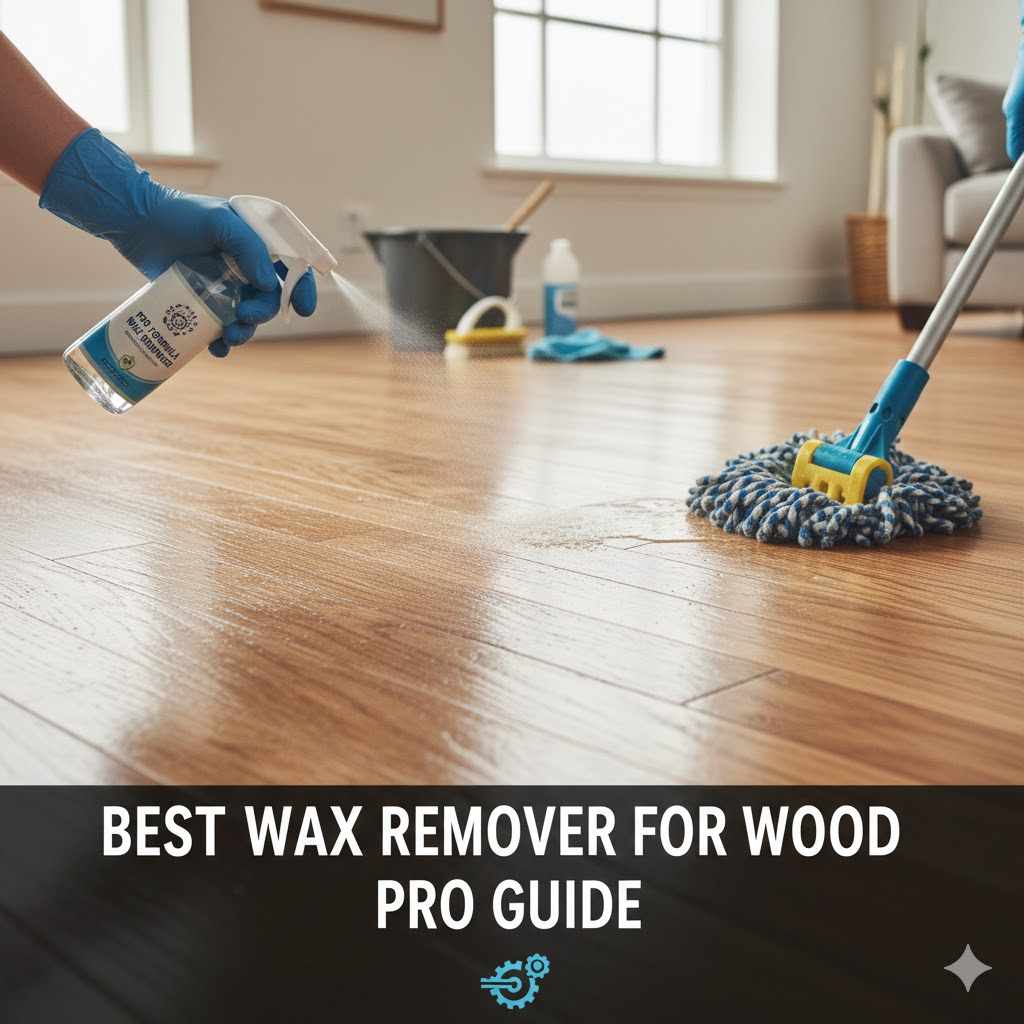
Best Wax Remover for Wood Floors (Pro Guide)
Getting wax off your beautiful wood floors can feel tricky. Many people wonder about the Best Wax Remover for Wood Floors (Pro Guide). It might seem hard to know where to start, and you don’t want to damage your floors.
Don’t worry, though! We’ll walk you through it step-by-step. This guide will make cleaning your floors simple and safe.
Choosing The Best Wax Remover for Wood Floors
Selecting the right cleaner is key to safely removing wax from your wood floors. Different types of wax and wood finishes require different approaches. Using the wrong product can lead to dullness, discoloration, or even damage to your floor’s protective coating.
This section explores what makes a wax remover effective and what to look for. We will cover the core principles behind wax removal, helping you make informed choices for your home.
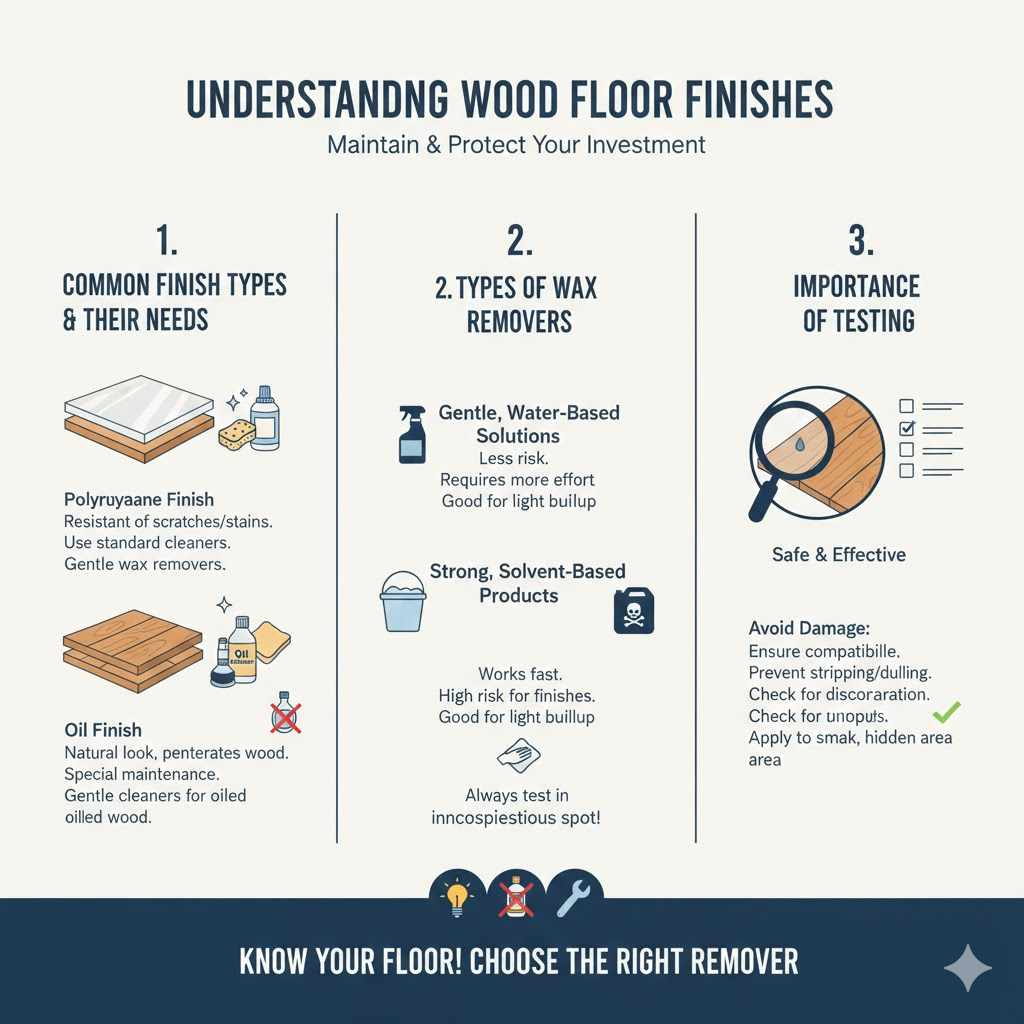
Understanding Wood Floor Finishes
Wood floors have protective coatings called finishes. These finishes keep the wood safe from spills, wear, and tear. Common finishes include polyurethane, wax, and oil.
Polyurethane is a durable plastic-like layer, often found on newer floors. Wax finishes are softer and require more maintenance but offer a classic look. Oil finishes soak into the wood, providing a natural feel and appearance.
Knowing your floor’s finish is vital. Polyurethane floors can handle stronger cleaners, while wax or oil finishes are more delicate. Wax removers that are too harsh can strip away the finish, leaving the wood unprotected and vulnerable.
Always test any cleaner in an inconspicuous spot first. This helps ensure it won’t harm your specific floor type.
Common Finish Types and Their Needs
- Polyurethane Finish This is a very common finish for wood floors. It’s a clear, hard coating that sits on top of the wood. It is very durable and resistant to scratches and stains. Most standard wood floor cleaners work well on polyurethane. However, very abrasive cleaners or harsh chemicals can still dull its shine over time. Wax buildup on polyurethane floors can usually be removed with gentler wax removers.
- Wax Finish Floors with a wax finish have a warm, classic look. Wax is applied in layers and provides a beautiful sheen. This type of finish is softer than polyurethane. It needs regular buffing and re-waxing. Wax removers are essential for cleaning these floors, but they must be specifically designed for waxed wood. Harsh solvents can dissolve the wax too quickly or damage the wood underneath.
- Oil Finish Oil finishes penetrate the wood, offering a natural look and feel. They enhance the wood’s grain. These finishes are also softer than polyurethane. They require special maintenance products. While not always a target for heavy wax removers, oil-finished floors can benefit from cleaners that gently lift surface grime without stripping the oil. Always use products recommended for oiled wood.
Types of Wax Removers
Wax removers come in various forms. Some are gentle, water-based solutions, while others are stronger, solvent-based products. Understanding these differences helps you pick the safest and most effective option for your floors.
A good remover will break down the wax without harming the wood’s finish or the wood itself.
We will look at different formulations. This includes DIY options and commercial products. Each has pros and cons.
For instance, a mild solution might require more effort. A stronger one might work faster but carry more risk if used incorrectly.
Commercial Wax Removers
- Solvent-Based Cleaners These are often the most powerful options. They contain chemicals that effectively dissolve tough wax buildup. They work quickly on stubborn spots. However, they can also be strong for the wood’s finish if used too often or if the floor is sensitive. Always ensure good ventilation when using these. Follow the product instructions carefully to avoid damage.
- Citrus-Based Cleaners These removers use natural citrus oils to break down wax. They are generally gentler than solvent-based cleaners. They also often leave a pleasant scent. While effective for moderate wax buildup, they might not be strong enough for very old or thick wax layers. They are a good choice for regular maintenance or when you want a more eco-friendly option.
- Mineral Spirit-Based Products Mineral spirits are a common solvent used in many cleaning products. They are effective at breaking down wax and grease. Products containing mineral spirits can be quite good for removing old wax. They are typically less harsh than some other strong solvents but still require caution. Ensure the product is specifically formulated for wood floors.
DIY Wax Remover Solutions
- Mineral Spirits and Water Mix A common DIY solution involves mixing mineral spirits with water. A typical ratio might be one part mineral spirits to three or four parts water. This creates a less potent but still effective cleaner. It can be used for moderate wax removal. Always test this mixture on a hidden area of your floor first. Ensure it doesn’t affect your floor’s finish.
- Vinegar and Water Solution White vinegar mixed with water is another popular DIY cleaner. A 50/50 mix is often recommended for general cleaning. However, for wax removal, it might be too mild. Vinegar is acidic and can dull certain finishes if used too concentrated or too often. It is generally better for cleaning grime than heavy wax. Use this with extreme caution on wood floors.
- Baking Soda Paste Baking soda mixed with a small amount of water can form a paste. This paste can be used as a gentle abrasive. It can help lift some surface wax. However, baking soda is abrasive. It can scratch softer wood finishes or even harder finishes if rubbed too vigorously. It’s best used for very light wax spots and with a soft cloth. Avoid using it on high-gloss finishes.
How to Apply Wax Remover Safely
Applying wax remover correctly is just as important as choosing the right one. Proper application ensures maximum effectiveness and minimal risk to your wood floors. We will go over the steps to prepare your floor, apply the product, and clean up afterwards.
This will help you achieve a clean, wax-free surface without any damage.
The process involves several stages. First, you’ll need to gather your supplies. Then, you’ll prepare the area.
Next, you’ll apply the remover. Finally, you’ll clean up any residue. Following these steps carefully will give you great results.
Preparation Steps
Before you start, clear the area. Move all furniture, rugs, and anything else from the floor. This gives you full access.
Sweep or vacuum your floors thoroughly. This removes loose dirt and debris. You don’t want to grind grit into the floor while you’re trying to remove wax.
Ventilate the room well. Open windows and doors. If using a strong chemical remover, consider wearing gloves and a mask.
This protects your health.
Application Techniques
Always test the wax remover in a small, hidden area first. This is often in a closet or under a rug. Wait for it to dry completely to check for any adverse effects like discoloration or finish damage.
Apply the wax remover to a small section of the floor at a time. Use a soft cloth or a sponge mop. Do not oversaturate the wood.
Too much liquid can damage the wood and its finish.
Let the remover sit for the time recommended on the product label. This allows it to break down the wax effectively. For DIY solutions, test a small area and see how long it takes.
Removing the Wax
After the remover has worked, gently rub the area with a clean, soft cloth. Work in the direction of the wood grain. This helps lift the dissolved wax.
You may see the wax start to come off onto your cloth.
Use a clean part of the cloth for each section. If the wax is stubborn, you might need to apply a little more remover or let it sit a bit longer. Avoid aggressive scrubbing, which can scratch the floor.
Rinsing and Drying
Once the wax is removed from a section, you need to rinse the area. Use a clean cloth dampened with plain water. This removes any leftover remover residue.
Wipe the area dry immediately with a clean, dry cloth. Do not let water stand on the wood. Proper drying prevents water spots and potential damage to the wood.
Dealing with Stubborn Wax Buildup
Sometimes, wax doesn’t come off easily. Old wax layers can be thick and hard. This section will give you strategies for tackling these tough spots.
We’ll explore gentle scraping techniques and how to reapply removers effectively. The goal is to get the floor clean without causing harm.
Stubborn wax requires patience and the right tools. It’s tempting to use force, but that can damage your floor. We will guide you through methods that work.
Gentle Scraping Methods
For thick, hardened wax, a plastic scraper can be very helpful. Never use a metal scraper, as it will easily scratch your wood.
Gently pry up the edges of the thick wax. Work slowly and carefully. The aim is to lift the wax, not to gouge the floor.
This works best after the wax remover has softened it.
Multiple Applications
If one application of the wax remover doesn’t get all the wax, don’t worry. It’s often better to apply the remover a second time. Let it work for the recommended duration again.
This layered approach is safer than trying to force off stubborn wax. It gives the chemicals more time to dissolve the buildup. Always allow the floor to dry between applications if possible.
Professional Assistance
If you have extremely old or heavily built-up wax, or if you are very concerned about damaging your floors, consider calling a professional. Floor restoration services have specialized equipment and knowledge.
They can assess the damage and use professional-grade products. This can save you time and prevent costly mistakes. A pro can restore floors that seem beyond repair.
Maintaining Your Clean Wood Floors
Once you’ve successfully removed the wax, keeping your floors clean is important. Regular care prevents future buildup and keeps your wood looking its best. This part will cover easy maintenance tips.
These include daily cleaning and periodic protective measures.
Keeping your floors in great shape means following a simple routine. It’s about preventing problems before they start. You’ll enjoy your beautiful floors for years to come.
Daily Cleaning Practices
Sweep or vacuum your wood floors daily. Use a soft-bristle brush attachment on your vacuum. This removes dust, dirt, and grit.
These particles can scratch your floor’s finish over time.
Wipe up spills immediately. Use a soft, absorbent cloth. Don’t let liquids sit on the wood surface.
This prevents staining and water damage.
Protective Measures
Use doormats at all entrances. These trap dirt and moisture before they can be tracked onto your floors.
Place felt pads under furniture legs. This prevents scratches and dents when furniture is moved. Check them regularly and replace them if they become worn.
Avoid wearing high heels or cleats on wood floors. These can cause dents and scratches.
Periodic Re-waxing or Re-finishing
For floors with a wax finish, periodic re-waxing is necessary. This adds a protective layer and restores shine. Follow the manufacturer’s instructions for your specific wax product.
If your floor has a polyurethane or other hard finish, it may eventually need re-finishing. This is a more involved process. It typically involves sanding down the old finish and applying a new one.
This is usually done every several years, depending on traffic.
When to Call a Professional for Wax Removal
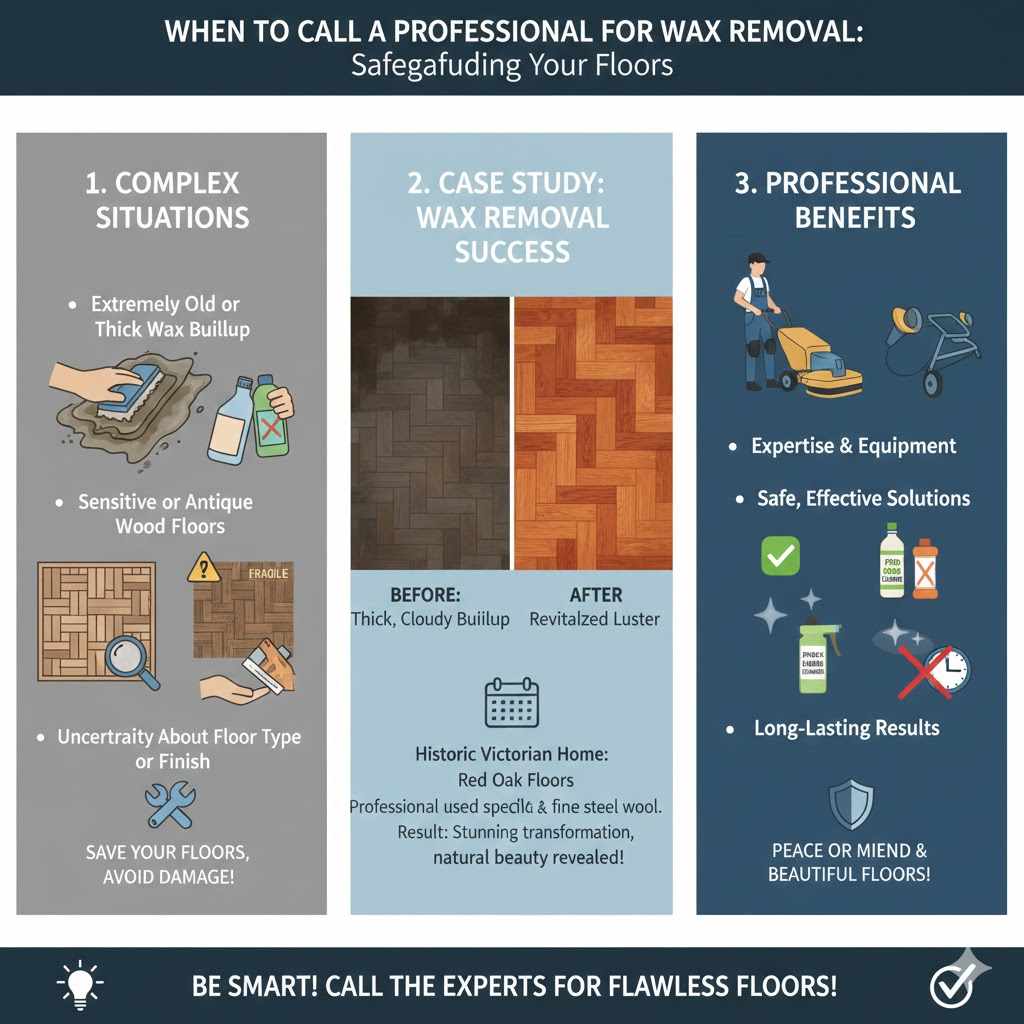
While many wax removal tasks can be handled at home, some situations are best left to the experts. This section explains when calling a professional might be the wisest choice. It covers signs that indicate you might need professional help, saving you potential headaches and floor damage.
There are times when DIY is not the best approach. Recognizing these moments ensures your floors get the care they need.
Extremely Old or Thick Wax Buildup
If your floors have decades of accumulated wax, it can be incredibly difficult to remove with standard products. These thick layers may be bonded deeply to the finish.
Professionals have access to industrial-strength removers and specialized tools. They can tackle extreme buildup without damaging the wood.
Sensitive or Antique Wood Floors
Antique wood floors or those with delicate, irreplaceable finishes require extreme care. Harsh chemicals or improper techniques can cause irreversible damage.
Wood floor specialists have the expertise to identify delicate finishes. They know how to clean and restore them safely.
Uncertainty About Floor Type or Finish
If you’re unsure what type of wood or finish you have, attempting wax removal can be risky. You might use a product that is incompatible with your floor.
A professional can identify your flooring material and its finish. They will then use the appropriate methods and products for safe and effective wax removal.
Case Study Wax Removal Success
A homeowner in Denver had a historic Victorian home with original hardwood floors. Over the years, multiple layers of paste wax had been applied, creating a thick, cloudy buildup that obscured the wood’s natural beauty and color. Standard store-bought wax removers made little impact, and the homeowner feared damaging the delicate old finish.
They contacted a local wood floor restoration company. The professionals first identified the floor as red oak with a traditional oil-based finish beneath the wax. They used a specialized, low-VOC solvent-based wax remover, applying it section by section with soft cotton cloths.
After allowing the remover to penetrate the wax layers for the recommended time, they gently worked the dissolved wax off with fine steel wool (grade 0000) in the direction of the grain.
The process involved several passes, and significant residue was removed. After all wax was gone, they neutralized the floor with a wood floor cleaner and then applied a new coat of a high-quality paste wax specifically designed for oiled finishes. The result was a stunning transformation.
The wood’s rich color and grain were revealed, and the floors looked revitalized, gaining back their luster and historical charm without any damage to the original finish. This case highlights how professional intervention is crucial for challenging wax removal projects on vintage floors.
Frequently Asked Questions
Question: What is the easiest way to remove wax from wood floors?
Answer: The easiest way often involves using a commercial wax remover specifically designed for wood floors. Apply it to a small section, let it sit as directed, and then gently wipe away the dissolved wax with a soft cloth. Always test in an inconspicuous area first.
Question: Can I use mineral spirits to remove wax from my wood floors?
Answer: Yes, mineral spirits can be effective for removing wax. Many commercial wood floor wax removers contain mineral spirits. You can also make a DIY solution with one part mineral spirits to three or four parts water.
Be sure to ventilate the area well and test on a hidden spot.
Question: Will vinegar damage my wood floors when removing wax?
Answer: Vinegar is acidic and can dull certain wood floor finishes if used too strong or too often. While it can help with light cleaning, it’s generally not the best choice for heavy wax removal. If you use it, dilute it significantly with water and test it first.
Question: How often should I remove wax from my wood floors?
Answer: You typically only need to remove wax when there is a visible buildup that dulls the floor’s appearance or makes it sticky. This might be once a year or even less often, depending on how much wax you apply and how you maintain your floors.
Question: What should I do after removing wax from my wood floors?
Answer: After removing the wax and any residue, you should rinse the floor with a damp cloth (not wet) and then dry it thoroughly. If your floor is meant to be waxed, you can reapply a thin coat of paste wax or a protective finish appropriate for your floor type.
Summary
Choosing the Best Wax Remover for Wood Floors (Pro Guide) involves understanding your floor type. Gentle, targeted products work best. Always prepare your space, test the remover, and apply it sparingly.
Stubborn wax may need extra steps or professional help. Proper maintenance keeps your floors beautiful.