Wood Flooring in Minneapolis: Best Species for Cold, Dry Winters
Wood flooring works fine in Minneapolis, but the region’s specific challenge is winter humidity, not the wood itself. Once the furnace runs all day, indoor relative humidity in a typical Minneapolis home can drop into the teens – well below the 35-50% range hardwood is milled and installed to handle – which is why floors that look perfect in July develop small gaps by February. Engineered wood, quarter-sawn solid wood, and a humidifier are the three tools that actually solve this.
Why Minneapolis Winters Are Hard On Wood Floors
Best For Preventing Winter Floor Gaps
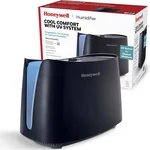 |
Honeywell HCM350 Cool Moisture Console Humidifier – $76.42 Minneapolis winters routinely push indoor relative humidity below 20% once the furnace kicks on – well under what wood floors need to stay gap-free. A console humidifier this size covers a medium room without daily refilling.
|
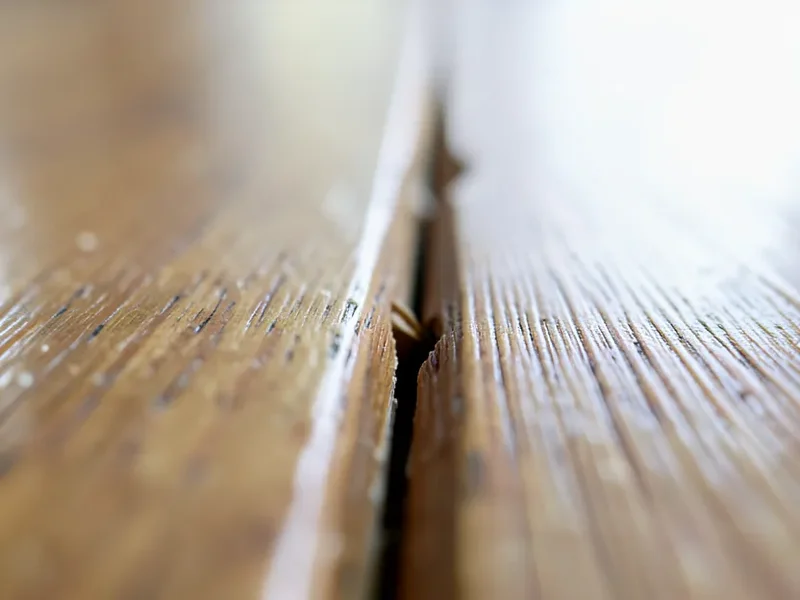
Wood is hygroscopic – it absorbs and releases moisture based on the humidity around it, expanding when humid and shrinking when dry. Minnesota’s climate makes this worse than most of the country: summers are humid enough that wood swells, and winters (especially once forced-air heating dries out already-cold outdoor air) push relative humidity down into the teens or low 20s indoors. That seasonal swing is wider than in a milder, more humidity-stable climate, so the wood moves more too. A small gap opening between boards each winter and closing again by summer isn’t a defect – it’s the wood doing exactly what wood does – but it’s more pronounced here than in most of the country.
Which Wood Flooring Handles This Best
- Engineered hardwood: Built from cross-layered plies under a real hardwood veneer, which resists seasonal movement far better than solid wood. This is the safer default for most Minneapolis homes, especially over concrete slabs or in below-grade spaces.
- Quarter-sawn solid wood: If you specifically want solid hardwood, quarter-sawn boards (cut so the grain runs roughly perpendicular to the board face) move less across their width than standard plain-sawn boards, and resist cupping better.
- Species: Oak remains the most common and most forgiving choice locally; maple’s tighter grain suits high-traffic kitchens; both perform reasonably in this climate as long as the humidity swing is managed rather than ignored.
Acclimation And Installation Matter As Much As Species
Wood flooring should sit in the room it will be installed in for at least a few days (longer for solid wood) before installation, so it can adjust to the home’s actual moisture level rather than whatever it picked up in a warehouse or delivery truck. A rushed installation that skips acclimation is one of the most common causes of a floor that gaps or cups excessively in its first year – more common, in practice, than choosing the “wrong” species.
Managing Indoor Humidity Through Winter
A humidifier is the single most effective tool for reducing how much a Minneapolis floor moves each winter. Whole-house humidifiers tied into the furnace handle the entire home but cost more and need a professional install; a console humidifier like the one above is a lower-cost way to protect one room (or a small home) without that investment. Either way, target 35-50% relative humidity – an inexpensive hygrometer confirms where you actually stand, since “it feels dry” isn’t precise enough to act on.
Maintaining Wood Floors Year-Round
- Sweep or vacuum (with a hard-floor setting, not a beater bar) regularly to keep grit from scratching the finish.
- Damp-mop, never wet-mop – standing water is a real risk to solid wood specifically.
- Use felt pads under furniture and rugs in high-traffic areas and entryways, where Minneapolis winters also mean tracked-in salt and grit.
- Keep humidity in the 35-50% range year-round where possible, not just in winter – it reduces both winter gapping and summer cupping.
DIY Vs. Hiring A Professional Installer
DIY installation saves on labor but raises real risk of skipped acclimation, uneven subfloor prep, or wasted material from measuring and cutting mistakes – all of which cost more to fix later than a professional install would have cost upfront. If you do hire out, check for experience specifically with the flooring type you’re installing, ask for references or photos of completed local jobs, and get an itemized quote so you’re comparing the same scope of work between installers.
Frequently Asked Questions
What types of wood flooring hold up best in Minneapolis?
Engineered hardwood generally handles Minneapolis’s humidity swings better than solid hardwood, because its cross-layered construction resists the expansion and contraction that causes solid wood to gap in winter and cup in summer. Quarter-sawn solid wood is the more stable option if you want solid hardwood specifically.
How do I maintain wood flooring through a Minnesota winter?
Run a humidifier to keep indoor relative humidity in the 35-50% range – that single step prevents most of the seasonal gapping homeowners notice each winter. Beyond that, standard care applies: sweep or vacuum regularly, damp-mop (never wet-mop), and use furniture pads and entry rugs to reduce grit that scratches the finish.
Is wood flooring actually suitable for Minneapolis’s climate?
Yes, with the right product and expectations. Engineered wood or a properly acclimated solid floor both work fine long-term. Small seasonal gaps (a millimeter or two) opening in winter and closing back up in summer are normal wood behavior, not a defect – a humidifier reduces how noticeable they are, but won’t eliminate seasonal movement entirely.
How much does wood flooring cost in Minneapolis?
Material costs run roughly $5-15 per square foot for solid hardwood and $3-12 for engineered wood, with laminate starting around $1 per square foot. Installation labor is additional and varies by installer, room complexity, and whether old flooring needs to be removed first.
Why do hardwood floors get gaps in winter?
Wood releases moisture into dry winter air and shrinks slightly across its width as it does. Minneapolis homes commonly see indoor relative humidity drop into the teens once the furnace runs all day, which is well below the 35-50% range wood flooring is manufactured and installed to expect – hence the gaps that open every winter and close again once humidity comes back up in summer.
Conclusion
Wood flooring is a good fit for Minneapolis homes – the climate just requires managing humidity deliberately rather than assuming any species is “immune” to it. Choose engineered wood or quarter-sawn solid stock, insist on proper acclimation before installation, and keep indoor humidity in the 35-50% range through the heating season to minimize the gaps that are otherwise part of an average local winter.
Sponsored / affiliate links. As an Amazon Associate I earn from qualifying purchases. I may earn additional commission from eligible campaigns.