Best Way To Visit The Redwoods: Proven Guide
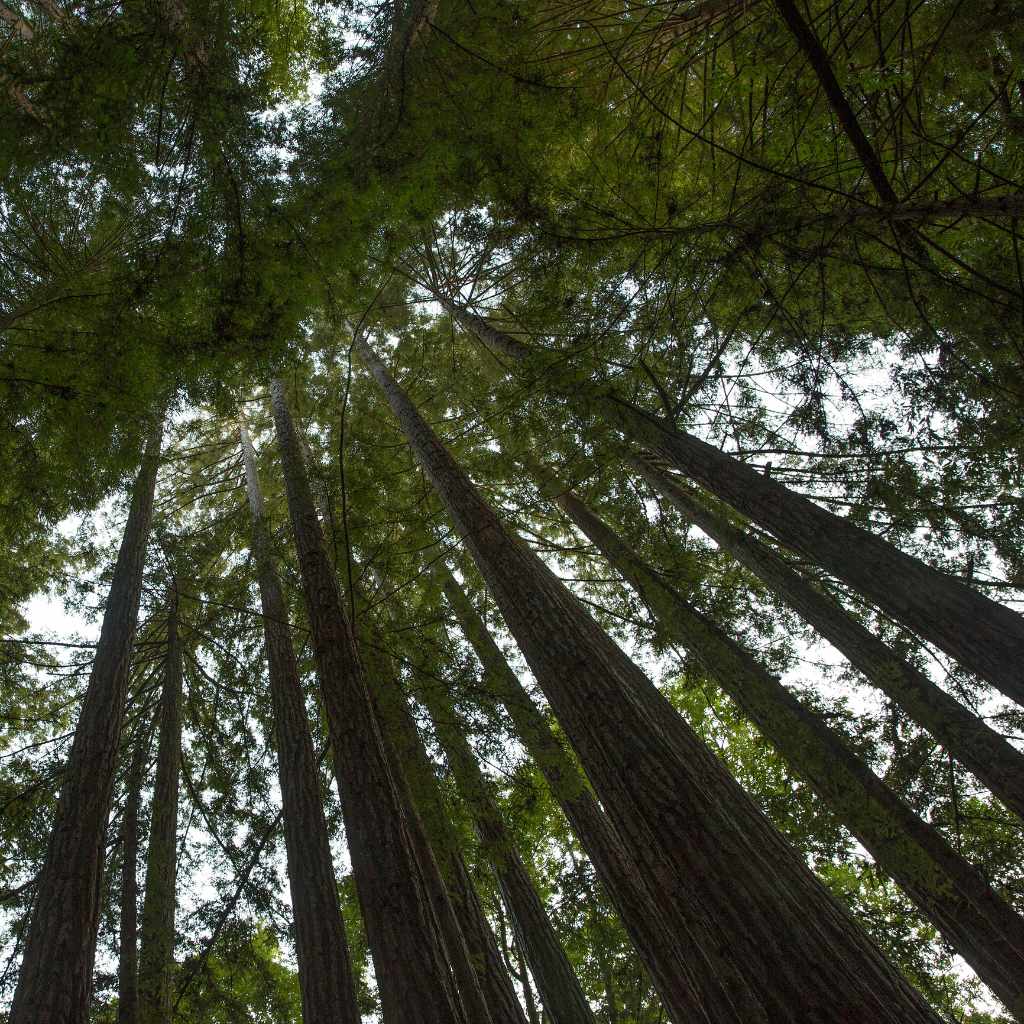
The best way to visit the Redwoods involves choosing between Northern California’s Redwood National and State Parks (RNSP) or Big Basin Redwoods State Park for massive trees, planning your route based on driving comfort, and deciding between hiking trails or scenic drives to maximize your awe-inspiring experience.
Standing beneath a giant redwood tree feels almost magical, but knowing where to even start planning your trip can feel overwhelming. Many first-time visitors get unsure about which park to choose, how much driving is involved, or which trails are truly worth the effort. Don’t worry! Just like tackling a new woodworking project piece by piece, we will break down your Redwood visit into simple, manageable steps. We will cover the must-see spots, the easiest ways to get there, and how to plan a trip that fits your comfort level. Get ready, because seeing these giants up close is easier than you think!
Why Choosing the Right Redwood Experience Matters
When people talk about “The Redwoods,” they are usually talking about two main areas, both offering incredible, but very different, experiences. As someone who values solid craftsmanship and planning, I want you to pick the site that matches your goal. You wouldn’t use a handsaw on a thick slab of oak when a circular saw is needed; similarly, you shouldn’t choose the wrong park for your trip.
The confusion usually comes down to geography. Are you looking for the tallest, wildest groves, or the most accessible, historically significant ones near major hubs?
The Two Giants: North vs. South
Understanding the difference between the primary redwood destinations is the first and most important step. This decision dictates your drive time, lodging, and accessibility.
- Redwood National and State Parks (RNSP): Located in far Northern California. This area protects the most remaining old-growth coastal redwoods—the tallest trees on Earth. It’s vast, remote, and the ultimate wilderness experience.
- Southern Redwoods (e.g., Big Basin, Muir Woods): Located closer to San Francisco, these parks offer incredible access but often feature slightly smaller (though still ancient) trees, or groves recovering from fire damage. Muir Woods, for example, requires reservations far in advance due to its proximity to the city.
For the truly awe-inspiring, ancient forest experience—the best way to visit the redwoods for most first-timers seeking the famous giants—you should focus on the RNSP complex.
Step 1: Deciding Your Destination (The RNSP Focus)
The Redwood National and State Parks (RNSP) are actually a collection of four park entities managed jointly: Redwood National Park, Jedediah Smith Redwoods State Park, Del Norte Coast Redwoods State Park, and Prairie Creek Redwoods State Park. This might sound complicated, but think of it as one giant, incredible destination broken into accessible sections.
Why Go North? The Coastal Redwoods
If your goal is to gasp at trees taller than 300 feet, the North is where you need to be. These trees thrive along the cooling moisture of the Pacific Ocean.
Here is a quick comparison to help you decide where to focus your limited time:
| Park Section | Best For | Accessibility/Vibe | Key Feature |
|---|---|---|---|
| Jedediah Smith SP | Immense, cathedral-like old-growth groves | Slightly rugged access, requires planning (especially crossing the Smith River bridge seasonally) | Stout Grove |
| Prairie Creek SP | Wildlife viewing (Roosevelt Elk) and diverse hiking | Excellent road access (Newton B. Drury Parkway) | Fern Canyon (Requires special permits in summer) |
| Redwood National Park (Klamath/Orick area) | Scenic drives and combination experiences | Good mix of easy stops and longer hikes | Tall Trees Grove (Requires permit) |
| Del Norte Coast SP | Coastal views mixed with redwoods | Good camping options | Damnation Creek Trail |
Md Meraj’s Pro Tip: If you only have 3 days, focus your visit on the central section: Prairie Creek and the northern edge of Redwood NP. This gives you the best bang for your buck in terms of famous groves and elk sightings near U.S. Highway 101.
Step 2: Planning Your Route and Travel Logistics
Unlike a quick trip to a national park near Denver, visiting the Redwoods involves a lot of driving once you get into Northern California. Successful trips start with smart navigation.
Flying In: Where to Land
You need to decide if you want to fly close and drive less, or drive more and save money on flights. Remember, the RNSP area is remote.
- Closest/Most Convenient (But Smaller Airports): Arcata-Eureka Airport (ACV) is the closest major airport to the central parks. It often requires a connection, but you are only an hour or so from the giants.
- Cheaper/More Connections (Longer Drive): Redding Municipal Airport (RDD) or even Sacramento (SMF). Be prepared for a 4 to 6-hour drive from these locations to the heart of the parks.
The Drive: Scenic Routes vs. Speed
Once you arrive, your journey will predominantly follow U.S. Highway 101 (The Redwood Highway). This road cuts right through the heart of the parks, making stops incredibly easy.
When planning, remember that many of the best groves are accessed via small turnoffs that are often unpaved or poorly maintained rustic roads. These are not suitable for large RVs or low-clearance vehicles, especially after rain.
- Check Current Conditions: Always check the official National Park Service website (NPS.gov/redw) for road closures. Landslides are common, especially in the winter and spring.
- Allow Extra Time: Driving 50 miles on Highway 101 might take an hour elsewhere, but here, assume it takes 90 minutes. You will constantly slow down for scenic overlooks, wildlife, or just to soak in the view.
- Fuel Up: Gas stations are few and far between once you pass towns like Trinidad or Eureka. Fill your tank whenever you see a station after leaving a major city.
Step 3: Choosing Your Redwood Immersion Level
This is where you apply your personal preference. Are you happy viewing the giants from the car window, or do you want to wander among them?
Option A: The Scenic Drive-Through (Low Effort, High Reward)
If hiking isn’t your strong suit, or perhaps you are traveling with small children or those with mobility concerns, the designated scenic parkways offer amazing close-ups.
Must-Do Scenic Drives:
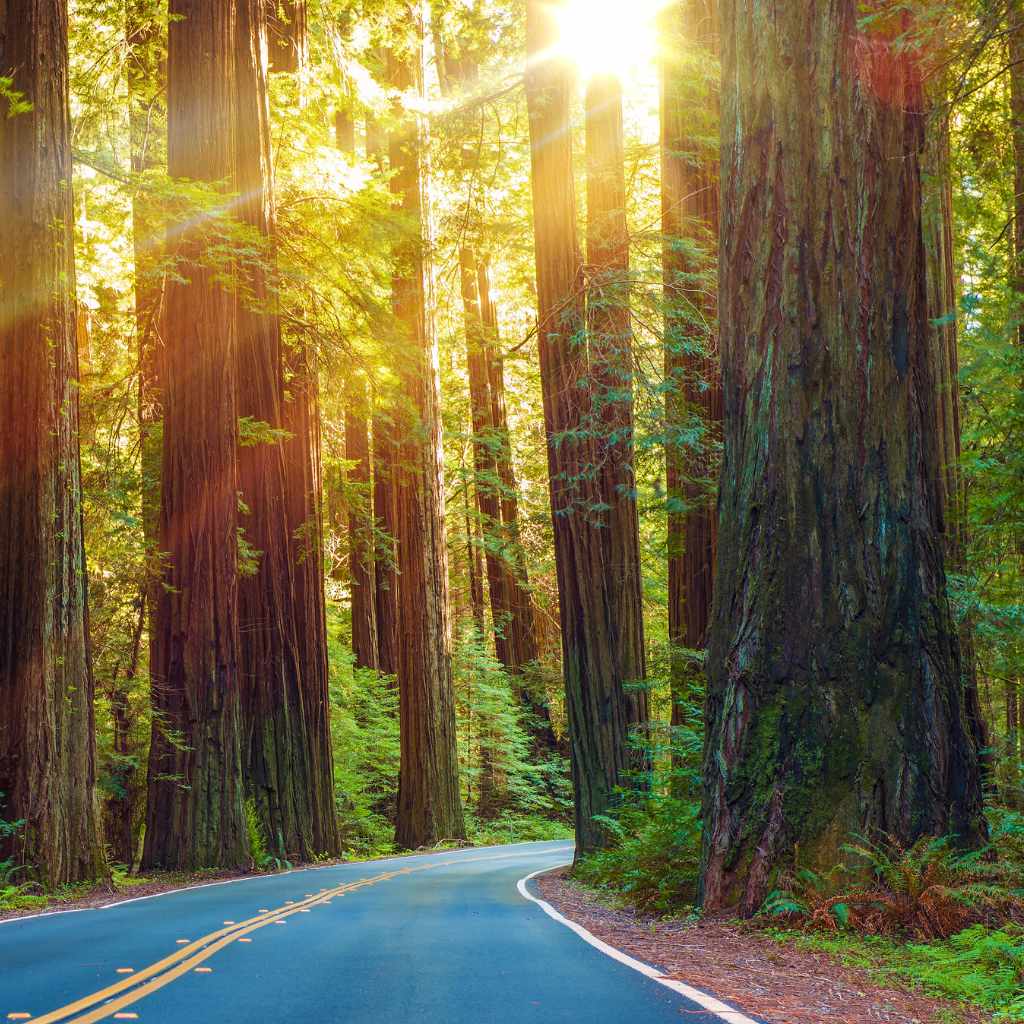
- Newton B. Drury Parkway (Prairie Creek SP): This 10-mile alternative to Highway 101 is paved, slower, and absolutely stunning. It feels like driving through a tunnel of wood. Keep an eye out for Roosevelt Elk grazing right next to the road!
- Howland Hill Road (Jedediah Smith SP): This is the quintessential redwood experience for drivers. It is a 10-mile, narrow, unpaved dirt road. It’s slow going (prepare for 1.5 hours), but you are driving through ancient groves where redwoods tower directly over the road. (Check vehicle clearance beforehand.)
- Avenue of the Giants (South of RNSP, Humboldt Redwoods SP): While technically outside the main RNSP complex, this 31-mile scenic bypass south of the main parks is famous and offers drive-through trees, if that’s your thing.
Safety Note: When driving scenic routes, always respect the road surface. Driving too fast on gravel roads is how you damage tires and lose control—treat it like you are carefully shaping fine wood; slow and steady wins the finish.
Option B: The Hiker’s Delight (Maximum Immersion)
To truly feel the scale of these trees, you need to get out and walk. The National Park Service maintains hundreds of miles of trails suitable for all skill levels. The best way to visit the redwoods includes at least one short, impactful walk.
Recommended Beginner & Intermediate Hikes:
| Trail Name | Park Section | Difficulty | Approx. Length | Why It’s Great |
|---|---|---|---|---|
| Lady Bird Johnson Grove Trail | Redwood NP (Near Orick) | Easy (Loop) | 1.5 miles | Accessible trailhead, beautiful old-growth introduction. |
| Big Tree Wayside Trail | Prairie Creek SP | Very Easy (Boardwalk) | 0.3 miles | View one of the largest known redwoods by volume. Perfect for all abilities. |
| Boy Scout Trail to Fern Canyon | Prairie Creek SP | Moderate | 2.4 miles (one way, usually combined with return via road) | Incredible moss walls and jungle-like atmosphere. Requires crossing a creek sometimes. |
| Stout Grove Trail | Jedediah Smith SP | Easy (Loop) | 0.6 miles | Unmatched density of massive, towering trees in a small area. A must-see. |
Note on Fern Canyon: Access to Fern Canyon sometimes requires a daily permit reservation through the park website, especially during peak summer months (May through September). Plan this permit application well ahead of your trip, similar to planning the delicate joinery for a complex cabinet.
Step 4: Essential Gear and Safety (Building Reliability)
Woodworkers prepare their tools before starting a cut; visitors must prepare their gear before entering the forest. The weather on the coast changes constantly, even in summer.
What to Wear and Pack
- Layers, Layers, Layers: You might start the morning in dense fog, have warm sunshine by noon, and need rain gear by the afternoon. Think waterproof outer layer, fleece mid-layer, and a moisture-wicking base layer.
- Sturdy Footwear: Even easy trails can be muddy, slick with moss, or involve stream crossings (like at Fern Canyon). Good hiking boots or trail runners with strong grip are essential. Leave the flip-flops at the hotel.
- Water and Snacks: Services are sparse once you leave the main highway towns. Always carry more water than you think you need.
- Navigation Aids: Cell service is almost non-existent in the deep groves. Download maps (Google Maps offline feature or the NPS app) before you lose signal. A physical map is a great backup, too.
- Bear Safety: While black bears are present, they are generally shy. However, always store food securely in your vehicle or designated lockers if camping. Never leave picnic food unattended.
This preparedness ensures your focus stays on the trees, not on being cold or lost. Crafting a good memory requires a solid foundation of preparation.
Maximizing Your Time: The Perfect Itinerary Framework
Assuming you have 3 full days dedicated to the RNSP complex, here is a framework that ensures you hit the highlights, balancing driving with exploring. This focuses on the Northern Parks, which offer the most impressive specimens.
- Day 1: Arrival and Southern Exploration (Access Point: Orick Area)
- Arrive and check into lodging near Orick or Trinidad.
- Drive the Newton B. Drury Parkway. Stop at the scenic overlooks.
- Hike the easy Lady Bird Johnson Grove for an initial immersion.
- In the late afternoon, visit the Elk Meadow/Prairie Creek Visitor Center area to look for Roosevelt Elk herds near dusk.
- Day 2: The Tallest Giants (Access Point: Jedediah Smith Area)
- Drive north toward Crescent City and enter Jedediah Smith State Park early.
- Drive Howland Hill Road (if your vehicle allows) and spend significant time walking the stunning Stout Grove Trail. This is often cited as the most beautiful grove.
- If Howland Hill Road is closed or you have elevation concerns, use the park service shuttle system where available for access to Stout Grove.
- Day 3: Coastline and Discovery (Access Point: Klamath/Del Norte)
- Explore the coast. Drive the scenic portion of the Klamath River Overlook for potential whale sightings during migration seasons.
- Hike the Damnation Creek Trail (if feeling energetic—it’s steep but rewards you with old-growth trees descending toward the ocean).
- Visit the southern portion of the main NPS area, perhaps hiking the easy path to the “Big Tree” near the Prairie Creek Visitor Center before departing.
Understanding Redwood Ecology: Beyond Just “Big”
To truly appreciate visiting the Redwoods, it helps to understand what you are looking at. These trees survive through incredible adaptation, much like a well-designed piece of joinery uses complex features to create strength.
A Few ‘Wow’ Facts for the Beginner:
- Height vs. Volume: While the neighboring Sierra Redwoods (Sequoia) hold the title for the largest volume (General Sherman Tree), the Coastal Redwoods (Sequoia sempervirens) found here are the tallest trees on Earth.
- Fire Resistance: Their thick, fibrous bark is rich in tannins, making it highly resistant to rot and fire. When a small fire burns through, the outer layer chars, protecting the vital inner wood—this is why ancient trees often show scars but remain standing.
- Fog is Food: Coastal Redwood trees don’t just drink water from the roots; a massive amount of their necessary moisture comes directly from the coastal fog that blankets them in the summer. This fog is essential for their survival.
For more scientific background on forest management and conservation efforts in these environments, resources from institutions like the U.S. Forest Service can offer deeper context on the ecosystem.
Frequently Asked Questions (FAQ) – Simple Answers for Visitors
Q1: Do I need a reservation just to drive into Redwood National and State Parks?
A: No, for the main driving routes like Highway 101 and Newton B. Drury Parkway, general entry is free and does not require a reservation. However, specific highly sought-after areas, like the Tall Trees Grove or the parking area for Fern Canyon during peak season, do require a free, advance-issued permit.
Q2: How cold will it usually be? Should I visit in winter?
A: The climate is mild due to the ocean influence. Winter temperatures are cool, usually in the 40s and 50s (Fahrenheit), and it rains heavily. Many locals prefer visiting in the shoulder seasons (Spring/Fall). Summer can be surprisingly cool (60s/low 70s) because of the persistent fog deck.
Q3: Are the giant trees hard to find if I don’t want to hike far?
A: Not at all! Many of the most famous, massive trees have extremely short, paved, or boardwalk trails leading right to them, such as the Big Tree Wayside. Scenic drives like the Drury Parkway put you right next to giants you can see from your car window.
Q4: Is it safe to camp overnight in the RNSP backcountry?
A: Yes, established campgrounds are safe. If you are backcountry camping, you must have a wilderness permit. Always store food properly to avoid attracting bears or raccoons, following park guidelines for bear canisters or food storage poles.
Q5: Can I bring my dog on the trails?
A: Dogs are generally permitted only in developed areas, campgrounds, and paved roads within the National Park areas. They are usually prohibited on hiking trails in Redwood National and State Parks to protect wildlife and the sensitive fern/undergrowth ecosystems. Always check specific trail rules.
Q6: How long does it take to truly “see” the main RNSP area?
A: If you are driving through quickly, you could rush the major sections in two very long days. However, to comfortably enjoy the best hikes (like Stout Grove) and scenic drives without exhaustion, plan for a minimum of three full days.