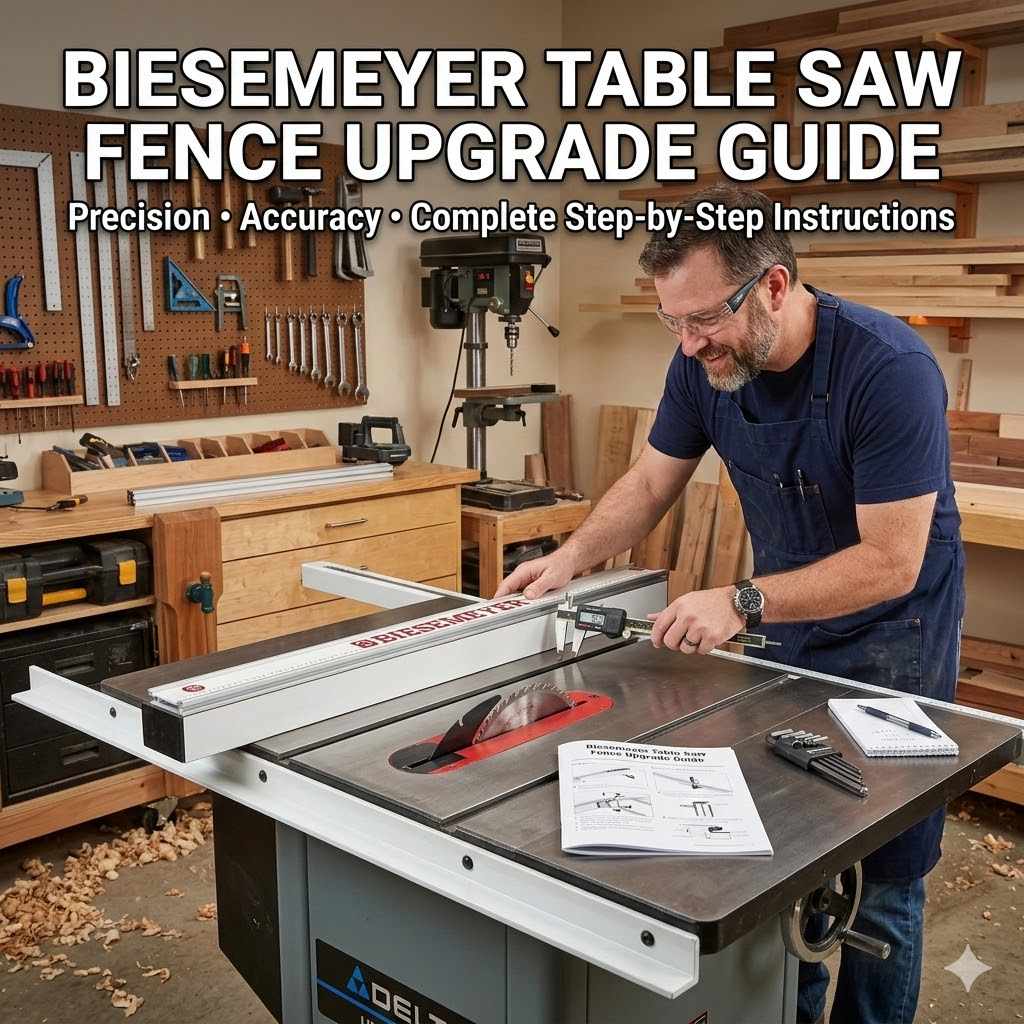
Biesemeyer Table Saw Fence Upgrade Guide
Getting your table saw fence just right can feel tricky when you’re new to woodworking. The Biesemeyer style fence is popular for a reason, but knowing how to upgrade it can seem like a puzzle. This guide is here to make it simple, breaking down each step so you can get your saw working perfectly.
We’ll walk you through everything you need to know to improve your cutting accuracy and make your projects easier.
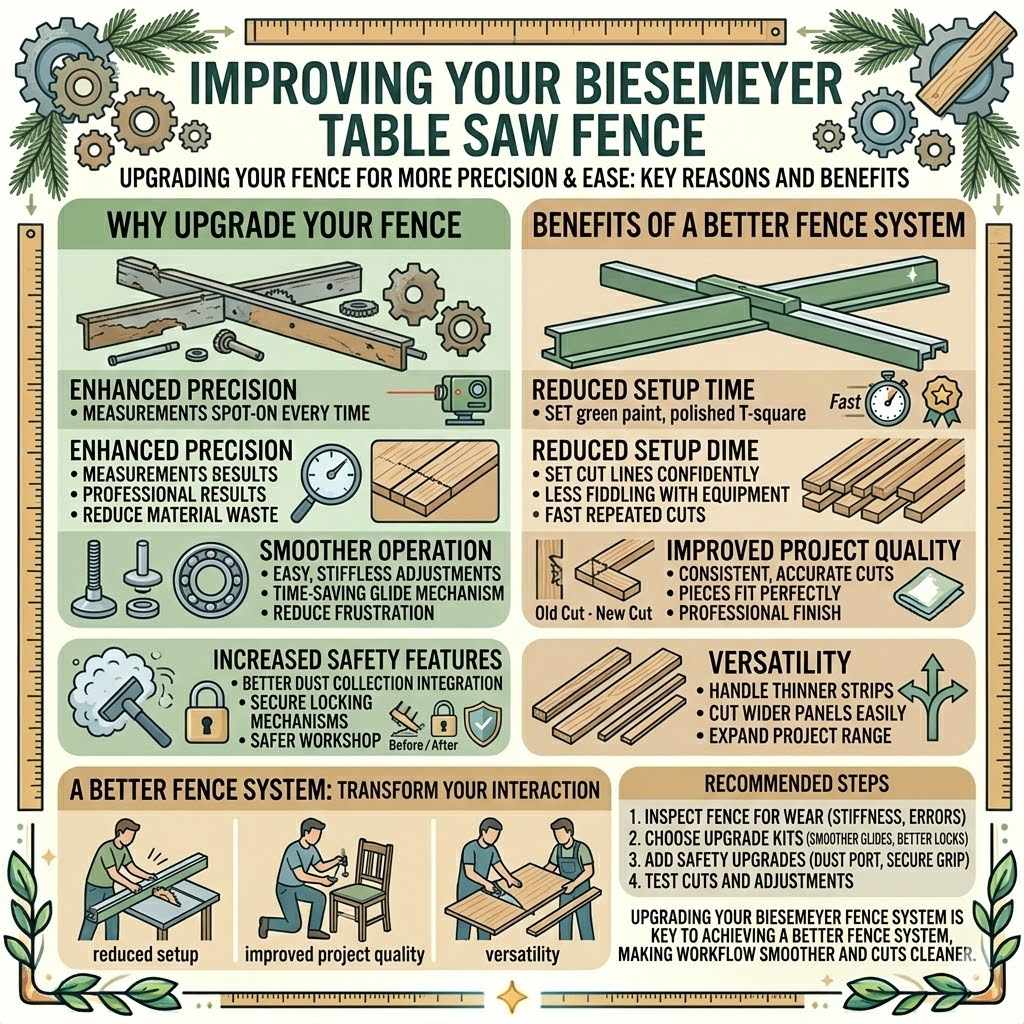
Improving Your Biesemeyer Table Saw Fence
Upgrading your Biesemeyer table saw fence is a smart move for any woodworker looking for more precision and ease in their projects. This type of fence is known for its solid build and reliability, but like any tool, it can be improved. This section will cover why you might want to upgrade and the general benefits you can expect.
It’s all about making your cuts cleaner and your workflow smoother, turning a good tool into a great one.
Why Upgrade Your Fence
Over time, even the best fences can show wear or may not meet the exact needs of a growing woodworker. Upgrading can offer better accuracy, smoother operation, and increased safety. It’s about fine-tuning your tools to match your skill level and project demands.
- Enhanced Precision: A well-upgraded fence means your measurements will be spot on every time. This is key for professional-looking results and reducing material waste. Think of it as giving your saw a new level of accuracy.
- Smoother Operation: Old or worn parts can make fence adjustments stiff and difficult. Upgrades often involve smoother gliding mechanisms that make it a breeze to move the fence, saving you time and frustration.
- Increased Safety Features: Some upgrades can add safety features that were not originally present. This might include better dust collection integration or more secure locking mechanisms, making your workshop a safer place.
Benefits of a Better Fence System
A better fence system goes beyond just accuracy. It transforms how you interact with your table saw. Imagine setting up your cuts faster and more reliably.
This leads to more enjoyable woodworking sessions and better outcomes for your projects, big or small.
- Reduced Setup Time: With a well-tuned fence, you can set your cut lines quickly and confidently. This means less time fiddling with your equipment and more time cutting wood. For projects with many repeated cuts, this is a huge time saver.
- Improved Project Quality: Consistent and accurate cuts are the foundation of quality woodworking. A superior fence ensures that your pieces fit together perfectly, leading to a more professional and polished final product. It elevates your craftsmanship.
- Versatility: Some upgrades can add features that allow for more types of cuts. You might be able to handle thinner strips or wider panels with more ease, expanding the range of projects you can tackle with your table saw.
Choosing the Right Biesemeyer Fence Upgrade
Selecting the correct upgrade for your Biesemeyer table saw fence involves looking at what you need most. There are many options available, from simple replacement parts to full fence system kits. Understanding the different types of upgrades will help you pick the one that best suits your woodworking style and budget.
Types of Fence Upgrades
When thinking about upgrading, it’s important to know what’s out there. You can replace worn-out parts, add new features, or even get a completely new fence system. Each type of upgrade has its own pros and cons, so it’s good to know the differences.
- Aftermarket Fence Systems: Many companies offer complete fence systems designed to fit popular table saws, including those with Biesemeyer-style fence rails. These can offer improved accuracy, ease of use, and durability over stock fences.
- DIY Modifications: For the adventurous woodworker, some modifications can be made to existing fences. This might involve adding custom jigs or improving the fence’s gliding surfaces. This requires some skill and planning but can be very rewarding.
Considerations Before Buying
Before you purchase any upgrade, take a moment to think about a few things. Your table saw model is important, as not all upgrades fit all saws. Also, consider your budget and what you hope to achieve with the upgrade.
This planning prevents buying something that won’t work or won’t help you reach your woodworking goals.
- Table Saw Model Compatibility: Ensure the upgrade kit or parts you choose are specifically designed for your table saw model. An upgrade for one saw might not fit another, even if they look similar. Check the manufacturer’s specifications carefully.
- Budget: Fence upgrades can range from very affordable
- Desired Features: What problems are you trying to solve? Do you need more accuracy, easier adjustment, or better dust collection? Focusing on your needs will help you choose an upgrade that provides the most benefit for your woodworking.
Popular Upgrade Options
There are several popular brands and types of upgrades that woodworkers often choose. These are known for their quality and performance, helping many woodworkers get the most out of their table saws. Researching these options can give you a good starting point for your own search.
- Brand-Specific Upgrades: Some manufacturers offer upgrades that are designed to integrate seamlessly with their own table saw models. These are often engineered for optimal fit and function, providing a reliable performance boost.
- Universal Fence Systems: There are also universal fence systems that can be adapted to various table saws. These offer flexibility but might require a bit more work to install correctly. They can be a good choice if your saw is older or less common.
- Accessory Add-ons: Beyond complete systems, you can find various add-ons. These might include digital readouts for fence position, specialized jigs, or dust collection shrouds that attach to your existing fence. These can be great for targeted improvements.
Installing Your New Fence System
Putting in a new Biesemeyer Table Saw Fence: Upgrade Guide is a rewarding task that can significantly improve your woodworking experience. The process typically involves removing the old fence, installing the new rails and fence, and then making sure everything is aligned. While it might seem complex, most installations are quite manageable with basic tools and a bit of patience.
We’ll guide you through the essential steps.
Preparation and Tools Needed
Before you begin, gather everything you’ll need. Having all your tools and parts ready will make the installation process much smoother. This preparation step is vital to avoid interruptions and ensure you can complete the job efficiently.
- Tools: You will likely need a set of wrenches, screwdrivers, a measuring tape, a level, and possibly a drill. Some kits might come with specific tools, but it’s always good to have a standard toolkit on hand.
- Workspace: Make sure you have enough clear space around your table saw to work comfortably. You’ll need room to move around the saw and lay out parts if necessary.
- Instructions: Always refer to the specific installation manual that comes with your upgrade kit. These instructions are tailored to the product you have and will provide the most accurate guidance.
Step-by-Step Installation Guide
Installing a new fence is a process that requires careful attention. Follow these steps to ensure your new fence is set up correctly for optimal performance and safety.
- Remove the Old Fence: First, detach your old fence from the table saw. This usually involves loosening some screws or bolts that hold it in place. Take note of how it was attached; this can be helpful when installing the new one.
- Install New Rails: If your upgrade includes new fence rails, this is the next step. Align them with the mounting points on your table saw and secure them with the provided hardware. Use a level to ensure they are perfectly parallel to the saw’s miter slots.
- Mount the New Fence: Attach the new fence body to the installed rails. Follow the manufacturer’s instructions carefully for the locking mechanism and any other components. Ensure it slides smoothly along the rails.
- Align and Calibrate: This is a critical step. Use a measuring tape to ensure the fence is perfectly parallel to the blade at both the front and back of the saw. Most fences have adjustment screws to fine-tune this alignment.
A perfectly aligned fence is key to accurate cuts.
- Test the Locking Mechanism: Make sure the fence locks firmly in place. It should not move or shift when you apply slight pressure. A secure lock prevents accidental changes during cuts.
Common Installation Pitfalls and Solutions
Even with clear instructions, some common issues can arise during installation. Knowing these potential problems and their solutions can save you a lot of frustration and ensure a successful upgrade.
- Misalignment: The most common issue is the fence not being perfectly parallel to the blade. Solution: Take your time with the alignment step. Use a good quality measuring tape and adjust the fence screws until it’s dead on.
- Check at multiple points.
- Stiff Operation: The fence might be difficult to move or lock. Solution: Double-check that the rails are mounted straight and that no debris is interfering with the fence’s movement. Ensure all bolts are tightened correctly but not overtightened, which can cause binding.
- Incorrect Hardware Use: Using the wrong screws or bolts can cause problems. Solution: Keep the hardware organized and refer to the manual to ensure you are using the correct fasteners for each step. If a part doesn’t fit, don’t force it; re-read the instructions.
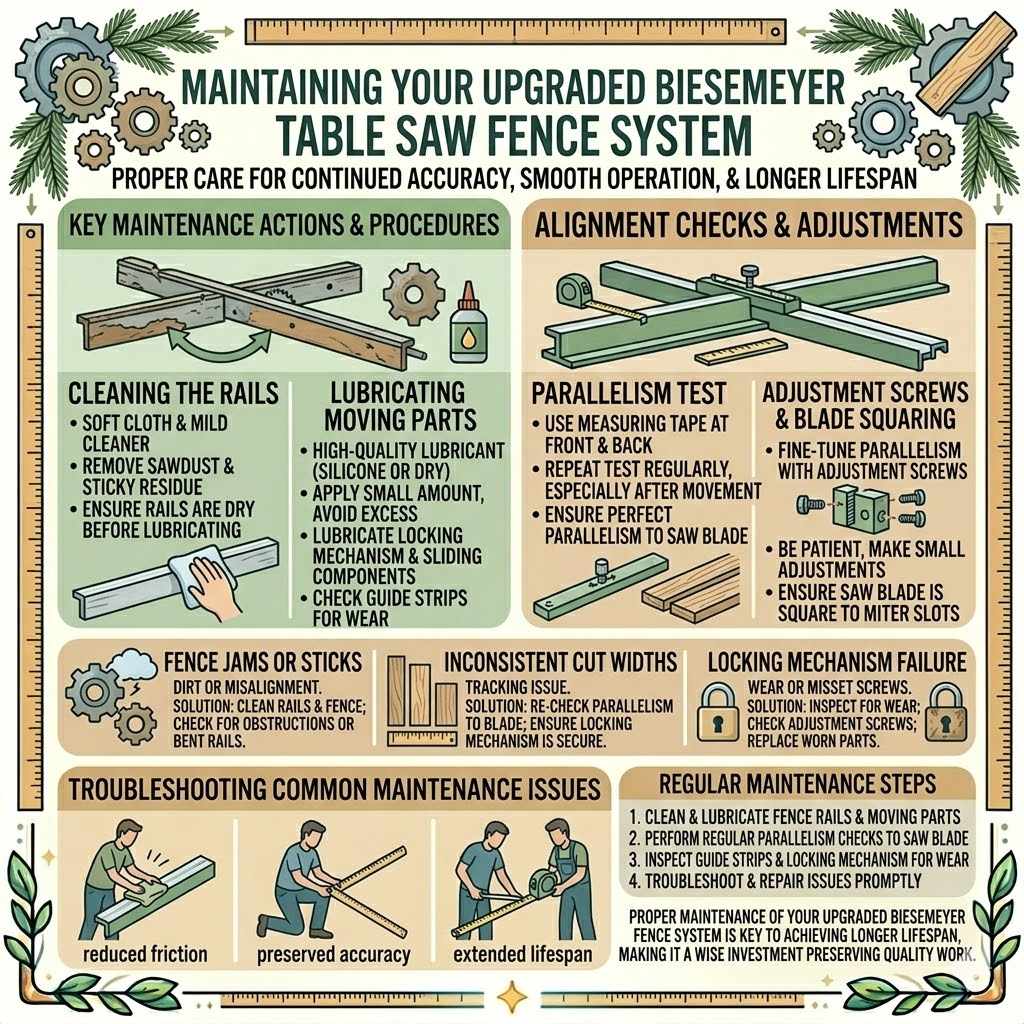
Maintaining Your Upgraded Fence System
Once you’ve successfully upgraded your Biesemeyer table saw fence, proper maintenance is key to keeping it performing at its best. Regular care ensures continued accuracy, smooth operation, and a longer lifespan for your investment. Think of it as preserving the quality of your woodworking.
Regular Cleaning and Lubrication
Keeping your fence clean and well-lubricated is the most important part of maintenance. Dust and debris are the enemies of smooth operation. Regular cleaning prevents buildup that can cause the fence to stick or become inaccurate.
Lubrication reduces friction, making adjustments effortless.
- Cleaning the Rails: Use a soft cloth and a mild cleaner to wipe down the fence rails. Remove any sawdust or sticky residue. For stubborn grime, a bit of mineral spirits can be effective.
- Ensure the rails are dry before proceeding.
- Lubricating Moving Parts: Apply a small amount of high-quality lubricant to the fence’s moving parts, such as the locking mechanism and any sliding components. Avoid over-lubricating, as this can attract dust. Silicone-based lubricants or dry lubricants are often recommended for woodworking tools.
- Checking for Wear: Periodically inspect the fence’s guide strips and locking mechanism for signs of wear or damage. Replace any worn parts promptly to maintain accuracy and prevent further damage to the system.
Alignment Checks and Adjustments
Even with a great upgrade, minor shifts can occur over time due to use or environmental factors. Regularly checking and adjusting the fence’s alignment ensures that your cuts remain precise. This proactive approach prevents small inaccuracies from becoming major issues.
- Parallelism Test: Use a measuring tape to check if the fence is parallel to the saw blade at both the front and back of the table. Repeat this test regularly, especially after moving the saw or if you notice changes in cut accuracy.
- Adjustment Screws: Most fences have adjustment screws that allow you to fine-tune the parallelism. Small turns of these screws can make a big difference. Be patient and make small adjustments, re-checking the alignment after each change.
- Blade Squaring: Ensure your saw blade is perfectly square to the miter slots and the fence. If the blade is not square, the fence’s alignment will not matter as much. This is a fundamental check for all table saw work.
Troubleshooting Common Issues
If you encounter problems with your upgraded fence, don’t worry. Most issues can be resolved with simple troubleshooting steps. Understanding common problems and their solutions will help you keep your fence in top working order.
- Fence Jams or Sticks: This is usually caused by dirt or misalignment. Solution: Clean the rails and fence thoroughly. Check for any obstructions or signs of bending in the rails.
- Ensure the locking mechanism is fully disengaged when moving the fence.
- Inconsistent Cut Widths: If you get different cut widths even when the fence appears to be set correctly, it indicates a tracking issue. Solution: Re-check the fence’s parallelism to the blade. Ensure the locking mechanism is fully engaging and holding the fence securely.
- Sometimes, the blade itself can be the culprit if it’s not running true.
- Locking Mechanism Failure: If the fence doesn’t lock firmly, it’s a safety and accuracy concern. Solution: Inspect the locking mechanism for wear or damage. Ensure all adjustment screws related to the lock are properly set.
- If parts are worn, they will need replacement.
Frequently Asked Questions
Question: How do I know if my Biesemeyer table saw fence needs an upgrade?
Answer: If you notice that your fence is difficult to move, doesn’t lock securely, or consistently produces inaccurate cuts despite your best efforts to align it, it’s likely time for an upgrade. Also, if you find yourself wanting more features like better dust collection or digital readouts, an upgrade can provide these benefits.
Question: Are Biesemeyer fence upgrades expensive?
Answer: The cost of upgrades can vary widely. Simple
Question: Can I install a Biesemeyer fence upgrade myself?
Answer: Yes, most Biesemeyer fence upgrades are designed for DIY installation. With basic tools and by carefully following the included instructions, you can typically install it yourself in a few hours. If you’re unsure about any step, consulting a professional or a knowledgeable friend is always an option.
Question: Will an upgraded fence improve the safety of my table saw?
Answer: Many fence upgrades include features that enhance safety. This can include more secure locking mechanisms that prevent accidental fence movement, improved dust collection integration to reduce airborne particles, and more precise adjustments that reduce the chance of kickback. A well-aligned fence is also inherently safer than a misaligned one.
Question: What is the difference between a Biesemeyer fence and other fence systems?
Answer: The Biesemeyer fence is known for its robust design, typically featuring a single locking lever that secures the fence to the front and rear rails simultaneously. This system offers excellent stability and accuracy. Other fence systems might use different locking mechanisms, have different rail designs, or offer additional features, but the Biesemeyer style is a benchmark for quality and ease of use.
Summary
Upgrading your Biesemeyer table saw fence can significantly boost your woodworking precision and efficiency. This guide covered why an upgrade might be needed, different types of upgrades, and how to install them. We also shared tips for maintenance to keep your new fence working perfectly.
With the right steps, you can achieve cleaner cuts and enjoy a better woodworking experience.