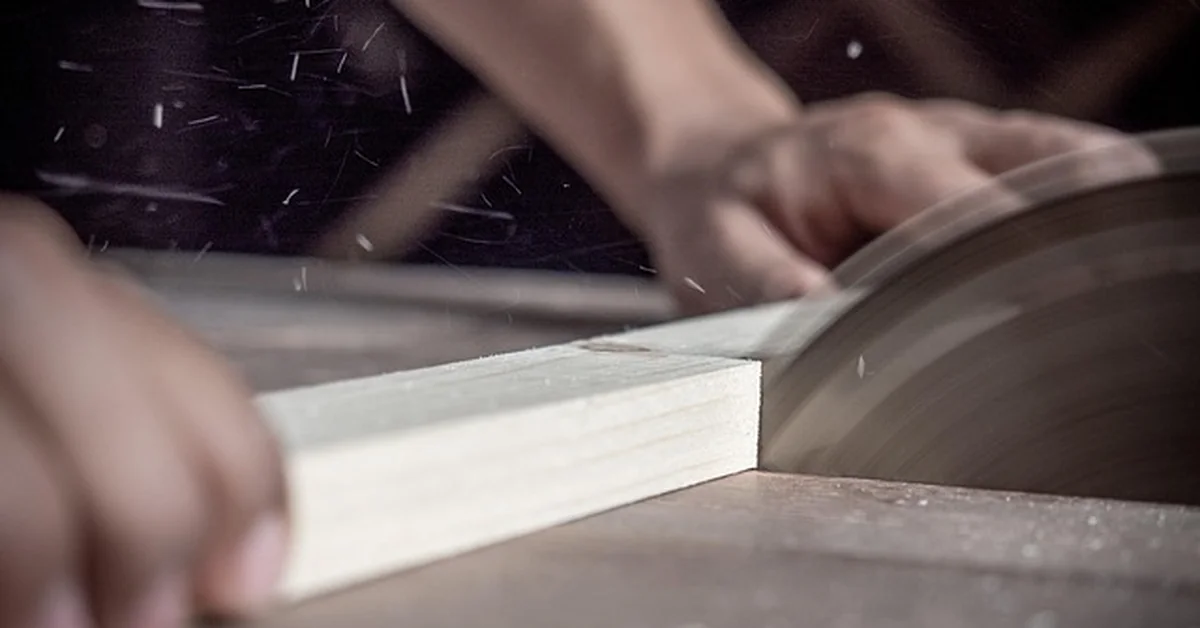
How to Use a Table Saw: 5-Step Safety Guide for Beginners
To use a table saw, set the blade about an eighth of an inch above the workpiece, keep the wood pressed against the fence, and feed it through at a steady pace using a push stick near the blade. Table saws cause more serious hand injuries than any other stationary shop tool, and most trace back to kickback from an unsupported or freehand cut. This guide covers the 5 setup steps, blade selection, and the mistakes that trigger kickback.
Introduction To Table Saw Basics
Best Kickback Prevention Upgrade
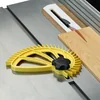
Hedgehog Spiral Featherboard – $34.99
Clamps to your saw’s table or fence and holds stock tight against the fence with constant spring pressure — the exact featherboard role this guide gives under Safety Measures for preventing kickback.
- Best for: Ripping or crosscutting stock without keeping a hand near the blade
- Why we picked it: One-knob spiral design pins the board exactly where this guide says to hold it against the fence
- Main drawback: Needs a flat table edge or accessory rail to clamp to, so check your saw’s surround first
Compare more table saw safety accessories
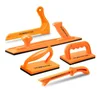 Option 1 POWERTEC Push Block and Push Stick Set – $21.49
|
 Option 2 Diablo 10″ Combination Saw Blade – $42.97
|
 Option 3 DEWALT Concealer Safety Goggles – $12.59
|
A table saw is a vital tool in woodworking. It offers precision and efficiency for various projects. This saw can cut through different materials, making it versatile. Still deciding if you need one? See our guide on whether you need a table saw for your shop.
Understanding the risks associated with a table saw is crucial. Always wear safety goggles and ear protection. Keep fingers away from the blade to prevent injuries.
Using a push stick helps maintain distance from the blade. Ensure the blade guard is in place for added safety. Familiarize yourself with the emergency shut-off features.
With proper training and respect for safety, a table saw can enhance your woodworking skills significantly.
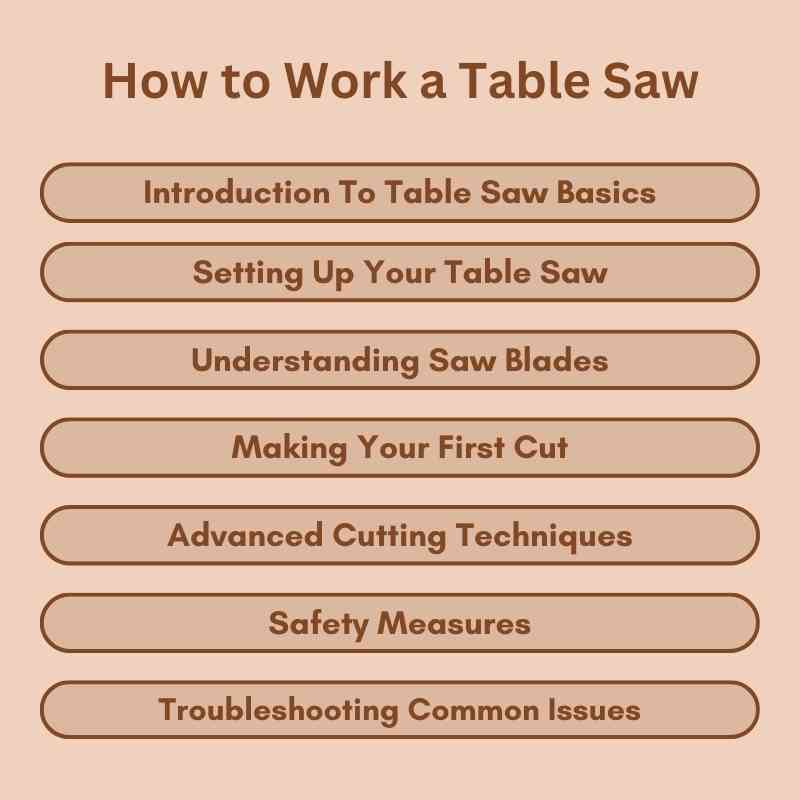
Setting Up Your Table Saw
Choosing the right table saw is vital for safety and efficiency. Consider the size and power that match your projects. A portable saw is great for smaller spaces. For larger tasks, a stationary model works best.
Ensure proper assembly and adjustment of your table saw. Follow the manufacturer’s instructions carefully. Check that all screws and bolts are tight. Adjust the blade height and angle for precise cuts. A level surface is essential for stability.
Regular tool maintenance keeps your table saw in top shape. Clean the saw after each use to prevent buildup. Check the blade for wear and replace it as needed. Lubricate moving parts to ensure smooth operation.
Understanding Saw Blades
Choosing the right saw blade is crucial for your project. Different materials require specific blades for optimal results. Here are some common types of blades:
| Blade Type | Best For |
|---|---|
| Rip Blade | Cutting wood along the grain |
| Crosscut Blade | Cutting wood across the grain |
| Combination Blade | Versatile cuts for various tasks |
| Finishing Blade | Smooth cuts with minimal tear-out |
For plywood, use a fine-tooth blade. This helps prevent tearing. MDF works best with a blade designed for smooth cuts. Lastly, when cutting metal, select a blade specifically made for that material.
Making Your First Cut
Start by preparing the wood. Ensure it is clean and free of debris. Check for any warps or bends that may affect the cut. Measure the wood accurately to avoid mistakes.
Next, adjust the blade height. The blade should rise just above the wood thickness. Angle the blade if needed for beveled cuts. Always use a ruler or measuring tape for precise adjustments.
During the cutting process, keep hands away from the blade. Use a push stick or gripper to guide the wood safely. Maintain a firm grip on the wood while pushing it through the blade. Move slowly to ensure a smooth and even cut.
Advanced Cutting Techniques
Ripping is a technique that cuts wood along its grain. Always use a straight edge to guide the material. Make sure the blade is sharp for a smooth cut. Position the wood against the fence and keep your hands clear of the blade.
Crosscutting involves cutting across the grain. Use a miter gauge for accuracy. Set the angle to your desired cut. Hold the material firmly against the gauge to avoid movement. For the full step-by-step process, see our guide to crosscutting on a table saw.
Miter cuts create angled edges on your wood. Adjust the saw to the correct angle. Secure the wood with clamps if necessary. This technique is great for frames and corners.

Safety Measures
Wearing Personal Protective Equipment (PPE) is vital when using a table saw. Always use safety goggles to protect your eyes. Hearing protection can help prevent damage from loud noises. Dust masks keep harmful dust out of your lungs. Remember to wear closed-toe shoes for foot safety.
Avoiding kickback is crucial for safety. Kickback happens when the wood gets stuck against the blade. Always keep your hands away from the blade. Use the fence to guide your wood. This keeps it steady and helps prevent accidents.
Using push sticks and featherboards improves control. Push sticks help you guide wood safely. They keep your hands at a safe distance. Featherboards hold the wood against the fence, ensuring a straight cut. Always keep your fingers away from the blade to stay safe.
Troubleshooting Common Issues
Blade alignment problems can lead to uneven cuts. Check the alignment regularly to ensure accuracy. Adjust the blade if necessary to avoid issues.
Burn marks on wood often result from dull blades or incorrect speed settings. Keep blades sharp and adjust speed for the material used. This will minimize burn marks.
Reducing splintering requires proper techniques. Use a sharp blade designed for clean cuts. Employ a zero-clearance insert for better support. Additionally, cut with the finished side facing down.
Projects To Master Your Skills
Starting with simple projects helps build confidence. Consider making a cutting board or a small bookshelf. These projects are easy to follow and require minimal materials.
For those ready to progress, intermediate projects like a birdhouse or drawer organizer provide a great challenge. These projects introduce new techniques and require more precise cuts.
Advanced users can tackle challenging projects such as a dining table or custom cabinets. These creations demand a high skill level and familiarity with the table saw.
Frequently Asked Questions
What Are The Steps To Using A Table Saw?
To use a table saw, follow these steps:
1. Turn on the saw using the red paddle.
2. Allow the blade to reach full speed.
3. Press the material against the fence.
4. Slowly push the material into the blade.
5. Keep one hand or a push stick on the material.
How Do You Use A Saw Step By Step?
1. Ensure safety gear is on.
2. Place the material against the fence.
3. Adjust the blade height as needed.
4. Turn on the saw and wait for the blade to reach full speed.
5. Push the material through the blade steadily, using a push stick if necessary.
How Do You Run Wood Through A Table Saw?
To run wood through a table saw, hold the wood firmly against the fence. Keep your hands behind the blade and lower the blade guard. Turn on the saw, and slowly push the wood into the blade. Maintain control and never let go of the material.
How Is A Table Saw Operated?
A table saw operates by adjusting the blade height and angle. Turn on the saw, ensuring the blade is at full speed. Keep the material against the fence and feed it slowly into the blade. Always maintain control with one hand or a push stick.
Safety first!
Conclusion
Mastering the table saw opens up a world of woodworking possibilities. With practice, you’ll gain confidence and precision in your cuts. Always prioritize safety by using protective gear and proper techniques. Remember, patience is key to achieving professional results. Embrace the learning process and enjoy your woodworking journey!
Sponsored / affiliate links. As an Amazon Associate I earn from qualifying purchases. I may earn additional commission from eligible campaigns.