Black Staining Polypore Vs Hen of the Woods: Key Differences Revealed
Have you ever come across a wild mushroom and wondered if it’s safe to eat or how it compares to others? If you’ve spotted a Black Staining Polypore or a Hen of the Woods, you might be curious about their differences and what makes each unique.
Understanding these two fungi can help you identify them confidently and decide which one fits your cooking or foraging needs. Keep reading to uncover the key traits that set the Black Staining Polypore and Hen of the Woods apart—and learn how you can spot them with ease on your next outdoor adventure.
Identifying Black Staining Polypore
Identifying the Black Staining Polypore is key for mushroom enthusiasts. This fungus has distinct traits that separate it from others, like Hen of the Woods. Knowing these features helps avoid confusion and ensures safe foraging.
Physical Features
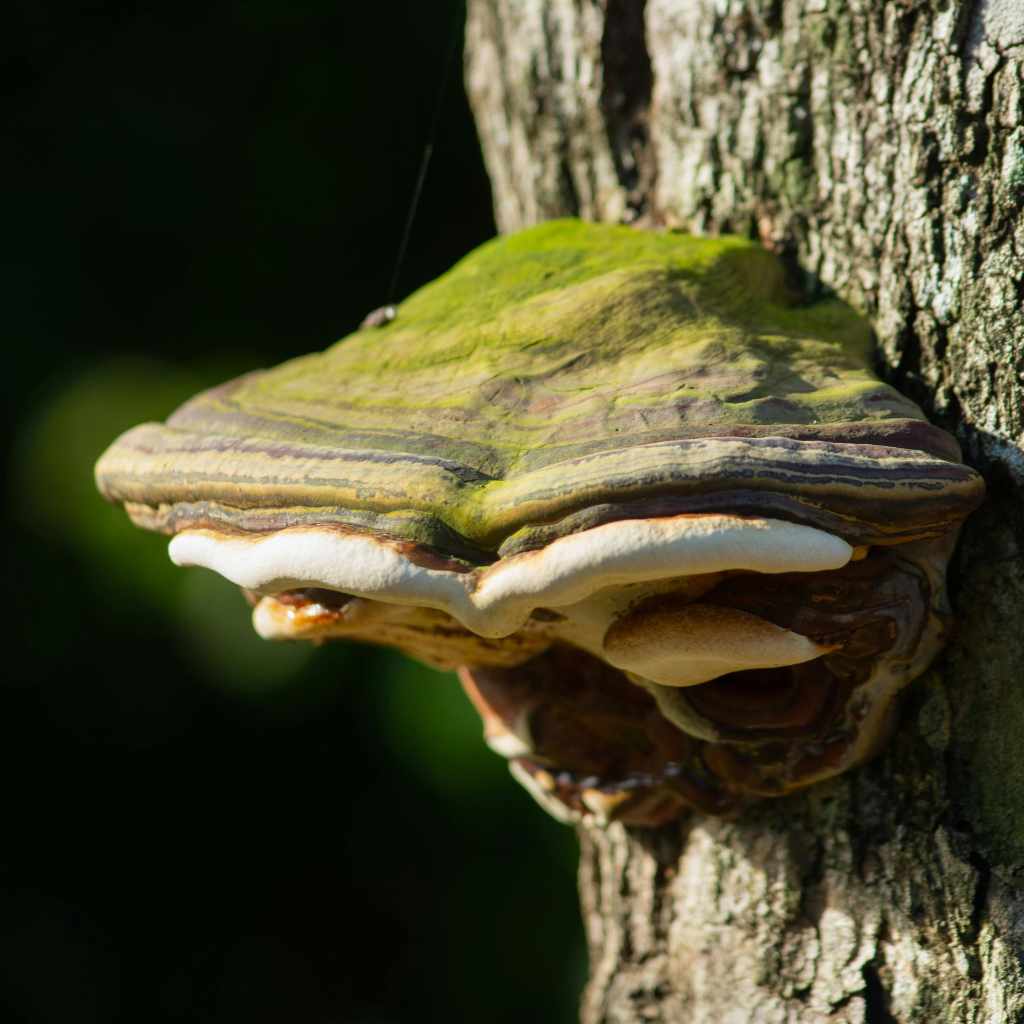
The Black Staining Polypore has a white to light brown cap. Its surface is smooth and often shiny. When bruised or cut, the flesh quickly turns black. This dark staining is a unique trait. The pores underneath are small and white, aging to brown. The mushroom grows thick and can reach up to 12 inches wide.
Growth Patterns
This polypore grows in shelf-like clusters. It often appears on dead or dying hardwood trees. Growth is typically in layers or overlapping shelves. Newer caps form on top of older ones. The fungus spreads outward in a fan shape. It rarely grows at the base of trees, unlike Hen of the Woods.
Common Habitats
The Black Staining Polypore prefers hardwood forests. Oak and beech trees are common hosts. It thrives in moist, shaded areas. Found mostly in North America and Europe. It grows during late summer to fall. The fungus helps break down dead wood, recycling nutrients.
Recognizing Hen Of The Woods
Recognizing Hen of the Woods helps distinguish it from similar fungi. This mushroom has unique traits that stand out. It is important for foragers and nature lovers to identify it correctly. Hen of the Woods, also known as Maitake, is valued for its taste and health benefits. Understanding its features aids in safe and enjoyable foraging.
Distinct Appearance
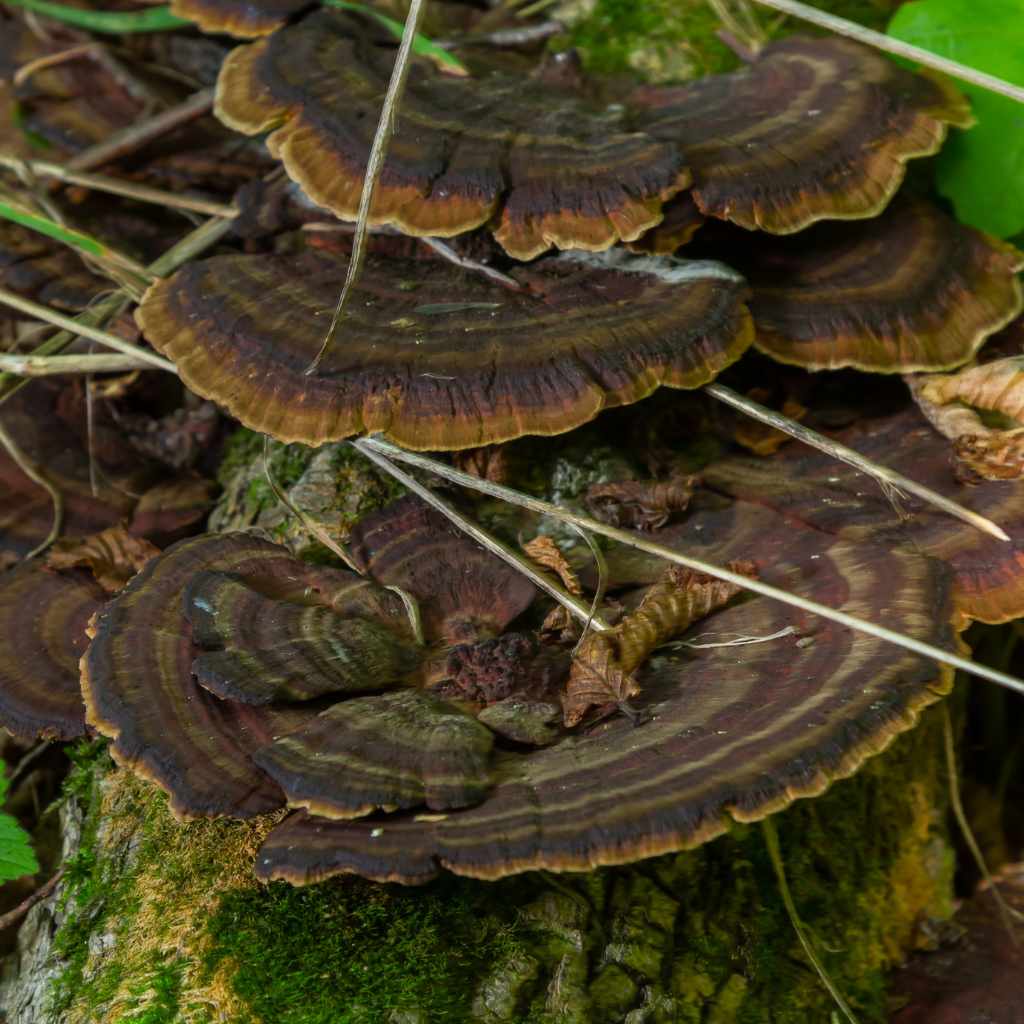
Hen of the Woods has many clustered, fan-shaped caps. The caps overlap and form a large rosette. Colors range from gray to brown with white edges. The surface is smooth and wavy, not shiny. The base is thick and white, connecting all caps. It looks like a bunch of feathers or ruffled leaves.
Preferred Environments
This mushroom grows at the base of oak and maple trees. It prefers hardwood forests with rich soil. Hen of the Woods often appears near old tree stumps. It thrives in moist and shaded areas. This fungus grows in the same spot each year. It benefits from decaying wood for nutrients.
Seasonal Growth
Hen of the Woods mainly grows in late summer to fall. It appears after rainy periods with warm weather. The mushroom can grow quickly, reaching full size fast. It lasts for a few weeks before drying out. Early fall is the best time to find fresh specimens. Cooler temperatures slow its growth and preserve it longer.
Color And Texture Differences
Color and texture are key features to tell Black Staining Polypore apart from Hen of the Woods. These mushrooms look quite different on the surface and feel very different to the touch. Knowing these differences helps identify them correctly in nature.
Surface Color Variations
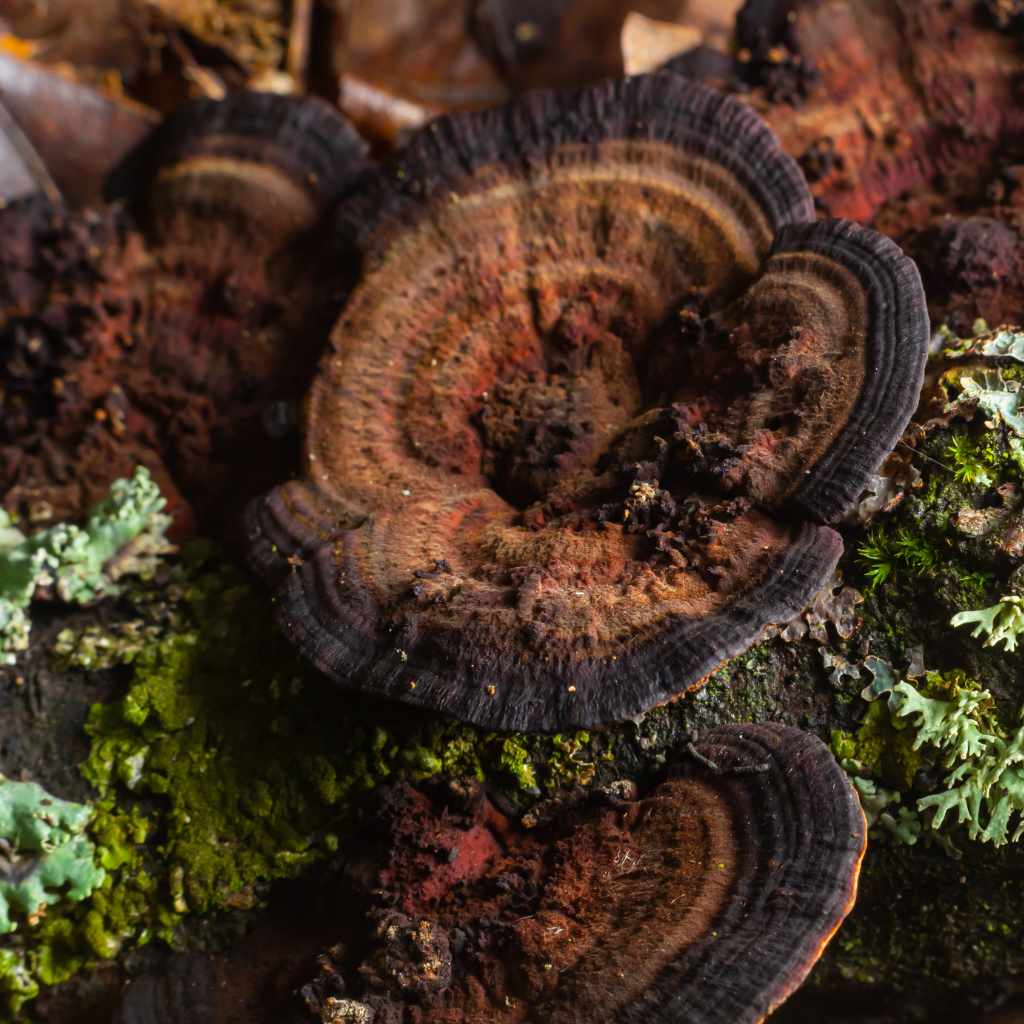
Black Staining Polypore starts with a pale tan or light brown cap. It darkens quickly to deep brown and then almost black. Hen of the Woods shows a mix of gray, brown, and cream colors. Its shades are softer and more blended. Black Staining Polypore has a more uniform color change. Hen of the Woods displays many small caps with different colors together.
Texture And Feel
Black Staining Polypore has a tough, woody texture. It feels hard and stiff when touched. Hen of the Woods feels softer and more flexible. Its many small caps are thin and slightly spongy. The Black Staining Polypore’s surface is smooth but firm. Hen of the Woods has a wrinkled and layered surface that feels delicate.
Changes Over Time
Black Staining Polypore stains black quickly after being bruised or cut. This darkening happens within minutes. Hen of the Woods does not change color when handled. Over time, Hen of the Woods dries out and becomes brittle. Black Staining Polypore keeps its dark color even when dry. These changes help tell the two mushrooms apart in the wild.
Edibility And Culinary Uses
The Black Staining Polypore and Hen of the Woods are two popular wild mushrooms. Both are edible but differ in taste and use. Knowing their unique qualities helps in cooking and enjoying them.
Taste Profiles
The Black Staining Polypore has a mild, slightly bitter flavor. It is firm and chewy, with a woodsy aroma. The Hen of the Woods tastes earthy and nutty. It has a soft texture and rich, savory notes. Both mushrooms add depth to dishes but suit different recipes.
Cooking Tips
Clean the Black Staining Polypore thoroughly before cooking. It works well in soups and stews due to its firmness. Slice it thin for better texture. The Hen of the Woods needs gentle cooking to keep its softness. Saute it with garlic or add to pasta and rice dishes. Avoid overcooking either mushroom to keep their flavor intact.
Nutritional Benefits
Both mushrooms are low in calories and fat. They provide important vitamins like B-complex and minerals such as potassium. The Black Staining Polypore supports the immune system. Hen of the Woods offers antioxidants that help fight inflammation. Including these mushrooms adds nutrition and flavor to meals.
Ecological Roles And Impact
Both Black Staining Polypore and Hen of the Woods play key roles in forest ecosystems. They help break down dead wood and support other life forms. Understanding their ecological roles shows their importance beyond just their appearance.
Decomposition Functions
Black Staining Polypore breaks down tough wood fibers quickly. It helps recycle nutrients back into the soil. This speeds up forest renewal and keeps trees healthy.
Hen of the Woods also decomposes wood but targets softer parts. It grows at the base of trees and feeds on dead roots. This process clears old material and enriches the earth.
Both fungi help turn dead plants into useful soil. They keep forests clean and support new growth.
Interactions With Other Species
Black Staining Polypore creates habitats for small insects and microbes. These creatures depend on the fungus for food and shelter. The fungus also affects tree health by controlling decay.
Hen of the Woods attracts animals like deer and squirrels. These animals feed on the mushroom, spreading its spores. This helps the fungus grow in new areas.
Both fungi form networks with tree roots. These connections help trees absorb water and nutrients better. They also protect trees from harmful pathogens.
Harvesting And Safety Tips
Harvesting wild mushrooms like Black Staining Polypore and Hen of the Woods requires care and knowledge. Picking these fungi safely protects both you and the environment. Understanding how to identify them and follow good foraging habits keeps the mushrooms healthy for future seasons. Below are key tips to help you gather these mushrooms safely and sustainably.
Identification Cautions
Black Staining Polypore and Hen of the Woods have distinct features. Black Staining Polypore turns dark when cut. Hen of the Woods has a layered, ruffled appearance. Mistaking one for the other can cause problems. Some mushrooms look similar but are toxic. Always check the color, shape, and size carefully. Use a reliable guidebook or app for help. If unsure, do not pick or eat the mushroom. Err on the side of caution to avoid sickness.
Sustainable Foraging Practices
Harvest mushrooms without damaging their habitat. Cut the mushroom at the base instead of pulling it out. This helps the fungus grow back next year. Take only what you need and leave some behind. Avoid overharvesting in one area. Spread out your picking spots. Respect local rules and guidelines for mushroom foraging. Clean your tools to prevent spreading spores or disease. Sustainable practices keep mushroom populations strong and healthy.
Frequently Asked Questions
What Are The Key Differences Between Black Staining Polypore And Hen Of The Woods?
Black Staining Polypore stains dark when bruised, while Hen of the Woods has a feathery, clustered appearance. The former grows on hardwoods, and the latter on tree bases. Their textures and colors help distinguish them easily.
Is Black Staining Polypore Edible Like Hen Of The Woods?
No, Black Staining Polypore is generally not edible due to its tough texture and bitterness. Hen of the Woods is widely prized for its culinary uses and tender texture, making it a popular edible mushroom.
Where Do Black Staining Polypore And Hen Of The Woods Grow?
Black Staining Polypore grows on dead hardwood trees, often in late summer to fall. Hen of the Woods grows at the base of oak trees, usually appearing in autumn. Both prefer temperate forest environments.
How Can You Identify Black Staining Polypore In The Wild?
Look for a white to cream fruiting body that stains black when damaged. It has a shelf-like, bracket shape and grows on dead hardwood. The black staining reaction is a unique identification feature.
Conclusion
Black Staining Polypore and Hen of the Woods look similar but differ a lot. The black stain is a sign to avoid eating it. Hen of the Woods is tasty and safe for cooking. Knowing these differences keeps you safe while foraging.
Always check carefully before picking mushrooms. Nature offers many gifts, but caution is key. Stay curious and enjoy your mushroom adventures wisely.