Brushed vs Brushless Cordless Drill: Essential Guide
Choosing between a brushed and a brushless cordless drill might seem tricky at first, but understanding the core differences will help you pick the perfect tool for your DIY projects. Brushless drills offer superior power, efficiency, and lifespan, making them a worthwhile investment for serious hobbyists and professionals, while brushed drills remain an excellent, more budget-friendly option for lighter tasks and occasional use.
Hello there, fellow makers and home improvers! Md Meraj here, your guide to making woodworking less intimidating. Ever stood in front of a wall of cordless drills and felt a little lost? You’re not alone! Many of my students, whether they’re building their first birdhouse or just hanging a picture, wonder about the difference between brushed and brushless drills. It’s a common question, and getting it right means finding a tool that makes your work easier and more enjoyable. Don’t worry; we’ll break down exactly what makes these drills tick, so you can confidently choose your next trusty sidekick. Let’s get started!
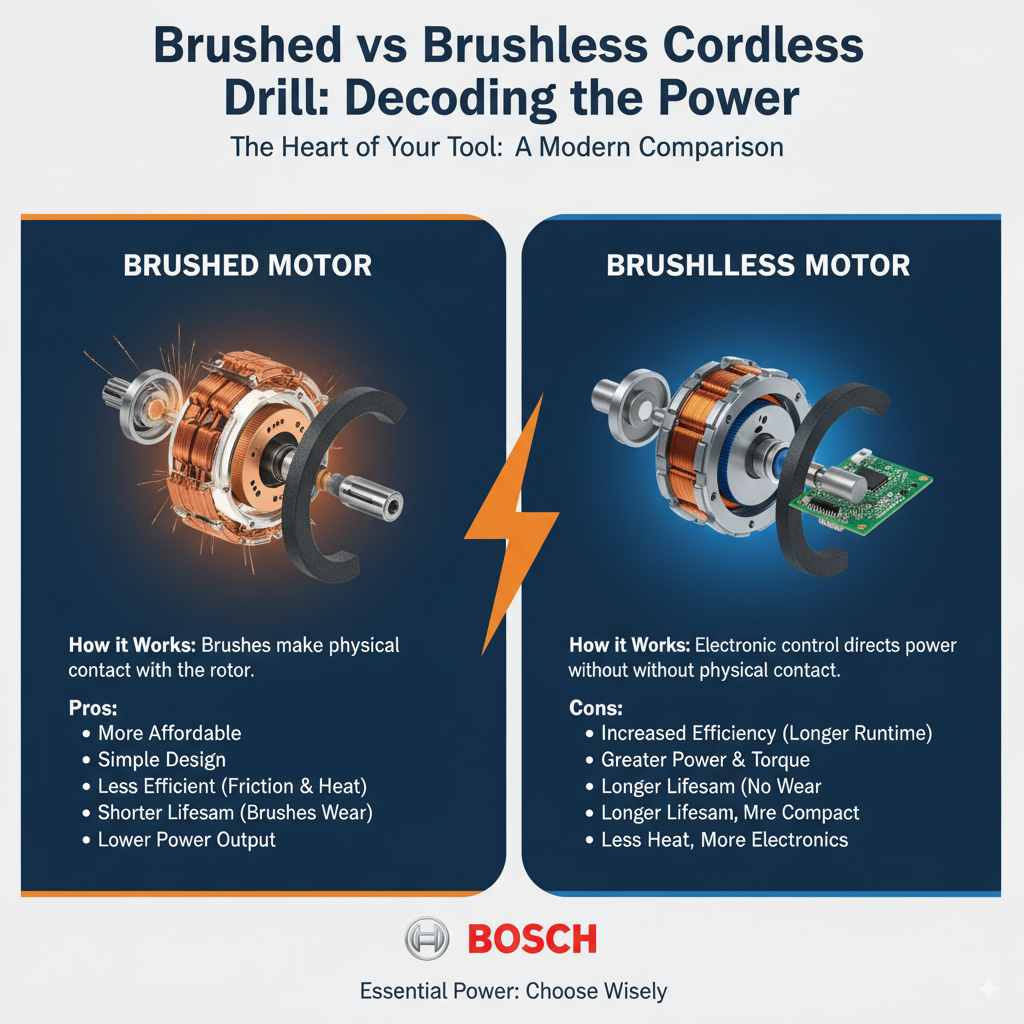
Brushed vs Brushless Cordless Drill: Decoding the Power
When you’re looking to buy a cordless drill, you’ll often see the terms “brushed” and “brushless.” These refer to the type of motor inside the tool. Think of the motor as the heart of your drill – it’s what makes it spin and get the job done. The type of motor significantly impacts how your drill performs, how long it lasts, and even how long the battery lasts. For us DIYers, this means choosing the right motor can make your projects go smoother, faster, and with less fuss.
Understanding Brushed Motors: The Traditional Workhorse
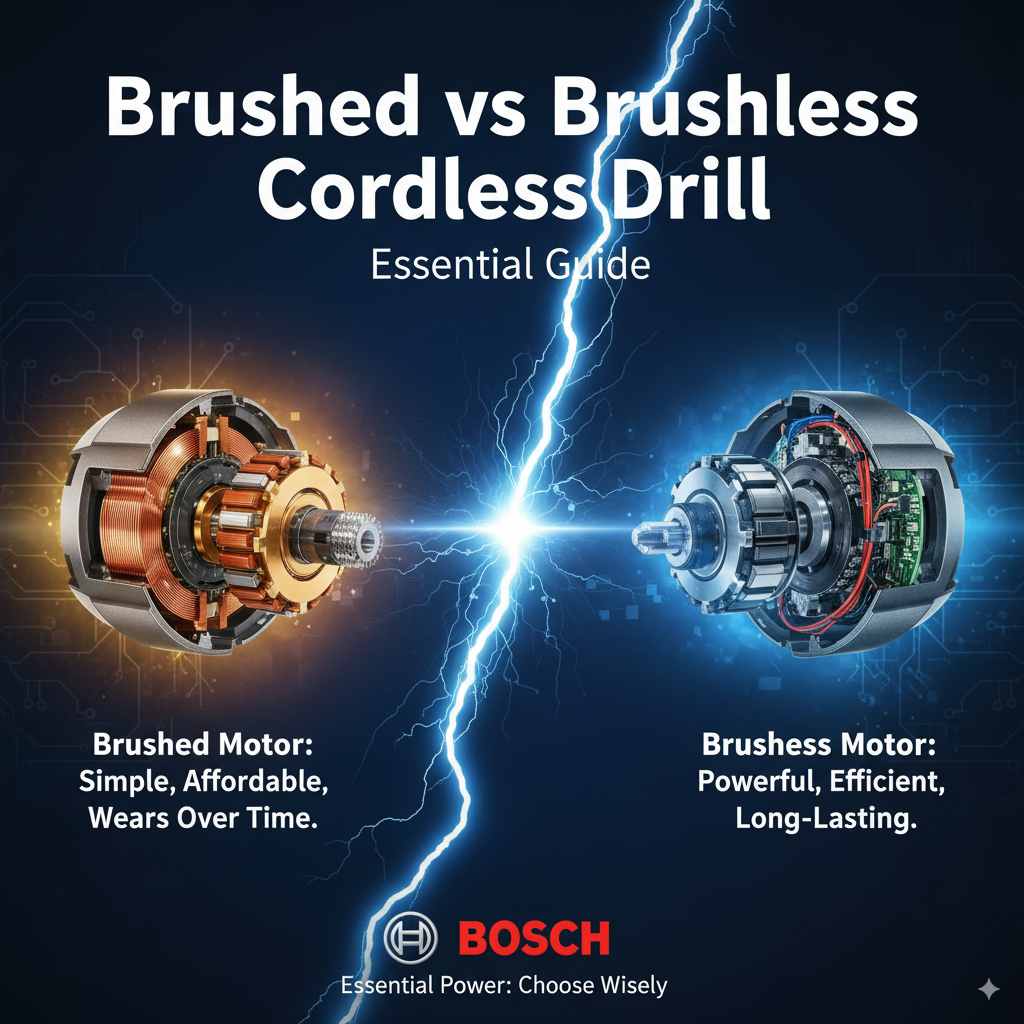
Brushed motors are the older, more traditional type of electric motor. They’ve been around for a long time and are found in countless tools. The “brushes” in a brushed motor are small pieces of conductive material, usually carbon, that physically connect the power source to the spinning part of the motor (the rotor). As the rotor spins, these brushes help direct the electrical current.
This direct contact is simple and effective, but it does come with a few trade-offs. The brushes are constantly rubbing against the rotor, and this friction creates heat and wears down the brushes over time. Eventually, these brushes will need to be replaced. Think of it like the brake pads on your car; they do their job but wear out.
Pros of Brushed Motors:
- More Affordable: Generally, drills with brushed motors are less expensive upfront, making them a great entry-level option.
- Simple Design: Their straightforward construction can sometimes make them easier to understand and, if you’re feeling adventurous, repair.
- Good for Lighter Tasks: For basic home repairs, screwing in drywall, or assembling furniture, a brushed drill has plenty of power.
Cons of Brushed Motors:
- Less Efficient: The friction from the brushes means some energy is lost as heat, making them less efficient with battery power.
- Shorter Lifespan: The brushes wear out and will likely need replacement over time, adding to maintenance costs.
- Lower Power Output: They typically can’t deliver the same torque or sustained power as brushless motors.
- More Heat Generation: Continuous use can lead to more heat buildup in the motor.
Understanding Brushless Motors: The Modern Marvel
Brushless motors are a newer technology in cordless power tools and represent a significant upgrade. Instead of physical brushes, they use electronic controls (a “controller board”) to manage the flow of electricity to the motor. This means there’s no physical contact needed to direct the power, eliminating the friction associated with brushes.
Because there are no brushes to wear out, these motors are more durable and can run at higher speeds with more power. They communicate electronically with the battery and the trigger, allowing for more precise control and better power management. This efficiency translates to more work done on a single battery charge and a longer lifespan for the tool itself.
Pros of Brushless Motors:
- Increased Efficiency: Less energy is wasted as heat, meaning longer runtimes from your battery. You’ll get more screws driven per charge!
- Greater Power and Torque: Brushless motors can deliver significantly more power and torque, making them ideal for demanding tasks like drilling into concrete or driving large fasteners.
- Longer Lifespan: With no brushes to wear out, these motors are much more durable and can last considerably longer. They’re built for the long haul.
- Less Heat: They generate less heat, allowing for more continuous use without overheating.
- More Compact Design: In some cases, brushless motors can allow for slightly smaller and lighter drill designs.
Cons of Brushless Motors:
- Higher Cost: Drills with brushless motors are generally more expensive to purchase.
- More Complex Electronics: While more reliable, if the electronic controller fails, it can be more costly to repair than replacing a few simple brushes.
Key Differences at a Glance: Brushed vs Brushless
To make it super clear, let’s put the main differences side-by-side. This table highlights how brushed and brushless motors compare in key areas that matter to us DIYers.
| FeatureBrushed Cordless DrillBrushless Cordless Drill | ||
|---|---|---|
| Motor Type | Uses physical carbon brushes to conduct electricity. | Uses electronic controls to manage electricity; no brushes. |
| Efficiency | Lower efficiency due to friction and heat. | Higher efficiency; less wasted energy. |
| Power & Torque | Good for general tasks; less powerful for heavy-duty applications. | Significantly more power and torque; excels in demanding tasks. |
| Battery Life | Shorter run time per charge compared to brushless. | Longer run time per charge due to better efficiency. |
| Lifespan | Brushes wear out and need replacement over time. | Much longer lifespan as there are no brushes to wear out. |
| Heat Generation | Generates more heat during operation. | Generates less heat, allowing for longer use. |
| Noise Level | Can be slightly louder due to brush friction. | Generally quieter operation. |
| Cost | Lower initial purchase price. | Higher initial purchase price. |
Which Drill is Right for You? Making the Choice
The best drill for you depends entirely on what you plan to do with it. Think about your typical projects and how often you’ll be using the drill.
When a Brushed Drill is a Great Choice:
Beginner Hobbyists: If you’re just starting out and want to try some light woodworking, assemble flat-pack furniture, or hang shelves, a brushed drill is perfectly capable and budget-friendly.
Occasional Homeowner Use: For tasks like basic repairs, hanging pictures, minor home maintenance, or assembling the occasional IKEA cabinet, a brushed drill will serve you well.
Budget-Conscious Projects: If you need a drill but aren’t looking to break the bank, a brushed model offers excellent value for everyday tasks.
Learning New Skills: When you’re trying out fundamental techniques like making pocket holes or drilling pilot holes for the first time, a brushed drill is an excellent tool to learn with.
When a Brushless Drill is the Smarter Investment:
Serious DIYers & Woodworkers: If you spend a lot of time in your workshop, tackle larger projects, or frequently use your drill for extended periods, the power, efficiency, and durability of a brushless drill make a big difference.
Demanding Tasks: If you anticipate drilling into hard materials like concrete or stone (with appropriate bits), driving large lag bolts, or mixing paint or thin-set mortar, the extra power of a brushless drill is invaluable.
Long-Term Value: While more expensive upfront, the longer lifespan and reduced maintenance of a brushless drill can make it more cost-effective in the long run, especially if you plan to keep your tools for many years.
Maximizing Battery Power: If you have batteries from other tools in a particular brand’s system, a brushless drill will make every amp-hour count, giving you more work done before needing a recharge.
Professional Performance at Home: For those who appreciate the feel and performance of professional-grade tools and want the best possible results for their projects.
Understanding Drill Specifications Beyond Motor Type
While the motor type is a big factor, other specifications also play a crucial role in choosing a drill. For beginners, focusing on these can help you narrow down your options:
Voltage (V): The Power Indicator
12V Drills: These are typically smaller, lighter, and less powerful. They’re great for very light-duty tasks like screwing in small screws into soft wood, intricate crafts, or working in tight spaces where maneuverability is key.
18V/20V MAX Drills: This is the sweet spot for most DIYers and homeowners. They offer a great balance of power, battery life, and weight. “20V MAX” is often the peak voltage when the battery is fully charged, while “18V” is the nominal voltage. They are powerful enough for most common tasks, from drilling holes for shelves to driving screws into tougher materials.
36V/40V MAX Drills: These are serious powerhouses. They offer maximum torque and speed, suitable for heavy-duty construction, large-scale projects, or professional use. For most home projects, they might be overkill.
Amp-Hours (Ah): The Battery’s Stamina
Amp-hours (Ah) indicate how long a battery can deliver its power. A higher Ah rating means a longer run time.
A 2.0 Ah battery will last about half as long as a 4.0 Ah battery under the same load.
For occasional use, 2.0-3.0 Ah batteries are often sufficient.
For heavy or extended use, consider batteries with 4.0 Ah or higher.
Chuck Size: Gripping the Bit
The chuck is the part that holds the drill bit or screwdriver bit.
1/4-inch Hex Chuck: Common on many drivers, designed for screwdriver bits.
3/8-inch or 1/2-inch Chuck: These are standard for drills and can accept a wider variety of bits, including drill bits for larger holes and hex shank bits. A 1/2-inch chuck is generally more robust.
RPM (Revolutions Per Minute): Speed Matters
RPM tells you how fast the chuck spins.
Lower RPMs (0-400 RPM): Better for driving screws with control, preventing stripping.
Higher RPMs (0-1500+ RPM): Better for drilling holes quickly, especially in wood or lighter materials.
Many drills have a variable speed trigger and a 2-speed gearbox to offer both slow and fast options.
Essential Accessories for Your Cordless Drill
No drill is complete without the right bits and accessories. Here are a few must-haves for any beginner:
Drill Bit Set
Get a good quality set that includes various sizes of twist bits for wood and metal. Materials like titanium coating can help bits last longer.
For drilling into masonry (brick, concrete), you’ll need masonry bits, which have a carbide tip.
A spade bit or auger bit is useful for drilling larger holes in wood for projects like installing door hinges.
Screwdriver Bit Set
Ensure your kit includes Phillips head, flat head, and Torx (star) bits, as these are very common.
Magnetic tips are a lifesaver, helping to hold screws in place.
Extension Bars
These can help you reach screws in tight or awkward spots.
Countersink Bit
This tool creates a small cone-shaped hole so the screw head sits flush or slightly below the surface of the material, giving a clean finish.
Safety First! Working with Your Cordless Drill
Safety should always be your top priority when using any power tool. Cordless drills are generally safer than their corded counterparts because there’s no cord to trip over or get tangled, but you still need to be mindful.
Here are some essential safety tips from your mentor, Md Meraj:
Read the Manual: Always take a moment to read the manufacturer’s instructions for your specific drill. It contains important safety information and operating tips.
Wear Safety Glasses: This is non-negotiable! Protect your eyes from flying debris, dust, and splinters.
Secure Your Workpiece: Use clamps to hold your material in place. This prevents the material from spinning with the drill bit and ensures you have better control.
Use the Right Bit: Make sure you’re using the correct type and size of drill bit or screwdriver bit for the job. An ill-fitting bit can slip and cause injury or damage.
Proper Grip: Hold the drill firmly with both hands, especially when drilling into harder materials or using larger bits. Many drills come with an auxiliary handle for better control.
Be Aware of Your Surroundings: Ensure the area is well-lit and free of clutter. Keep pets and children away from your workspace.
Check for Obstructions: Before drilling into walls, floors, or ceilings, be aware of potential electrical wires or plumbing pipes. The Consumer Product Safety Commission offers great resources on power tool safety.
Disconnect When Changing Bits: Always remove the battery pack before changing bits or making adjustments.
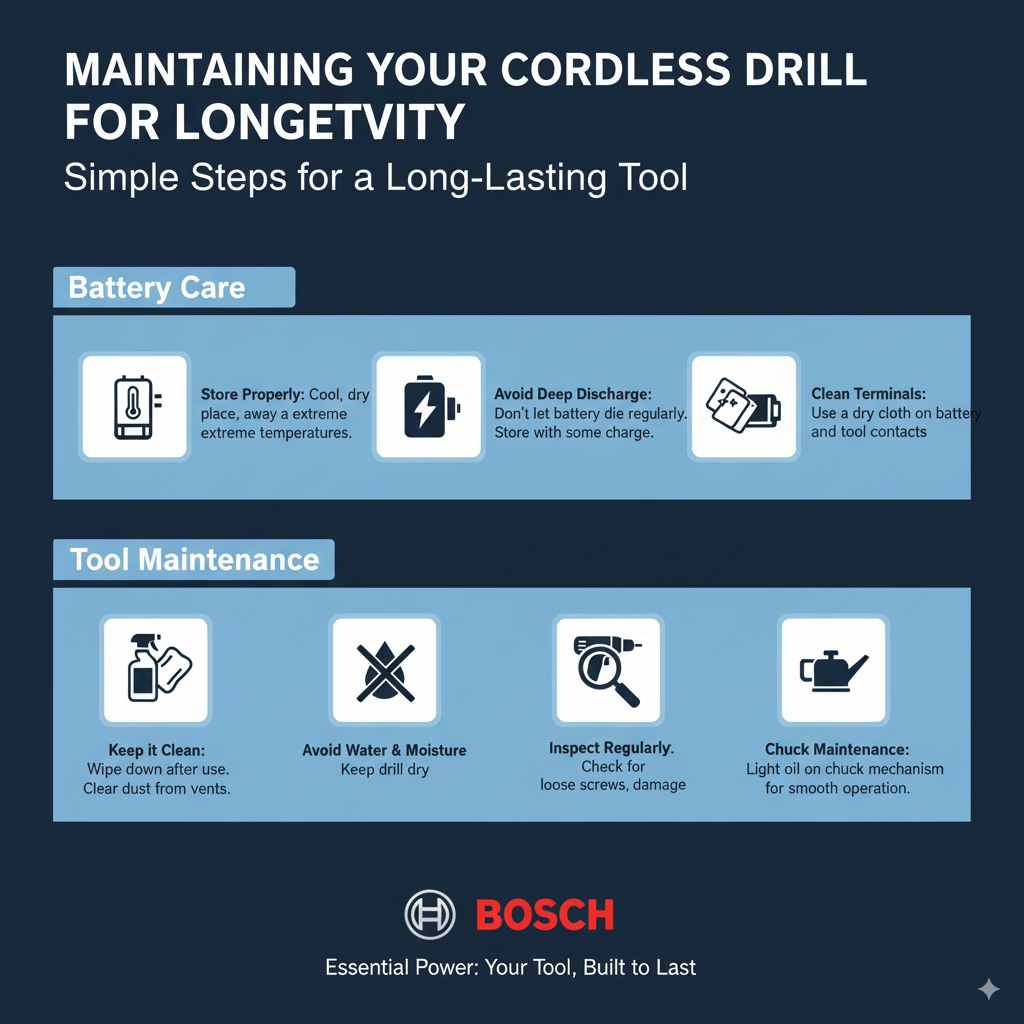
Maintaining Your Cordless Drill for Longevity
Whether you’ve chosen a brushed or brushless drill, a little regular maintenance will ensure it performs reliably for years to come.
Battery Care:
Store Properly: Store batteries in a cool, dry place, away from extreme temperatures. Avoid leaving them in a hot car or direct sunlight.
Avoid Deep Discharge: Try not to let the battery completely die regularly. Storing a battery with a very low charge can shorten its lifespan.
Clean Terminals: Occasionally, check and clean the battery terminals and the tool’s contacts with a clean, dry cloth to ensure good electrical connection.
Tool Maintenance:
Keep it Clean: After use, wipe down your drill with a dry cloth to remove sawdust and debris. Pay attention to vents to keep them clear for proper air flow.
Avoid Water and Moisture: Keep your drill dry. Moisture can damage the motor and electronics.
Inspect Regularly: Periodically check for any loose screws, damaged cords (if any), or worn parts.
Chuck Maintenance: Occasionally, a drop of light oil on the chuck mechanism can help it operate smoothly.
For brushed drills, keep an eye on the brushes. If the drill starts to lose power or the motor sounds different, it might be time to replace the brushes. Most manufacturers offer replacement brush kits.
Frequently Asked Questions (FAQ)
Here are some common questions beginner woodworkers and DIYers ask about brushed versus brushless drills.
Q1: Will a brushed drill always be weaker than a brushless drill?
Not necessarily. While brushless motors generally offer more power and torque for their size and efficiency, a high-end, large voltage brushed drill can still be very powerful. However, when comparing drills of similar voltage and design, a brushless motor will almost always outperform a brushed one in terms of raw power and sustained performance.
Q2: How do I know if my drill is brushed or brushless?
The easiest way is to check the product description or the label on the tool itself. Manufacturers clearly label their brushless tools. If it doesn’t say “brushless,” it’s almost certainly a brushed drill. You can also often find this information on the manufacturer’s website or in the user manual.
Q3: Is it worth paying more for a brushless drill if I’m just a beginner?
For very light, occasional use (like hanging a few pictures a year), a good quality brushed drill is perfectly fine and saves you money. However, if you plan to do more projects, have a growing interest in DIY, or want a tool that will last longer and handle more demanding tasks as you grow, investing in a brushless drill is often a wise choice. It’s a tool that can grow with your skills.
Q4: Can I use the same batteries for brushed and brushless drills from the same brand?
Yes! Most major tool brands have standardized their battery platforms. So, an 18V battery (or 20V MAX) from one of their tools will work in both their brushed and brushless drills, as well as their saws, sanders, and other tools within that voltage class. This is a big advantage of buying into a tool system.
Q5: How can I tell if my drill is overheating?
You’ll notice the drill becoming uncomfortably hot to the touch, especially around the motor housing. The motor might also start to sound strained or smell hot. If this happens, stop using the drill immediately, remove the battery, and let it cool down completely before using it again. Brushless drills tend to overheat less often than brushed ones.