Brushless Cordless Drill vs Brushed: Essential Guide
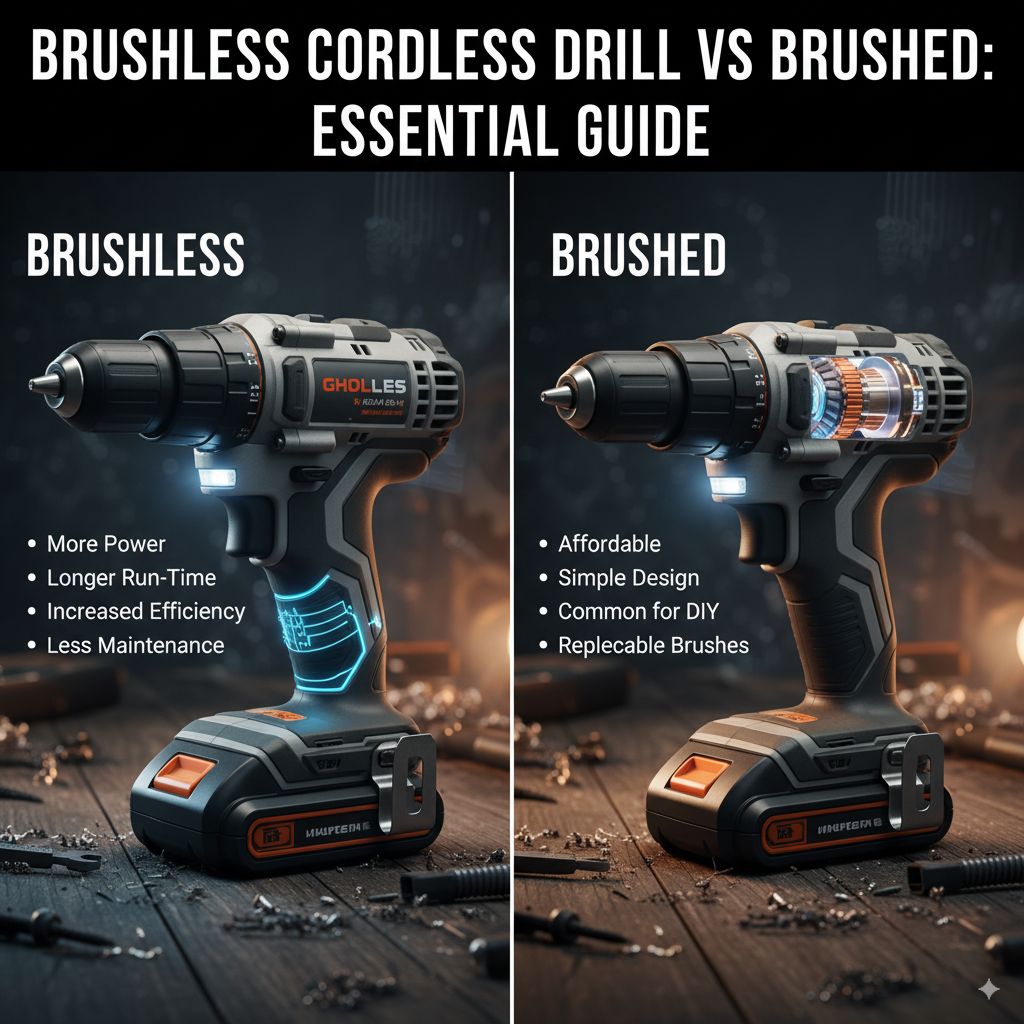
Brushless cordless drills offer more power, longer battery life, and last longer than brushed drills, making them a superior choice for most DIYers and hobbyists. Brushed drills are a more budget-friendly option for light tasks.
Hey there, aspiring woodworkers and DIY champs! Ever stood in the tool aisle, staring at drills, and felt a little lost? You’re not alone. Choosing the right cordless drill can feel like a big decision, especially when you hear terms like “brushed” and “brushless.” Don’t worry, I’m here to guide you through it with simple, clear advice. Picking the right drill means your projects will go smoother, and you’ll feel way more confident tackling that shelf, cabinet, or even that deck you’ve been dreaming of. Let’s cut through the confusion and find the perfect drill for your workshop!
Brushless Cordless Drill vs Brushed: What’s the Big Difference?
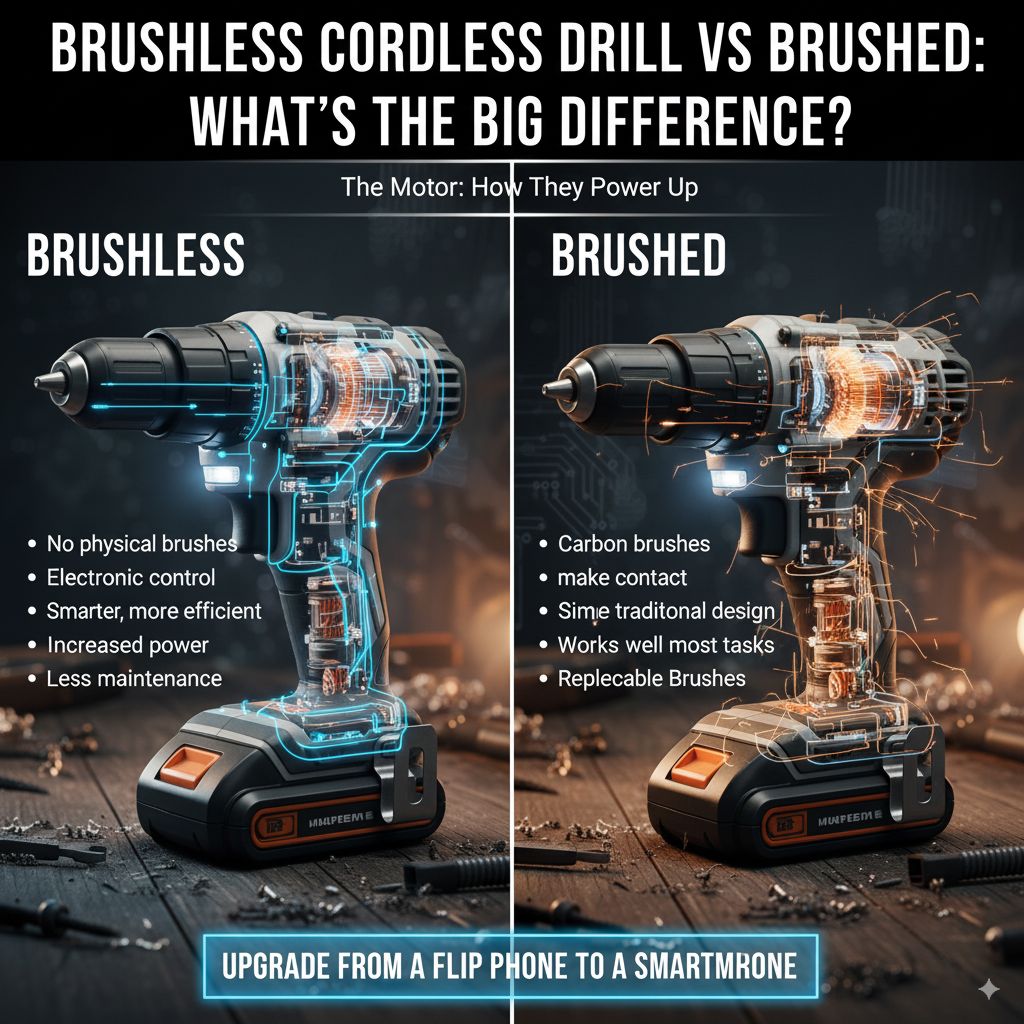
So, what exactly are we talking about when we say “brushed” and “brushless”? It all comes down to how the electric motor inside your drill works. Think of it like the engine in a car – a slightly different design can mean a big change in performance.
The “brushes” in a brushed drill are tiny carbon pieces that act like little electrical contacts. They make contact with a spinning part called the rotor. This creates an electrical current that makes the motor turn. It’s a system that’s been around for ages and it works perfectly well for many jobs!
A brushless drill, on the other hand, uses a more modern approach. Instead of physical brushes, it uses electronic controls to manage the motor’s operation. This “smart” system allows for a more efficient and powerful performance. It’s like upgrading from a flip phone to a smartphone – both make calls, but one does so much more, and better!
Why the Difference Matters for Your Projects
You might be thinking, “This sounds a bit technical, Md Meraj. Why should I care?” Well, this technical difference directly impacts how your drill performs, how long it lasts, and even how long your battery lasts on a single charge. For us DIYers and hobbyists, this means:
- More Power: Brushless drills tend to have more torque (twisting power), which is great for drilling through tough materials or driving long screws.
- Longer Battery Life: Because they’re more efficient, brushless drills can often get more work done on a single battery charge.
- Increased Durability: No brushes means less wear and tear inside the motor, leading to a longer lifespan for your tool.
- Better Control: The electronic controls in brushless drills often allow for more precise speed and power adjustments.
- Lighter & Smaller (Sometimes): Advancements in brushless technology can sometimes lead to more compact and lighter tool designs.
Brushed drills, while simpler, are fantastic for those just starting out or for tasks around the house that don’t require heavy-duty power. They are usually more affordable, making them a great entry point into the world of cordless tools.
Understanding the Core Components: A Simple Breakdown
Let’s look at the main parts that make these two types of drills different:
Brushed Drills: The Classic Approach
In a brushed drill, the key players are:
- Stator: The stationary part of the motor with electromagnets.
- Rotor (Armature): The spinning part connected to the drill’s chuck.
- Brushes: Small blocks of conductive material (usually carbon) that slide against the rotor.
- Commutator: A segmented part of the rotor that reverses the electrical current as it spins, keeping the motor running.
The brushes make physical contact with the commutator. As the rotor spins, the brushes switch the direction of the electrical current, creating the magnetic forces that drive the rotor. This contact generates friction and heat, and over time, the brushes wear down.
For more details on electric motor basics, you can check out resources like Harvard’s Physics Animations on Motors, which explains the fundamental principles in an easy-to-understand way.
Brushless Drills: The Modern Marvel
Brushless drills have a different setup:
- Stator: This part contains permanent magnets, not electromagnets.
- Rotor (Armature): This part has electromagnets.
- Electronic Speed Controller (ESC): This is the “brain” of the brushless motor. It’s a circuit board that precisely controls the flow of electricity to the stator electromagnets.
Instead of brushes making contact, the ESC tells specific electromagnets on the rotor when to turn on and off, interacting with the stator’s magnetic field to create rotation. This electronic control is much more efficient and generates less heat. Think of it as a highly sophisticated ballet dancer versus a more improvisational performance.
Brushless Cordless Drill vs Brushed: A Feature Comparison
To make it crystal clear, let’s put the key differences side-by-side:
| Feature | Brushed Cordless Drill | Brushless Cordless Drill |
|---|---|---|
| Motor Type | Brushed DC motor with physical brushes | Brushless DC motor with electronic control |
| Performance & Power | Good for general tasks, can have less torque | Higher torque, more power for demanding jobs |
| Battery Life | Generally shorter battery life per charge | More efficient, longer battery life per charge |
| Durability & Lifespan | Brushes wear out, requiring replacement; shorter lifespan | No brushes to wear out; generally lasts longer |
| Heat & Noise | Generates more heat and can be noisier | Runs cooler and quieter |
| Maintenance | Brushes may need occasional replacement | Virtually maintenance-free motor |
| Cost | More affordable, lower upfront cost | More expensive, higher upfront cost |
| Size & Weight | Can be bulkier due to motor design | Often more compact and lighter |
| Control & Precision | Standard control | Often offers more precise speed and torque control |
When to Choose Which: Practical Advice for Beginners
So, when should you reach for a brushed drill, and when is it worth investing in a brushless one?
Choose a Brushed Cordless Drill If:
- You’re on a tight budget: Brushed drills are significantly less expensive, making them a great starting point for occasional home repairs or basic furniture assembly.
- Your tasks are light: If you only need a drill for hanging pictures, assembling flat-pack furniture, or a bit of light DIY, a brushed drill will serve you well.
- You don’t plan on heavy use: For the do-it-yourselfer who uses their drill a few times a year, the durability advantage of a brushless motor might not be your top priority.
- You want a spare or a secondary tool: A brushed drill can be a cost-effective backup or a second drill for a different task.
Choose a Brushless Cordless Drill If:
- You want the best performance: For consistent power, especially when drilling into harder materials like dense wood or even metal, brushless is the way to go.
- You plan on frequent or demanding use: If you’re diving into woodworking projects, extensive renovations, or building decks, a brushless drill will handle the workload and last longer.
- Battery life is crucial: When you need to work for longer periods without interruption or frequent battery swaps, the efficiency of brushless is a big win.
- You value longevity and fewer repairs: Investing in a brushless drill typically means fewer worries about wear and tear over the years.
- You want a lighter tool for comfort: Many modern brushless drills are engineered to be more ergonomic, reducing fatigue during extended use.
- You want advanced features: Higher-end tools, including many brushless models, often come with advanced features like electronic clutches for precise screw driving.
For a comprehensive overview of what makes a good cordless drill in general, including battery types and chuck sizes, you might find resources from reputable groups like The U.S. Federal Trade Commission (FTC) helpful when making any tool purchase.
Tips for Using Your New Drill Safely and Effectively
No matter which type of drill you choose, safety and smart usage are key. As your woodworking mentor, I always stress these points:
Safety First!
- Wear Safety Glasses: Always protect your eyes from flying debris.
- Secure Your Workpiece: Use clamps to hold your material steady so it doesn’t spin or move unexpectedly.
- Understand Your Drill Settings: Know how to adjust the torque clutch and speed settings. Start low and increase as needed.
- Use the Right Bit: Make sure your drill bit is appropriate for the material you’re drilling and securely fastened in the chuck.
- Grip Firmly: Hold the drill with both hands if possible, especially when drilling larger holes or driving large screws.
- Keep Cords (if corded) or Batteries Clear: Ensure cords don’t get tangled and batteries are securely attached.
Maximizing Your Drill’s Potential
- Pre-Drill Pilot Holes: For larger screws or drilling near the edge of wood, pre-drilling a pilot hole prevents splitting and makes driving screws easier.
- Use the Torque Clutch: For driving screws, set the torque clutch to just the right level. This prevents over-driving screws and stripping the head or the material.
- Don’t Force It: Let the drill do the work! Forcing the drill can overheat the motor, strip screws, or snap drill bits.
- Keep Batteries Charged: For cordless drills, keep spare batteries charged so you can swap them out and keep working.
- Clean Your Tool: A little dust and debris wiped off periodically will help your drill run better.
Common Cordless Drill Features to Look For
Beyond “brushed” vs. “brushless,” what else should a beginner look for?
- Chuck Size: Most drills have a 1/2-inch or 3/8-inch chuck. 1/2-inch is more common and can accept larger bits.
- Voltage: This tells you about the drill’s power. 12-volt drills are lighter and good for small tasks. 18-volt or 20-volt (they’re essentially the same) are the most popular for general DIY and construction. Higher voltage usually means more power and longer run time.
- RPM (Revolutions Per Minute): Higher RPMs are good for drilling cleaner holes in wood and metal. Lower RPMs are better for driving screws accurately. Many drills offer variable speed settings.
- LED Light: A built-in light is incredibly useful for illuminating your work area, especially in dimly lit spaces.
- Battery Type: Lithium-ion (Li-ion) batteries are the standard now. They hold a charge well and don’t have a “memory effect.”
- Ergonomics: How the drill feels in your hand is important. A comfortable grip and good balance reduce fatigue.
FAQ: Your Brushless vs. Brushed Drill Questions Answered
Q1: Is a brushless drill really worth the extra money for a beginner?
For most beginners who plan to do more than just the absolute basics, yes, a brushless drill is often worth the investment. It offers better performance, longer battery life, and will likely last longer, saving you money in the long run. However, if your budget is very tight and you only have occasional light tasks, a brushed drill is still a perfectly capable option.
Q2: Can I use the same batteries with all drills from the same brand?
Usually, yes, within the same voltage class and brand. For example, if you buy an 18-volt (or 20-volt) drill from DeWalt, most other 18V/20V DeWalt tools and batteries will be interchangeable. Always check the manufacturer’s specifications to be sure.
Q3: How long does a brushed drill motor typically last?
A brushed drill motor can last for many years with moderate use. However, the brushes themselves are designed to wear down and need replacement. Once the brushes are worn out, the motor will stop working. Battery performance also degrades over time.
Q4: Are brushless drills more powerful than brushed drills?
Generally, yes. Brushless motors are more efficient, meaning they convert more battery power into rotational force (torque). This allows them to deliver higher power output and handle tougher jobs more easily than comparable brushed drills.
Q5: What does the “brushless” designation mean for maintenance?
It means less maintenance for the motor itself. Since there are no physical brushes to wear out or create carbon dust, the motor is more durable and requires less attention. You’ll still need to keep the exterior clean and ensure batteries are properly cared for.
Q6: Can a beginner tell the difference in feel when using a brushless drill?
Yes, often. Brushless drills tend to feel smoother and more responsive due to the precise electronic control. They also run cooler and quieter, which contributes to a more pleasant user experience, especially during longer work sessions.
Conclusion: Making the Right Choice for Your Workshop
Choosing between a brushless cordless drill and a brushed one isn’t about right or wrong; it’s about finding the best fit for you. For those just dipping their toes into DIY and home projects with occasional use, a brushed drill is a fantastic and budget-friendly starting point. It will handle many common tasks with ease.
However, if you see yourself tackling more ambitious projects, want tools that feel more robust and last longer, and appreciate the extra power and battery efficiency, then investing in a brushless cordless drill is truly the way to go. Think of it as an investment in your hobbies and your home improvement capabilities. Whichever you choose, remember to always prioritize safety, use your tools wisely, and enjoy the satisfaction of creating and fixing things with your own hands!