Plastic Wood Filler: When to Use It vs Wood Putty or Epoxy
Plastic wood filler is a solvent- or latex-based compound that cures rock-hard like real wood – the wrong pick for finished trim (use putty) or rotted structural wood (use epoxy). Pick wrong and the repair cracks, won’t hold a screw, or never blends in. This guide compares plastic wood filler to putty and epoxy, gives DAP’s real dry times, and covers application, sanding, and finishing without shrinkage.
Note: Insert your Affiliate Disclosure reusable block here.
What Is Plastic Wood Filler?
Best Plastic Wood Filler Pick
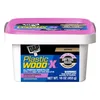
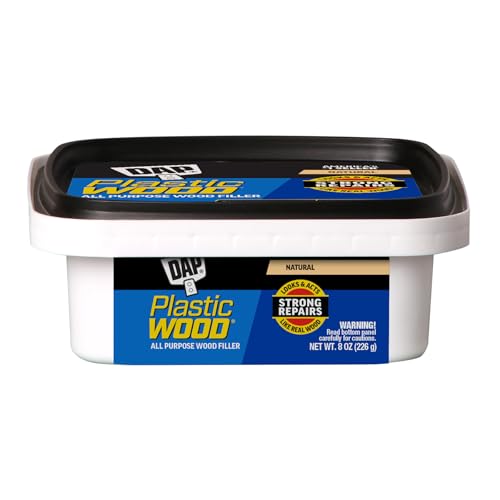
DAP Plastic Wood-X with DryDex Wood Filler, Natural, 16 Oz
DAP’s DryDex formula changes color from pink to natural as it dries, so you can see exactly when it’s ready to sand.
- Best for: nail holes, cracks, and gouges in unfinished interior or exterior trim
- Why we picked it: the color-change cure indicator removes the guesswork on drying time covered above
- Main drawback: not rated waterproof – seal with paint or finish for exterior use
Compare more plastic wood filler options
 Option 1 Gorilla All Purpose Wood Filler, Natural Finish, 16 oz
|
 Option 2 DAP Plastic Wood All Purpose Latex Wood Filler, White, 6 Oz
|
 Option 3 DAP Plastic Wood-X with DryDex Wood Filler, Natural, 5.5 Oz
|
As an Amazon Associate we earn from qualifying purchases.
Plastic wood filler is a solvent- or latex-based wood-repair compound that cures to a hard, sandable, paintable finish similar to real wood. It differs from wood putty, which stays soft and never fully hardens, and from two-part epoxy filler, which cures harder still and is built for rotted or structurally weak wood rather than small cosmetic repairs.
Most plastic wood fillers on shelves today, including DAP Plastic Wood and DAP Plastic Wood-X, are made from real wood fibers suspended in a resin binder with solvents or water carrying the mix. Once the solvent or water evaporates, the resin locks the wood fibers into a hard mass that can be sanded, planed, drilled, and screwed into like solid wood.
What It’s Made Of
- Wood fibers: give the cured filler its texture and let it accept stain like real wood.
- Resin binder: holds the fibers together and is what makes the repair hard once cured.
- Solvent or water carrier: keeps the paste workable in the can; evaporates as it dries.
- Pigment: tints the filler toward natural, white, or a specific wood tone.
Plastic Wood Filler vs. Wood Putty vs. Epoxy Filler
These three products get confused constantly because they all “fill” wood, but they behave nothing alike once applied. The table below compares them on the specs that actually matter for choosing correctly, compiled from DAP and epoxy-filler manufacturer technical data sheets.
| Product | Cures Hard? | Dry / Cure Time | Best For |
|---|---|---|---|
| Plastic wood filler (DAP) | Yes, fully hard | 2-6 hrs shallow, up to 36 hrs deep | Nail holes, cracks, gouges in unfinished wood |
| Wood putty | No, stays soft | Ready to use immediately | Small holes in already-finished or stained wood |
| Two-part epoxy filler | Yes, extremely hard | 24-48 hrs full cure | Rotted or structurally weak wood, exterior repairs |
One rule that trips up most first-time users: if the wood will be stained, stain the wood before you fill it, not after. Plastic wood filler absorbs stain differently than surrounding wood grain, so filling first and staining second almost always leaves a visible patch. For a full walk-through on matching color, see our guide on making wood filler look like real wood.
If the wood is rotted rather than just cracked or gouged, plastic wood filler is the wrong tool entirely – it has no structural strength once the surrounding wood is soft. See our wood rot repair with epoxy guide instead.
How to Apply Plastic Wood Filler
Surface prep determines whether the repair holds. Skipping cleaning or sanding is the single most common reason a filled area pops loose or shows a hairline gap months later.
- Clean the area: wash with soap and water, then let it dry completely – trapped moisture keeps filler from bonding.
- Sand the repair site: rough up the surface with 120-220 grit sandpaper so the filler has something to grip.
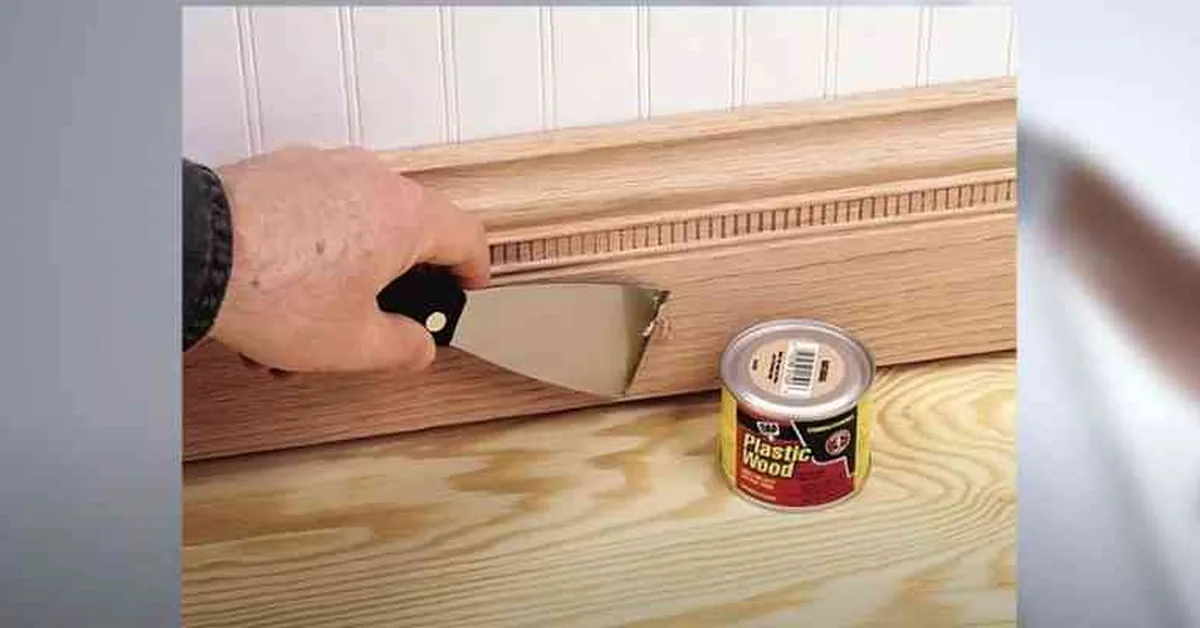
- Load the putty knife: scoop filler onto a flexible putty knife, working from a fresh, unhardened part of the can.
- Press the filler into the gap: push it in firmly so there are no trapped air pockets, slightly overfilling the hole.
- Scrape flush: draw the putty knife across the surface at a low angle to remove the excess before it skins over.
- Let it cure fully before sanding – sanding too early smears soft filler instead of shaping it.
For repairs deeper than about 1/4 inch, apply the filler in two thin layers instead of one thick pass. A single deep fill dries unevenly – the outside skins over while the core stays soft, which is what causes sunken or cracked patches later. For gouges wider than a couple inches, see our dedicated guide to using wood filler on large holes.
How Long Does Plastic Wood Filler Take to Dry?
DAP Plastic Wood-X, one of the most common brands, dries in roughly 2 to 6 hours for shallow repairs and up to 36 hours for deep fills, per DAP’s own technical data sheet. Shrinkage is minimal but not zero – on larger repairs, plan on a thin second coat once the first has fully dried.
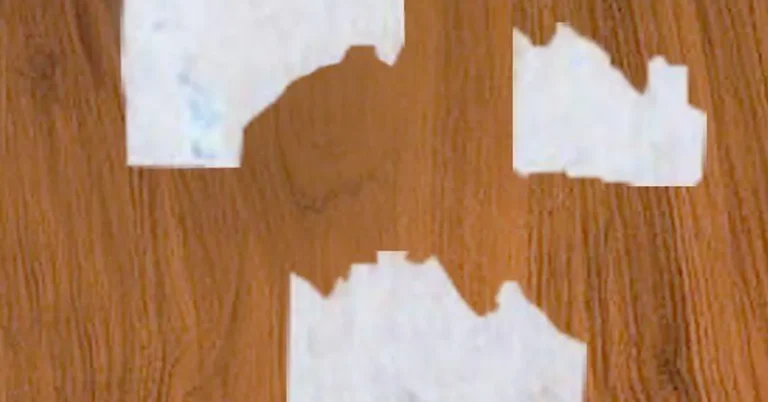
📊 DAP Plastic Wood-X changes from pink to a natural wood tone as it fully cures – Source: DAP Global product data
What Changes Drying Time
- Humidity: high humidity slows solvent or water evaporation, so cure time stretches.
- Temperature: warmer air speeds evaporation; cold garages slow it down noticeably.
- Fill depth: a 1/8 inch fill dries in hours; a 1 inch fill can take well over a day.
- Air movement: a fan aimed near (not directly on) the repair speeds drying without cracking the surface.
Sanding and Painting Plastic Wood Filler
Sand only once the filler has fully cured, not just surface-dry – sanding too early smears soft material instead of leveling it.
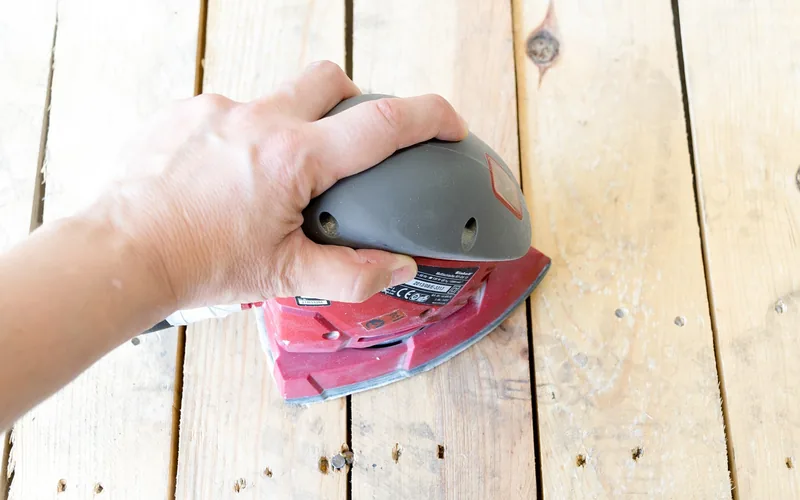
- Sand with 220 grit: work in a circular motion with light pressure so you don’t gouge the surrounding wood.
- Wipe with a damp cloth: clears sanding dust so paint or primer bonds cleanly.
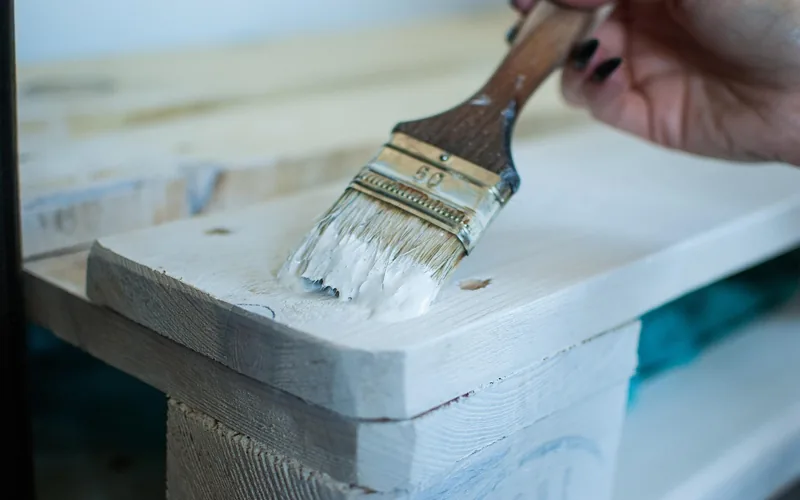
- Prime before painting: a primer coat evens out how the filler and surrounding wood absorb paint.
- Apply paint or stain: latex or oil-based paint both work once primed; if staining, remember the filler was already color-matched before it went in.
Is Plastic Wood Filler Waterproof?
No, standard plastic wood filler is not waterproof on its own, though it resists moisture reasonably well once cured. For exterior repairs, seal the finished patch with exterior-grade paint, stain, or a clear finish – bare filler left exposed to rain and freeze-thaw cycles will eventually absorb water and fail. If a repair needs to be genuinely waterproof without a topcoat, a two-part epoxy wood filler is the better choice, not standard plastic wood filler.
For general wood repair and upkeep beyond filler alone, see our full wood care and protection guide.
Common Mistakes to Avoid
- Staining after filling instead of before: the filler and the wood absorb stain at different rates, leaving a visible patch.
- Sanding before it’s fully cured: soft filler smears instead of sanding to a clean edge.
- Skipping the primer coat: paint applied directly over filler often looks duller or flatter than the surrounding painted wood.
- Using indoor-only filler outdoors with no topcoat: even filler rated for exterior use needs paint or sealant over it for long-term durability.
- Overfilling and not scraping flush: excess filler left proud of the surface means far more sanding later, and it increases the odds of a visible ridge.
Frequently Asked Questions
What is plastic wood filler used for?
Plastic wood filler is used to repair nail holes, cracks, gouges, and scratches in unfinished or sanded wood. Once cured it can be sanded, drilled, screwed, stained, or painted, which makes it suitable for furniture, trim, cabinetry, and molding repairs.
How do you apply plastic wood filler?
Clean and sand the damaged area first, then press the filler into the gap with a flexible putty knife, slightly overfilling the hole. Scrape the excess flush before it skins over, let it cure fully per the product’s dry time, then sand smooth before painting or staining.
Can plastic wood filler be painted?
Yes. Once fully cured and sanded smooth, plastic wood filler accepts latex or oil-based paint. A primer coat first helps the filled area take paint the same way as the surrounding wood.
Is plastic wood filler waterproof?
Standard plastic wood filler is not fully waterproof, though it resists moisture once cured. For exterior repairs, seal it with paint, stain, or a clear finish; for a repair that must stay waterproof without a topcoat, use a two-part epoxy wood filler instead.
What’s the difference between plastic wood filler and wood putty?
Plastic wood filler cures to a hard, sandable finish and works best on unfinished wood, while wood putty stays soft and never fully hardens, which is why it can’t be sanded. Putty is meant for small holes in wood that’s already finished or stained.
How long does plastic wood filler take to dry?
DAP Plastic Wood-X dries in about 2 to 6 hours for shallow repairs and up to 36 hours for deep fills, according to the manufacturer’s technical data sheet. Humidity, temperature, and fill depth all affect the actual drying time.
Conclusion
Plastic wood filler is the right call for cracks, nail holes, and gouges in unfinished wood – not for finished trim (use putty) and not for rotted, structurally weak wood (use epoxy). Match the product to the repair, stain before filling if color matters, and give it the full cure time before sanding for a patch that holds.
Sponsored / affiliate links. As an Amazon Associate I earn from qualifying purchases. I may earn additional commission from eligible campaigns.