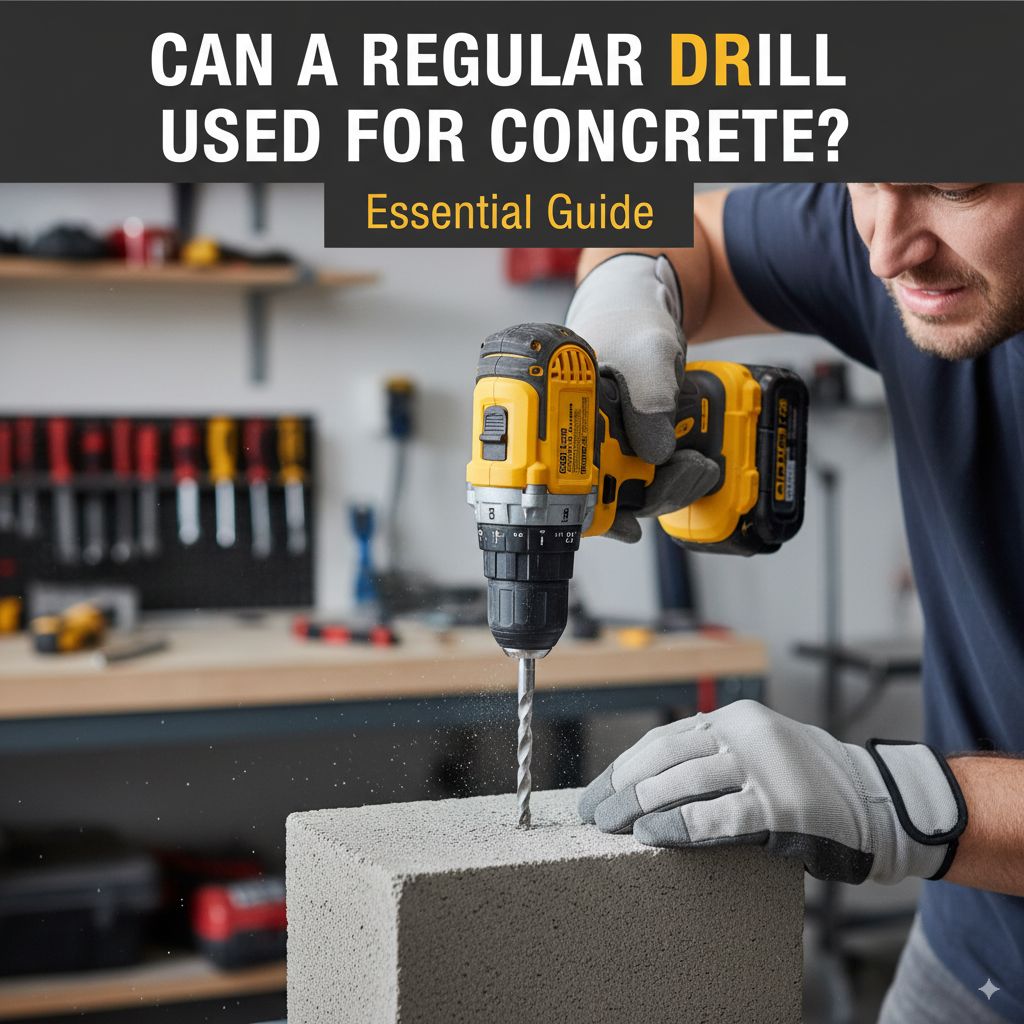
Can A Regular Drill Be Used For Concrete: Essential Guide
Can a regular drill be used for concrete? Yes, but with significant limitations and the right approach. For light-duty tasks and very soft concrete, a regular drill might suffice with a masonry bit. However, for efficient and effective concrete drilling, a hammer drill or rotary hammer is generally recommended as they provide the necessary power and action.
Hey there, DIY friends! Md Meraj here. Ever found yourself standing in front of a concrete wall, a bag of anchors, and your trusty regular drill, wondering if you can get the job done without a special tool? It’s a super common question. You want to hang that shelf, mount that bracket, or do some quick DIY repair, and the thought of buying another new tool can feel a bit much. I get it! The good news is, sometimes the answer is yes, but it’s crucial to know when and how. Let’s break down if your everyday drill can tackle concrete and what you need to know to make it work (or when to upgrade!).
Understanding Your Regular Drill vs. Concrete
Before we dive into the “can I?” question, let’s briefly talk about what makes concrete different from wood or drywall. Concrete is dense, hard, and abrasive. It requires a tool that can not only spin but also deliver impact or a strong hammering action to chip away at the material effectively. Your regular drill (often called a drill/driver) is designed for softer materials. It provides rotational force, which is great for screws and drilling wood, metal, or plastic. However, it typically lacks the percussive power needed to make significant headway into hard concrete.
The Limitations of a Standard Drill
Using a regular drill on concrete comes with a few key limitations:
- Speed: It will be incredibly slow, taking a very long time to drill even a small hole.
- Wear and Tear: The motor and gears will be under immense stress, potentially overheating and shortening the lifespan of your drill.
- Effectiveness: You might only be able to create shallow or rough holes, especially in harder or reinforced concrete.
- Bit Life: Even the best masonry bits will wear down much faster without the hammering action to help break up the concrete.
- User Fatigue: You’ll be applying a lot of downward pressure for an extended period, which is tiring!
When Can a Regular Drill Potentially Work?
So, we’ve talked about limitations, but are there any scenarios where your regular drill might actually be a viable option for concrete? Yes, but with big caveats:
- Very Soft Concrete: Older, less dense concrete, or perhaps some types of concrete blocks, might be drilled to a limited extent.
- Very Small Holes: If you only need to drill a tiny hole (e.g., for a very small screw or anchor) and you’re patient.
- Very Shallow Holes: Again, for minimal depth requirements, it might be possible.
- Occasional Use: If this is a one-off, extremely light-duty task and you’re prepared for a slow process.
Essential Tool: The Masonry Drill Bit
If you’re even considering using a regular drill for concrete, the absolute most crucial accessory you’ll need is a masonry drill bit. Do NOT try to use a standard wood or metal bit. Masonry bits are made from hardened steel and have a carbide tip specifically designed to chisel through stone and concrete. Look for bits that are labeled for masonry or stone. They have a pointed, often spear-shaped tip that helps them penetrate.
You can find good quality masonry bits at most hardware stores. For example, Bosch and Diablo offer reliable options that can handle tough materials. Always ensure you’re using a bit that matches the diameter of the anchor or screw you intend to use. I recommend getting a set if you plan on doing any DIY work around the house, as different projects will call for different hole sizes. Learn more about drill bit types and their uses on resource sites like Popular Mechanics’ guide to drill bits.
The “How-To” for Using a Regular Drill on Concrete (When You Must!)
If you’ve assessed your project and decided to give your regular drill a try for concrete, here’s how to do it as safely and effectively as possible. Remember, this is for light-duty situations only!
Step-by-Step Guide
- Gather Your Supplies:
- Your regular drill/driver
- Appropriate size masonry drill bit
- Safety glasses (essential!)
- Ear protection (especially if drilling for a while)
- Dust mask
- Work gloves
- A damp cloth or vacuum to clean up dust
- Your chosen anchor or fastener
- Mark Your Spot: Use a pencil or chalk to clearly mark where you need to drill the hole.
- Set Up Your Drill:
- Insert the masonry bit securely into your drill’s chuck. Ensure it’s tightened well.
- Crucially, de-activate the hammer/percussion function on your drill if it has one. A regular drill doesn’t have this, but if you’re using a hammer drill on its regular drilling setting, ensure the hammer function is OFF. You want only rotation.
- Set your drill to its lowest speed setting. High speed will cause overheating and wear.
- Begin Drilling:
- Position the tip of the masonry bit precisely on your mark.
- Apply firm, steady, downward pressure.
- Start the drill at a very slow speed.
- As the bit starts to bite into the concrete, you can increase the speed slightly, but keep it moderate – never high RPMs.
- Clear Debris Regularly: This is vital! Drill for a few seconds, then pull the bit back out slightly while it’s still spinning slowly. This helps clear the dust and chips from the hole, preventing the bit from getting stuck and allowing it to cut more effectively. Repeat this step often.
- Maintain Pressure and Patience: Continue drilling in short bursts, pulling out to clear debris. You will need to maintain consistent downward pressure, but don’t force it excessively. Let the bit do the work. This will take time!
- Drill to Depth: Continue until you’ve reached the desired depth. You can often gauge this by using a piece of tape on the drill bit as a depth guide.
- Clean the Hole: Once drilled, use a brush, compressed air, or a vacuum to thoroughly clean out the hole. Dust can prevent anchors from seating properly.
- Insert Your Anchor/Fastener: Follow the manufacturer’s instructions for your specific anchor or fastener.
Safety First, Always!
Working with concrete, even with a regular drill, can be dusty and potentially hazardous. Safety glasses are non-negotiable. Concrete dust can irritate your lungs, so a dust mask is also highly recommended. Protect your hands with gloves. Always ensure you have a secure stance and a firm grip on the drill. Always unplug the drill when changing bits.
When to Upgrade: The Power of Hammer Drills and Rotary Hammers
If your project involves more than a couple of very small holes, or if you anticipate drilling into concrete more than once in a blue moon, it’s genuinely worth considering a more specialized tool. This is where hammer drills and rotary hammers shine.
Hammer Drills
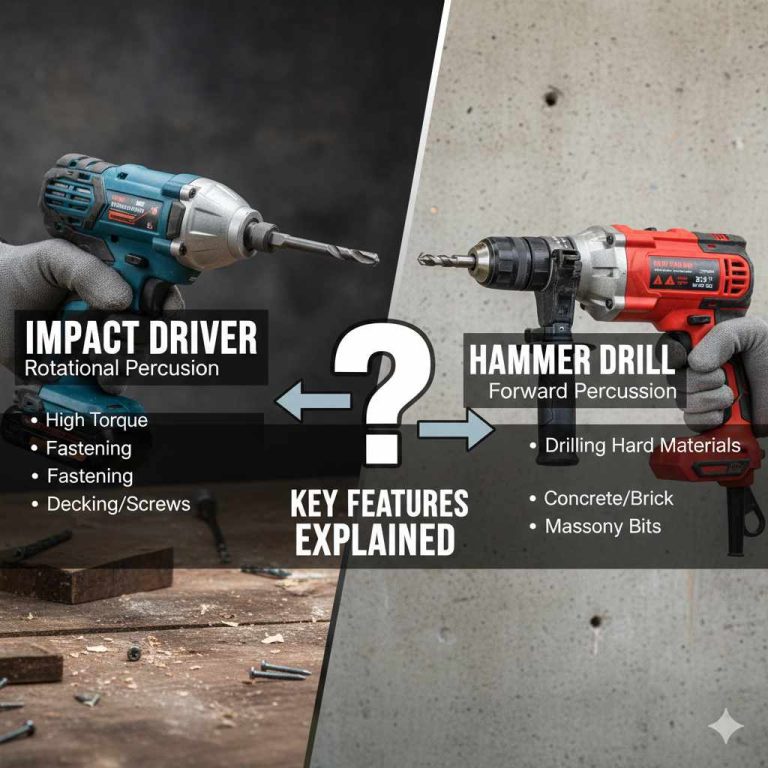
A hammer drill is an excellent upgrade from a regular drill. It has an additional mechanism that creates a rapid hammering action in addition to rotation. This makes drilling into masonry much faster and more efficient. Most hammer drills have a switch to turn the hammer function on or off, so you can still use them as a regular drill for wood and metal.
Pros of a Hammer Drill for Concrete:
- Significantly faster than a regular drill.
- More efficient at breaking up concrete.
- Can handle small to medium DIY tasks.
- Versatile – can be used as a regular drill too.
Cons of a Hammer Drill for Concrete:
- Still can struggle with very hard concrete or rebar.
- Not as powerful as a rotary hammer.
- Can still cause user fatigue for larger jobs.
Rotary Hammers (SDS Drills)
For serious concrete work, nothing beats a rotary hammer, often referred to by the SDS nomenclature (Slotted Drive System). These are powerful tools designed specifically for demolition and heavy-duty drilling in concrete. They use a piston mechanism to deliver a much more powerful hammering blow than a hammer drill, and their specialized SDS bits lock into place for better power transfer and less bit slippage. Rotary hammers are what professionals use for drilling anchors, breaking up concrete, and other tough jobs.
Pros of a Rotary Hammer for Concrete:
- Extremely powerful and fast.
- Ideal for continuous, heavy-duty drilling.
- Can easily handle tough concrete and rebar.
- Often have multiple modes (drill, hammer drill, chisel).
Cons of a Rotary Hammer for Concrete:
- More expensive than hammer drills or regular drills.
- Can be overkill for very light-duty tasks.
- Heavier and can cause more vibration if not used properly.
- Requires specialized SDS bits.
Choosing the Right Tool for the Job
It really comes down to the scale and frequency of your concrete drilling needs. Here’s a quick comparison:
| Tool Type | Best For | Pros | Cons | Cost Range (Estimate) |
|---|---|---|---|---|
| Regular Drill | Very light-duty, occasional, small/shallow holes in soft concrete/block. | Already owned, affordable. | Extremely slow, limited power, high strain on tool, not effective for most concrete. | $50 – $200+ |
| Hammer Drill | DIYers needing to drill multiple holes up to ~10mm in concrete/brick. Light to moderate use. | Much faster than regular drill, versatile, good balance of power/cost. | Can still be slow on hard concrete, less powerful than rotary hammer. | $70 – $250+ |
| Rotary Hammer (SDS) | Frequent concrete drilling, larger holes, harder concrete, light demolition. Professionals & serious DIYers. | Most powerful, fastest, efficient, handles tough jobs with ease. | More expensive, heavier, overkill for light tasks. | $100 – $500+ |
For homeowners who occasionally need to hang a picture or mount a small bracket, and only on softer materials, a regular drill with a masonry bit is a last resort. For those who want to hang shelves, mount TVs, or do any semi-regular work involving concrete or brick, a hammer drill is a fantastic investment and will save you immense frustration. If you’re building a deck, doing significant renovations, or regularly drilling larger holes, a rotary hammer is the tool that will make your life much, much easier.
Frequently Asked Questions (FAQ)
Can I use my regular drill for concrete anchors?
For small anchors (e.g., 3/16″ or 1/4″) in very soft concrete and for just one or two holes, you might be able to. You’ll need a masonry bit and extreme patience. For most concrete anchors, especially the common sizes like 1/4″, 3/8″, or larger, a regular drill is insufficient and will likely overheat or fail to drill deep enough. A hammer drill is highly recommended for anchors.
What happens if I try to drill concrete with a regular drill bit?
You’ll likely ruin the drill bit very quickly. Regular drill bits (for wood or metal) don’t have the hardened carbide tip needed to penetrate concrete. They will dull almost immediately, might chip, and won’t make any significant progress. Always use a masonry bit when drilling into concrete, even with a regular drill.
How much pressure should I use when drilling concrete with a regular drill?
Apply firm, steady pressure, but don’t lean into it so hard that you feel like you’re going to break the drill or the bit. Let the masonry bit do the cutting. The main thing is consistent pressure rather than brute force, combined with frequent clearing of debris and moderate speed.
Can any regular drill drill into concrete blocks?
Concrete blocks are generally softer than poured concrete. Therefore, a regular drill with a masonry bit has a better chance of drilling into a concrete block than solid concrete. However, it will still be slow and strenuous, and you must still use a masonry bit and clear debris often. A hammer drill is still preferred for efficiency.
Is it safe to use a regular drill on concrete?
It can be safe if you take proper precautions: wear safety glasses, a dust mask, and gloves. The main safety concern is overheating your drill motor, potentially causing damage or a fire hazard if left unchecked. Also, ensure you have a firm grip to prevent the drill from kicking back if the bit binds, though this is less common with a regular drill on concrete than with a more powerful tool.
How long does it take to drill a hole in concrete with a regular drill?
This varies wildly depending on the concrete hardness, the size of the hole, the depth, and the power of your drill. For a small, shallow hole (e.g., 1/4″ diameter, 1″ deep) in soft concrete, expect it to take anywhere from 5 to 15 minutes or even longer, with frequent pauses to clear debris. Larger or deeper holes can take significantly longer, making it impractical.
Conclusion: Making the Right Choice for Your Project
So, can a regular drill be used for concrete? The short answer, as we’ve explored, is a qualified “yes,” but it’s rarely the best or most efficient solution. For those rare, very light-duty tasks where you’re drilling a small hole, you’re incredibly patient, and you have a good quality masonry bit, you might be able to squeak by. However, for almost any practical application beyond that, you’ll be fighting a losing battle against the concrete. You’ll likely damage your drill, waste a lot of time, and end up with a less-than-ideal hole.
My advice, based on years of getting my hands dirty? Invest in a hammer drill if you plan on doing any DIY work that involves drilling into walls, brick, or concrete. It’s a game-changer for home improvement tasks and will save you so much frustration and effort. If you’re serious about your projects or use it professionally, then a rotary hammer is the ultimate workhorse. Choosing the right tool for the job doesn’t just make the work easier; it makes it safer, faster, and more rewarding. Happy building (or drilling)!