Can You Drill Into Concrete Without a Hammer Drill? (Yes – Here’s How)
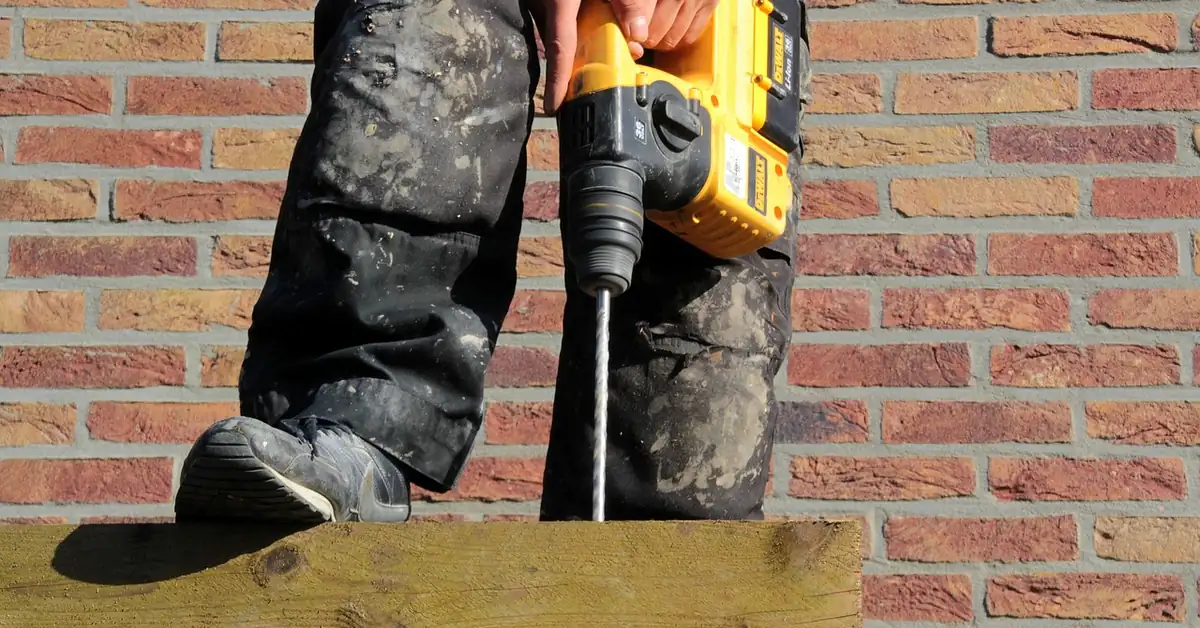
A standard cordless drill can bore into concrete without a hammer drill — swap in a carbide-tipped masonry bit, and expect the job to take roughly twice as long as it would with a hammer drill. Push too fast and you’ll dull the bit or crack the concrete around the hole. This guide covers the exact technique, which bit sizes match common concrete screws, and the point where renting a hammer drill actually pays off.
What You Need to Drill Concrete Without a Hammer Drill
Best Masonry Drill Bit Set Pick
10-Piece Masonry Drill Bit Set & Concrete Drill Bit Set, 7 Sizes, 1/8″-1/2″
Carbide-tipped set covering the sizes most concrete anchors and screws actually need.
- Best for: Occasional anchor holes and shelving brackets in concrete, brick, or block
- Why we picked it: Carbide tips sized to match the most common concrete screw and anchor diameters, at a price low enough to keep as a dedicated masonry set
- Main drawback: Standard-length bits only reach about 3 inches deep — not enough for thick foundation walls
Compare more masonry drill bit options
 Option 1 Extended Masonry & Concrete Drill Bit Set, Carbide Tips
|
 Option 2 10-Piece Masonry Drill Bit Set, 6-Inch Carbide Tipped
|
 Option 3 DYRECELVE 12-Piece Masonry & Concrete Drill Bit Set
|
As an Amazon Associate we earn from qualifying purchases.
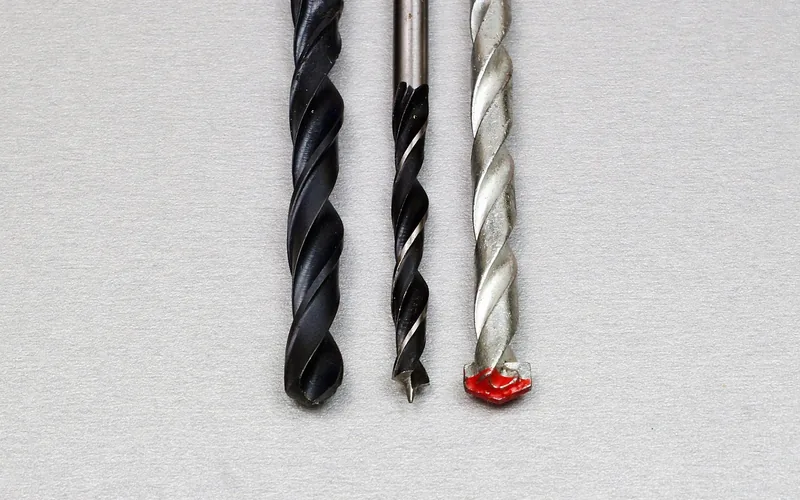
You only need three things: a corded or cordless drill with a keyless or keyed chuck, a carbide-tipped masonry bit sized to your anchor, and a way to keep dust out of the hole. Tungsten-carbide tips are the part that actually chews into concrete — a standard steel twist bit built for wood or metal will burn out in seconds against aggregate.
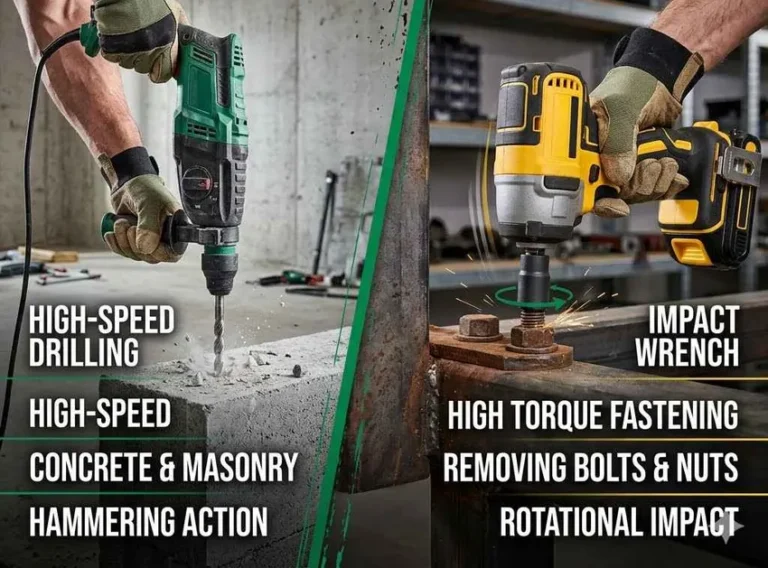
Skip the impact driver for this job. Impact drivers spin fast and hit hard rotationally, but they don’t have the axial hammering action that actually breaks up concrete — they’re built for driving screws and bolts, not boring masonry. A basic drill/driver with a masonry bit will outperform an impact driver on concrete every time.
Step-by-Step: Drilling Into Concrete With a Regular Drill
- Mark the hole: Mark the exact spot with a pencil or marker, then place a small strip of masking tape over the mark — it keeps the bit from wandering (“walking”) when you start.
- Start slow: Set the drill to its lowest speed and lightly tap the trigger to create a small starter dimple before applying real pressure.
- Drill in short bursts: Push in about 1/4 inch, then pull the bit fully out to clear dust. Repeat. Clogged dust is the main reason regular drills stall in concrete.
- Keep the bit cool: Every 20–30 seconds, dip the bit tip in a cup of water for a second or pause to let it cool. A carbide tip that overheats loses its edge fast.
- Drill 1/4 inch past your target depth if you’re setting an anchor — this gives dust somewhere to go besides the anchor threads and lets the anchor seat fully.
- Vacuum the hole before inserting an anchor or screw. Leftover dust cushions the anchor and weakens the hold.
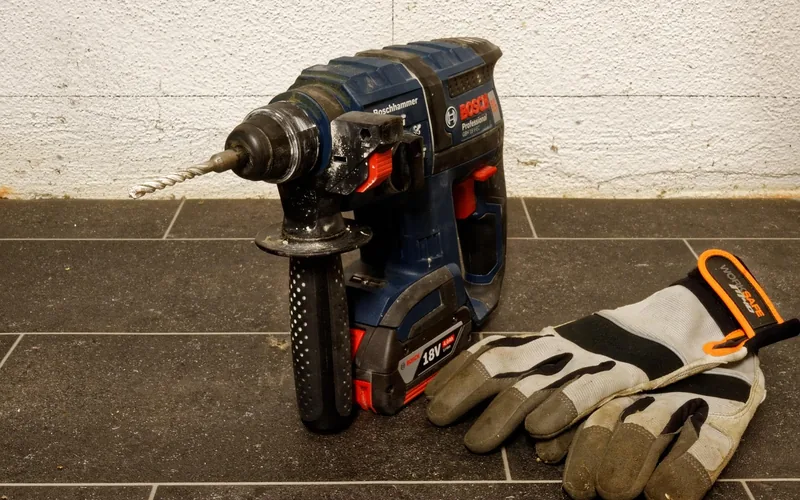
Regular Drill vs. Hammer Drill vs. Rotary Hammer
These three tools look similar but behave very differently against masonry. The table below compares how each one actually performs on concrete, based on typical spec sheets and real-world drilling behavior — not just marketing copy.
| Tool | How It Cuts Concrete | Best For | Typical Time for a 1/4″ Anchor Hole |
|---|---|---|---|
| Standard drill/driver | Rotation only, no hammering action | 1–5 holes, occasional projects | 2–4 minutes |
| Hammer drill | Rotation plus a rapid forward-and-back hammering motion | Regular home projects, brick, block | 30–60 seconds |
| Rotary hammer (SDS) | Electro-pneumatic piston delivers a much harder, more efficient hammer blow | Frequent masonry work, larger holes, old/cured concrete | 10–20 seconds |
Why Concrete Age Changes the Difficulty
Concrete is a mixture that keeps gaining strength for years after it’s poured, not just during the initial cure. Most of its rated strength develops in the first 28 days, but the surface keeps hardening slowly for a long time after that. A patio poured last month will drill noticeably easier than a 20-year-old foundation wall.
If you’re working with fresh concrete, our guide on how long concrete should cure before drilling anchor bolts covers the exact waiting window so you don’t compromise the anchor’s hold.
📊 Concrete reaches roughly 90% of its design strength within 28 days of pouring, then continues to slowly harden for years — which is why an old slab is measurably tougher to drill than a new one. Source: Portland Cement Association concrete curing guidance.
Common Mistakes That Break Bits or Ruin Holes
- Drilling at full speed from the start. High RPM generates heat fast and causes the bit to skate across the surface instead of biting in.
- Never clearing dust. Packed dust acts like a cushion between the bit and the concrete, stalling progress and overheating the tip.
- Using a wood or metal twist bit. Without a carbide tip, the bit will round over almost immediately — it won’t cut concrete at all.
- Forcing the bit when it stalls. Excess side pressure snaps carbide tips, which are hard but brittle. Back off, clear dust, and restart at low speed instead.
“On concrete jobs, patience beats power — a standard drill run in short, cool bursts with a sharp carbide bit will out-drill a rushed, overheated pass every time. Speed doesn’t save time here; clearing dust does.”
Frequently Asked Questions
Can I use a regular drill to drill into concrete?
Yes. A regular corded or cordless drill fitted with a carbide-tipped masonry bit will drill concrete — it just takes roughly twice as long as a hammer drill and works best for a handful of holes rather than dozens.
What can I use if I don’t have a hammer drill?
Use any standard drill with a carbide masonry bit, drilling in short bursts at low speed and clearing dust often. For a handful of anchor holes this works fine; for a full wall of holes, renting a hammer drill or rotary hammer saves hours.
How do you screw into concrete without a hammer drill?
Drill a pilot hole with a masonry bit sized to your concrete screw, blow or vacuum out the dust, then drive the screw with a driver bit or hand screwdriver. Concrete screws cut their own threads into the pilot hole as they go — don’t oversize the hole or the screw won’t grip.
Will a regular drill bit break trying to drill concrete?
A standard steel twist bit made for wood or metal won’t break so much as go dull almost instantly — it lacks a carbide tip, so it can’t cut the aggregate in concrete. Always use a bit labeled specifically for masonry or concrete.
How long does it take to drill into concrete without a hammer drill?
A single 1/4-inch anchor hole in average-cured concrete usually takes 2–4 minutes with a standard drill, compared to 30–60 seconds with a hammer drill. Older, denser concrete and larger bit diameters both add significant time.
Conclusion
Drilling into concrete without a hammer drill is entirely doable for a handful of holes — the technique matters more than the tool. Use a carbide-tipped masonry bit, work in short low-speed bursts, keep the bit cool, and clear dust constantly. For occasional anchor holes and shelving brackets, a standard drill and the right bit gets the job done. If you’re facing a whole wall of holes or older, harder concrete, renting a hammer drill will save your bits, your wrist, and a lot of time. For more drilling and anchoring guides, see our drilling category hub.
Sponsored / affiliate links. As an Amazon Associate I earn from qualifying purchases. I may earn additional commission from eligible campaigns.