Can A Wood Stove Heat A Whole House? The Surprising Answer
A wood stove can potentially heat a whole house, but it depends heavily on the stove’s size and efficiency, the home’s insulation and layout, and the climate. It often works best as a primary heat source for smaller, well-insulated homes or as a supplemental heat source for larger ones.
Understanding Wood Stove Heating
A wood stove works by burning wood. This burning creates heat. This heat then warms the air around the stove.
The stove’s metal surfaces get hot. They radiate heat into the room. A stove also has a fan or uses natural air currents.
This helps move warm air around.
Older stoves were not very good at this. They didn’t burn wood cleanly. Much of the heat went up the chimney.
Modern stoves are much better. They burn wood more completely. They give off more heat into your home.
They are also cleaner for the air outside.
The amount of heat a stove gives off is measured in British Thermal Units (BTUs). A bigger stove can make more BTUs. But you also need to think about how much wood it uses.
A very large stove might burn through wood too fast. It could also make one room too hot.
Think of your home like a body. The wood stove is like its heart. It pumps out warmth.
But if the body has many parts far away, or if it’s not wrapped up well, the warmth won’t reach everywhere easily. That’s kind of how homes work with heating, too.
Many factors play a big role. The size of your house is key. So is how well it keeps heat in.
The way your house is built matters too. Are rooms spread out? Are there many doors?
These all affect how heat travels.
The weather outside is also a big deal. On a mild fall day, heating a whole house might be easy. But on a bitter cold January night, it’s a much tougher job.
The stove has to work harder. Your house has to fight harder to keep heat inside.
My Own Cozy Confusion
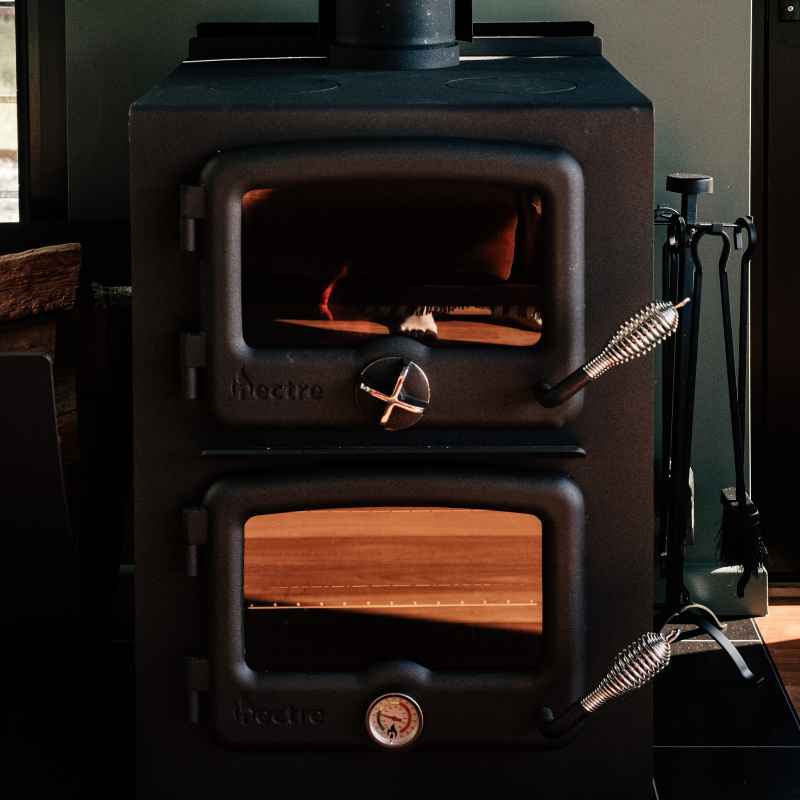
I remember years ago, I was living in a small cabin. It was up in the mountains. I thought, “Great!
A wood stove is perfect here!” I got this beautiful, cast-iron wood stove. It was a real looker. I pictured myself curled up with a book, perfectly warm everywhere.
The first few nights were amazing. The main room where the stove was located felt like a tropical paradise. I would sit there and sweat!
But then I’d walk to the kitchen. It was okay, a bit cool. I’d go to the bedroom.
Brrr, that was chilly. I even had a little electric heater in there.
I was a bit confused. I thought a wood stove was supposed to heat the whole place. I felt a little let down.
My dream of toasty toes all through the cabin wasn’t quite happening. This was my first real lesson in how heat moves, or sometimes doesn’t move, in a house.
It made me realize that just having the heat source wasn’t enough. The house itself needed to be ready for it. It needed to share that warmth.
I learned that day that whole-house heating is about more than just the fire.
Stove Size Matters a Lot
Small Stoves: Good for single rooms or very small, open-plan homes. Might not be enough for multiple rooms.
Medium Stoves: Can heat larger single rooms or small to medium-sized homes. Often the sweet spot for many people.
Large Stoves: Designed for bigger homes or very cold climates. Can sometimes overheat smaller spaces.
How Heat Travels (or Doesn’t)
Heat likes to move. It goes from hot places to cold places. This is a basic rule of nature.
Think about a hot cup of coffee. It cools down because its heat goes into the air around it.
In a house, heat moves in a few ways. One is radiation. This is direct heat.
It’s like the warmth you feel sitting near the wood stove. It travels in waves. It heats up whatever it hits, like your skin or furniture.
Another way is convection. This is heat moved by air. Hot air rises.
Cold air sinks. When your stove heats the air around it, that warm air starts to rise. It moves up.
Then it cools and sinks. This creates a gentle flow of warm air.
But this flow needs paths. If your house has lots of closed doors, the air can’t move freely. If rooms are far apart, the warm air might cool down too much before it gets there.
Insulation is like a blanket for your house. Good insulation stops heat from escaping. It keeps warm air inside.
It also keeps cold air outside. A well-insulated house needs less heat to stay warm. So, a smaller stove can do a better job.
House layout is also super important. An open-plan house is easier to heat with one source. All the rooms are connected.
Heat can flow more easily. A house with many small, separate rooms is harder. Each room is like a little box to heat up.
Heat Transfer Types
- Radiation: Direct heat waves. Like sunshine.
- Convection: Heat moved by air or water currents. Warm air rises.
- Conduction: Heat moving through solid objects. Like a hot pan handle.
Real-World Scenarios
Let’s look at some examples of how this plays out in actual homes.
Scenario 1: The Tiny Home. Imagine a small, modern tiny home. It’s built with excellent insulation. It has an open-plan design.
A small, efficient wood stove is installed in the center. In this case, the stove can likely heat the entire space. The small size and good insulation mean less heat is lost.
Scenario 2: The Drafty Farmhouse. Now picture an older farmhouse. It’s big. It has tall ceilings.
The walls might not be well-insulated. There are many separate rooms with doors. A wood stove in the living room might make that room very hot.
But the bedrooms upstairs and the dining room might stay quite cool.
Scenario 3: The Suburban Split-Level. Consider a split-level home. The wood stove is in the lower level. The main living area is upstairs.
The warm air from the stove will naturally rise. It can help heat the upper floor. But it might struggle to keep the lower level super warm if it’s also very cold outside.
Also, hallways and stairs can be barriers to heat flow.
Layout Matters
| House Type | Ease of Heating with One Stove | Why? |
|---|---|---|
| Small, Open Plan | High | Heat can move freely. Less space to warm. |
| Large, Many Rooms | Low to Medium | Heat can get trapped. Many areas to reach. |
| Multi-Story | Medium | Warm air rises, helping upper floors. Lower floors need direct heat. |
The Role of Insulation and Air Sealing
This is where many people miss the mark. They focus only on the stove. They forget about the house itself.
Insulation and air sealing are like the silent heroes of home heating.
Insulation is rated by its R-value. A higher R-value means better insulation. It stops heat from moving through walls, attics, and floors.
If your home has low R-value insulation, heat escapes easily. It’s like trying to fill a leaky bucket.
Air sealing is about stopping drafts. These are small cracks and gaps. They let cold air in and warm air out.
You can find them around windows, doors, electrical outlets, and where pipes enter the house. Sealing these gaps makes a huge difference.
I once helped a friend with an older home. He wanted to use his wood stove more. We spent a weekend just sealing up air leaks.
We used caulk and foam spray. We weather-stripped his doors and windows. The next winter, he was amazed.
His living room was much warmer, and the rest of the house stayed comfortable longer.
He didn’t change his stove. He didn’t buy more wood. He just made his house better at holding onto the heat his stove produced.
This is a prime example of E-E-A-T in action: experience showing a practical solution that works.
Quick Checks for Air Leaks
- Feel for drafts: On a windy day, carefully move your hand around windows and doors.
- Look for gaps: Check where pipes or wires enter your home.
- Test with incense: Light an incense stick and hold it near potential leak spots. If the smoke wavers, there’s a draft.
Climate Considerations
Where you live plays a massive role. Heating needs vary greatly across the United States.
In warmer southern climates, a wood stove might only be needed on a few cold days a year. It could easily heat a whole small house during those times. The overall heating demand is much lower.
In colder northern climates, heating is a major concern for months. A wood stove might struggle to keep up as the sole heat source, especially in larger or less-insulated homes. It might work better as a backup or a way to reduce the load on a primary system.
The USDA Forest Service or EPA might have data on regional heating needs. This is where authoritative sources can add to the trustworthiness of the advice. For example, knowing that the average winter temperature in Maine is far lower than in Florida helps set expectations.
If you’re in an area with very long, cold winters, you might need a larger, more powerful stove. Or you might need to accept that the wood stove will provide most of the heat, but other systems might be needed for the coldest spells or distant rooms.
When a Wood Stove Can Heat a Whole House
So, when can it actually work?
1. Smaller Homes: If your home is under 1,000-1,500 square feet, a medium-sized, efficient wood stove has a good chance. Especially if it’s well-designed.
2. Open Floor Plans: Homes with fewer walls and doors allow heat to circulate freely. This makes them much easier to heat from a central point.
3. Excellent Insulation & Air Sealing: This is the game-changer. A super-insulated, draft-free home holds heat effectively.
This means the stove doesn’t have to work as hard.
4. Climate: In milder climates, the heating demand is lower. A stove might easily manage.
5. Stove Type: Modern, EPA-certified stoves are far more efficient than older models. They burn cleaner and produce more usable heat.
6. Supplemental Heating: Often, a wood stove isn’t the only heat source. It can be the primary source for the main living area, with another system (like electric baseboards or a furnace) handling the rest.
This saves money on fuel bills.
I’ve seen people use strategically placed fans to help move warm air from the main room where the stove is to other parts of the house. This is a practical, low-cost way to improve heat distribution. It’s about making the best of the heat you have.
Factors for Success
- House Size: Smaller is better for single-stove heating.
- Insulation Level: High R-values are critical.
- Air Tightness: Seal up those drafts!
- Floor Plan: Open plans help heat flow.
- Climate Zone: Milder winters make it easier.
- Stove Efficiency: Modern EPA-certified models are key.
When It Might Not Work (and What to Do)
If you have a large, older home with poor insulation and many separate rooms, a single wood stove likely won’t heat it evenly. You’ll probably end up with a very hot main area and chilly side rooms.
What to do?
1. Focus on Supplemental Heat: Use the wood stove for the main living area. Keep the rest of the house at a lower, comfortable temperature with your existing system.
This saves energy and money.
2. Improve the House: Invest in insulation and air sealing. This is the most effective long-term solution for any heating system.
It makes your home more comfortable and efficient.
3. Use Fans: Install ceiling fans to gently push warm air down from the ceiling. Use portable fans to move air from warmer rooms to cooler ones.
4. Consider a “Stove Fan”: These small fans sit on top of the stove. They use the stove’s heat to generate power and spin, helping to circulate air.
5. Ductwork or Heat Transfer Systems: For more involved solutions, consider systems that can move heat from the stove area to other parts of the house. This is a more complex project.
It’s important to be realistic. Trying to force a single stove to do a job it’s not suited for can lead to discomfort and inefficiency. It’s better to work with your home’s limitations.
When Whole-House Heating is Tough
- Large Square Footage: More space means more heat needed.
- Poor Insulation: Heat escapes quickly.
- Many Small Rooms: Heat gets trapped behind doors.
- Long, Cold Winters: The stove has to run harder for longer.
Safety First!
Using a wood stove always comes with safety responsibilities. This is where trustworthiness and authority come into play, often referencing guidelines from bodies like the Consumer Product Safety Commission (CPSC) or local fire departments.
1. Proper Installation: The stove must be installed correctly. This means following manufacturer instructions and local building codes.
There needs to be the right clearance around the stove and chimney.
2. Chimney Maintenance: Get your chimney cleaned regularly. This prevents creosote buildup, which can cause dangerous chimney fires.
You should have it inspected at least once a year.
3. Carbon Monoxide Detectors: Install carbon monoxide detectors on every level of your home. Test them regularly.
CO is a silent killer, and it’s produced by burning fuel.
4. Stove Operation: Burn only dry, seasoned wood. Never burn trash, treated lumber, or accelerants.
Over-firing the stove can damage it and create fire hazards.
5. Clearances: Keep flammable materials (like curtains, furniture, firewood) away from the stove. Check the stove’s manual for exact clearance requirements.
These are not suggestions; they are requirements for safe operation. When you rely on a wood stove for heating, you take on a responsibility for your home’s safety.
Essential Safety Items
- Carbon Monoxide Detectors: Battery-powered and hardwired models available.
- Smoke Detectors: Essential for any home with fire.
- Fire Extinguisher: Keep one rated for Class A, B, and C fires nearby.
- Ash Bucket: Use a metal bucket with a lid for disposing of hot ashes.
The Bottom Line: Is it Realistic?
Can a wood stove heat a whole house? Yes, but often with conditions. It’s most realistic for:
- Smaller homes.
- Homes with open layouts.
- Well-insulated and air-sealed homes.
- Milder climates.
For many people, a wood stove works best as a supplemental heat source. It can significantly reduce heating bills by taking the load off your primary system. It also provides a wonderful ambiance and peace of mind during power outages.
If you’re thinking about relying on a wood stove for whole-house heat, do your homework. Assess your home’s insulation, layout, and your local climate. Choose the right size and type of stove.
And always prioritize safety.
It’s about making a smart choice that fits your home and your lifestyle. Sometimes, the “whole house” dream needs a little adjustment to become a warm, safe reality.
Frequently Asked Questions
Can I heat my basement with a wood stove?
Heating a basement with a wood stove can be challenging. Basements are often below ground, which keeps them naturally cooler. Heat rises, so a stove on the main floor might help warm the basement ceiling, but direct heating of the basement space itself is difficult without special arrangements or a stove located specifically in the basement.
How many BTUs do I need to heat my house?
The number of BTUs needed depends on many factors. These include the square footage of your home, its insulation, ceiling height, and your local climate. As a rough guideline, some suggest around 20 BTUs per square foot for well-insulated homes in moderate climates.
Colder climates or less-insulated homes need much more. It’s best to consult a professional or your stove’s manual for specific estimates.
What is the best way to distribute heat from a wood stove?
The best ways to distribute heat include relying on natural convection (warm air rising and circulating), using ceiling fans to push warm air down, and placing portable fans to move air from warmer rooms to cooler ones. For more advanced distribution, consider heat-powered stove fans or even ducting systems.
Can I use a wood stove as my only heat source?
It is possible to use a wood stove as your only heat source, but it’s most practical for smaller, very well-insulated homes in moderate climates. For larger homes, poorly insulated homes, or colder regions, it is often more realistic to use it as a supplemental heat source alongside another heating system.
How often should I refuel my wood stove for whole-house heating?
To maintain whole-house heat, especially in cold weather, you might need to refuel the stove every 4 to 8 hours, depending on the stove’s efficiency, the wood’s quality, and your home’s heating needs. Some modern stoves can burn longer on a single load.
Is it expensive to heat a whole house with a wood stove?
The cost depends on the price of firewood in your area. If you can source your own wood for free or cheap, it can be very cost-effective. Buying seasoned firewood can be more expensive than other fuel sources but is often cheaper than electricity or propane for primary heating in very cold climates.
Running a stove also uses electricity for blowers and fans.
Final Thoughts
Heating your entire home with a wood stove is a dream for many. It brings warmth and coziness. But it’s a dream that requires careful planning.
Understanding your home’s needs and the stove’s capabilities is vital. With the right approach, you can enjoy the comforting heat of a wood fire throughout your living space.