How To Care For Wood Spoons So They Never Crack Or Warp
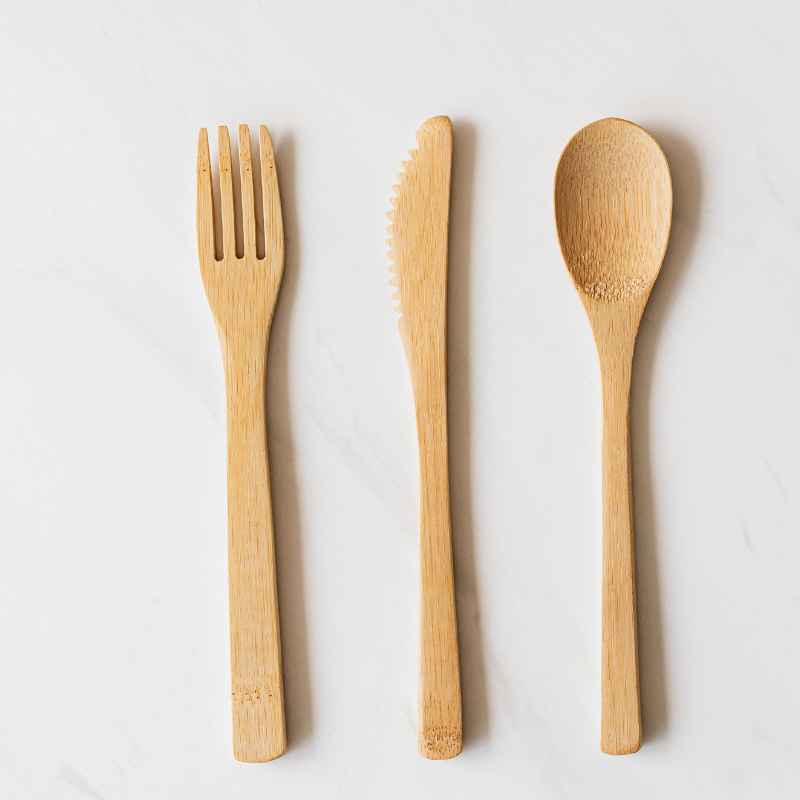
Wood spoons need a little care to avoid cracking and warping. Simple cleaning, regular oiling, and proper storage are key. Following these tips will help your wooden kitchen tools last a long time and stay beautiful.
Understanding Wood Spoon Care
Wood is a natural material. It breathes and reacts to its surroundings. This is why wood spoons can change.
They can absorb water. They can also dry out too much. Both can lead to problems.
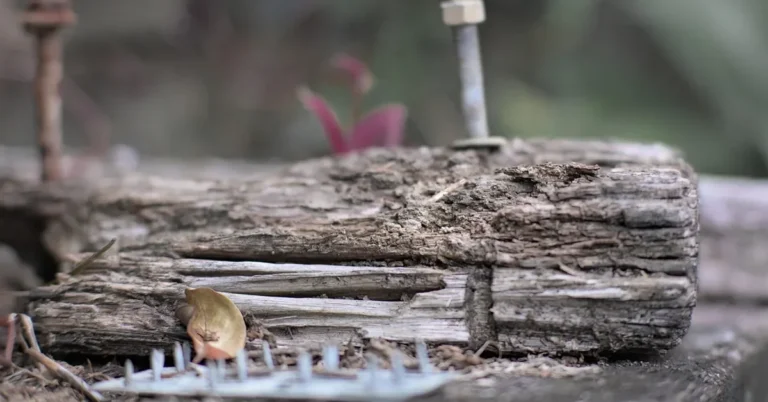
Cracks often start small. They happen when the wood expands and shrinks. Warping is when the spoon loses its shape.
It might bend or twist.
Many things can cause this. Washing them in a hot dishwasher is a big one. Soaking them in water for a long time is bad too.
High heat from cooking can also play a part. Even how you store them matters. Understanding these risks helps you know what to avoid.
It also guides you on what to do instead. Your goal is to keep the wood balanced. It should not get too wet or too dry.
My Own Spoon Struggle Story
I remember this one time. I had a beautiful cherry wood spoon. It was a gift.
I loved using it for stirring my pasta sauce. One busy weeknight, I was tired. I just tossed it in the sink with other dishes.
I did not think much of it. Later, I saw it sitting in a puddle of water. The next morning, it looked swollen.
A few days later, a tiny crack appeared. I felt so disappointed. I had not treated it right.
It taught me a hard lesson about simple care.
That experience made me really look into wood spoon care. I learned that wood needs gentle handling. It is not like metal or plastic.
It has its own needs. I started to pay attention. I noticed how some spoons held up better.
Others started to look rough sooner. It was always tied to how they were cleaned and cared for. This journey started with that cracked spoon.
Wood Spoon Basics: What You Need to Know
Wood type matters: Hardwoods like maple, cherry, and walnut are best. They are less likely to crack. Softer woods might need more attention.
Grain direction is key: Spoons are often made with the grain running along the handle. This helps with strength.
Natural is better: Avoid spoons with glazes or finishes that might chip off. Raw wood is often ideal for kitchen use.
The Right Way to Wash Your Wood Spoons
This is where many people go wrong. The dishwasher is tempting. It is easy and saves time.
But for wood, it is a big no-no. The high heat and strong detergents are too harsh. They strip away natural oils.
They also force water deep into the wood. This leads to drying, cracking, and warping.
The best way to wash a wood spoon is by hand. Use warm water. A little mild dish soap is okay.
But use it sparingly. You do not need much. Gently scrub the spoon.
Get into all the nooks and crannies. Use a soft sponge or cloth. Avoid abrasive scrubbers.
They can scratch the wood surface.
After washing, the drying part is also important. Do not leave it to air dry in the sink. Water can still seep into the wood.
Pat it dry right away with a clean towel. Make sure it is completely dry. Hang it up or place it where air can circulate around it.
This helps prevent moisture buildup.
Some people worry about bacteria. Wood can harbor bacteria if not cared for properly. But if you wash and dry it well, it is generally safe.
The natural properties of wood help. Also, if the spoon is well-maintained and not cracked, it is less of a worry. Think of it like washing any other kitchen tool.
Regular cleaning is the key.
Cleaning Quick Guide
- Use warm water.
- Mild soap is okay, but use it less.
- Scrub gently with a soft sponge.
- Rinse well.
- Pat dry immediately with a towel.
- Never use the dishwasher.
The Magic of Oiling Wood Spoons
This step is crucial for longevity. Oiling your wood spoons adds a protective layer. It seals the wood.
This stops it from drying out too much. It also helps prevent it from absorbing too much moisture. Think of it like moisturizing your skin.
It keeps the wood supple and strong.
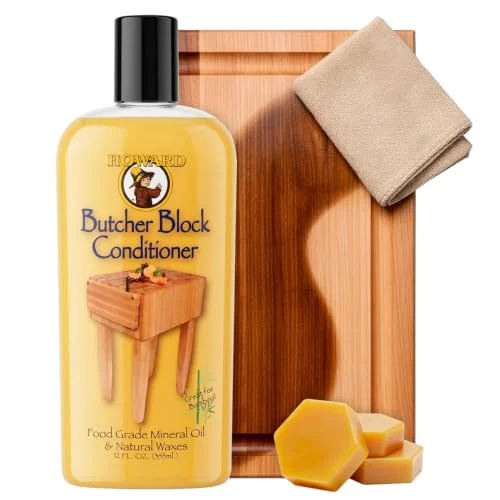
What kind of oil should you use? Food-grade mineral oil is a great choice. It is safe for kitchen use.
It is also inexpensive. You can find it at most drugstores or online. Other good options include beeswax blends.
Some people use fractionated coconut oil or almond oil. Avoid cooking oils like olive oil or vegetable oil. They can go rancid over time.
How often should you oil them? This depends on how often you use them. And how often you wash them.
A good rule of thumb is once a month. Or whenever the spoon looks dry. If it starts to look dull or faded, it is time.
You will notice a big difference. The wood will look richer. It will feel smoother.
To oil a spoon, first make sure it is clean and dry. Pour a little mineral oil onto a clean cloth. Rub it all over the spoon.
Cover every surface. Let it soak in for a few hours. Or even overnight if you can.
Then, wipe off any excess oil with another clean cloth. The wood should feel smooth, not greasy.
Some people like to use a beeswax and mineral oil mix. This adds a bit more protection. It gives the wood a nice sheen.
You can buy these products. Or you can make your own. Just mix melted beeswax with mineral oil.
Let it cool and solidify. Then use it like regular oil.
Oiling Tips
- Use food-grade mineral oil.
- Apply to clean, dry spoons.
- Rub it in well.
- Let it soak.
- Wipe off excess.
- Oil monthly or when dry.
Proper Storage: Where to Keep Your Spoons
How you store your wood spoons also plays a big role. Storing them improperly can lead to damage. Even if you wash and oil them well.
Avoid putting them in a drawer where they get jumbled. They can bump into each other. This can cause nicks and scratches.
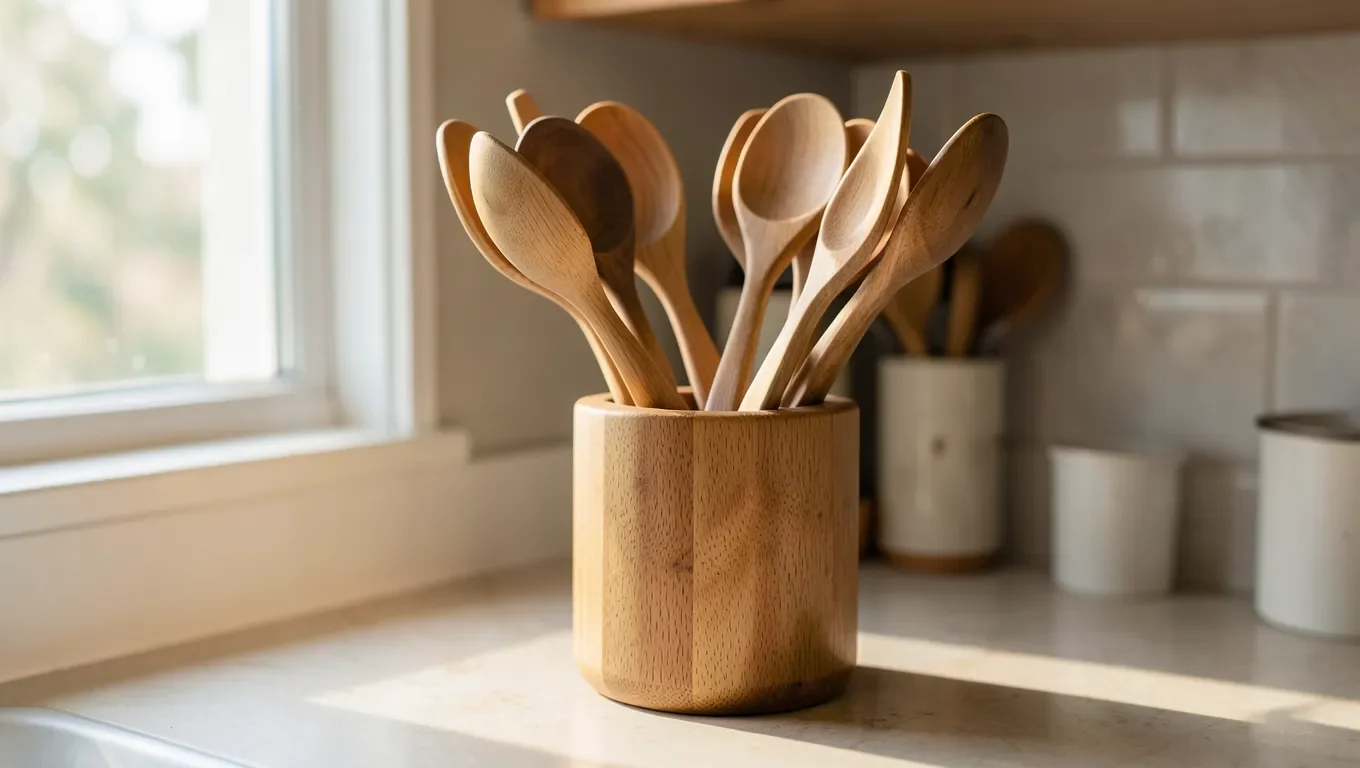
A utensil crock or holder on the counter is a good option. Make sure there is good air flow. Do not pack too many utensils in one holder.
This can trap moisture. It can also lead to dings. Hanging them is another excellent choice.
Many wooden spoons have a hole in the handle for this purpose. Hanging allows air to circulate freely. It keeps them from pressing against other items.
If you must store them in a drawer, use dividers. This keeps each spoon separate. It protects them from bumps and scrapes.
Ensure the drawer is not too damp. Avoid storing them near sinks or dishwashers if possible. The humidity can still affect the wood.
Think about the environment where you store them. Are there big temperature swings? Is the air very dry?
These conditions can also impact the wood. Aim for a stable, dry place. This will help keep your spoons in great shape.
Storage Styles
Countertop Crock: Good with space and air flow. Don’t overfill.
Hanging: Excellent for air circulation. Uses wall space.
Drawer Dividers: Keeps them separate and safe. Needs a dry drawer.
What If a Spoon Gets Damaged?
Sometimes, despite your best efforts, a spoon might get a small crack. Or it might start to feel rough. Do not despair!
Often, you can fix it. For small cracks, you can try wood glue. You would need to clean the crack very well.
Then carefully apply the glue. Clamp it shut until it dries. Once dry, you can sand it smooth.
If the spoon has a rough surface, sanding is the answer. Use fine-grit sandpaper. Start with about 220 grit.
Sand the rough spots until they are smooth. You might need to go up to 400 grit. After sanding, always re-oil the spoon.
This protects the freshly exposed wood. It will also restore its look.
For more severe warping, it might be harder to fix. If a spoon is badly bent, it might not return to its original shape. In these cases, it might be time to replace it.
But most minor damage can be managed. It is about trying to salvage your favorite tools.
It is also important to know when to let go. If a spoon has deep gouges. Or if it has mold growing on it.
Or if it feels spongy. Then it is likely beyond repair. And it might not be safe for food.
It is better to discard it. But for most common issues, a little effort can go a long way.
Repairing Minor Damage
Small Cracks: Clean, use wood glue, clamp, sand, re-oil.
Rough Surface: Sand with fine-grit sandpaper, then re-oil.
Warping: Difficult to fix if severe. May need replacement.
When to Discard: Deep gouges, mold, spongy feel.
Myth vs. Reality in Wood Spoon Care
There are many old beliefs about wood care. Some are true. Some are not.
Let’s look at a few common ones.
Myth vs. Reality
| Myth: You can just soak a wood spoon in hot soapy water. | Reality: Soaking is bad. It damages the wood fibers. Always wash quickly and dry immediately. |
| Myth: Any oil will work to condition wood spoons. | Reality: Use only food-grade mineral oil or similar safe oils. Cooking oils can go bad and make spoons smell. |
| Myth: Wood spoons are unhygienic compared to plastic. | Reality: When properly cleaned and cared for, wood spoons are very hygienic. Their natural properties can even inhibit bacteria. |
| Myth: You only need to oil a wood spoon once in a blue moon. | Reality: Regular oiling is key. Treat them like your favorite cutting board. Aim for monthly oiling. |
Real-World Scenarios and Why They Happen
Let’s look at some common situations. And why they lead to spoon problems.
Common Scenarios
Scenario 1: The “Left in the Sink” Spoon.
This happens when dishes pile up. The spoon sits in water and food bits. The wood absorbs moisture unevenly.
This causes swelling and then shrinking. This leads to cracks and warping.
Scenario 2: The “Stirring While Hot” Spoon.
You stir a bubbling stew. Or a hot sauce. The spoon absorbs a lot of heat.
This dries out the wood quickly. Especially if the spoon is already a bit dry. Repeated heat exposure weakens the wood.
Scenario 3: The “Forgotten in a Humid Spot” Spoon.
Maybe you store spoons near a dishwasher. Or a steamy kitchen window. High humidity can make wood swell.
Then if the air dries out, it shrinks. This back-and-forth is tough on the wood.
Scenario 4: The “Un-Oiled After Purchase” Spoon.
Many new wood spoons are sold dry. Or they have a light factory finish. They need immediate oiling.
If you use them without oiling, they start losing moisture. This can cause issues right from the start.
What This Means for You and Your Spoons
So, what’s the takeaway? It means you need to be mindful. Wood spoons are not indestructible.
They require a little TLC. But the effort is small for the reward. A well-cared-for spoon can last a lifetime.
When is a spoon normal? If it has a few minor scuffs from use. That is normal.
If it looks a bit dull. That means it needs oil. When should you worry?
If you see big cracks. Or deep splits. If it smells musty.
Or if it feels soft or spongy. These are signs of real damage.
Simple checks are easy. Run your finger over the spoon. Does it feel smooth?
Does it look even in color? Or are there dry, pale spots? Does it have a faint wood smell?
Or does it smell sour or musty?
These checks help you catch problems early. They allow you to act before damage gets bad. It is about building good habits.
Just like washing your hands. Or putting things away.
Quick Tips for Spoon Longevity
Here are some easy-to-remember tips:
Longevity Boosters
- Wash immediately after use. Don’t let food dry on it.
- Dry thoroughly with a towel. Never air dry in the sink.
- Oil regularly, especially new spoons. Aim for monthly oiling.
- Store with air flow. Use a crock or hang them up.
- Avoid extreme heat. Don’t leave them sitting in hot pots.
- Inspect for damage. Fix small issues before they grow.
Frequently Asked Questions About Wood Spoons
Can I wash my wood spoon with soap?
Yes, a little mild dish soap is okay. Just use it sparingly. Rinse it off very well.
And always dry it right away. Too much soap can dry out the wood.
How often should I oil my wood spoons?
It is best to oil them about once a month. Or any time they look dry or dull. Frequent use and washing will make them need oil more often.
Will my wood spoon absorb strong smells?
Wood can absorb odors. Especially if it is not well-oiled or has small cracks. Using the right oil and cleaning it well helps.
Some people suggest baking soda paste to remove odors.
Is it okay for my wood spoon to get wet sometimes?
A little bit of wetness during washing is fine. But prolonged soaking is bad. If it gets wet, dry it off completely and quickly.
Never leave it sitting in water.
What is the best type of wood for spoons?
Hardwoods like maple, cherry, walnut, and teak are best. They are dense and less prone to absorbing moisture or cracking.
Can I put my wood spoon in boiling water to sanitize it?
No, boiling water is too hot. It will cause the wood to expand rapidly. This can lead to cracking and warping.
Gentle washing and drying is the safe way.
Final Thoughts on Cherishing Your Wooden Tools
Caring for your wood spoons is simple. It is about respect for the material. A few easy steps ensure they stay beautiful.
They will remain strong for all your cooking adventures. Enjoy using your well-loved wooden tools.
},
},
},
},
},
} ] }