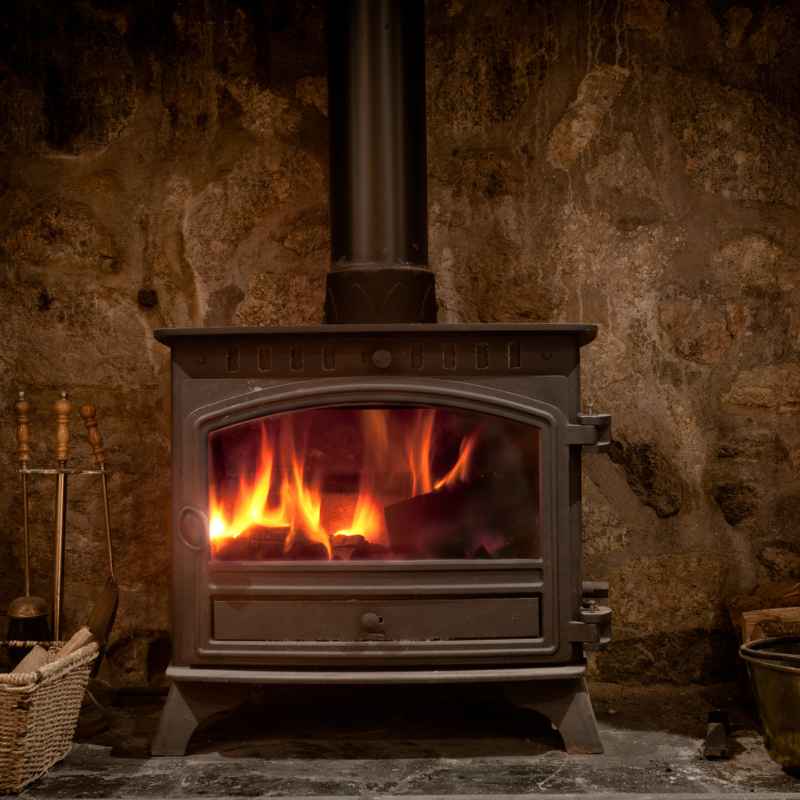
Can A Wood Stove Get Too Hot? Dangers And How To Prevent It
Understanding Wood Stove Overheating
When we talk about a wood stove getting too hot, we mean it’s operating at temperatures beyond its safe design limits. This isn’t just about a really warm fire. It’s about pushing the stove and the materials around it to their breaking point.
This can happen for a few main reasons. Understanding these reasons is the first step to staying safe.
The primary goal of a wood stove is to burn wood efficiently. This means turning fuel into heat. However, there’s a balance.
Too little heat, and you get smoke and creosote. Too much heat, and you risk damage. The stove itself is designed to handle a lot of heat.
But there are limits. And things connected to the stove also need to be considered.
Think of it like an engine in a car. It’s built to get hot. But if it overheats, bad things happen.
Your wood stove is similar. It needs to be managed correctly. Knowing the signs of trouble is key to avoiding bigger problems down the road.
Let’s dive into why this happens.
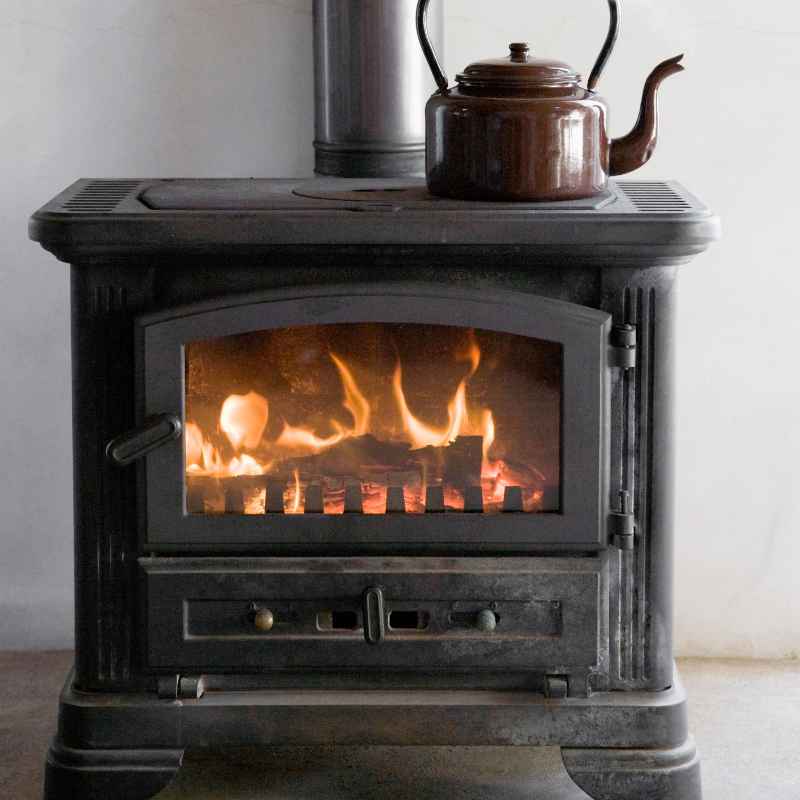
Why Does a Wood Stove Get Too Hot?
Several factors can contribute to a wood stove overheating. It’s usually not just one thing. Often, it’s a combination of how you use the stove and its environment.
Let’s break down the common culprits.
Over-firing the Stove is a big one. This means putting too much fuel in or letting too much air into the firebox. More fuel and more air mean a hotter, faster burn.
If the stove is designed for a certain size fire, making a much bigger one can cause problems. It’s like trying to cook a delicate fish over a raging bonfire. It just doesn’t end well.
Incorrect Fuel Type or Size also plays a role. Wet or green wood doesn’t burn as hot. But very dry, seasoned hardwood can burn with intense heat.
Using wood that’s too small or cut into pieces that are too large for the firebox can affect airflow and heat distribution. This can lead to pockets of extreme heat.
Blocked Air Vents or Dampers are another common issue. These controls regulate how much air gets to the fire. If they are accidentally closed too much, the fire might smolder.
But if they are accidentally opened too wide, or if something is blocking them from closing properly, you can get excessive airflow. This feeds the fire too much, leading to overheating.
Poor Stove Installation or Maintenance can also be a factor. If the stove is too close to combustible materials, any heat output can be risky. Regular cleaning of the chimney and firebox is crucial.
Creosote buildup in the chimney can catch fire, causing a chimney fire. This is a serious danger. But even without a chimney fire, a dirty stove may not radiate heat as intended, leading to hot spots.
Faulty Thermostat or Blower can be an issue for stoves with these features. If a thermostat is set too high or malfunctions, it might allow the stove to run hotter than it should. For stoves with blowers, a malfunctioning blower might not move enough air, causing heat to build up inside the stove.
External Factors like ambient temperature or wind can also influence stove performance. However, these usually have a minor effect compared to the factors above. The most common reasons are user-related: how much wood you put in, how much air you let in, and how well you maintain the stove.
Quick Check: Is Your Stove Working Right?
Airflow: Can you easily adjust the vents? Do they open and close fully?
Fuel: Are you using dry, seasoned wood?
Chimney: Is it clear of obstructions and creosote?
Clearances: Is the stove a safe distance from walls and furniture?
The Dangers of an Overheated Wood Stove
This is where things get serious. An overheated wood stove isn’t just about feeling too warm. It poses significant risks to your home and the people inside it.
These dangers can range from minor damage to catastrophic events.
Damage to the Stove Itself is a common consequence. Metal parts can warp or crack under extreme heat. Seals can fail.
The firebrick lining can spall (chip or break off). This reduces the stove’s efficiency and its ability to burn safely. Repairing or replacing these parts can be costly.
Increased Risk of Chimney Fires is a major concern. When a wood stove overheats, it can send excessive heat up the chimney. This superheats any creosote buildup.
Creosote is like a flammable tar that forms as wood burns. Superheated creosote can ignite, causing a very hot, dangerous fire inside the chimney. These fires can spread to the roof or walls of your house.
Fire Hazard to Surrounding Areas is another critical danger. Wood stoves get very hot on the outside. If they are too close to combustible materials like curtains, furniture, or wooden walls, that heat can ignite them.
Even if the stove is installed correctly, an extreme overheat can radiate enough heat to start a fire in nearby objects. This is why clearances are so important.
Carbon Monoxide (CO) Leaks can also become more likely. When a stove is operating at extreme temperatures, seals can fail more easily. This can create small gaps where dangerous gases, including odorless and colorless carbon monoxide, can escape into your home.
CO poisoning is deadly.
House Fire is the ultimate worst-case scenario. All these risks—chimney fires, igniting surrounding materials, gas leaks—can combine to cause a devastating house fire. This is why understanding and preventing overheating is paramount for home safety.
It’s easy to think “my stove feels warm, that’s normal.” But there’s a line between warm and dangerously hot. Recognizing the signs is vital. Don’t ignore a stove that feels excessively hot to the touch, even through gloves, or one that makes surrounding objects feel unusually warm.
Signs Your Wood Stove is Too Hot
Your wood stove will often give you clues when it’s getting too hot. Learning to read these signs is like having an early warning system. Don’t wait for a serious problem to occur.
Pay attention to these indicators.
Excessive Smoke or Smog from the stove might indicate improper burning. While some smoke is normal, thick, dark smoke, especially when the stove should be burning cleanly, can be a sign of an issue. It might mean the stove is not getting enough air, or it’s burning too intensely and incompletely.
A Red Glow Inside the Firebox is a very clear sign. If you can see a bright red or orange glow through the door glass, especially in areas where there isn’t active burning wood, the metal of the stove itself might be overheating. The stove’s metal should not be glowing.
Discoloration of Stove Parts is another indicator. If you notice parts of your stove, especially the top plate or firebox walls, turning blue or purple, it suggests extreme heat. These colors are a sign that the metal is being stressed by high temperatures.
Unusual Smells can also be a warning. A strong burning smell that isn’t just wood smoke might be something else. It could be paint burning off the stove, or even insulation or materials near the stove starting to get too hot.
Any acrid or chemical smell should be investigated.
Surrounding Objects Feeling Very Hot is a critical sign. If the wall behind the stove, or furniture nearby, feels significantly warmer than usual, it means the heat radiating from the stove is excessive. This is especially true if the temperature outside the stove is much higher than it normally gets.
A Loud Roaring Sound can sometimes accompany an overheated stove. While a good fire crackles, a fierce, roaring sound might indicate the fire is burning uncontrollably fast. This is often a sign of too much air getting into the firebox.
The Stove Door Glass is Extremely Hot. While the glass will get hot during normal operation, if it’s too hot to briefly touch (even with caution), the stove itself is likely running too hot. Some stoves have thermochromic paint on the glass that changes color at high temperatures, acting as a visual warning.
If you notice any of these signs, it’s time to take action. You need to cool the stove down safely.
When to Worry: Signs vs. Normal Operation
Normal Operation
- Warm firebox
- Crackling sounds
- Visible flames
- Hot stove surfaces (expected)
- Steady heat output
Concerning Signs
- Glowing metal
- Roaring sound
- Discolored metal
- Acrid smells
- Extremely hot nearby objects
How to Prevent Wood Stove Overheating
The best defense against an overheated wood stove is prevention. By following good practices, you can ensure your stove operates safely and efficiently. These are not complicated steps, but they require attention and consistency.
Follow Manufacturer Guidelines is the absolute first rule. Your stove came with a manual for a reason. It details safe operating temperatures, clearances, and specific instructions for your model.
Read it. Understand it. Stick to it.
It’s the most reliable source of information for your specific stove.
Use the Right Fuel. Always burn dry, seasoned hardwood. Seasoned wood means it has been dried for at least six months, ideally a year.
It should have a moisture content below 20%. Wet or green wood burns poorly, produces more creosote, and won’t get as hot as it should, but it can still cause problems if you try to force it. Hardwoods like oak, maple, and ash burn longer and hotter than softwoods like pine or fir.
Control Airflow Carefully. This is your primary tool for managing the fire. Start your fire with the air vents mostly open.
Once established, gradually reduce the airflow to maintain a steady, controlled burn. Avoid closing the vents too much, as this can lead to incomplete combustion and creosote. Also, avoid leaving them wide open for extended periods, especially with a full load of wood.
Don’t Overload the Firebox. A common mistake is to stuff the stove as full as possible, thinking more wood equals more heat. However, this can restrict airflow and lead to uncontrolled burns.
Load the stove according to its manual. A good fire needs space to breathe. Usually, filling the firebox about two-thirds full is plenty.
Install a Stove Thermometer. This is a simple, inexpensive device that can save you a lot of trouble. Magnetic stovepipe thermometers or flue collar thermometers show you the temperature of your exhaust gases.
Some stoves also have built-in surface thermometers. These give you a clear, objective reading of how hot your stove is running. They are invaluable for preventing over-firing.
Regular Maintenance is Key. This includes cleaning the stovepipe and chimney regularly to remove creosote. Inspect the firebox and door seals for damage.
Ensure all parts are in good working order. A well-maintained stove is a safe stove.
Understand Clearances. Always ensure your stove and stovepipe are installed with the proper clearances to combustible materials as specified by the manufacturer and local building codes. This is a non-negotiable safety requirement.
Your Wood Stove Safety Checklist
✓ Read Manual: Know your stove’s limits.
✓ Dry Wood: Use seasoned hardwood (under 20% moisture).
✓ Air Control: Adjust vents for a steady burn.
✓ Load Size: Don’t overfill the firebox.
✓ Thermometer: Use a stovepipe thermometer.
✓ Clean Chimney: Prevent creosote buildup.
✓ Clearances: Maintain safe distances to walls/furniture.
What to Do If Your Stove Gets Too Hot
Sometimes, despite your best efforts, you might notice your stove is running hotter than it should. It’s important to know how to react calmly and safely. Don’t panic.
Take these steps:
Close the Air Vents Gradually. Your first instinct might be to slam everything shut. Don’t do that.
Close the primary air intake vents slowly. This will reduce the amount of oxygen feeding the fire. Continue to monitor the temperature.
You want to bring it down gently, not put the fire out suddenly.
Do Not Add More Wood. This seems obvious, but in the heat of the moment, it’s easy to make mistakes. If the stove is already too hot, adding more fuel will only make the problem worse.
Resist the urge to “cool it down” by adding a small piece of wood. Wait until the temperature is back within the safe range.
Open Doors or Windows Slightly. If the room is becoming excessively hot, opening a door to another part of the house or cracking a window can help dissipate some of the extra heat. This also helps to circulate air, which can be beneficial.
However, be cautious about creating strong drafts that could suddenly feed the fire.
Never Use Water to Cool a Hot Stove. This is extremely dangerous. Rapidly cooling hot metal with water can cause it to crack or warp.
It can also create a lot of steam, which can cause burns. Water can also extinguish the fire abruptly, potentially leading to a dangerous flare-up as oxygen is reintroduced.
Monitor the Situation. Keep an eye on the stove and your thermometer. Continue to adjust the air vents as needed.
The goal is to bring the stove back into its normal operating temperature range. Once it’s stable, you can reassess how you were operating it.
Inspect the Stove and Chimney After Cooling. Once the stove has completely cooled down, it’s wise to inspect it. Look for any signs of damage, such as warped metal, cracked firebricks, or failed seals.
Also, check the chimney for any signs of a chimney fire that might have occurred or nearly occurred.
If you frequently find yourself having trouble controlling your stove’s temperature, or if you notice persistent signs of overheating, it’s time to call a professional. A certified chimney sweep or stove technician can identify underlying issues you might be missing.
Real-World Scenarios and Considerations
Let’s look at how these issues play out in everyday life. Understanding these common scenarios can help you spot potential problems before they get serious.
The “Too Much Wood” Trap. I remember visiting a friend’s cabin once. It was freezing outside, and they had this massive fire roaring in their old cast-iron stove.
The whole room was like an oven. They had packed it to the brim with logs, and the air vents were wide open. They were trying to heat a large space quickly.
But the stove was clearly struggling. The metal was almost too hot to stand near. They didn’t have a thermometer.
They just cranked it. It was a classic case of overloading and over-firing. Luckily, nothing caught fire, but it was a risky situation.
The Forgotten Air Vent. Another time, I was helping a neighbor who had just installed a new wood stove. They were new to wood heating.
They’d get a fire going, and it would smolder. They kept opening the air vents wider and wider, trying to get a hotter fire. What they didn’t realize was that one of the air intake levers wasn’t fully closing, or maybe they hadn’t fully opened another one.
The result was a fire that was too hot for the amount of wood they were burning. It was starting to scorch the wall behind the stove, even though the stove itself wasn’t glowing. It was the radiating heat that was the problem.
Creosote and the Unseen Danger. Many people focus on the stove itself, forgetting the chimney. I’ve seen chimneys that were almost completely blocked with creosote.
When a fire gets too hot in the firebox, it sends a blast of superheated air and embers up the chimney. If that chimney is choked with creosote, it’s a recipe for disaster. A friend’s neighbor experienced this.
They had a raging fire, and suddenly, they heard a whooshing sound from the chimney. Flames shot out the top. Thankfully, they had a metal roof, and the fire didn’t spread to the house, but it was a terrifying experience.
The “Just Add One More Log” Habit. This is a common habit for people who are cold. You have a decent fire, but it’s not quite hot enough.
So, you add just one more log. Then maybe another. Before you know it, you’ve overloaded the firebox.
The fire gets too intense, and the stove starts to overheat. It’s a gradual process that can lead to a dangerous situation if not managed. It’s better to have a consistent, controlled burn than a massive, potentially dangerous one.
These stories highlight how user behavior and lack of awareness are often the root causes of overheating. It’s about respecting the stove and understanding its limits. Regular inspections, proper fuel, and careful attention to airflow are the keys to safe operation.
Contrast Matrix: Overheating vs. Safe Operation
Overheating
- Metal glows red
- Roaring fire sound
- Metal discoloration (blue/purple)
- Strong burning smells (non-wood)
- Nearby objects extremely hot
- Stove warping or cracking
Safe Operation
- Steady fire glow
- Crackling fire sound
- Normal metal color
- Pleasant wood smoke smell
- Surfaces warm, not scorching
- Stove remains solid and intact
What This Means for You and Your Home
Understanding wood stove overheating is not just about knowing the technical risks. It’s about how these risks directly impact you, your family, and your home. It influences how you should use and maintain your heating system.
When is it Normal? It’s normal for a wood stove to get hot. The exterior surfaces will be hot to the touch during operation. This is how it radiates heat into your home.
It’s also normal to see flames and a glowing fire within the firebox. The exhaust gases going up the chimney will be hot, but they should be within a safe temperature range indicated by a stovepipe thermometer.
When Should You Worry? You should worry if any of the signs we discussed appear: the metal glowing, unusual smells, roaring sounds, or surrounding objects becoming excessively hot. You should also worry if your stove is constantly running hotter than the manufacturer recommends, even with careful air control. Frequent maintenance issues, like rapid creosote buildup, are also causes for concern.
Simple Checks You Can Do. Regularly check your stovepipe thermometer. Ensure it stays within the recommended range (often marked on the thermometer itself).
Visually inspect your stove for any signs of damage or discoloration. Feel the wall behind the stove and nearby furniture – they should be warm, not hot. Listen to the sound of your fire; a steady crackle is good, a roar is not.
The Importance of Insurance. If you own a wood stove, it’s crucial to inform your homeowner’s insurance provider. Some policies may have specific requirements for wood stove installations and maintenance.
Failure to comply can lead to denied claims in case of a fire. Ensuring your stove is installed to code and properly maintained is often a prerequisite for coverage.
Long-Term Stove Health. Operating your stove within its intended temperature range not only keeps you safe but also extends the life of the stove. Extreme heat can stress the materials, leading to premature failure.
Proper operation ensures your investment lasts for years to come.
Ultimately, the goal is to enjoy the warmth and ambiance of your wood stove without putting your home or family at risk. This requires ongoing vigilance and a commitment to safe operating practices.
Quick Tips for Safe Wood Stove Operation
Here are some straightforward tips to help you get the most out of your wood stove safely and efficiently. These are easy habits to build.
Start Small: When starting a new fire, use small pieces of kindling and gradually add larger logs. This builds a strong, hot ember bed without overwhelming the stove initially.
Watch the Smoke: If smoke is pouring into the room, your chimney might be blocked, or there’s an issue with downdraft. Ensure the damper is open and the chimney is clear. Never leave a fire unattended if smoke is entering the room.
Burn Smart: Avoid burning trash, plastics, or chemically treated wood. These materials can release toxic fumes and damage your stove and chimney. Stick to clean, dry firewood.
Know Your Thermometer: Get familiar with the optimal operating temperature range for your stovepipe thermometer. It’s usually between 250°F and 500°F (121°C to 260°C), but always check your manual.
Clean Regularly: Make a habit of cleaning out ash from the firebox. This improves airflow. Schedule annual chimney cleanings by a professional.
Test Your Smoke Detectors: Ensure your carbon monoxide and smoke detectors have fresh batteries and are working correctly. These are essential safety devices.
Have a Fire Extinguisher Nearby: Keep a suitable fire extinguisher readily accessible in case of an emergency.
Wood Stove Thermometer Guide
Ideal Range (Optimal Burning): Usually between 250°F and 500°F (121°C – 260°C) on the stovepipe. This provides good heat output and efficiency.
Too Cool (Below 250°F): Risk of creosote buildup and inefficient burning. Smoke may linger and not rise properly.
Too Hot (Above 500°F): Risk of overheating the stove, damaging components, and chimney fire. Your stove might be over-fired.
Frequently Asked Questions
Can a wood stove explode if it gets too hot?
Wood stoves are designed to withstand high temperatures. However, extreme overheating can cause components to warp or fail. While a full explosion is very rare, uncontrolled fires within the stove or chimney due to severe overheating can lead to catastrophic damage or house fires.
Is it normal for my stove door glass to get very hot?
Yes, the glass on your wood stove door will get very hot during operation, as it is exposed to the fire. However, if it’s too hot to briefly touch (even with extreme caution), or if you notice discoloration or damage to the glass or its seals, it may indicate the stove is running too hot overall.
How often should I clean my wood stove and chimney?
Your wood stove’s ash pan should be cleaned regularly, typically after each use or as needed to maintain airflow. The chimney and flue should be inspected annually by a certified chimney sweep. More frequent cleaning might be necessary if you burn a lot of wood, burn softer woods, or notice signs of creosote buildup.
What are the signs of a chimney fire?
Signs of a chimney fire include a loud roaring or banging sound from the chimney, flames or sparks shooting from the chimney top, and a strong smell of burning creosote. You might also notice increased heat radiating from the chimney. If you suspect a chimney fire, evacuate your home and call the fire department immediately.
Can I use my wood stove as my primary heat source year-round?
While wood stoves can provide significant heat, using them as the sole source of heat year-round is generally not practical or recommended in most climates. They are typically used during cooler months. Continuous use, especially in warmer weather, can be inefficient and increases the risk of issues if not properly maintained and operated.
What is the safe clearance distance for a wood stove?
Safe clearance distances vary significantly based on the stove model and surrounding materials. Always refer to your stove’s manufacturer manual for specific requirements. Local building codes also dictate these distances.
Generally, stoves need several inches to a few feet of space from combustible walls, ceilings, and furniture.
Conclusion
Your wood stove can indeed get too hot, and this poses real dangers. By understanding how to prevent overheating through proper fuel use, airflow control, and regular maintenance, you can stay safe. Pay attention to your stove’s signals, use a thermometer, and never hesitate to call a professional if you have concerns.
Enjoy the warmth, safely.