Harbor Freight Wood Filler: Is It Worth Your Money?
Harbor Freight wood filler offers a budget-friendly option for small repairs. Its effectiveness can vary based on the specific product and application. While it can work for minor cosmetic fixes, it might not be the best choice for structural repairs or finishes requiring high durability and a perfect look. Always check reviews and consider your project needs before buying.
What is Wood Filler?
Wood filler is like a special paste. It’s used to fill cracks, holes, and dents in wood. Think of it as a tiny repair kit for your wooden items.
It helps make things look smooth again. It comes in different types. Some are made of plastic.
Others are like putty or a thick paste.
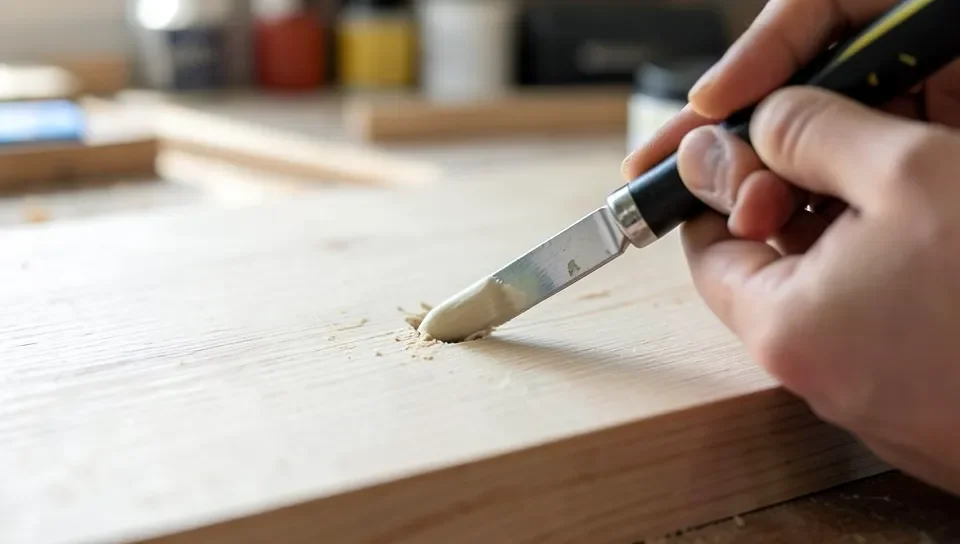
The main idea is to make the damaged spot disappear. You put the filler in the hole. Then you let it dry.
Once dry, you can sand it. After sanding, you can paint or stain it. This makes the repair blend in.
It’s important to match the color if you plan to stain.
Wood filler is not the same as wood glue. Glue sticks wood pieces together. Filler fills gaps.
It’s for when you can’t just glue it. It’s also different from wood putty. Putty is often for finished surfaces.
It’s usually softer. Wood filler is meant to be sanded and finished over.
Most wood fillers have a base. This base can be latex, vinyl, or solvent-based. They also have fillers.
These add strength and bulk. Binders hold it all together. Some fillers have tiny wood fibers in them.
These can help with staining. They try to mimic real wood.

My Own Little Wood Filler Scare
I remember one time I was helping a friend. We were redoing an old bookshelf. It had a bunch of little nicks and dings from years of use.
I’d picked up a cheap tube of wood filler. I thought, “Hey, it’s just a few small spots. This will be fine.” I spread it in.
It looked okay when wet.
The problem started when it dried. It shrank. A lot.
The little dents were still visible. They looked even worse now. The filler had pulled away from the edges.
It was a bumpy mess. I felt a pang of panic. This wasn’t making it look better.
It was making it look… odd. It also wouldn’t sand down smoothly. It just crumbled.
I learned a big lesson that day about choosing the right material.
Harbor Freight Wood Filler: What to Expect
Harbor Freight is known for tools and items at low prices. This often means you get what you pay for. Their wood filler products are usually no different.
They offer very affordable options. These can be good for some jobs. They might not be the best for others.
You’ll find different kinds. Some might be pre-mixed paste. Others might be powders you mix with water.
The pre-mixed ones are easy to grab and use. The powder ones can let you control the consistency. This can be helpful for different hole sizes.
The main appeal is the price. You can often get a container for a few dollars. This makes it tempting for quick fixes.
If you have a project with many small holes, it seems like a good deal. You might not want to spend a lot of money on a small repair. That’s where Harbor Freight filler shines.
However, these fillers might have some drawbacks. They can shrink when they dry. This is a big issue.
If it shrinks, you’ll see a dip. You might need to apply a second coat. This adds more time to your job.
Sometimes, even a second coat doesn’t fully fix it. It might not hold well if you need to sand it down a lot.
Staining can also be tricky. Many cheap fillers don’t take stain well. They might look splotchy.
Or they might look like a different material altogether. Paint usually covers filler fine. But if you want a natural wood look, it can be tough.
This is a key point to think about for your project.
Quick Scan: Harbor Freight Wood Filler Types
Pre-Mixed Paste:
- Easiest to use.
- Good for small, shallow holes.
- Dries relatively fast.
- May shrink.
Powder Mix:
- Requires mixing with water.
- Allows custom consistency.
- Can be more economical.
- Drying time can vary.
- May shrink.
When Does Harbor Freight Wood Filler Work Best?
So, when should you consider this type of filler? It’s all about managing expectations. Think of it for very minor, cosmetic repairs.
These are spots that won’t be seen up close. Or places where the finish will be paint.
Imagine a tiny nail hole in a baseboard. You plan to paint the whole room. A cheap filler might do the trick.
You fill the hole. It dries. You sand it smooth.
Then you paint over it. No one will ever know there was a hole there. This is a perfect use case.
Another good spot is a small scratch on a piece of furniture. If you’re going to cover it with a new coat of paint, it’s fine. The filler hides the scratch.
The paint makes it look new again. The key is that the repair is hidden by a new finish.
It can also be useful for quick touch-ups. If you have a small project and a small budget, it’s an option. You don’t want to buy a big, expensive tub for one tiny hole.
Harbor Freight’s price makes it a viable choice for these situations. It saves you money.
Remember, these are often latex-based. This means they clean up with water. This is a big plus.
No harsh solvents needed. This makes it easier to handle for many DIYers. It’s safer too.
You don’t need special ventilation for simple cleanup.
Real-World Scenarios Where It Falls Short
Now, let’s talk about where this filler often causes frustration. It’s not great for anything that needs to look like natural wood. If you have a beautiful wooden table and it has a chip, you want the repair to match.
Cheap filler will stand out like a sore thumb.
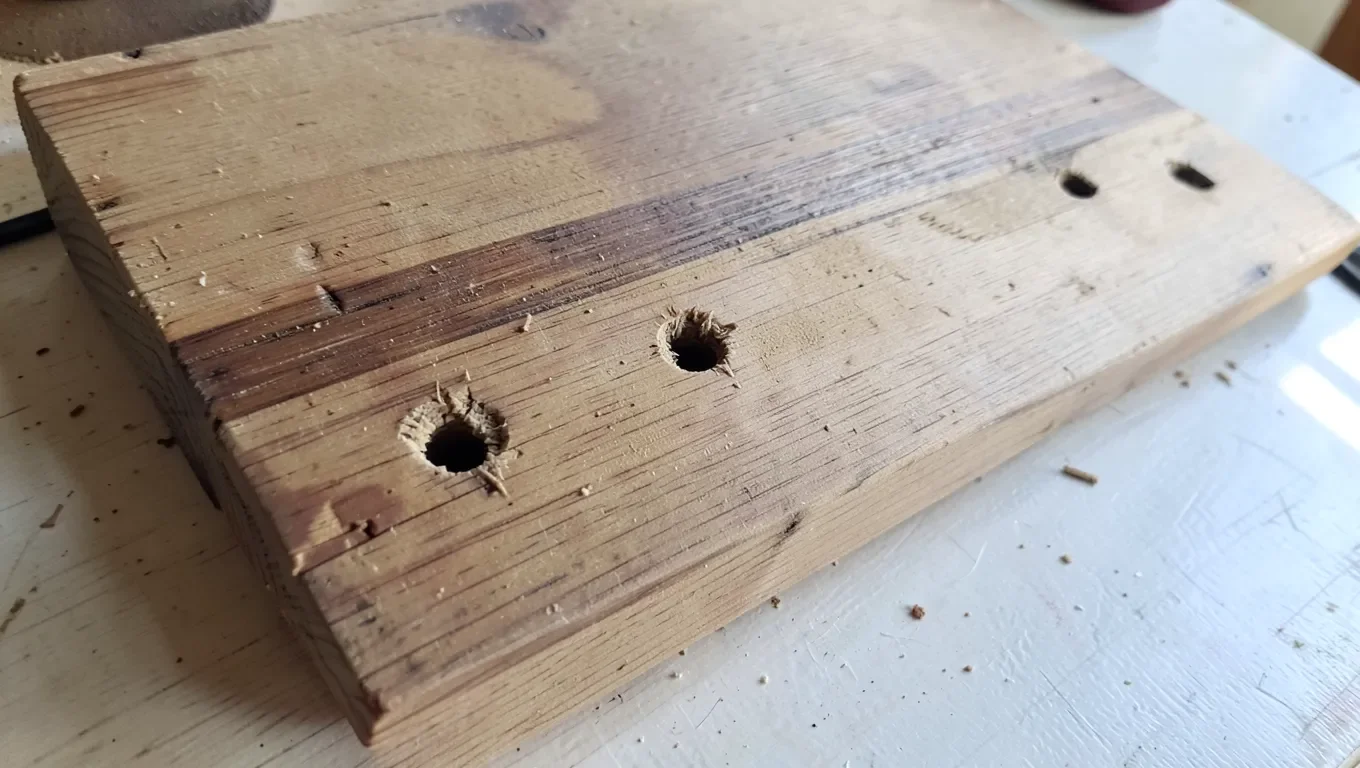
The shrinking issue is a major problem. If you’re filling a larger hole, like where a doorknob used to be, you’ll see the shrinkage. It creates a divot.
You’ll need multiple applications. Even then, it might not be smooth. You’ll end up sanding a lot.
This can be tedious.
Structural repairs are a big no-no. Wood filler is not meant to hold pieces of wood together. It’s not strong.
If you have a loose leg on a chair or a piece of trim that’s coming apart, use wood glue. Then, if there’s a gap, maybe use filler. But the filler itself won’t fix the structural problem.
It’s a cosmetic fix.
If you’re working on anything that needs a really smooth, durable finish, be careful. Cheap fillers can be soft. Sanding them down perfectly smooth can be hard.
They can also crack over time if they are under stress. This means your repair might fail later.
Think about outdoor projects. Many budget fillers are not rated for outdoor use. They can break down with moisture and temperature changes.
This will lead to the repair failing. You’ll need to redo it. It’s better to invest in a filler made for the elements.
Contrast: Normal vs. Concerning Use
Normal Use:
- Filling small nail holes in trim before painting.
- Repairing tiny nicks on a painted surface.
- Quick, temporary fixes on non-visible wood.
- When budget is the absolute top priority for minor cosmetic issues.
Concerning Use:
- Repairing large gouges or deep cracks.
- Filling holes on unstained wood surfaces.
- Structural repairs that require strength.
- Areas that will experience significant wear or moisture.
- Projects demanding a flawless, natural wood finish.
What to Look for in a Wood Filler
When you’re looking for wood filler, think about what you’ll do with it. This helps you pick the right one. Here are some things to consider:
Type of Wood: Is it painted or stained? If stained, you need a filler that takes stain well. Look for fillers that mention they are stainable.
Some even come in wood colors. This makes matching easier.
Project Location: Is it inside or outside? Outdoor projects need waterproof or water-resistant fillers. Indoor projects have more options.
But humidity can still affect some fillers.
Shrinkage: This is a big one. Good fillers shrink very little. Or they shrink in a way that’s easy to fix with a second coat.
Always check reviews or product descriptions for this. Some brands are known for minimal shrinkage.
Sanding Quality: You want a filler that sands smoothly. Some fillers get gummy or crumbly. This makes it hard to get a flat surface.
A good filler will sand like soft wood.
Drying Time: How fast do you need the repair to be ready? Some fillers dry in minutes. Others take hours.
For big jobs, slow drying can be better. It gives you more time to work. For quick fixes, fast drying is key.
Ease of Use: Pre-mixed fillers are easiest. Powder fillers offer more control but take more steps. Water-based fillers are easy to clean.
Solvent-based ones need more care.
Brand Reputation: While Harbor Freight is a retailer, brands like DAP, Minwax, and Elmer’s have long histories. They offer a range of products. Researching these brands can give you a better idea of quality.
Alternatives to Harbor Freight Wood Filler
If you decide Harbor Freight’s filler might not be the best for your project, what else can you use? Luckily, there are many great options available. Many are not much more expensive and offer better performance.
DAP Products: DAP makes a wide range of fillers. Their “Plastic Wood” is a popular choice. It comes in a few wood tones.
It’s known for being strong and sandable. They also have latex-based fillers that clean up easily.
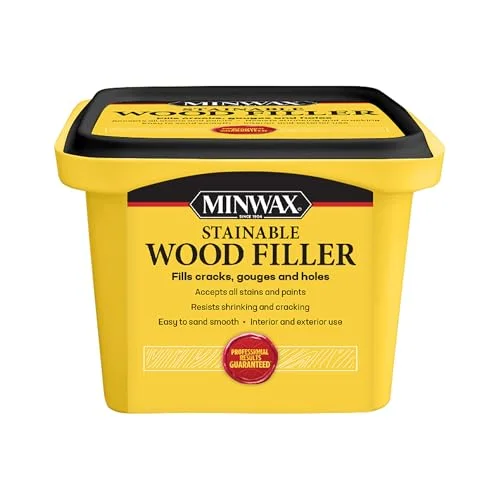
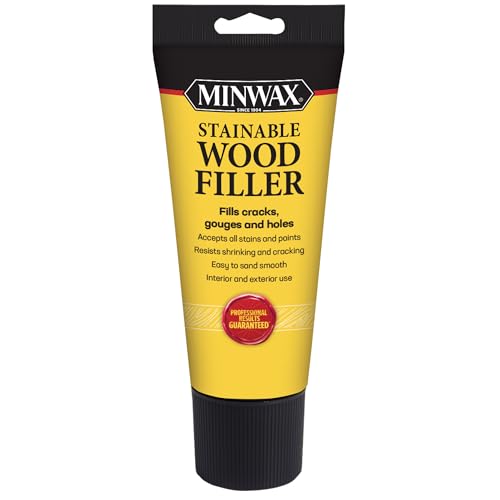
Minwax Products: Minwax is well-known for wood finishing. Their wood fillers are designed to work with their stains. This makes them a good choice if you want a stained finish.
They offer both paste and stainable versions.
Elmer’s Wood Filler: Elmer’s offers a basic wood filler that is generally well-regarded for small repairs. It’s often found in craft or general hardware stores. It’s usually water-based and easy to use.
Two-Part Epoxies: For very serious repairs, like filling large voids or areas needing strength, a two-part epoxy wood filler is the way to go. These are very strong and durable. They often don’t shrink.
However, they are more expensive and can be harder to work with. They usually require mixing.
Wood Patching Compounds: These are similar to fillers but can sometimes be used for larger repairs or even to fill gaps in wood paneling. They might not be as fine as a typical wood filler for small holes.
Wood Dough: This is a professional product. It’s often used for furniture repair. It’s very pliable and can be carved and shaped before it cures.
It’s excellent for intricate repairs. It’s also more expensive than typical fillers.
When choosing, always read the label. It will tell you if the filler is stainable, paintable, sandable, and if it’s for interior or exterior use. This information is crucial for success.
Stacked Micro-Sections: Choosing Your Filler
For Painted Surfaces: Latex-based fillers from brands like DAP or Elmer’s are great. They are easy to clean and paint over. Focus on minimal shrinkage.
For Stained Surfaces: Look for “stainable” fillers. Minwax and DAP offer good options. Test a small spot first to see how it takes the stain.
For Large Holes: Consider two-part epoxies. They offer strength and minimal shrinkage. They are more involved but provide better results for deep damage.
For Exterior Use: Seek out fillers specifically labeled for exterior use. They withstand weather and moisture better.
What This Means For Your Projects
So, what’s the bottom line for your next DIY project? Harbor Freight wood filler isn’t inherently “bad.” It’s a tool. And like any tool, it’s good for certain jobs and not others.
If you have a very small, non-critical repair on a painted surface, it can definitely save you money. Think of a tiny nail pop in a wall you’re about to repaint. This is where it can shine.
It’s cheap and gets the job done enough.
However, if your project requires a natural wood finish, durability, or is in a challenging environment (like outdoors), you’ll likely be disappointed. The shrinkage, poor staining, and potential lack of longevity can cause more work and frustration in the long run.
For projects where appearance matters, or where the repair needs to last, spending a little more on a reputable brand’s wood filler is usually a wise investment. You’ll get better results. You’ll save yourself headaches.
It will make your finished project look much more professional.
Think about the total cost. Sometimes, a cheap filler requires multiple applications. It might need extra sanding.
It might even fail, requiring a redo. This adds up to time and effort. A slightly more expensive, better filler might be cheaper overall.
Always consider the intent of your project. Are you aiming for a quick fix? Or a lasting, beautiful finish?
Your answer will guide your choice of materials. Don’t be afraid to spend a few extra dollars for peace of mind and a better outcome.
Quick Check: Is This Filler Right for You?
Ask Yourself:
- Am I painting over it? (Yes: Harbor Freight might be okay)
- Will it be visible up close? (Yes: Consider alternatives)
- Do I need to stain it to match real wood? (Yes: Look for stainable fillers)
- Is this a structural repair? (No: Filler is not for this)
- Will it be exposed to moisture or weather? (Yes: Use exterior-rated filler)
- Is my budget extremely tight for a minor cosmetic issue? (Yes: Harbor Freight is an option)
Simple Checks and Tips
Before you start, always do a quick test. If you can, apply a little bit of the filler to a scrap piece of wood. Let it dry fully.
See how it sands. If you plan to stain, try staining that scrap piece. This way, you’ll know what to expect before you apply it to your project.
When applying, don’t overfill the hole. It’s better to apply a thin layer. Let it dry.
Then add another layer if needed. This helps reduce shrinkage. It also makes it easier to sand smooth.
For deep holes, you might need to fill them in layers. Let each layer dry partially before adding the next. This helps prevent the filler from cracking as it dries.
When sanding, start with a medium-grit sandpaper. Then move to a finer grit. This will help you get a smooth finish.
Make sure you sand in the direction of the wood grain. This helps the repair blend in better.
Clean your tools immediately after use. If it’s water-based, use soap and water. If it’s solvent-based, use the recommended solvent.
Dried filler is very hard to remove.
If you’re painting, apply a primer over the filled and sanded area. This seals the filler. It also helps the topcoat of paint adhere evenly.
This can prevent flashing, where the painted area looks different from the surrounding paint.
For stained projects, if the filler doesn’t stain well, you might be able to paint it to look like wood. This is called faux finishing. It takes practice but can create a convincing wood grain effect.

Frequently Asked Questions About Wood Filler
Can I use wood filler for structural repairs?
No, wood filler is not designed for structural repairs. It is a cosmetic filler for cosmetic purposes only. For structural issues, you need wood glue, screws, or other fasteners to provide strength.
Will Harbor Freight wood filler shrink?
Yes, many budget wood fillers, including those from Harbor Freight, are prone to shrinking as they dry. This may require multiple applications to achieve a flush repair.
How long does wood filler take to dry?
Drying times vary greatly by product. Latex-based fillers can dry in 30 minutes to a few hours. Solvent-based fillers might take longer. Always check the product packaging for specific drying times.
Can I stain wood filler?
Some wood fillers are specifically designed to be stainable. Many budget fillers do not take stain well and may look splotchy. Always test stain on a small, hidden area or a scrap piece first.
Is wood filler waterproof?
Most standard wood fillers are not waterproof. Some specialized fillers are designed for exterior use and offer water resistance. Check the product label carefully for its intended environment.
What’s the difference between wood filler and wood putty?
Wood filler is generally stronger and meant to be sanded and finished. Wood putty is softer, doesn’t typically shrink much, and is often used for filling small imperfections on finished surfaces where sanding is not ideal.
Final Thoughts
Choosing the right wood filler is key to a good repair. Harbor Freight offers a budget-friendly entry point. It can work for simple, painted fixes.
But for anything more demanding, better options exist. Consider your project’s needs carefully. A little research can save you a lot of frustration.
},
},
},
},
},
}
]
}