Can A Woodchuck Chuck Wood? The Answer Will Surprise You
It’s a classic tongue twister, isn’t it? “How much wood would a woodchuck chuck if a woodchuck could chuck wood?” We’ve all said it, maybe giggled at it. But have you ever stopped to wonder if there’s any truth to it?
Does a woodchuck, that furry little critter digging in your yard, actually have any interest in wood? Let’s dive in and find out. We’ll explore what these animals really do and how the saying came to be.
The truth is, woodchucks don’t “chuck” wood in the way the rhyme suggests. They are excellent diggers, not wood manipulators. This article explains their real behaviors and the origins of the famous phrase.
What Exactly is a Woodchuck?
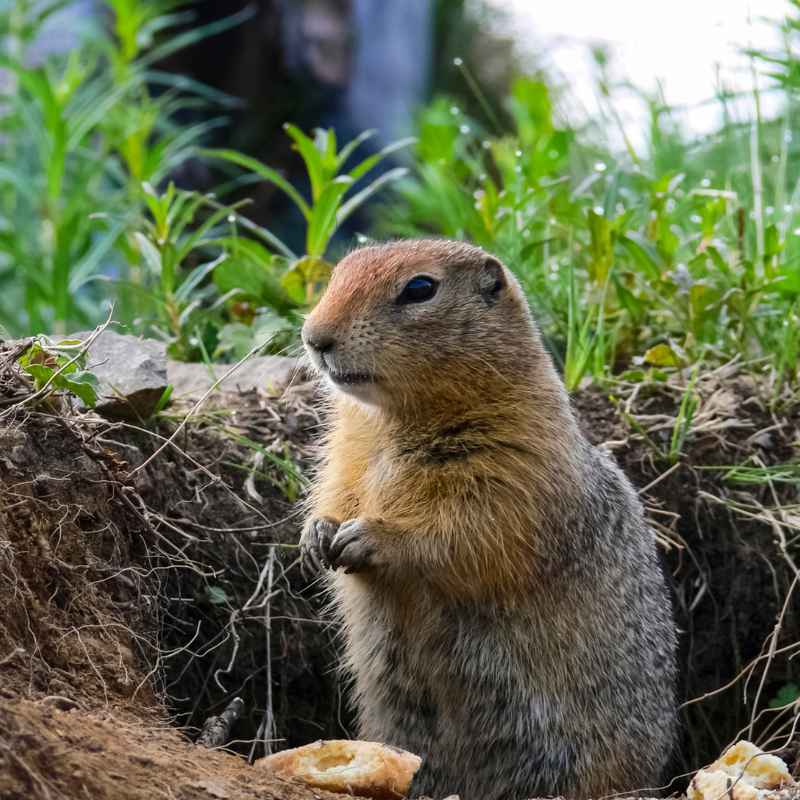
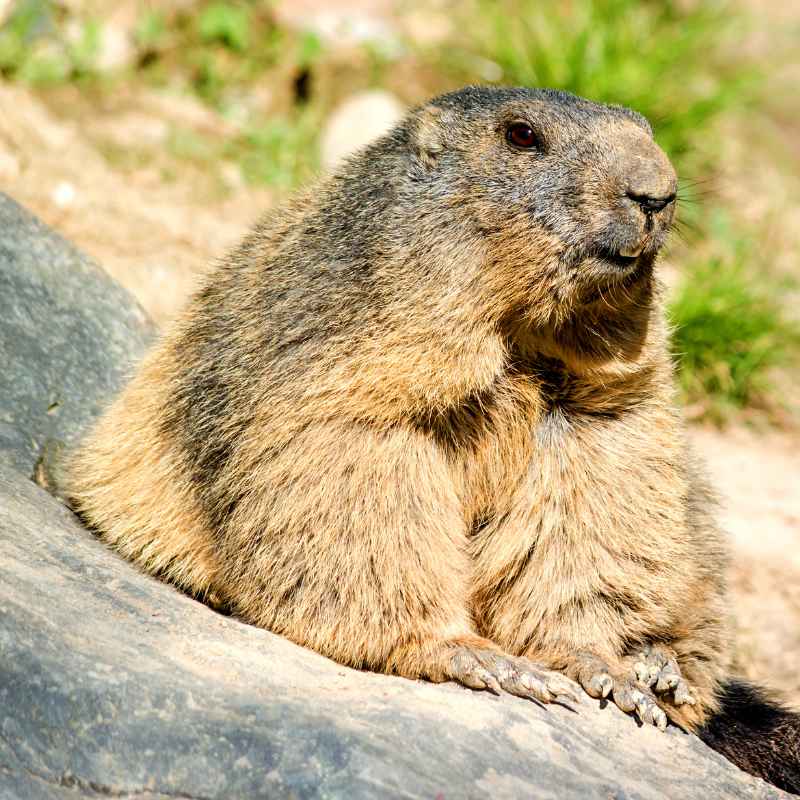
First off, let’s get clear on what a woodchuck is. They are also called groundhogs. These are stout, furry animals.
They are part of the squirrel family. You often see them in fields and open woodlands across North America. They have short, strong legs.
These legs are perfect for digging. They have sharp claws too. Their fur is usually brownish-gray.
They have a thick tail.
Woodchucks are well-known for their burrows. These homes are quite complex. They can have multiple entrances and chambers.
One chamber is usually for sleeping. Another might be for waste. They dig these burrows in the ground.
This is where they spend a lot of their time. It’s their safe place. It’s where they raise their young.
These animals are mostly solitary. They like their own space. During the warmer months, they are very active.
They eat plants, grasses, and fruits. They are herbivores. You might see them munching on clover or dandelions.
They need to eat a lot. This is to build up fat reserves for winter.
Why the “Chuck Wood” Saying?
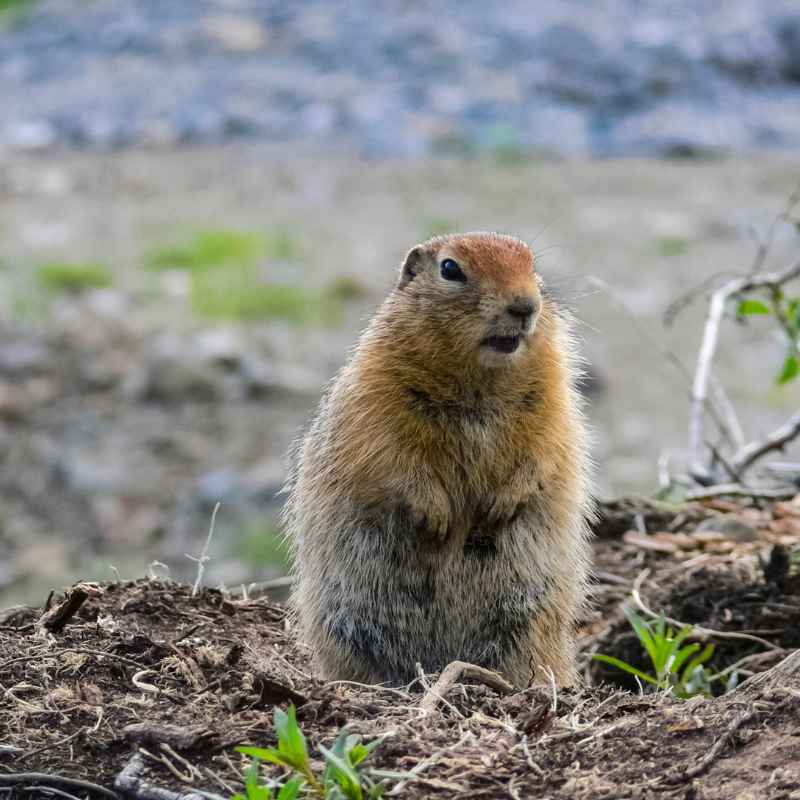
So, where did this whole idea of woodchucks chucking wood come from? It seems to be a bit of wordplay. The word “chuck” can mean “to throw.” But it can also mean “to eject” or “to cast out.” Think about how a woodchuck digs.
They push dirt and debris out of their burrow. This is an ejection of material.
Some experts think “chuck” might sound like a sound. It might mimic the sound of dirt being moved. It’s a playful, nonsensical phrase.
It’s more about the fun of saying it. The rhyme is catchy. It rolls off the tongue easily.
It’s a bit of folk humor that stuck around.
The phrase gained popularity from an old folk song. It was written in the early 20th century. The song itself asks the question.
It explores the hypothetical. It doesn’t claim woodchucks actually do this. It’s a fun thought experiment.
It highlights their digging power. It uses the word “chuck” creatively.
Woodchuck Behavior: Digging, Not Throwing
Let’s be clear. Woodchucks are masters of excavation. They don’t pick up logs and toss them.
Their daily activities revolve around digging. They create elaborate tunnel systems. These tunnels are their homes.
They are also their escape routes. A woodchuck’s primary job is to burrow.
When a woodchuck digs, it uses its strong front paws. It scrapes away soil. It pushes the loosened dirt behind it.
Then, it uses its back paws. It kicks the dirt out of the burrow entrance. This process is quite effective.
It moves a lot of earth. They can create mounds of dirt near their holes. This is the “ejecting” action.
Imagine a woodchuck making a new home. It works tirelessly. It might dig for hours.
The soil is pushed out in clumps. Sometimes, small stones or roots are also ejected. This is their version of “chucking.” It’s a natural part of their digging process.
It’s not an intentional act of throwing wood.
In real homes, I’ve seen the evidence of this. A well-used woodchuck burrow can have a significant pile of dirt. It’s always at the entrance.
This pile is a sign of their hard work. It’s never a pile of wood. It’s strictly soil, rocks, and maybe a stray root.
One time, I was clearing brush near an old shed. I saw a big mound of dirt. It looked like it had been there for a while.
Then, I saw a woodchuck pop out of a hole right next to it. It looked right at me. Then it went back in.
The dirt was clearly from its digging. It was never near any wood.
Their jaws are strong. They can chew through roots. They can gnaw on tough vegetation.
But they don’t use their teeth to grip and throw wood. Their digging tools are their paws and claws. Their mouth is for eating.
It’s for gathering plants. It’s not for launching logs.
This is an important distinction. People picture a woodchuck holding a log. Then flinging it away.
That image is pure fantasy. It’s a fun mental picture. But it’s not how these animals live.
Their lives are grounded in the earth. They shape it with their digging skills.
Think about the effort involved. If a woodchuck could chuck wood, how much would it need to lift? How much energy would that take?
It would be a huge task. Their bodies are built for digging. They have the right tools for that.
They don’t have the physique for lifting heavy objects like logs.
Their diet also plays a role. They eat greens. They eat vegetables.
They don’t eat wood. They don’t need to manipulate wood for food. Many animals chew wood.
Beavers do. They use wood to build dams. They also eat the bark.
Woodchucks don’t have this need. Their needs are simpler.
So, when you hear the rhyme, remember the reality. Woodchucks are busy diggers. They move dirt.
They create homes. They are essential to their environment. They keep the soil aerated.
They provide homes for other small creatures too. Their contribution is underground.
Woodchuck vs. Wood: The Real Story
What they DO: Dig burrows, eat plants, hibernate, groom themselves.
What they DON’T DO: Chuck wood, build with wood, eat wood, play fetch with logs.
Why the confusion? The word “chuck” can mean to throw, but also to eject or cast out. Woodchucks eject dirt when digging.
It’s easy to get confused. The rhyme is so well-known. It almost feels like a fact.
But it’s a playful exaggeration. It uses animal names and actions. It creates a silly image.
This image is far from their actual lives.
Their anatomy is key. Their paws are broad and flat. They have strong claws.
These are perfect for scooping and digging. They are not designed for grasping and throwing. Their forelimbs are built for power in digging.
They are not built for delicate manipulation of wood.
Think about their teeth. They have incisors that grow constantly. This is true for many rodents.
These teeth are for gnawing. They gnaw on roots and tough plants. This helps keep their teeth short.
It’s essential for their diet. It’s not for processing wood to throw.
The Science Behind the Saying
Let’s look at the science. Woodchucks are Marmota monax. They are ground squirrels.
They are not wood-related animals. Their habitat is meadows, fields, and forest edges. They need soil to dig in.
They don’t typically live in dense forests where wood is plentiful.
Their digestive system is made for vegetation. It breaks down grasses, herbs, and fruits. It cannot process wood.
Wood is tough cellulose. It requires specialized digestive systems. Animals like termites or beavers have ways to digest wood.
Woodchucks do not.
The act of “chucking” would require a different body shape. They would need more flexible limbs. They would need opposable thumbs.
They would need a different kind of grip. Their current build is optimized for digging. This is their survival strategy.
When a woodchuck creates its burrow, it moves a lot of material. A typical burrow can be up to 50 feet long. It can have several feet.
That’s a lot of dirt. This dirt is pushed out. It creates piles.
This is the closest they get to “chucking.” It’s material they are removing.
Some people have observed woodchucks “carrying” things. They might carry nesting material. Or they might carry food to their young.
But this is done with their mouths. It’s not throwing. And it’s not wood.
It’s usually soft grasses or leaves.
The folklore aspect is strong here. People love a good story. They love a catchy rhyme.
The image of a woodchuck busy with wood is amusing. It’s memorable. It’s a bit absurd.
This absurdity is part of its charm.
The phrase is often used in a humorous way. It’s a conversation starter. It makes people think.
It makes them ask questions. This is good! It sparks curiosity about nature.
Even if the premise is wrong, it leads to learning.
Consider other animals and rhymes. “The bear went over the mountain.” Does the bear really do that? Maybe.
But the rhyme isn’t about their specific behavior. It’s a song. The woodchuck rhyme is similar.
It uses a characteristic action (digging/ejecting) in a new, absurd way.
The sound of the word “woodchuck” itself is also interesting. It sounds like it’s related to wood. This might add to the confusion.
The name itself suggests a connection. But it’s just a name. Like a “ladybug” isn’t really a bug in the same way a cockroach is.
A real-world analogy might help. Think of a painter. They use brushes.
They use paint. They create art on a canvas. They don’t “chuck” paint at the canvas.
They apply it carefully. A woodchuck “applies” dirt by digging. It doesn’t “chuck” wood.
Woodchuck Facts: Beyond the Rhyme
- Scientific Name: Marmota monax
- Nickname: Groundhog
- Family: Squirrel
- Primary Activity: Digging burrows
- Diet: Herbivore (grasses, plants, fruits)
- Hibernation: Yes, they hibernate in winter.
- Special Skill: Expert excavators.
Their winter hibernation is a key survival strategy. They store fat during the summer. They retreat to their burrows.
They sleep for months. This is an energy-saving measure. They don’t need wood for warmth or construction during this time.
Their burrows are insulated by earth.
If you ever see a woodchuck out and about, observe its behavior. You’ll notice how its paws work. You’ll see how it pushes dirt.
You’ll understand its connection to the ground. It’s a creature of the earth. It shapes the earth.
It doesn’t interact with wood in that way.
When is Wood Chucking a Real Thing?
While woodchucks don’t chuck wood, other animals do interact with wood in significant ways. Beavers are the prime example. They are nature’s engineers.
Beavers use wood to build dams and lodges. They fell trees using their strong teeth. They then move the logs and branches to construct their homes and dams.
These dams create ponds. These ponds offer protection. They help the beavers store food underwater.
Their teeth are specially adapted for this. They are sharp and strong. They are like natural chisels.
This is a form of wood manipulation, but it’s very different from “chucking.”
Woodpeckers also interact with wood. They drill into trees. They do this to find insects.
They also do it to excavate nesting cavities. Their beaks are hard and sharp. They tap away at bark and wood.
This is for food and shelter. It’s not for throwing wood.
Porcupines have quills. They can use their quills for defense. They might scratch at trees.
They might gnaw on bark for food. But they don’t “chuck” wood. Their interaction is about survival and diet.
Even some insects process wood. Termites, for instance, eat wood. They have symbiotic bacteria in their gut.
These help them break down cellulose. Carpenter ants excavate wood. They make tunnels in dead trees or wooden structures.
This is for nesting. It’s a different kind of interaction.
The key difference is intent and action. Beavers intentionally use wood. Woodpeckers peck for food and homes.
Termites digest wood. Woodchucks simply push dirt out of their way. Their action is related to their digging.
It’s not about manipulating wood itself.
It’s like the difference between a sculptor and a demolition worker. A sculptor uses tools to shape material. A demolition worker tears things down.
Woodchucks are more like sculptors of soil. They shape the earth. They don’t engage in demolition or construction with wood.
In my own yard, I’ve had to deal with carpenter ants. They were in an old wooden fence post. They were not throwing pieces of wood.
They were tunneling inside it. They were breaking it down from the inside. It was a slow process.
It didn’t involve any “chucking.”
The saying about the woodchuck is a playful one. It’s a bit of fun. It’s not a zoological fact.
Understanding the actual behaviors of animals is rewarding. It helps us appreciate nature more. It shows us the incredible diversity of life.
The Role of Woodchucks in Their Ecosystem
Even though they don’t chuck wood, woodchucks play a vital role. They are considered ecosystem engineers. Their digging aerates the soil.
This helps plants grow. It improves drainage. Their abandoned burrows provide shelter for many other animals.
Think about foxes, rabbits, and skunks. They often use old woodchuck dens. These dens are safe from predators.
They offer protection from the weather. This makes woodchucks important indirectly. They create homes for others.
Their grazing also affects plant life. They keep grasses and weeds down. This can benefit certain plant species.
It can create open areas. These areas are good for other wildlife. They contribute to biodiversity.
When they hibernate, they take nutrients from the soil. They then excrete them in their burrows. This enriches the soil.
It’s a natural fertilization process. Their life cycle is intertwined with the health of the land.
I once found a rabbit family living in an old woodchuck hole. It was under a thicket of bushes. The rabbits were safe and sound.
The woodchuck was long gone. But its work provided a safe haven. It was a neat example of nature’s cycles.
Their presence is a sign of a healthy environment. It means there are good places for them to dig. It means there are enough plants for them to eat.
They are indicators of a balanced ecosystem. They are part of the natural tapestry.
Woodchuck’s Eco-Contributions
Soil Aeration: Their digging improves air and water flow in the soil.
Habitat Creation: Abandoned burrows shelter other animals.
Vegetation Management: They graze, influencing plant growth.
Soil Enrichment: Their waste fertilizes the ground.
So, while the rhyme is fun, the reality is more profound. Woodchucks are essential workers of the earth. Their “work” is digging.
It’s about shaping the soil. It’s about creating life below the surface. They are busy, important creatures.
Their life is a testament to adaptation. They have evolved to thrive in their environment. They have the perfect tools for their job.
Their paws are strong. Their claws are sharp. Their bodies are built for digging.
They are specialized for excavation.
The amount of dirt a woodchuck can move is impressive. They can excavate burrows that are quite extensive. These tunnels can be complex.
They can have multiple rooms. This takes a lot of effort. It takes a lot of digging power.
This digging is their primary interaction with their world. It’s how they find food. It’s how they escape danger.
It’s how they raise their young. It’s how they survive the winter. Digging is their life.
It’s not chucking wood.
If you see a woodchuck, take a moment to watch it. You’ll see its powerful build. You’ll see its focused activity.
It’s likely digging. Or it’s foraging for food. It’s not holding a log.
It’s not preparing to throw anything.
The Origin of the Tongue Twister
The exact origin of the “How much wood would a woodchuck chuck” phrase is a bit fuzzy. But it became widely known through a 1902 song. The song was called “The Woodchuck Song.” It was written by Robert Hobart Davis.
The music was by Theodore F. Morse.
The lyrics are playful and nonsensical. They ask the question. Then they offer a silly answer.
“A woodchuck would chuck as much wood as a woodchuck could chuck if a woodchuck could chuck wood.” It’s a circular answer. It emphasizes the hypothetical nature.
This song made the phrase famous. It was sung by vaudeville performers. It was printed in newspapers.
It became part of American popular culture. It’s a classic example of a silly, memorable rhyme.
Before the song, similar wordplay might have existed. But this song popularized it. It cemented it in our minds.
It’s now a cultural reference. It’s a common saying. It’s taught to children.
It’s part of our linguistic landscape.
The fun is in the sound of the words. “Woodchuck” and “chuck” and “wood” all have similar sounds. This makes them hard to say quickly.
It’s a challenge to enunciate them clearly. That’s the essence of a tongue twister.
It’s fascinating how language works. How a simple rhyme can persist for so long. How it can be associated with an animal.
Even when the animal doesn’t do what the rhyme says. The power of association is strong.
The fact that the rhyme exists says something about human creativity. We like to play with words. We like to invent scenarios.
We like to imagine animals doing funny things. It’s a form of storytelling. It’s a way to entertain ourselves.
Think about other animal-related phrases. “Busy as a bee.” Bees are indeed very busy. “Sly as a fox.” Foxes are often seen as cunning.
These phrases reflect actual behavior. The woodchuck phrase is different. It’s a humorous invention.
The song is more about the concept of a woodchuck having the ability to chuck wood. It’s a hypothetical. “If a woodchuck could chuck wood.” This is the key part.
It acknowledges the unlikelihood. It’s a clever way to build a rhyme.
So, the next time you hear the rhyme, you know the backstory. You know it’s a fun song. It’s a word game.
It’s not a scientific observation. The woodchuck is busy, but not with wood chucking.
What This Means for You
Understanding that woodchucks don’t chuck wood helps us appreciate them better. It shows us their true nature. They are earth-movers.
They are burrow builders. They are herbivores. Their lives are focused on the ground beneath them.
If you see a woodchuck in your yard, remember this. It’s likely digging. It’s looking for food.
It’s probably not trying to move any lumber. This knowledge can make you see them with new eyes. They are fascinating creatures in their own right.
It also helps you avoid misidentifying their behavior. If you see a pile of dirt, you know it’s from digging. You don’t need to wonder if a woodchuck was moving wood.
This can prevent confusion.
When you encounter wildlife, the more you know, the better. It helps with respect. It helps with understanding their role in the environment.
Woodchucks are an important part of the ecosystem. They contribute in ways beyond a catchy rhyme.
If you have a woodchuck problem, like they are digging near your house, you’ll want to understand their habits. Knowing they dig for shelter and food helps. It means they might be attracted to garden areas.
It means they need safe places to burrow.
It’s always good to remember that wild animals have their own lives. They have their own needs. They are not here to entertain us with human-like actions.
They are living according to their instincts. And for woodchucks, those instincts are strongly linked to digging.
This information is practical. It helps you interpret what you see. It helps you connect with nature on a deeper level.
It’s about accuracy. It’s about genuine understanding of the world around us.
So, the next time someone asks, “Can a woodchuck chuck wood?” you can smile. You know the answer. And you can share the real story.
It’s a story of digging, of nature, and of a very clever rhyme.
Quick Fixes & Tips
While woodchucks don’t chuck wood, they can sometimes cause issues if they burrow too close to homes or gardens. If you need to deter them, focus on their real behaviors:
Secure Gardens: Use sturdy fencing buried a foot or so underground. This stops them from digging under.
Remove Attractions: Keep your garden tidy. Remove fallen fruit. Woodchucks love easy food sources.
Natural Repellents: Some strong scents might deter them. Castor oil or predator urine can sometimes work. You can also try sprinkling cayenne pepper around areas you want to protect.
Fill Holes: If they’ve dug holes, fill them in. Woodchucks often dig new ones, but this can be a deterrent.
Professional Help: If the problem is severe, contact your local wildlife control or a pest management service. They have humane methods to relocate or manage woodchuck populations.
Remember, the goal is usually to coexist. They are part of the local wildlife. Making your property less appealing is often the best first step.
Frequently Asked Questions
What is a woodchuck?
A woodchuck is a type of ground squirrel, also known as a groundhog. They are stout, furry animals that live in burrows they dig themselves.
Do woodchucks actually chuck wood?
No, woodchucks do not chuck wood. The saying comes from a tongue-twister song that plays on the word “chuck,” which can mean to eject or cast out, referring to how woodchucks eject dirt when digging.
How much wood would a woodchuck chuck if it could?
This is a hypothetical question from a song. The answer in the song is: “A woodchuck would chuck as much wood as a woodchuck could chuck if a woodchuck could chuck wood.” It’s a playful, nonsensical answer.
What do woodchucks eat?
Woodchucks are herbivores. They eat grasses, plants, clover, dandelions, fruits, and vegetables. They do not eat wood.
Why are they called woodchucks?
The name “woodchuck” likely comes from an Algonquian language word, such as “wuchak.” It has nothing to do with their ability to chuck wood.
What is the primary behavior of a woodchuck?
The primary behavior of a woodchuck is digging. They are expert excavators and create complex burrows for shelter, hibernation, and raising young.
Are woodchucks dangerous?
Woodchucks are generally not aggressive towards humans. They prefer to avoid confrontation. If cornered, they might bite defensively, but they typically flee rather than fight.
Conclusion
The legend of the woodchuck chucking wood is a charming bit of folklore. It’s a fun rhyme. But it’s not a reflection of reality.
These creatures are amazing diggers. They shape the earth with their paws. They are vital to their environments.
So, let’s appreciate them for what they truly are: masters of the soil, not manipulators of wood. They are busy, important, and fascinating as they are.