Can Ash Wood Get Wet: Essential Tips for Protection
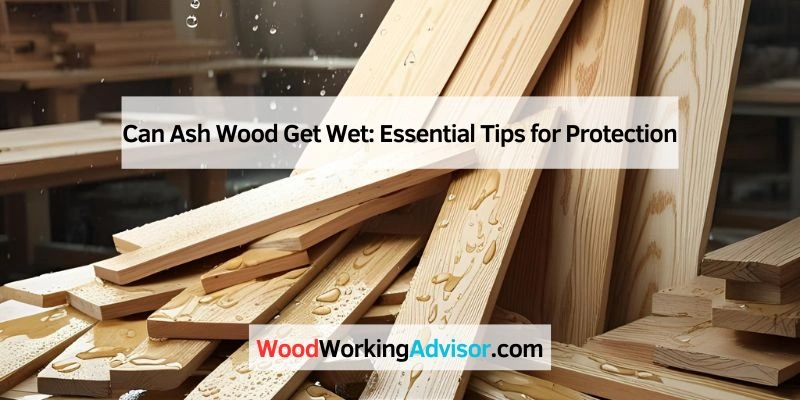
Can ash wood get wet? The short answer is yes, but it’s not ideal.
Ash wood can handle some moisture, but prolonged exposure can cause damage. Ash wood is popular in furniture and flooring due to its strength and attractive grain. But like most hardwoods, it’s sensitive to water. Water can cause swelling, warping, and even mold growth over time.
Understanding how ash wood reacts to moisture helps in maintaining its beauty and durability. In this blog post, we will explore the effects of water on ash wood and provide tips on how to protect it. Whether you have ash wood furniture or floors, knowing how to care for it can prolong its life and keep it looking great.
Introduction To Ash Wood
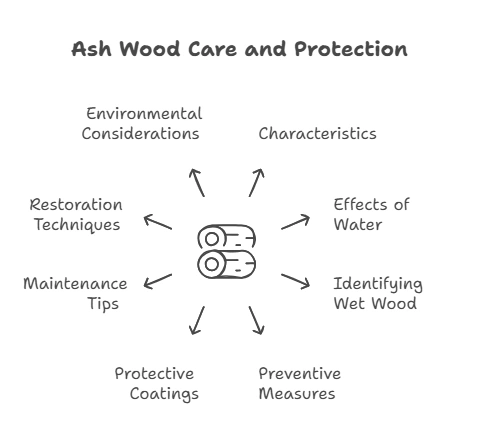
Ash wood is a popular choice for many woodworkers. This versatile wood is known for its strength and attractive grain. But what happens when ash wood gets wet? Understanding the characteristics of ash wood can help answer this question.
Characteristics Of Ash Wood
Ash wood has a light color, usually pale cream to light brown. The grain is straight, giving a smooth texture. It’s easy to work with, making it a favorite among carpenters. Ash wood is also known for its elasticity and shock resistance. This makes it ideal for furniture and sporting goods.
Common Uses
Ash wood is often used in furniture making. Its strength and beauty make it perfect for tables, chairs, and cabinets. Ash wood is also used in flooring. Its durability can withstand heavy foot traffic. In sports, ash wood is used for making baseball bats. Its shock resistance is perfect for withstanding impact.
Effects Of Water On Ash Wood
Understanding the effects of water on ash wood is crucial for maintaining its quality. Ash wood is known for its strength and beautiful grain. But exposure to water can change its characteristics. Let’s explore how water impacts ash wood.
Water Absorption
Ash wood, like other hardwoods, can absorb water. Its porous structure allows moisture to seep in. This absorption rate can vary based on the finish applied. Unfinished ash wood absorbs water quickly. Finished ash wood resists water better but isn’t waterproof.
Potential Damage
Water exposure can lead to several types of damage. One common issue is warping. Warping occurs when wood absorbs water unevenly. This causes the wood to bend or twist. Another problem is swelling. Wood fibers expand when they absorb water. This can cause the wood to become misshapen.
Prolonged exposure to water can also lead to rot. Rot occurs when fungi grow in the damp wood. This weakens the structure and can lead to decay. Even finished ash wood can suffer if water seeps through cracks. Regular maintenance can help prevent these issues.
Identifying Wet Ash Wood
Ash wood is a popular choice for furniture and flooring. But it can get wet and become damaged. Identifying wet ash wood is important to maintain its quality.
Signs Of Moisture
Wet ash wood shows clear signs. The wood may look darker. It can feel cold and damp to the touch. You might also notice swelling or warping. A musty smell is another clue. These signs mean the wood has absorbed moisture.
Testing Methods
Testing for wet ash wood can be simple. One method is the touch test. Feel the wood surface for dampness. Another method is the weight test. Wet wood feels heavier than dry wood. You can also use a moisture meter. This tool measures the water content in the wood. Insert the meter’s pins into the wood. The reading tells you how wet the wood is. High readings indicate wet wood.
Preventive Measures
When it comes to safeguarding your ash wood from water damage, taking preventive measures is essential. By employing the right techniques, you can ensure the longevity and beauty of your ash wood furniture or flooring. Let’s explore some key strategies to keep your ash wood in top condition.
Sealing Techniques
Sealing your ash wood is a fundamental step in protecting it from moisture. This process involves applying a protective layer that prevents water from penetrating the wood. There are several sealing methods to consider:
- Oil-Based Sealers: These provide a durable finish and enhance the natural color of the wood.
- Water-Based Sealers: These are environmentally friendly and dry quickly.
- Polyurethane: This offers a strong protective barrier and is available in different finishes, from matte to glossy.
Each of these sealers has its own benefits, so choose one that best suits your needs. For instance, if you have children or pets, a water-based sealer might be the safest option.
Proper Finishing
Finishing your ash wood correctly is just as important as sealing it. Proper finishing not only enhances the wood’s appearance but also adds an extra layer of protection. Here’s how to do it:
- Sand the Wood: Start by sanding the wood to smooth out any rough spots. Use a fine-grit sandpaper for the best results.
- Apply a Primer: Before finishing, apply a primer to ensure the finish adheres well to the wood.
- Choose the Right Finish: There are various finishes to choose from, such as varnish, lacquer, or shellac. Each offers different levels of protection and aesthetics.
- Apply the Finish: Follow the manufacturer’s instructions carefully. Usually, you’ll need to apply multiple coats, allowing each coat to dry thoroughly before applying the next.
Remember, patience is key. Rushing through the finishing process can lead to uneven coverage and reduced protection.
By paying attention to these preventive measures, you can keep your ash wood looking pristine and protected from moisture for years to come. After all, an ounce of prevention is worth a pound of cure, right?
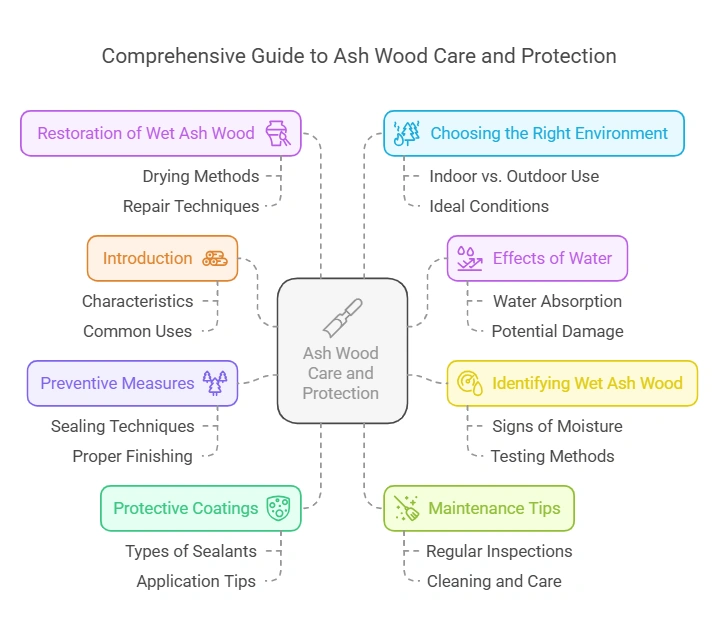
Protective Coatings
So, you’re wondering if ash wood can get wet, right? Well, the short answer is yes, but it’s not that simple. Like most wood, ash can absorb water, which can lead to warping, cracking, and even rotting over time. But don’t fret! Protective coatings can save the day. Applying a good sealant can make a world of difference. Let’s dive into the types of sealants and how to apply them.
Types Of Sealants
When it comes to protecting ash wood, there are several sealants you can choose from. Here are the most common ones:
- Polyurethane: This is a popular choice because it’s durable and offers a clear finish. It’s great for both indoor and outdoor use.
- Varnish: Varnish is another strong option. It gives a glossy finish, enhancing the wood’s natural beauty while providing protection.
- Lacquer: Quick-drying and available in a variety of finishes, lacquer is ideal for furniture and small wood projects.
- Wood Oil: Oils like linseed and tung penetrate the wood, providing deep protection. They’re perfect for a natural look.
Application Tips
Now that you know the types of sealants, let’s talk about how to apply them. Here are some easy steps to follow:
- Prepare the Surface: First things first, make sure the wood is clean and dry. Sand the surface to smooth out any rough spots.
- Choose the Right Brush: Use a brush that suits the type of sealant you’re using. A good quality brush can make the job easier.
- Apply Evenly: Dip your brush into the sealant and apply it in thin, even strokes. Make sure to follow the grain of the wood.
- Let it Dry: Allow the first coat to dry completely. This could take a few hours, depending on the product.
- Sand Between Coats: Lightly sand the surface between coats. This helps the next layer adhere better.
- Apply Additional Coats: Apply at least two to three coats for the best protection. More coats mean better protection.
Applying a protective coating might seem like a hassle, but it’s well worth the effort. Think of it as giving your ash wood a shiny armor. Not only does it protect the wood, but it also makes it look stunning. So, roll up your sleeves and get to work!
Got any tips or personal experiences with protective coatings? Share in the comments below!
Maintenance Tips
Wondering how to keep your ash wood looking great, even if it gets wet? No worries! With the right care, you can ensure your ash wood remains in top condition. Here are some handy maintenance tips to help you out.
Regular Inspections
First things first, always keep an eye on your ash wood. Regular inspections are crucial. Check for any signs of damage or moisture. If you spot any issues early, you can prevent further damage. Set a reminder to inspect your ash wood every few months.
Cleaning And Care
Cleaning and caring for your ash wood is easier than you might think. Here are some simple steps:
- Dust Regularly: Use a soft cloth to dust the surface. This prevents dirt buildup.
- Use Mild Soap: Mix a bit of mild soap with water. Wipe the wood gently with a damp cloth.
- Avoid Excess Water: Don’t soak the wood. Excess water can damage it.
- Dry Thoroughly: After cleaning, dry the wood completely. Use a dry cloth to wipe away any moisture.
For a deeper clean, consider using a wood-specific cleaner. Follow the instructions on the product to ensure the best results.
Taking care of ash wood doesn’t have to be a hassle. With these tips, your ash wood can withstand the occasional splash and still look fantastic. Happy cleaning!
Restoration Of Wet Ash Wood
Wet ash wood can lose its beauty and strength. Restoring it becomes essential to retain its original charm. Proper restoration involves drying and repairing the wood. These steps ensure the wood remains sturdy and visually appealing.
Drying Methods
Start by removing excess water from the ash wood. Use clean, dry towels to blot the wood. Avoid rubbing to prevent further damage. Place the wood in a well-ventilated area. Ensure good air circulation around it. A fan can help speed up the drying process.
For larger pieces, consider using a dehumidifier. This removes moisture from the air. Keep the wood elevated. This prevents it from absorbing moisture from the ground. Avoid exposing the wood to direct sunlight. Rapid drying can cause cracking and warping.
Repair Techniques
Inspect the wood for any signs of damage. Look for cracks, splits, or warping. Small cracks can be filled with wood filler. Apply the filler carefully and let it dry. Sand the area smoothly after it dries.
For larger cracks or splits, use wood glue. Apply the glue into the crack and clamp the wood tightly. Allow it to dry completely before removing the clamps. Sand the surface to ensure it is even and smooth.
If the wood is warped, use a heat gun to gently warm it. Apply even pressure to straighten the wood. Be patient as this process may take time. After repairing, consider applying a wood finish or sealant. This protects the wood from future moisture damage.
Choosing The Right Environment
Choosing the right environment for ash wood can be a bit tricky, especially when considering its exposure to moisture. Whether you’re planning to use ash wood indoors or outdoors, understanding how it reacts to different conditions is crucial. Let’s dive into the details to help you make the best decision for your project.
Indoor Vs. Outdoor Use
When it comes to indoor use, ash wood is a fantastic choice. It’s known for its strength and beautiful grain, making it perfect for furniture, flooring, and cabinetry. Inside your home, ash wood is protected from the elements, minimizing the risk of damage from moisture.
However, for outdoor use, the story is quite different. Ash wood is not naturally resistant to water and can easily absorb moisture. This can lead to warping, rotting, and other damage. If you plan to use ash wood outside, it’s essential to treat it with a water-resistant finish or sealant. Otherwise, it might not last as long as you’d hope.
Ideal Conditions
For optimal performance, ash wood should be kept in a stable environment. Let’s break down the ideal conditions for both indoor and outdoor use:
| Environment | Ideal Conditions |
|---|---|
| Indoor | Low humidity, stable temperature, minimal direct sunlight |
| Outdoor | Protected areas, regular maintenance, applied sealant or finish |
Indoors, keep ash wood away from places with high humidity, like bathrooms or kitchens, unless treated appropriately. This helps prevent unwanted swelling or shrinkage. A dehumidifier can be a great ally in maintaining the right conditions.
Outdoors, ensure ash wood is placed in protected areas, such as under a covered patio or in spots with minimal direct exposure to rain. Regular maintenance, including reapplying sealant, is necessary to keep it in top shape. Think of it like giving your car a regular check-up – it goes a long way!
In conclusion, while ash wood can get wet, it’s all about managing the exposure. Choose the right environment and take the necessary precautions to enjoy the beauty and durability of ash wood for years to come.
Frequently Asked Questions
What Happens If Wood Ash Gets Wet?
Wet wood ash forms a paste that can be caustic. It can damage skin and surfaces. Dispose of carefully.
Is Ash Wood Water Resistant?
Ash wood is not naturally water resistant. It can absorb moisture and may warp or rot when exposed to water. Proper sealing or treatment can enhance its water resistance.
What Happens If Ash Gets In Water?
Ash in water can alter its pH, making it more alkaline. It may also introduce harmful chemicals and contaminants. This can affect aquatic life and water quality.
Is Ash Wood Good For Outdoor Use?
Ash wood is not ideal for outdoor use. It lacks natural resistance to moisture and insects, leading to decay.
Conclusion
Ash wood can handle moisture, but not for long periods. Prolonged exposure causes damage. It warps and rots. Sealing helps protect ash wood. Regular maintenance is key. Keep it dry and clean. Use proper finishes to extend its life. Understand its limits.
Care for it well. Your furniture and projects will last. Follow these tips. Enjoy the beauty of ash wood.