Is It Okay to Give Chickens Wood Ash? Safe Amounts and Real Risks
Yes — dry wood ash from untreated wood is safe to give chickens, but only in a dust bath, never as feed, and never wet. The part most care guides skip: wet wood ash reacts with water to form potassium hydroxide, the same caustic base used to make lye soap. That’s a real chemical-burn risk to a hen’s feet, eyes, and comb that has nothing to do with dosage.
Why Wood Ash Works (And Where the Real Risk Is)
Safer Dust-Bath Additive Pick
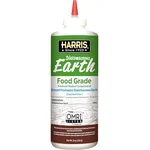 |
Harris Diatomaceous Earth, Food Grade – $9.99 Mixes into the same dust bath as wood ash without the caustic-lye risk if it gets wet — a safer year-round base you can still blend with a little dry ash for the mineral benefit.
|
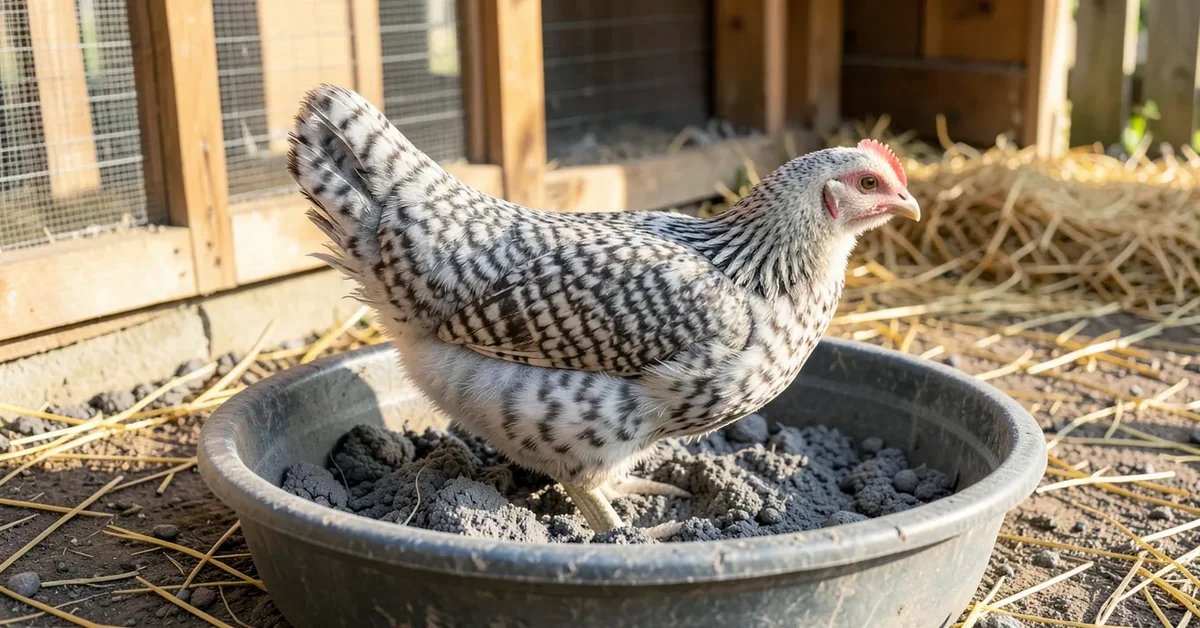
Dry wood ash is mostly calcium carbonate with smaller amounts of potassium carbonate and trace magnesium and phosphorus. When a hen dust-bathes in it, the fine alkaline particles coat mites and lice and strip the waxy lipid layer off their exoskeletons, which dries the parasites out. That’s the same drying mechanism diatomaceous earth uses, just a different material.
The catch is moisture. Rain, a knocked-over waterer, or morning dew turning ash into a paste creates potassium hydroxide — lye. That’s caustic enough to irritate or burn skin and eyes on contact, in a chicken or a person. Keep any ash you store covered and dry, and never dump ash near the waterer or in a spot that puddles.
Which Wood Ash Is Safe to Use
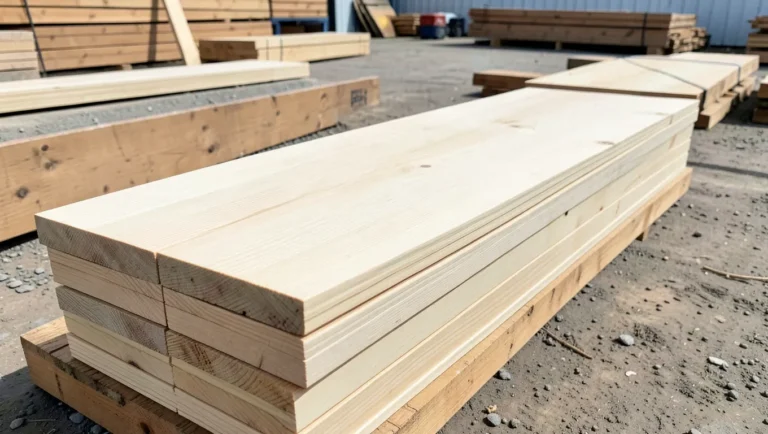
Only use ash from wood you know was untreated and unpainted — clean firewood, dropped branches, or scrap lumber with no coatings. Skip ash from pressure-treated lumber (historically contains chromium and arsenic compounds), painted or stained wood, plywood or particleboard (formaldehyde-based resins), and charcoal briquettes, which often contain binders and accelerants. Ash from cedar is technically clean, but cedar’s strong aromatic oils can irritate a chicken’s respiratory tract even without any added chemicals, so most keepers skip it in favor of oak, maple, or fruitwood ash.
Good ash looks pale gray to white and powdery, with no unburned chunks of wood, no plastic residue, and no chemical smell. If you’re not sure what was burned, don’t use it — there’s no reliable way to test contamination at home.
Building a Safe Dust Bath
Mix one part dry wood ash with two to three parts dry dirt or coarse sand in a shallow container — a low tub, an old tire half, or a dug-out patch of dry ground works. Keep the total ash content light; you’re diluting it into the dirt, not covering the dirt with ash. Site the bath somewhere covered from rain and away from the waterer.
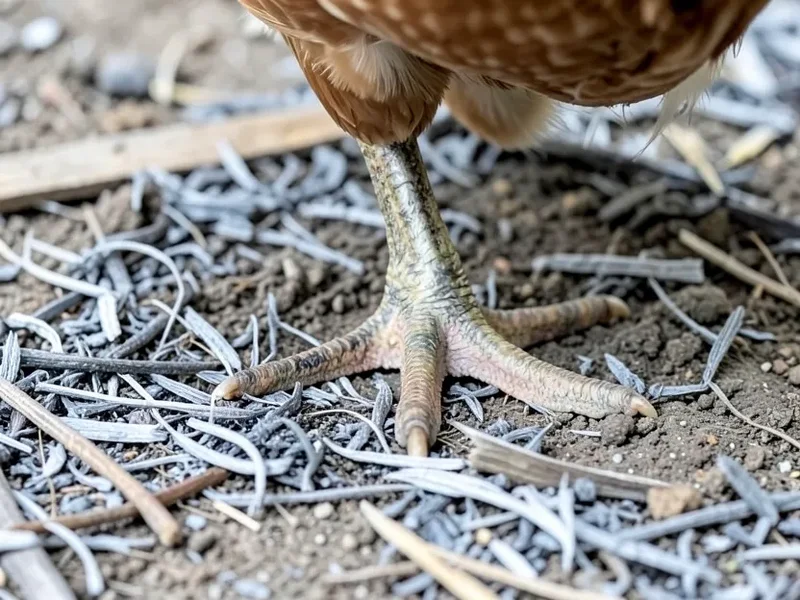
Refresh the mix every couple of weeks, or sooner if it gets rained on or compacted. A dust bath that’s turned to mud or a hard crust isn’t doing anything for pest control and should be dug out and replaced.
Signs You’re Using Too Much (or the Wrong Ash)
Watch for chickens avoiding the dust bath entirely, dull or brittle-looking feathers, redness around the eyes or comb, or noticeably labored breathing after a dust bath. Any of those means cut back the ash ratio, move the bath to better ventilation, or switch to a milder alternative like plain sand or diatomaceous earth for a while. Ash dust is fine enough to irritate a chicken’s air sacs in an enclosed coop, so dust-bathe outdoors or in a well-ventilated run, not inside a closed coop.
Alternatives If You’d Rather Skip Ash Entirely
Food-grade diatomaceous earth does the same lipid-stripping job on external parasites without the lye risk if it gets wet, though its own fine dust still calls for a ventilated spot. Plain builder’s sand alone gives chickens the mechanical dust-bathing behavior they need even without a pest-control additive. Some keepers add a small amount of dried, crushed lavender or mint to a sand bath — there’s no strong research behind it as a pest deterrent, but it doesn’t hurt and chickens seem to enjoy it.
For more on sourcing clean ash locally, see our guide on where to buy wood ash for chickens.
Frequently Asked Questions
What is the best material for a chicken dust bath?
A mix of dry sand or dirt with a small amount of wood ash or food-grade diatomaceous earth works best. Keep the area dry and roomy enough for a hen to fully roll and fluff.
Does wood ash help with chicken mites?
Yes. The alkaline ash particles strip protective lipids from a mite’s exoskeleton and dry it out. It only works from untreated wood, kept dry, and used as a diluted dust-bath additive, not sprinkled directly on the birds.
How much wood ash should go in a chicken dust bath?
About one part ash to two or three parts dry dirt or sand. It should look like lightly gray-tinted dirt, not a bath of pure ash.
What wood should you never use in or around a chicken coop?
Avoid pressure-treated lumber, painted or stained wood, plywood/particleboard, and charcoal briquette ash — all can carry chemicals harmful to chickens. Cedar ash is chemically clean but its aromatic oils can still irritate a bird’s respiratory tract.
Bottom Line
Wood ash is a legitimate, low-cost dust-bath additive for mite and lice control — as long as it’s from clean, untreated wood, kept dry, and diluted into sand or dirt rather than used on its own. The lye risk from wet ash is the detail most guides leave out, and it’s the one that actually matters for keeping your flock safe.
Sponsored / affiliate links. As an Amazon Associate I earn from qualifying purchases. I may earn additional commission from eligible campaigns.
 Wood Stain, 8.5oz/250ml Water Based Wood Stain for Indoor and Outdoor Furniture, Cabinet, Door, Trim and More - Fast Drying, Low Odor&Non-Toxic, Easy to Apply, Multiple Finishes (Red Cherry)
 Water Based Wood Stain 8.5oz/250ml, Matte Fast Drying Stain & Varnish, Low Odor Non-Toxic Indoor Outdoor Wood Paint for Furniture, Cabinet, Door, Window, Wardrobe, Paneling, Trim & Multiple Finishes