How Much Wood Ash Per Gallon of Water
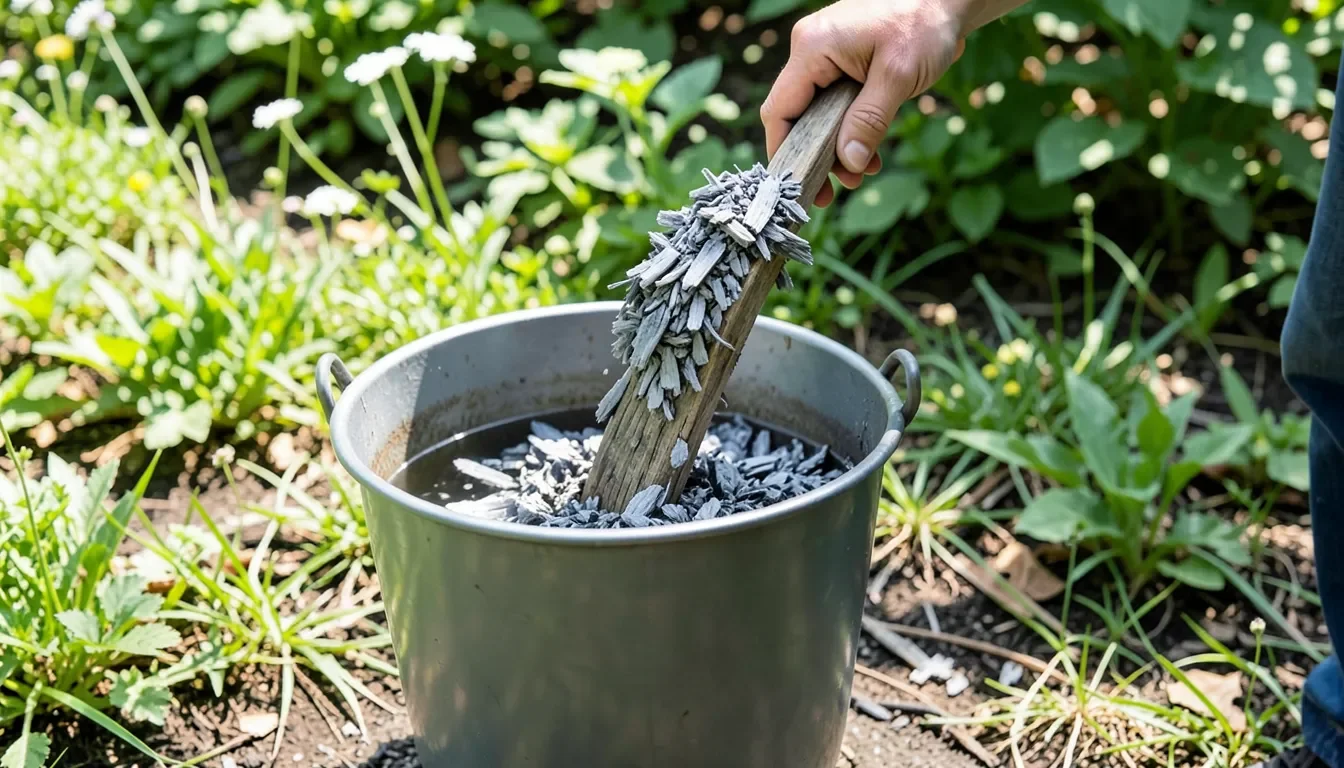
For a diluted wood ash “tea” to water into garden soil, use roughly 1 to 2 tablespoons of wood ash per gallon of water – about 1.6 ounces of ash per gallon by weight, based on university extension guidance of 3 pounds of ash steeped in 30 gallons of water. That’s a much lighter ratio than the full cup-per-gallon some sources suggest, and using too much concentrates the alkalinity enough to stress or burn plant roots. This guide covers the diluted garden-tea ratio, how it differs from a lye-strength mixture, and what actually determines how much ash your specific soil and plants can handle.
The Correct Ratio For Garden Use
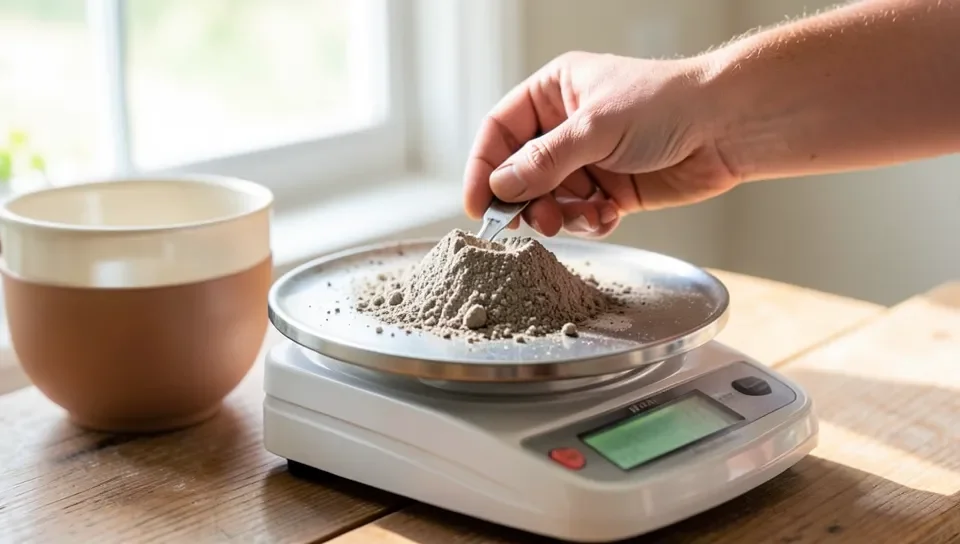
Weigh It, Don’t Just Scoop It
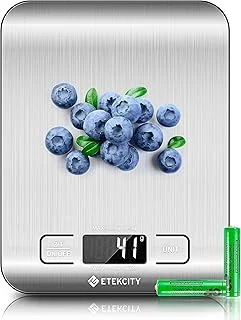 |
Etekcity Digital Kitchen Scale Wood ash varies a lot in density by volume, so a cup of fine ash can weigh very differently from a cup of chunky ash – weighing it keeps your ratio consistent.
|
University extension guidance for wood ash tea works out to about 1.6 ounces of ash per gallon of water (3 pounds of ash steeped in 30 gallons) – in practical kitchen terms, that’s roughly 1 to 2 tablespoons per gallon, not a full cup. A cup of wood ash is a meaningfully stronger dose, five times or more the recommended concentration depending on how densely packed the ash is, and applying that strength regularly is a common way gardeners accidentally push their soil pH too high and stress their plants. If you want a precise, repeatable ratio, weigh the ash rather than scooping it by volume, since wood ash density varies a lot depending on how fine or chunky it is.
Why The Ratio Matters
Wood ash is naturally alkaline – it’s the same material traditionally used to make lye – so mixing it into water doesn’t create a neutral solution, it creates one that raises pH. That’s exactly why it’s useful on acidic soil and exactly why it can cause problems if overused: too much ash, applied too often, pushes soil pH higher than most garden plants tolerate well, which blocks nutrient uptake even though the ash itself contains beneficial potassium and calcium. The goal isn’t to make the ash-water solution itself pH-neutral before applying it (it won’t be) – it’s to apply a dilute enough dose that the SOIL stays in a healthy range for what you’re growing.
Test your soil’s pH before starting, and again periodically if you use wood ash tea regularly. Most vegetables and ornamentals do best in the 6.0-7.0 range; if your soil is already neutral or alkaline (7.0 or higher), skip the wood ash entirely and find another use for it, since there’s no benefit and real risk of tipping the soil too far alkaline.
Garden Tea Vs. Lye: Not The Same Mixture
It’s worth being clear about a real distinction some articles blur together: a dilute ash-water tea for the garden and a concentrated lye solution are not the same mixture, even though both start with ash and water. Traditional lye-making steeps a much larger amount of ash per gallon over an extended period specifically to extract concentrated potassium hydroxide, a genuinely caustic substance capable of chemical burns. Never apply a lye-strength mixture to soil or plants – it will damage roots and can burn skin on contact. Keep the two projects, and their very different ratios, completely separate, and treat any concentrated ash-water mixture with the same caution you’d use around drain cleaner.
What Affects How Much To Use
Wood species changes ash quality – hardwood ash (oak, maple, ash) is richer in potassium and calcium than softwood ash (pine, fir), so hardwood ash is generally more effective per ounce. Your existing soil pH matters more than any fixed ratio: acidic soil can absorb more ash tea over time, while soil that’s already near neutral needs little or none. Different plants also tolerate different pH ranges – acid-loving plants like blueberries and azaleas should be skipped entirely, while tomatoes, most vegetables, and many ornamentals tolerate or benefit from the mild pH lift.
Safety When Handling Wood Ash
Wear gloves when handling wood ash and avoid breathing the fine dust, which can irritate the lungs and eyes. Make sure ash is fully cooled – ash from a fire can hold embers and stay hot for days even when it looks cold on the surface. Store dry ash in a metal container away from anything flammable, and keep it away from children and pets, since a concentrated solution is caustic enough to be genuinely harmful if ingested.
Frequently Asked Questions
How Much Wood Ash To A 5-Gallon Bucket Of Water?
Using the extension-recommended ratio of roughly 1.6 ounces of ash per gallon, a 5-gallon bucket works out to about 8 ounces (half a pound) of wood ash. Weigh it if you can, since wood ash varies significantly in density by volume – a loosely packed cup of fine ash weighs much less than a cup of coarser chunks, so a weight-based measurement stays consistent even when the ash itself varies.
How Much Wood Ash Per Gallon Of Soil (Not Water)?
This is a different measurement than the water ratio – wood ash worked directly into soil is typically limited to about 1 to 2 pounds per 100 square feet per year, applied and worked into the top few inches. Direct soil application is more concentrated than a diluted water tea, so don’t use the same ratio for both – always test your soil pH first, since wood ash should not be added to soil that’s already neutral or alkaline (pH 7.0 or higher).
Can You Mix Wood Ash With Water To Make Lye?
Yes, but that’s a much stronger, more concentrated solution than the garden-tea ratio in this guide, and it’s a genuinely caustic substance once concentrated – traditional lye-making steeps a much larger volume of ash per gallon over an extended period specifically to extract concentrated potassium hydroxide. Don’t use a lye-strength mixture on plants; it will burn them. Keep the two uses and their ratios completely separate, and always wear gloves and eye protection when handling concentrated lye solution.
How Do You Use Wood Ash Water As Fertilizer?
Mix the diluted ash-water solution (roughly 1-2 tablespoons of ash per gallon) and pour it around the base of plants, avoiding the leaves and stems, once every few weeks rather than as a regular watering routine. Skip acid-loving plants entirely – blueberries, azaleas, rhododendrons, and similar species do poorly with the pH increase wood ash causes – and always check your soil’s current pH before starting, since wood ash offers no benefit and real risk of harm to soil that’s already neutral or alkaline.
Conclusion
Use roughly 1-2 tablespoons (about 1.6 ounces) of wood ash per gallon of water for a diluted garden tea, not the much stronger full-cup ratio circulating in some places online. Test your soil pH first, skip acid-loving plants, and remember that a concentrated lye solution is an entirely different, genuinely caustic mixture from the diluted tea meant for watering plants.
Sponsored / affiliate links. As an Amazon Associate I earn from qualifying purchases. I may earn additional commission from eligible campaigns.