Can Cherry Blossoms Grow In Oklahoma? Best Proven Tips
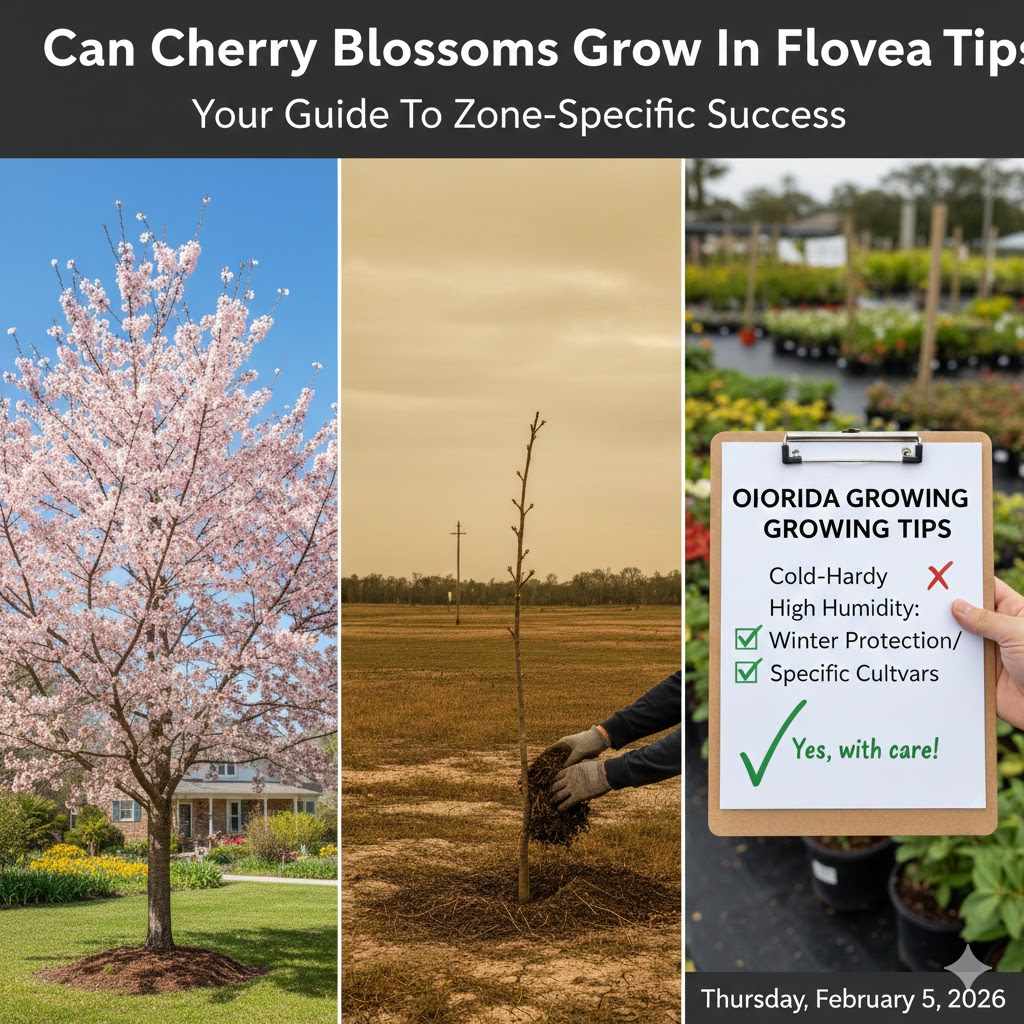
Yes, you absolutely can grow beautiful cherry blossom trees in Oklahoma. The key is choosing a heat-tolerant and cold-hardy variety like Yoshino or Kwanzan. With the right planting location, proper soil preparation, and consistent watering to handle the summer heat, you can enjoy those stunning spring blooms right in your own backyard.
Have you ever dreamed of having those famous, fluffy pink and white blooms in your yard? Many people think cherry blossoms are only for places like Washington, D.C. or Japan. It’s easy to wonder if they can handle Oklahoma’s unique weather. Our summers get hot, and our winters can bring surprise freezes.
But I’m here to tell you that it’s a project you can absolutely tackle. Don’t let the weather scare you off. Growing a cherry blossom tree is a rewarding DIY project, much like building your first piece of furniture. It just takes a little know-how and the right plan.
In this guide, I’ll walk you through everything, step-by-step. We’ll cover picking the perfect tree for our state, how to plant it for success, and how to care for it through the seasons. Let’s get started and bring that beautiful spring magic to your Oklahoma home.
The straight answer is yes! But it’s not quite as simple as putting any tree in the ground and hoping for the best. Oklahoma’s climate presents a few challenges, but they are challenges we can easily overcome with the right knowledge. Think of it as choosing the right wood for an outdoor project—you need something that can stand up to the elements.
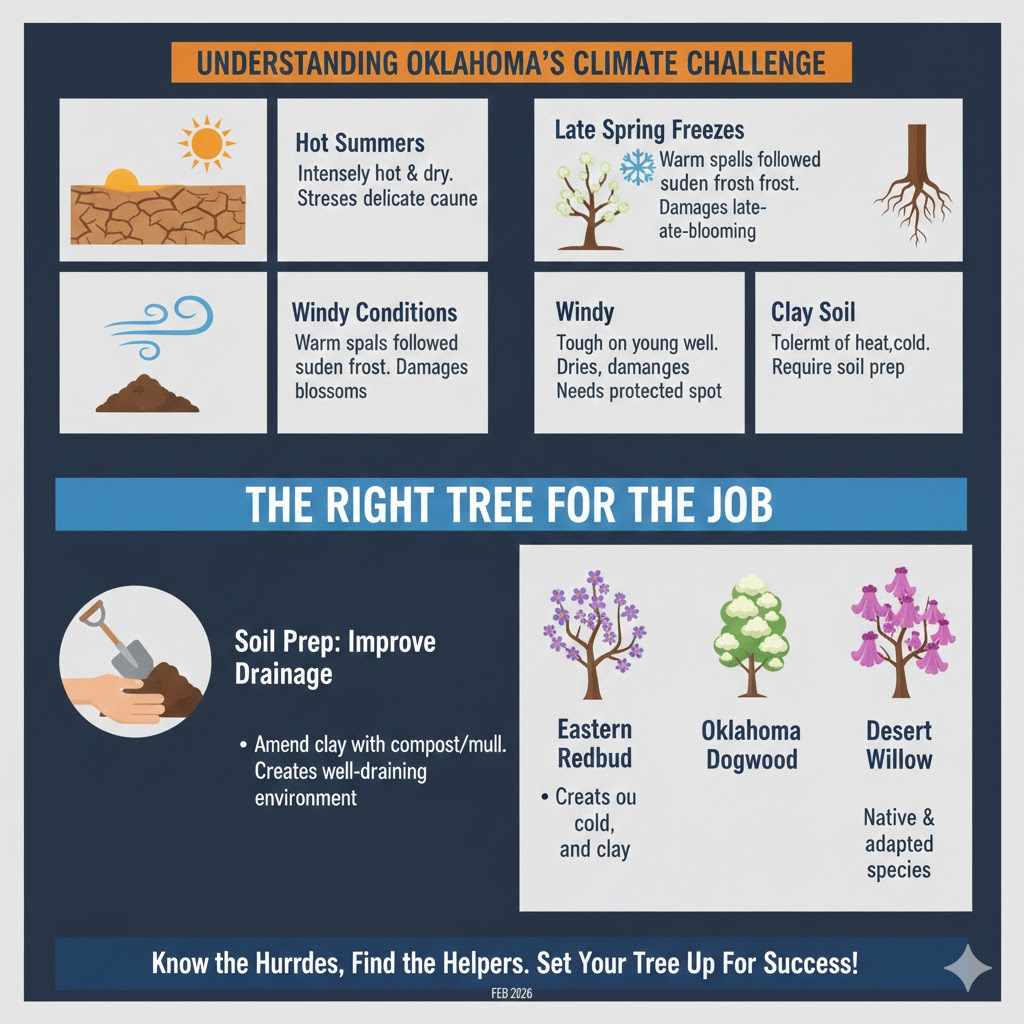
Understanding Oklahoma’s Climate Challenge
Before we grab a shovel, let’s quickly look at what makes Oklahoma tricky for some plants. This will help you understand why the next steps are so important.
- Hot Summers: Oklahoma summers can be intensely hot and dry. Many delicate flowering trees can get stressed, so we need to choose varieties that are tougher and provide them with plenty of water.
- Late Spring Freezes: Sometimes, we get a beautiful warm spell in early spring that encourages buds to open, only to be hit by a sudden frost. This can damage the delicate blossoms. Choosing a variety that blooms a little later can help.
- Windy Conditions: The wind across the plains can be tough on young trees, drying them out and potentially damaging branches. A protected planting spot is a huge help.
- Clay Soil: Much of Oklahoma has heavy clay soil. This type of soil doesn’t drain well, and tree roots can “drown” if they sit in water. We’ll need to prepare the soil to make it friendlier for our new tree.
Knowing these hurdles is the first step to success. Now, let’s find the right tree for the job.
Choosing the Best Cherry Blossom Trees for Oklahoma
This is the most important step! Not all cherry blossom trees are created equal. Some can handle the heat and cold swings of the Midwest much better than others. Oklahoma falls mainly into USDA Hardiness Zones 6b, 7a, and 7b. You need a tree rated for these zones.
Here are the top performers that have proven themselves in climates like ours:
Top 3 Recommended Varieties
- Yoshino Cherry (Prunus yedoensis): This is the famous variety you see in Washington, D.C. It’s surprisingly tough! It produces clouds of beautiful white-pink flowers. It’s a fast grower and can handle the heat once it’s established.
- Kwanzan Cherry (Prunus ‘Kanzan’): If you want show-stopping, fluffy, deep pink double blooms, the Kwanzan is for you. It’s one of the hardiest varieties available and its blossoms often appear a bit later, which can help them avoid a late frost.
- Okame Cherry (Prunus ‘Okame’): This is a fantastic choice for Oklahoma because it’s known for being very heat and cold tolerant. It blooms earlier than the others with vibrant, rose-pink flowers. It’s also a smaller tree, making it great for yards with less space.
Cherry Blossom Variety Comparison Table
To make it even easier, here’s a simple chart to help you compare the best options for your Oklahoma garden.
| Variety Name | USDA Hardiness Zone | Mature Size (H x W) | Bloom Color | Key Benefit for Oklahoma |
|---|---|---|---|---|
| Yoshino Cherry | 5-8 | 30-40 ft x 30-40 ft | White to pale pink | Good heat tolerance once established; classic look. |
| Kwanzan Cherry | 5-9 | 30-40 ft x 30-40 ft | Deep, fluffy pink | Very cold hardy; later bloom time can miss frosts. |
| Okame Cherry | 6-9 | 20-25 ft x 20-25 ft | Vibrant rose-pink | Excellent heat tolerance; smaller size fits more yards. |
How to Plant Your Cherry Blossom Tree: A Step-by-Step Guide
Once you’ve chosen your tree, it’s time for the fun part: planting! The best time to plant in Oklahoma is in the fall. This gives the tree’s roots time to get established over the winter before the stress of summer heat arrives. Early spring, after the last hard frost, is the second-best option.
Follow these simple steps, just like you would follow a project plan in the workshop. Do it right once, and you’ll enjoy the results for years.
Step 1: Pick the Perfect Spot
Location is everything. Look for a spot in your yard that gets at least 6 hours of full sun per day. Also, consider giving your tree some protection from strong southern or northern winds. Planting on the east side of your house can be a great option, as it gets morning sun and some afternoon shade and shelter.
Step 2: Prepare the Soil
Remember that heavy Oklahoma clay? We need to help it out. Good drainage is non-negotiable. Start by digging a hole that is twice as wide as the tree’s root ball, but no deeper. We want the tree to sit at the same level it was in the pot, or even slightly higher.
Mix the soil you dug out of the hole with an equal amount of organic compost. This will break up the clay, add vital nutrients, and improve drainage. This is one of the best things you can do to ensure your tree thrives.
Step 3: Place Your Tree
Gently remove the tree from its container. If the roots are tightly wound in a circle (called root-bound), use your fingers or a small trowel to gently loosen them. Don’t be afraid to score the outside of the root ball with a knife in a few places if it’s really tight. This encourages the roots to grow outward into the new soil.
Place the tree in the center of the hole. Use a shovel handle or a straight stick laid across the hole to make sure the top of the root ball is level with or just slightly above the surrounding ground. Planting too deep is a common mistake that can harm the tree.
Step 4: Backfill and Water
Start filling the hole with the soil-compost mixture you created. Add a few inches of soil, then gently water it to help it settle and remove any air pockets. Continue this process until the hole is completely filled. Build a small mound of soil, like a donut, around the edge of the planting hole. This creates a basin that will hold water and direct it straight to the roots.
Give your newly planted tree a long, deep drink of water—at least 10 gallons. Let it soak in slowly.
Step 5: Add a Layer of Mulch
Mulching is a game-changer, especially in our climate. Apply a 2-3 inch layer of organic mulch (like hardwood mulch or pine bark) around the base of the tree. Extend it out to the edge of where you dug, but—and this is very important—do not let the mulch touch the trunk of the tree. Leave a few inches of space around the trunk to prevent rot and disease. Mulch helps hold moisture in the soil, keeps the roots cool in summer, and prevents weeds.
Caring for Your Oklahoma Cherry Blossom Tree
Planting is just the beginning. A little bit of ongoing care will ensure your tree grows strong and produces those beautiful blooms you’re waiting for. The good news is that these trees are pretty low-maintenance once they get settled in.
Watering: The Key to Summer Survival
For the first year, your tree will be thirsty as it establishes its root system. This is especially true during our hot, dry summers.
- First Year: Plan to give your tree a deep watering once a week, especially from May through September. A slow trickle from a hose for 30 minutes is better than a quick spray. Check the soil first; if it’s still damp a few inches down, you can wait another day or two.
- After Establishment: After the first year or two, you’ll only need to water during long dry spells. A healthy, established cherry tree is surprisingly drought-tolerant.
Fertilizing: Less is More
It’s easy to think more food means more flowers, but that’s not always true. Cherry blossom trees don’t need a lot of fertilizer.
- First Year: Do not fertilize your tree in its first year. Let it focus on growing strong roots. The compost you added during planting is plenty.
- Subsequent Years: If your tree seems to be growing well and has healthy leaves, you may not need to fertilize at all. If growth seems slow, you can apply a slow-release, balanced fertilizer (like a 10-10-10) in early spring, right before new growth starts. Always follow the package directions.
Pruning for Health and Shape
Pruning is like simple maintenance in the workshop. It keeps things clean, healthy, and looking good. The best time to prune a flowering cherry is right after it finishes blooming in the spring. If you prune in the fall or winter, you risk cutting off the buds that will become next year’s flowers.
Focus on removing:
- Any branches that are dead, damaged, or diseased.
- Branches that are crossing over and rubbing against each other.
- Suckers that grow up from the base of the trunk.
Your goal is to open up the canopy to allow good air circulation, which helps prevent disease.
For great general advice on tree selection and care in our state, the Oklahoma State University Extension is an excellent resource for any DIY homeowner.
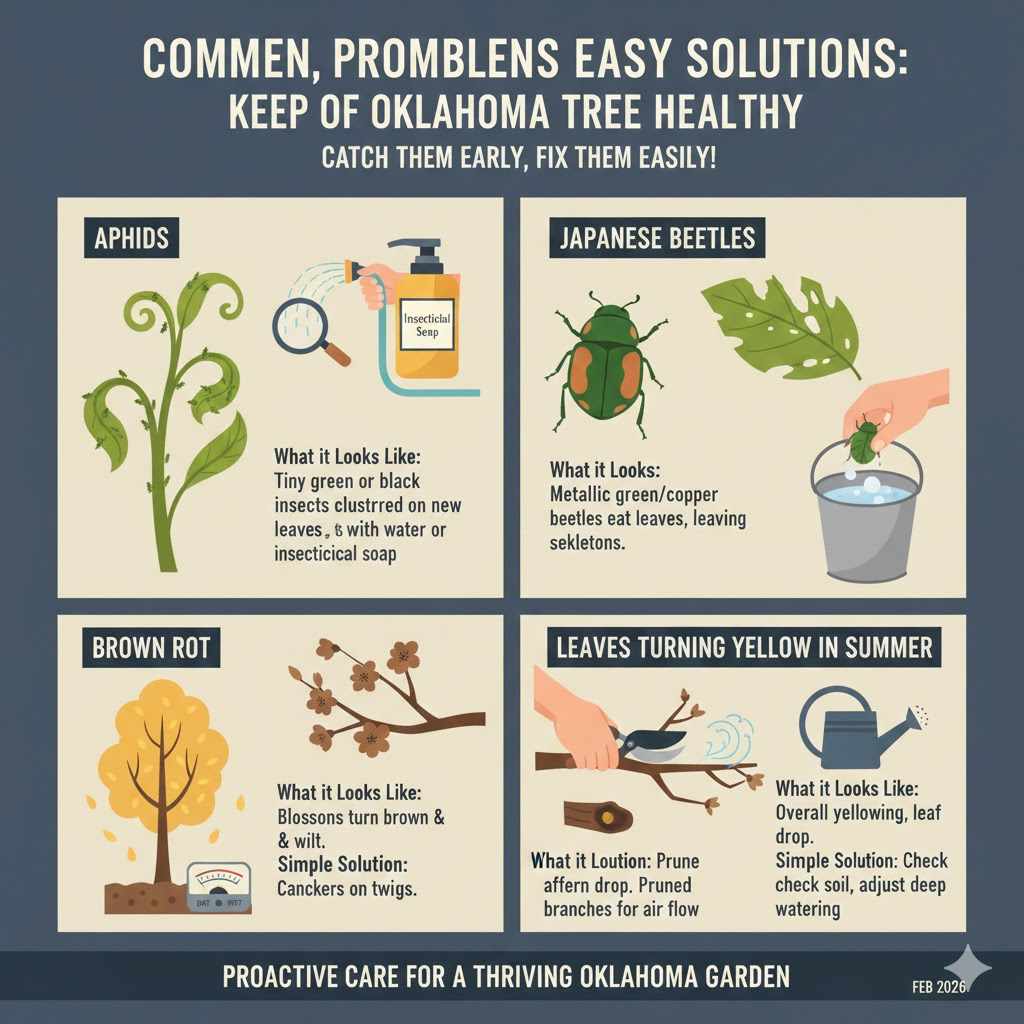
Common Problems and Easy Solutions
Every project has its little hiccups. Here are a few things to watch for with your cherry tree. Catching them early makes them easy to fix.
| Problem | What it Looks Like | Simple Solution |
|---|---|---|
| Aphids | Tiny green or black insects clustered on new leaves and stems. Leaves may look curled or sticky. | A strong spray of water from the hose can knock them off. For bigger problems, use insecticidal soap, which is safe for the tree. |
| Japanese Beetles | Metallic green and copper beetles that eat leaves, leaving them looking like skeletons. | The easiest, most effective method for a few beetles is to hand-pick them in the morning and drop them into a bucket of soapy water. |
| Brown Rot | Blossoms turn brown and wilt suddenly. Small cankers (sunken areas) may appear on twigs. | Prune out and destroy any affected branches as soon as you see them. Good air circulation from proper pruning helps prevent this. |
| Leaves Turning Yellow in Summer | Overall yellowing of leaves, often with some leaf drop. | This is most often a sign of water stress—either too little or too much. Check the soil moisture a few inches down. Adjust your watering schedule to be deep and consistent, but allow the soil to dry out slightly between waterings. |
Frequently Asked Questions (FAQ)
How long does it take for a cherry blossom tree to bloom?
Patience is key! Most newly planted cherry trees will take about 2 to 3 years to start producing a good show of flowers. In the first year, the tree is focusing all its energy on establishing a strong root system. By year three or four, you should be rewarded with a beautiful spring display.
Are cherry blossom trees messy?
They can be, but most people feel it’s worth it. For about two weeks in the spring, the tree will drop its petals, creating a beautiful pink or white carpet on the ground. This is easy to rake up or simply mow over. Ornamental cherry trees, like the ones we’ve discussed, do not produce edible fruit, so you won’t have to worry about messy cherries dropping all summer.
Can I grow a cherry blossom tree in a large pot?
For a short time, yes, but it’s not a long-term solution. A smaller variety like the Okame might survive in a very large container (like a half-whiskey barrel) for a few years. However, trees are happiest in the ground where their roots can spread out. Growing in a pot in Oklahoma’s heat is also very challenging, as the container will dry out extremely fast.
Do I need to spray my tree for pests and diseases?
Not usually. The best defense is a healthy tree. By choosing a strong variety, planting it in the right spot with good soil, and giving it proper water, you prevent most problems before they start. Only treat a problem if you see one, and always start with the gentlest method first (like a spray of water for aphids).
What is the difference between a flowering cherry and a fruiting cherry tree?
This is a great question! They are related, but bred for different purposes. Flowering (or ornamental) cherry trees are grown for their beautiful spring blossoms. They produce small, insignificant fruits that are not for eating. Fruiting cherry trees (like Bing or Rainier) are grown specifically for their delicious fruit; their flowers are much less showy.
How much do cherry blossom trees cost in Oklahoma?
The cost can vary depending on the size and variety. You can expect to pay anywhere from $50 for a small, young tree in a 3-gallon pot to $200 or more for a larger, more mature tree from a local nursery. Starting with a smaller, more affordable tree is a great way to go for beginners.
Your Beautiful Oklahoma Garden Awaits
There you have it. Growing a cherry blossom tree in Oklahoma is not just possible—it’s a wonderful and achievable project for any homeowner. It’s about understanding our local conditions and making smart choices from the very beginning. By selecting a tough variety like a Yoshino or Kwanzan, giving it a sunny spot with well-prepared soil, and keeping it watered through its first couple of summers, you are setting yourself up for success.
Imagine a few years from now, stepping outside on a warm spring day to see your very own tree covered in a cloud of delicate pink or white blossoms. It’s a beautiful sight that will bring you joy and a sense of accomplishment year after year. Like any good DIY project, it’s a little bit of work upfront for a massive payoff that enhances your home. So go ahead, pick out your tree, and get ready to bring a touch of that world-famous spring beauty right to your Oklahoma backyard.