How Much Is Black Cherry Wood Worth? ($6-$14/Board Ft, 2026)
Black cherry lumber sells for $6 to $14 per board foot in 2026, depending on thickness, grade, and region — Pennsylvania and New York stock commands the top end, while rough-sawn boards from Midwest mills run $4 to $8. Paying premium prices for the wrong grade wastes money on figure you will cut away. This guide covers pricing by grade and thickness, what a standing cherry tree is worth as logs, and how to calculate board footage yourself.
What Determines Black Cherry Wood’s Price?
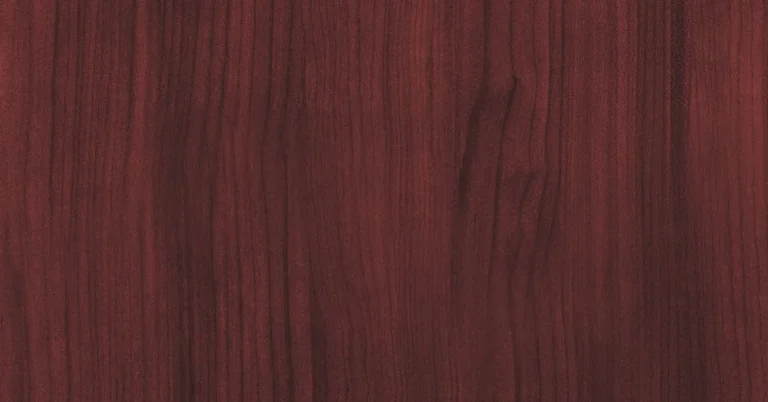
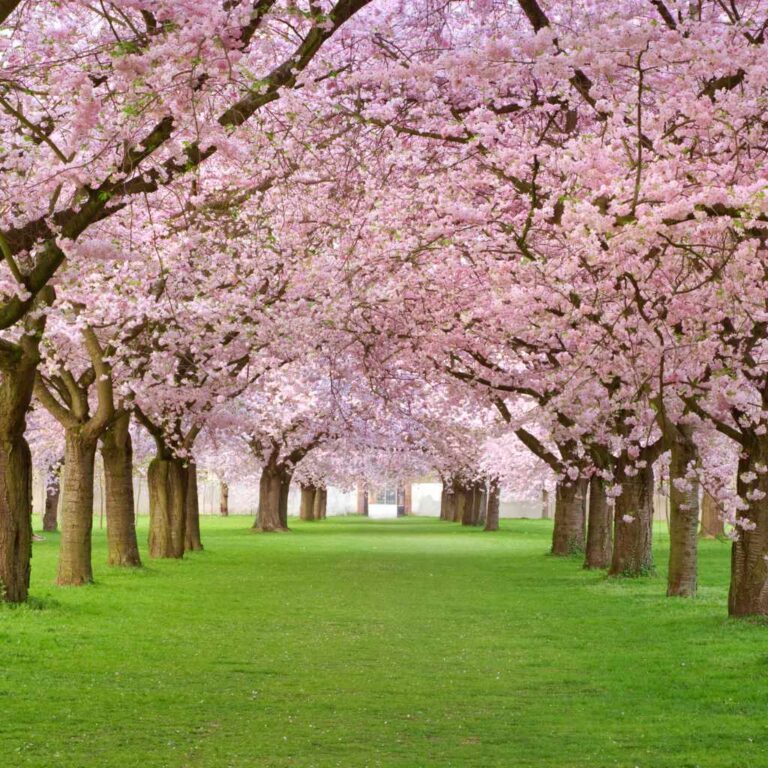
Black cherry (Prunus serotina) is a domestic hardwood valued for reddish-brown heartwood that deepens with light exposure, a fine straight grain, and strong workability. It is a true timber species — not the same tree as the ornamental flowering chokecherry or Japanese flowering cherry, neither of which is milled for lumber.
Four factors move the price of black cherry lumber more than any others:
- Grade — FAS (clear, wide boards) costs the most; No. 1 Common, with more knots and shorter clear sections, costs the least.
- Thickness — lumber is sold by the quarter-inch (4/4, 6/4, 8/4). Thicker stock costs more per board foot because a log yields fewer thick boards.
- Moisture content — kiln-dried boards cost more than air-dried or green wood because drying removes weight and risk of warping after purchase.
- Region — Pennsylvania and New York cherry typically commands a premium over cherry from other regions, and Midwest suppliers have priced 8–12% below coastal markets in early 2026.
On moisture specifically: Ohio Timber Works’ black cherry lumber fact sheet notes the mill kiln-dries its black cherry boards to 6–8% moisture content before sale — the range most furniture and cabinet shops consider safe for indoor work. Buying wood above that range, even at a discount, risks cupping or splitting once it equalizes indoors.
📊 The 2025–2026 season saw a moderate 3–5% price increase for cherry lumber compared to the prior year, driven by sustainable-harvesting regulations, transportation costs, and rising demand from the custom furniture sector — Source: Custom Wood Quote, 2026 Hardwood Pricing Guide.
Black Cherry Lumber Price by Grade and Thickness (2026)
Real listed prices vary by dealer, but the ranges below reflect current 2026 market pricing for surfaced and rough-sawn black cherry.
| Form / Thickness | Typical Price per Board Foot |
|---|---|
| Rough-sawn, mill-direct | $4 – $8 |
| Surfaced (S2S), hardwood dealer | $6 – $11 |
| 6/4 surfaced (dealer-quoted example) | $5.40 |
| 8/4 surfaced (dealer-quoted example) | $6.40 |
| Premium figured PA/NY stock | up to $14 |
Best Wood Moisture Meter Pick
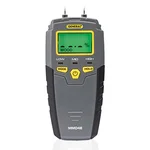 |
General Tools MMD4E Moisture Meter – $39.98 Before paying premium prices for “kiln-dried” black cherry, verify it yourself — properly dried boards should read 6–8% on this meter, the same range mills target before selling.
|
How Much Is a Standing Black Cherry Tree Worth?
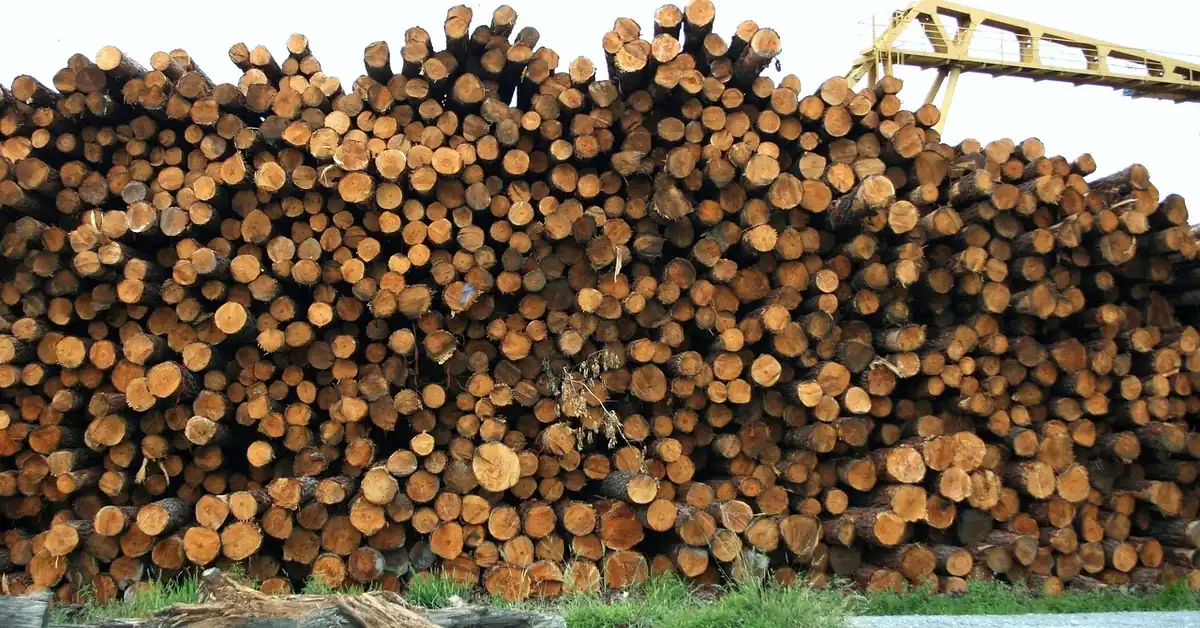
Before it becomes lumber, black cherry is sold as logs by the thousand board feet (MBF), Doyle scale. Current Kentucky log prices for black cherry range from $110 to $610 per MBF Doyle, depending on log diameter, length, and how few defects (knots, rot, sweep) it has. A log at the top of that range is typically a veneer-grade, defect-free log 16+ inches in diameter.
Sawn and kiln-dried lumber sells for several times more per board foot than the log did — sawing, drying, and grading all add cost on top of the raw log price. That gap is why a landowner with a single large cherry tree on their property is usually looking at a few hundred dollars from a timber buyer, not the retail lumber price multiplied by the tree’s board footage.
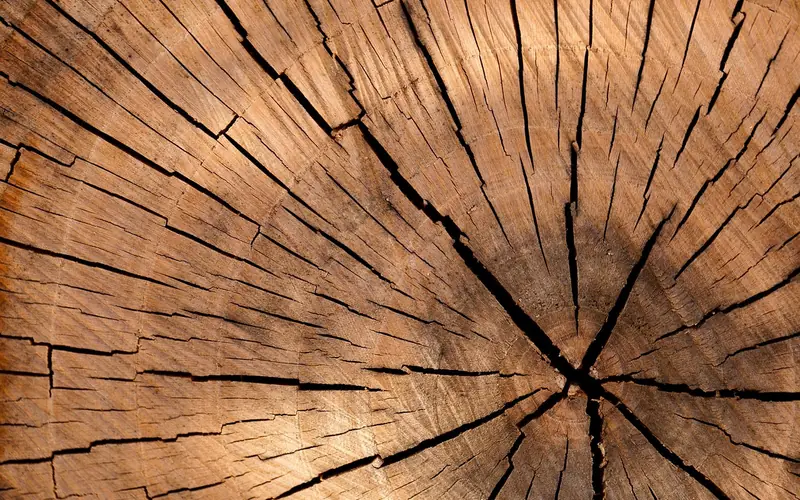
If you’re assessing a standing tree yourself, a hardness or moisture check on any exposed cut or borer damage can flag rot before a buyer does — catching it early protects your negotiating position instead of finding out after a low offer.
Black Cherry vs. Oak vs. Maple: Price Comparison
Black cherry costs more than red oak or hard maple because supply is more limited and demand from furniture makers is steady. It is not the most expensive domestic hardwood — walnut generally costs more — but it sits above the common utility hardwoods.
| Wood Type | Average Cost (per board foot) | Best For |
|---|---|---|
| Black Cherry | $6 – $14 | Fine furniture, cabinetry, musical instruments |
| Oak | $3 – $8 | Flooring, structural furniture, budget projects |
| Maple | $5 – $10 | Cutting boards, cabinetry, high-wear surfaces |
For a full hardness, price, and aging comparison against cherry’s closer competitor, see walnut vs. cherry wood. If budget is the deciding factor rather than appearance, the cheapest hardwood lumber to buy covers oak, poplar, and soft maple in more depth.
How to Calculate Board Feet and Estimate Your Wood’s Value
A board foot equals a piece of wood 12 inches long, 12 inches wide, and 1 inch thick. Use this formula, then multiply the result by the current price per board foot for your grade.
- Measure thickness: measure the board’s actual thickness in inches, rounding rough-sawn lumber up to the nearest quarter-inch (4/4, 6/4, 8/4).
- Measure width: measure the width in inches at the narrowest point of the board.
- Measure length: measure the length in feet (or inches, then convert).
- Calculate board feet: multiply thickness (inches) × width (inches) × length (feet), then divide by 12.
- Apply the price: multiply your total board feet by the per-board-foot price for that grade to get the piece’s value.
Example: an 8/4 (2-inch actual) board, 8 inches wide, 6 feet long: 2 × 8 × 6 ÷ 12 = 8 board feet. At $6.40 per board foot for surfaced 8/4 cherry, that single board is worth roughly $51.
Where to Buy Black Cherry Wood
Local hardwood dealers and lumber yards typically carry black cherry in multiple thicknesses and let you hand-select boards for grain and color match. Online retailers, including specialty hardwood sellers and general marketplaces like Amazon and Home Depot, ship pre-surfaced boards when a local source isn’t available — useful for smaller projects where selecting boards in person matters less.
Compare prices across at least two or three sources before buying in quantity, and confirm the grade and moisture content in writing — a dealer quoting a below-market price on “kiln-dried” cherry is worth double-checking with your own moisture meter on delivery.
Is Investing in Black Cherry Wood Worth It?
Demand for FSC- and PEFC-certified black cherry has grown as furniture buyers increasingly ask about sourcing, and certified stock typically commands a modest premium over uncertified lumber from the same mill. Combined with the 3–5% year-over-year price increase noted above, black cherry has trended upward rather than flat over the past several seasons.
That trend doesn’t guarantee future gains — lumber pricing tracks housing starts, furniture demand, and regional supply as much as any single species’ popularity. For a woodworker buying to build rather than speculate, the practical takeaway is simpler: buy the grade your project actually needs, verify moisture content before you commit, and expect to pay somewhat more each year rather than less.
Frequently Asked Questions
How Much Does Black Cherry Wood Cost?
Black cherry lumber typically costs $6 to $14 per board foot in 2026, depending on grade, thickness, and region. Rough-sawn mill-direct stock runs closer to $4 to $8 per board foot, while surfaced dealer stock and premium Pennsylvania or New York figured boards sit at the top of the range.
Is Black Cherry Wood Valuable?
Yes. Black cherry is considered one of the more valuable domestic hardwoods due to its rich color, fine grain, and steady demand from furniture and cabinet makers. It costs more than oak or maple, though generally less than black walnut.
What Affects The Price Of Black Cherry Wood?
Grade, thickness, moisture content, and region are the four biggest factors. FAS-grade, thicker (8/4), properly kiln-dried, Pennsylvania or New York cherry sits at the top of the price range; lower-grade, thinner, rough-sawn stock from other regions costs less.
Where Can I Buy Black Cherry Wood?
You can buy black cherry from local hardwood dealers and lumberyards, specialty online lumber retailers, and general marketplaces like Amazon and Home Depot. Local dealers let you hand-select boards; online retailers are more convenient for smaller orders when no local source carries it.
How Much Is A Black Cherry Log Worth Per Thousand Board Feet?
Standing or felled black cherry logs currently sell for roughly $110 to $610 per MBF (thousand board feet) Doyle scale, based on recent Kentucky log market data. Price depends heavily on log diameter, length, and defects — a large, clear, veneer-grade log commands the top of that range.
Is Black Cherry Wood More Expensive Than Walnut?
No, black walnut typically costs more per board foot than black cherry, largely due to walnut’s darker heartwood and even higher demand. Cherry remains a step up in price from oak or maple, but it is not the most expensive common domestic hardwood.
Does Moisture Content Affect Black Cherry Lumber Price?
Yes. Properly kiln-dried cherry (around 6–8% moisture) costs more than green or air-dried stock because drying removes weight and reduces the risk of warping or splitting after purchase. A moisture meter reading on delivery is the fastest way to confirm you’re getting what you paid for.
Before you pay a premium price (or sell a board as cherry), confirm the species itself — see our guide on how to identify cherry wood for the color, smell, weight, and grain tests that separate real cherry from cherry-stained substitutes.
Conclusion
Black cherry wood is worth $6 to $14 per board foot as finished lumber in 2026, with grade, thickness, moisture content, and region driving most of the spread. Standing trees are worth far less per board foot than the finished lumber they become, since sawing, drying, and grading add most of the value. Calculate your actual board footage, confirm the grade and moisture content before you pay, and you’ll know exactly what your black cherry wood is worth.
Sponsored / affiliate links. As an Amazon Associate I earn from qualifying purchases. I may earn additional commission from eligible campaigns.