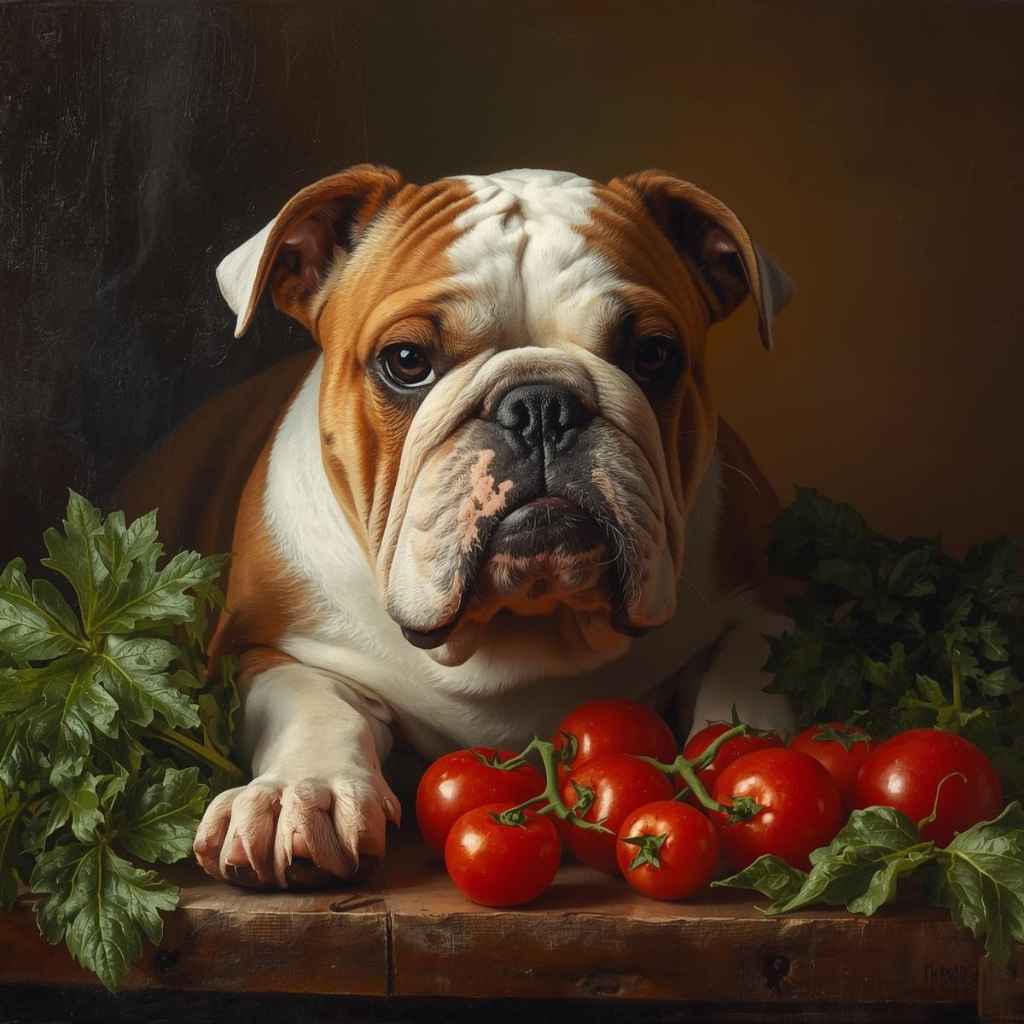
Can Dogs Have Cherry Tomatoes? What Every Owner Must Know
While dogs can technically eat cherry tomatoes in small amounts, it’s not a simple yes or no answer. The key lies in the preparation, the quantity, and understanding the potential risks involved, especially concerning unripe tomatoes and certain dogs. Always introduce new foods slowly and watch for any adverse reactions.
Understanding Cherry Tomatoes and Dogs
Cherry tomatoes are small, round, and typically sweet. They belong to the nightshade family, a group of plants that includes potatoes, peppers, and eggplants. For humans, ripe tomatoes are generally safe and even beneficial, packed with vitamins and antioxidants. But what about dogs? Their digestive systems are different from ours.
The main concern with tomatoes, and specifically cherry tomatoes, for dogs revolves around a compound called solanine. Solanine is a glycoalkaloid found in several plants, including those in the nightshade family. In large amounts, solanine can be toxic to dogs, causing gastrointestinal upset, drowsiness, and even more serious neurological issues.
However, it’s important to understand where solanine is most concentrated. It’s primarily found in the green parts of the tomato plant: the stems, leaves, and the unripe, green fruit. Ripe red cherry tomatoes contain very low, generally harmless amounts of solanine. This is why the distinction between ripe and unripe is so crucial.
Solanine Levels Explained
Think of solanine like a dimmer switch. On the dimmer, it’s set very low for ripe, red tomatoes. It’s turned up higher in green, unripe tomatoes. The stems and leaves of the tomato plant are where the dimmer is turned all the way up.
If your dog were to nibble on your tomato plants in the garden, that’s a bigger concern. The leaves and stems have much higher solanine levels. Eating a whole, large quantity of these green parts could indeed cause problems.
But a ripe cherry tomato? The solanine is so minimal it’s unlikely to cause harm to most dogs. Still, moderation is key. Too much of even a safe food can lead to digestive upset.
My Own Cherry Tomato Scare
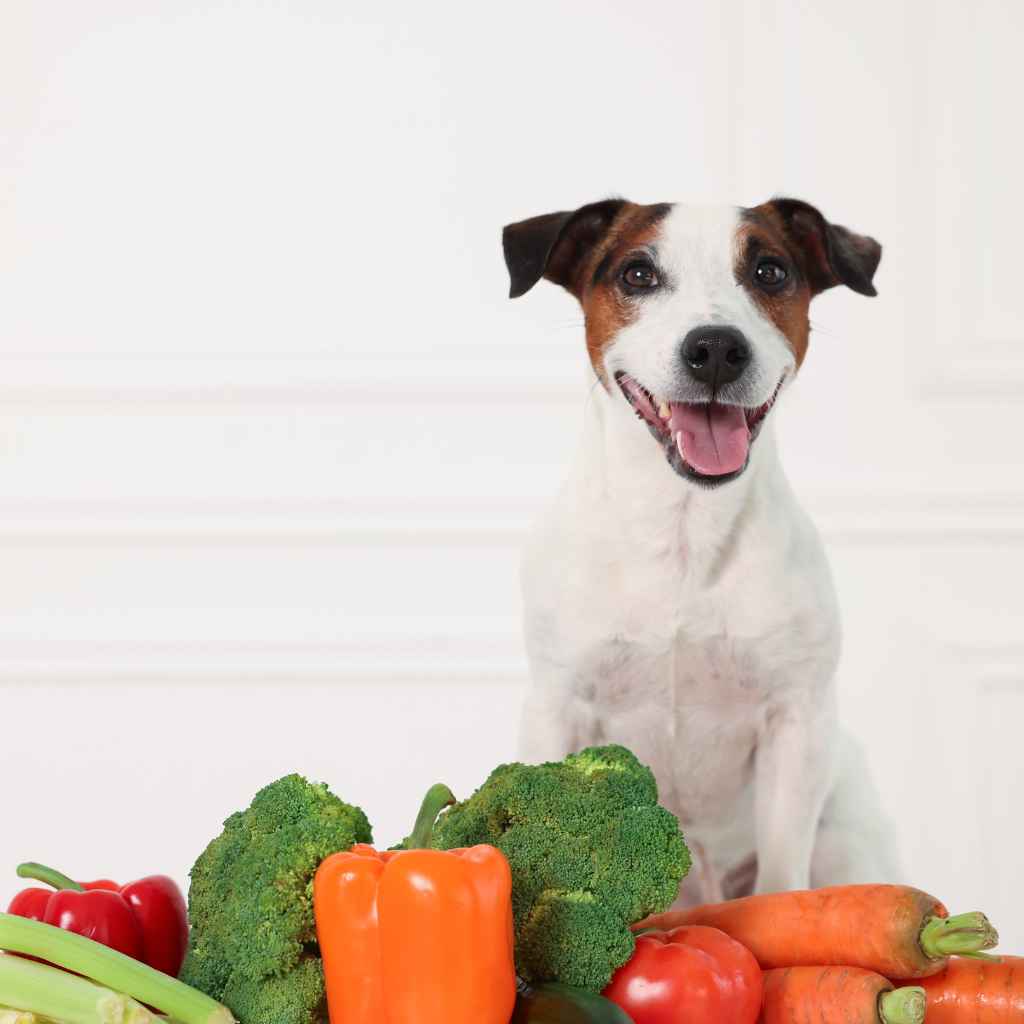
I remember one summer afternoon vividly. I was potting some new herbs on my patio, and a small, very ripe cherry tomato had fallen from a pot nearby. My golden retriever, Buster, a notorious foodie, snatched it up before I could even react. My heart jumped into my throat. I instantly pictured him with solanine poisoning.
My mind raced. Was it ripe? Yes, it was bright red. Had he eaten the stem? No, it looked like he just got the tomato itself. I quickly Googled “dog ate cherry tomato” and started seeing a mix of “yes, it’s fine” and “absolutely not!” That panic moment made me realize how much confusion there is.
I watched Buster like a hawk for the next 24 hours. He seemed perfectly normal – chasing squirrels, begging for treats, and napping. But that scare taught me a valuable lesson: always know for sure what your dog is eating and how it’s prepared. It pushed me to really dig into the facts about what’s safe and what’s not when it comes to our furry friends and human food.
What I Learned That Day
That experience made me realize that fear often outpaces facts. While caution is good, understanding the actual risks is better. For me, it meant learning the difference between the plant and the fruit, and the ripe versus unripe stages. It’s a distinction that can make all the difference for your dog’s well-being.
The Benefits of Ripe Cherry Tomatoes
When prepared correctly and given in moderation, ripe cherry tomatoes can offer some surprising benefits to dogs. They are a good source of vitamins and antioxidants, much like for us.
Vitamins A and C are present, which are important for immune function and skin health. Tomatoes also contain lycopene, a powerful antioxidant that gives them their red color. Lycopene is known for its anti-inflammatory properties.
These nutrients can contribute to a healthy coat and general well-being. However, it’s important to remember that these are supplementary benefits. A balanced dog food diet should always be the primary source of nutrients. Treats like cherry tomatoes should be given as occasional additions.
Nutrient Snapshot for Dogs
Here’s a quick look at what ripe cherry tomatoes offer:
Vitamin C: Helps boost the immune system.
Vitamin A: Good for eyes and skin.
Lycopene: An antioxidant that fights cell damage.
Fiber: Aids digestion.
These are all good things, provided the tomato is ripe and served correctly.
Potential Risks and How to Avoid Them
While ripe red cherry tomatoes are generally safe, there are still risks to be aware of. These mostly come down to how the tomato is presented and the individual dog.
1. Unripe or Green Tomatoes
This is the biggest risk. As mentioned, green, unripe cherry tomatoes contain higher levels of solanine. Even a few unripe tomatoes could cause stomach upset, vomiting, or diarrhea in dogs. If your dog snags one from the garden or a grocery bag, it’s best to discourage them from eating it.
2. The Stems and Leaves
Never let your dog eat the green parts of the tomato plant. These contain the highest concentration of solanine and can be genuinely harmful. If you have tomato plants, make sure they are out of your dog’s reach, especially if they are a curious chewer.
3. Choking Hazard
Cherry tomatoes, while small, can be a choking hazard for some dogs, especially smaller breeds or those who tend to gulp their food. It’s crucial to prepare them in a way that minimizes this risk.
4. Digestive Upset
Even ripe tomatoes can cause tummy trouble if a dog eats too many. Their digestive systems aren’t designed to handle large amounts of fruits or vegetables. Too much fiber or acidity can lead to gas, bloating, or diarrhea.
Avoiding the Pitfalls: A Quick Checklist
1. Ripeness is Key: Always ensure the cherry tomatoes are fully ripe and red.
2. No Green Parts: Never give your dog stems or leaves.
3. Cut Them Up: Slice tomatoes to prevent choking.
4. Small Portions: Offer only a few as occasional treats.
5. Watch Your Dog: Monitor for any new or unusual symptoms.
How to Safely Prepare and Serve Cherry Tomatoes to Your Dog
If you decide to share, preparation is everything. Making them safe for your dog is simple but very important.
Step 1: Choose Ripe Tomatoes
Start with good, ripe cherry tomatoes. They should be firm and bright red. Avoid any that are green or show signs of spoilage.
Step 2: Wash Them Thoroughly
Just like you would for yourself, wash the tomatoes under cool running water to remove any pesticides or dirt.
Step 3: Cut Them Up
This is the most critical step for safety. For any dog, but especially small breeds or fast eaters, cutting the cherry tomatoes is a must. Slice them in half or quarters. This breaks them down into smaller, more manageable pieces, significantly reducing the risk of choking.
Step 4: Offer in Moderation
A few halved cherry tomatoes as an occasional treat is plenty. Don’t let them become a staple in your dog’s diet. Think of them as a small, healthy bonus snack.
Step 5: Introduce Slowly
If your dog has never had cherry tomatoes before, start with just one small piece. Watch for any signs of digestive upset over the next 24 hours. If they tolerate it well, you can gradually increase the amount, always keeping it to a small portion.
Serving Ideas for Your Pup
- As a Training Treat: A small, halved tomato can be a healthy reward during training sessions.
- Mixed with Food: Add a couple of quartered pieces to their regular kibble for a little variety.
- Frozen Delight (Cut First!): In hot weather, cut them up and freeze a few pieces for a cooling, refreshing snack.
When Cherry Tomatoes Might Be a Bad Idea
While ripe tomatoes are usually okay, there are specific situations or types of dogs where you should steer clear.
1. Dogs with Sensitive Stomachs
Some dogs have more sensitive digestive systems than others. If your dog easily gets an upset stomach from new foods, it’s probably best to avoid introducing cherry tomatoes. Stick to treats you know they tolerate well.
2. Dogs Prone to Diarrhea or Vomiting
If your dog already has issues with diarrhea or vomiting, adding a new food, even a seemingly safe one, could exacerbate the problem. It’s better to focus on soothing their current digestive issues first.
3. Dogs Who Eat Plant Material
If your dog is a serial plant-chewer, keep them well away from your tomato plants. The risk of them ingesting the toxic green parts is too high.
4. Allergic Reactions
While rare, any dog can have an allergic reaction to any food. Signs might include itching, swelling, or breathing difficulties. If you notice any of these after giving your dog tomato, stop immediately and consult your vet.
What If My Dog Eats an Unripe Tomato or Plant Part?
If you discover your dog has eaten green cherry tomatoes, stems, or leaves, try not to panic. The severity of symptoms depends on how much they ate and their size.
First, try to remove any remaining green material from their mouth. Then, call your veterinarian. They will likely ask you:
What did your dog eat? (Unripe tomato, leaves, stems?)
How much do you think they ate?
What is your dog’s weight?
What symptoms are they showing?
Your vet might advise you to monitor your dog at home if it was a small amount of unripe fruit. For larger ingestions or ingestion of stems and leaves, they may recommend bringing your dog in for observation or treatment. Symptoms can include:
Upset stomach (vomiting, diarrhea)
Loss of appetite
Lethargy or weakness
Confusion or disorientation
Drowsiness
In severe cases, solanine poisoning can affect heart rate and breathing. This is why prompt veterinary consultation is essential.
My Friend’s Dog and the Tomato Patch
My neighbor, Sarah, once had a similar scare. Her beagle, Max, is incredibly curious and managed to dig under the fence into her neighbor’s garden. He came out with a mouthful of green tomato leaves. Sarah was frantic. She called her vet immediately.
The vet advised her to give Max a small dose of hydrogen peroxide to induce vomiting. It worked, and Max brought up a significant portion of the leaves. Sarah then had to monitor him closely for 24 hours. Thankfully, Max only experienced mild stomach upset and recovered fully. It was a close call that reinforced the danger of those green parts.
Real-World Scenarios and Dog Behavior
Understanding how dogs interact with food can help anticipate problems.
The Garden Grazer
Some dogs are natural foragers. If you have a garden, they might see your tomato plants as a buffet. This is where fencing, supervision, or keeping plants in elevated pots becomes important. Their instinct is to explore and eat, and they don’t always know what’s good for them.
The “Everything Goes” Dog
Then there are the dogs who simply try to eat everything they find. A dropped cherry tomato on the floor, a rogue one in a salad bowl, or even one that falls off the counter during meal prep can be a target. This is where owner vigilance and proactive preparation (like cutting them up) are crucial.
The Picky Eater (Who Still Wants Yours)
Even a dog that’s normally hesitant about new foods might eye your cherry tomatoes with interest because you’re eating them. This desire to mimic their owner is common. It’s up to us to decide what’s safe for them to join in on.
What This Means for Your Dog’s Diet
Adding a small amount of ripe, prepared cherry tomato to your dog’s diet isn’t going to revolutionize their nutrition. It’s more of a treat or a minor dietary addition.
When It’s Normal to See Them Eat Tomatoes
If you’re eating a salad and drop a ripe, halved cherry tomato, and your dog sniffs it up with no ill effects, that’s perfectly normal. If you give them a couple of quartered, ripe ones as a special treat on a hot day, and they enjoy them, that’s also normal. The key is always moderation and correct preparation.
When to Worry About Tomato Consumption
You should worry if:
Your dog eats green tomatoes, stems, or leaves.
Your dog eats a large quantity of even ripe tomatoes.
Your dog shows any signs of illness after eating tomatoes (vomiting, diarrhea, lethargy, etc.).
You have a dog with known severe stomach sensitivities or allergies.
In these cases, contact your veterinarian. They can provide specific advice based on your dog’s individual health.
Quick Tips for Tomato Time
If you’re comfortable giving your dog ripe cherry tomatoes, here are a few easy tips:
Prep ahead: Wash and halve a few at the beginning of the week. Store them in a small container in the fridge.
Portion control: Stick to 2-3 halves per serving, and only give them a few times a week at most.
Observe: Always watch your dog for a few hours after they try a new food.
Don’t force it: If your dog shows no interest, don’t push them to eat tomatoes. There are plenty of other safe and healthy treats.
Frequently Asked Questions About Dogs and Cherry Tomatoes
Can dogs eat cherry tomatoes every day?
No, it’s not recommended for dogs to eat cherry tomatoes every day. They should be treated as an occasional treat. Too much of any one food, even a healthy one, can cause digestive upset or unbalance their overall diet.
Are cherry tomatoes acidic, and will they hurt my dog’s stomach?
Tomatoes are slightly acidic. For most dogs, the small amount in a ripe cherry tomato, especially when given in moderation, is not a problem. However, dogs with very sensitive stomachs might react negatively to the acidity.
What happens if my dog eats the whole cherry tomato without it being cut?
Eating a whole cherry tomato can be a choking hazard for some dogs, especially smaller breeds or those that gulp their food. If it’s a ripe tomato, the solanine content is low. However, the primary risk is choking.
Can puppies eat cherry tomatoes?
Puppies have even more sensitive digestive systems than adult dogs. It’s generally best to introduce new foods, including cherry tomatoes, very cautiously to puppies. Start with an extremely small piece and monitor closely.
Always consult your vet before introducing new treats to a young puppy.
Are all types of tomatoes safe for dogs?
Generally, ripe red tomatoes of any variety (like Roma, Beefsteak, or Cherry) are considered safe in moderation. The main concern is always with unripe green tomatoes and the plant’s stems and leaves, which contain higher levels of solanine.
My dog ate a cherry tomato, and now he seems sleepy. Should I be worried?
Lethargy or sleepiness can be a sign of solanine poisoning, which is more likely if the tomato was unripe or if your dog ate a large quantity of plant material. It’s important to contact your veterinarian immediately to describe the situation and get their professional advice. Don’t wait to see if it gets worse.
The Bottom Line on Dogs and Cherry Tomatoes
Sharing food with our dogs can be a joy, and with cherry tomatoes, it’s possible to do so safely. The key is knowledge and preparation. Stick to ripe, red cherry tomatoes. Always wash them and, most importantly, cut them into smaller pieces to prevent choking. Offer them only as an occasional treat, in very small amounts, and always watch your dog for any signs of distress.
Remember that every dog is an individual. What works for one might not work for another. If you’re ever in doubt, or if your dog shows any adverse reactions, your veterinarian is always the best resource. Enjoy your tomatoes, and let your dog enjoy them too, responsibly!