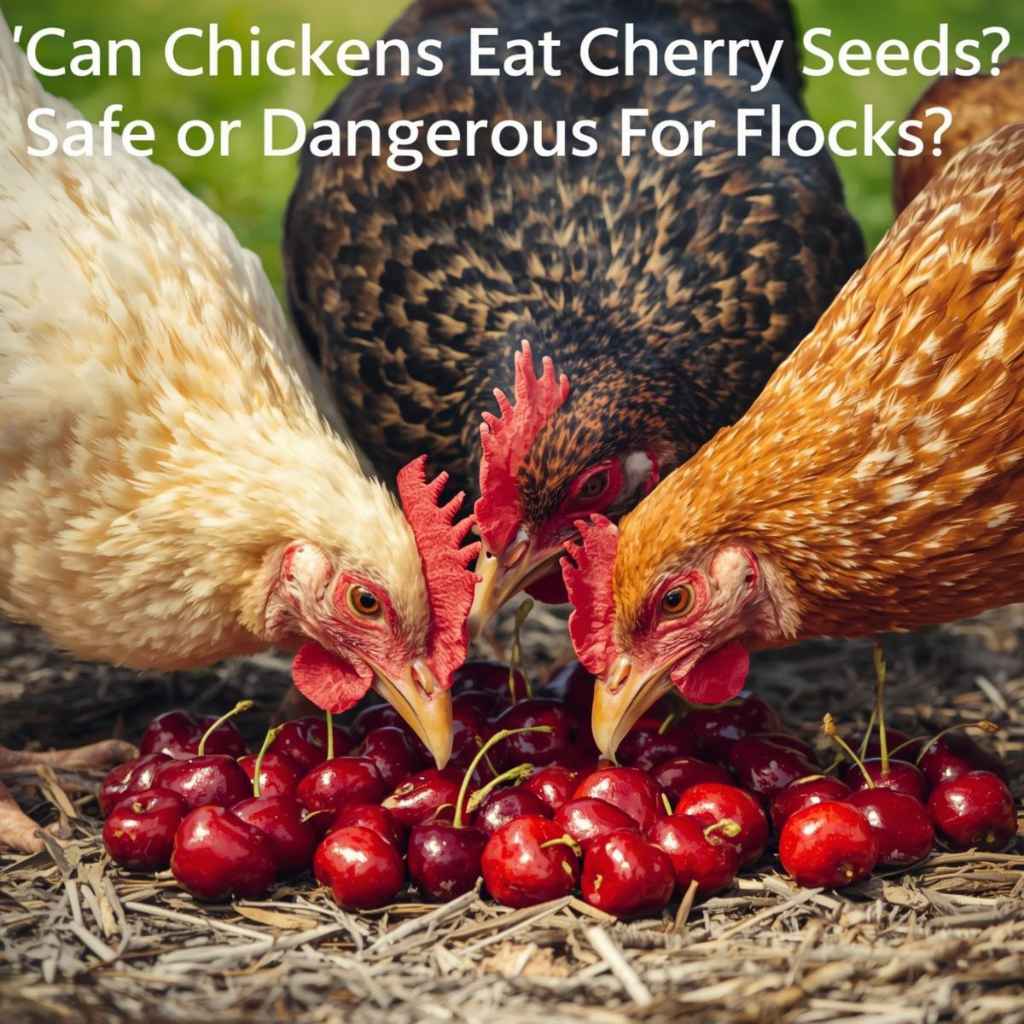
Can Chickens Eat Cherry Seeds? Safe Or Dangerous For Flocks
Chickens should generally avoid eating cherry seeds. While the flesh of cherries is safe and can be a tasty treat in moderation, the seeds contain compounds that can be harmful if consumed in large enough quantities. It’s best to remove the seeds before offering cherries to your flock.
What Are Cherry Seeds and Why the Concern?
Let’s dig into why cherry seeds might be a problem for your chickens. It’s not just about the hard little pit itself. It’s what’s inside that can cause worry.
When we talk about things that are bad for chickens, we often think about things that could be poisonous. And with cherry seeds, there’s a reason for that.
The main concern with cherry seeds, and also the pits of other stone fruits like peaches, plums, and apricots, is a chemical compound called amygdalin. This sounds complicated, but it’s really just a natural substance found in the seeds of these fruits. When the seed is damaged, like when a chicken pecks at it or it gets chewed, this amygdalin can break down.
This breakdown process creates a substance called hydrogen cyanide. Yes, that’s the same cyanide that’s known to be dangerous. In very small amounts, our bodies can handle some things.
But for smaller animals like chickens, even a small amount can be a big deal. The cyanide can interfere with their ability to breathe at a cellular level. It’s like their bodies can’t use oxygen properly anymore.
So, while the flesh of the cherry is usually fine, the seed is where the danger lies. It’s not something you need to panic about if a chicken accidentally swallows one whole and it passes through. The real risk comes when they crack them open and consume the inner kernel.
This is why most experts advise against letting chickens have access to whole cherries with the pits intact.
My Experience: A Close Call with the Cherry Pit
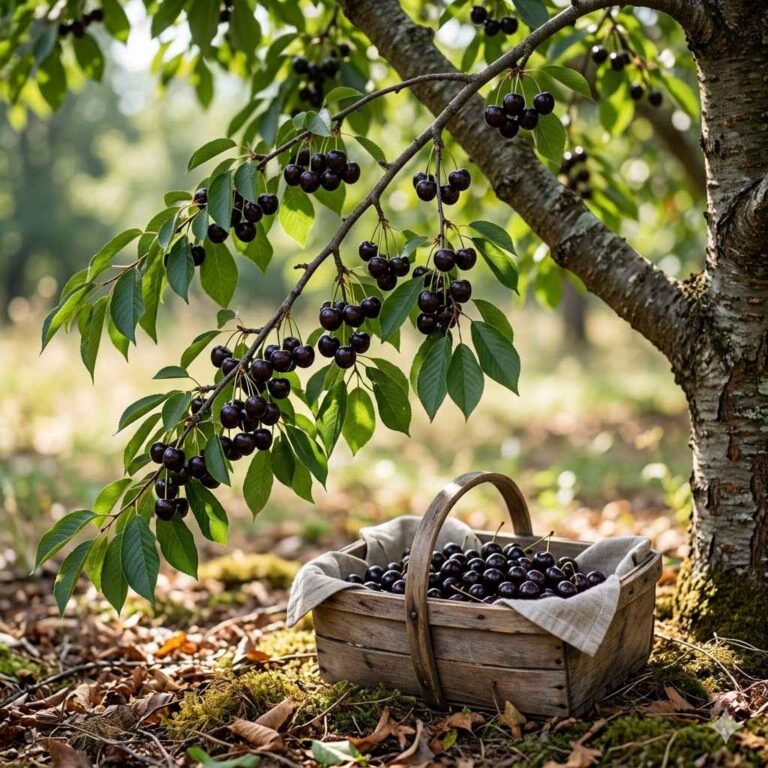
I remember one sweltering July afternoon. The cherry tree in my backyard was absolutely loaded. The fruit was dark red, almost black, and so juicy.
I was picking a basketful for myself, and my flock was watching me from their run, clucking with interest. They always get excited when I bring anything remotely edible out.
I ate a few cherries, spitting the pits out onto the grass, thinking, “Oh, they’ll just peck around those.” It seemed harmless enough at the time. The pits were hard, and I figured they wouldn’t bother with them too much. My mind was on making a quick cherry pie.
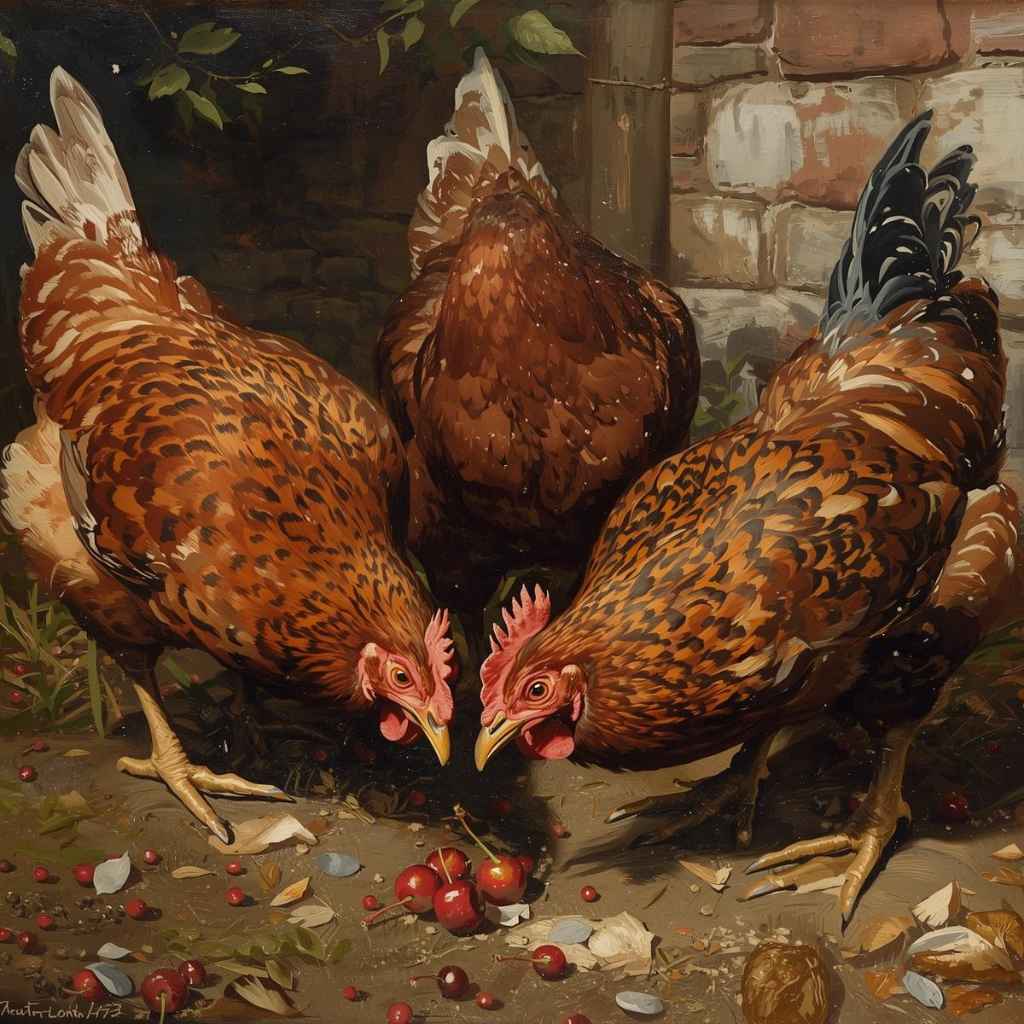
Later that day, I looked over and saw my lead hen, Henrietta, pecking intently at one of the discarded pits.
She was really going at it, trying to break it open. A little jolt of panic went through me. I’d read about the cyanide in cherry seeds before, but I’d dismissed it as something that only happened if they ate a lot.
Seeing her actively trying to crack it open made it real. I rushed over and shooed them away from the area, gathering up all the pits I could find.
Henrietta seemed fine, thankfully. She went back to scratching for bugs. But that moment stuck with me.
It was a vivid reminder that “natural” doesn’t always mean “safe” for our backyard birds. From that day on, I never let them have access to unpitted cherries. It’s a small step that makes a big difference in keeping them safe and healthy.
It really hammered home the importance of being cautious with what we feed our flock.
Cherry Seeds: The Breakdown
What’s Inside? Amygdalin, a compound that turns into cyanide.
How it Happens: When the seed is crushed or chewed.
The Danger: Cyanide can stop cells from using oxygen.
Result for Chickens: Can cause serious health issues or even death if enough is consumed.
Key Takeaway: Remove seeds before feeding cherries to chickens.
Understanding Cherry Toxicity Levels
It’s important to understand that not all exposure to cherry seeds is an instant emergency. The level of risk depends on a few factors. Think of it like this: one tiny sip of something might not hurt you, but a whole glass could.
The same applies to chickens and cherry seeds.
The primary factor is the amount of amygdalin in the seeds. Different varieties of cherries might have slightly different amounts. But the bigger influence is how many seeds the chicken actually consumes and how well they manage to break them open.
A whole, intact seed that passes through the digestive system is unlikely to cause harm.
The danger spikes when a chicken eats several seeds that they have managed to crack open. This releases more of the amygdalin, which then converts to hydrogen cyanide. The chicken’s smaller body size means they are more susceptible to the effects of this toxin than a larger animal or a human.
Symptoms of cyanide poisoning in chickens can include difficulty breathing, weakness, stumbling, and in severe cases, seizures or sudden death. Because these symptoms can sometimes mimic other illnesses, it’s crucial to consider what they might have eaten. If you know they had access to cherry seeds, that’s a major clue.
So, while we don’t want to scare anyone, it’s about being informed. The general consensus among poultry experts and veterinarians is to err on the side of caution. Removing the seeds is the simplest and most effective way to eliminate this potential risk.
It’s a small effort for a lot of peace of mind.
Safe Ways to Offer Cherries (Without the Seeds!)
Now, this doesn’t mean your chickens can never enjoy the sweet, tangy goodness of cherries! The flesh of the cherry is packed with vitamins and antioxidants, which can be a great addition to a chicken’s diet. The key is simply preparation.
You just need to make sure those problematic seeds are out of the picture.
The easiest way to offer cherries is to pit them yourself. This is exactly what you would do if you were eating them or using them in a recipe. You can use a cherry pitter tool, which is fast and efficient, especially if you have a lot of cherries.
Or, you can simply slice the cherries in half and remove the pits by hand.
Once the pits are removed, you can offer the cherries to your chickens as a treat. You can give them whole halves, or chop them up into smaller pieces. Chopping them can make them easier for all the birds to get a piece, especially the smaller or younger ones.
It also helps distribute the treat amongst the flock.
Another great option is to use frozen, pitted cherries. These are often readily available in grocery stores and are already prepared. Just make sure they don’t have any added sugar or other ingredients that wouldn’t be good for chickens.
You can offer them frozen on a warm day, which the chickens seem to enjoy as a cooling treat.
Dried cherries can also be a possibility, but again, you need to check the packaging. Look for unsweetened dried cherries. They should be free of any added sugars or preservatives.
Like all treats, dried cherries should be given in moderation. Too much sugar, even natural sugar, isn’t ideal for their diet.
The key with any treat, including cherries, is moderation. Cherries are high in natural sugars. While they offer some nutrients, they shouldn’t make up a significant portion of your chickens’ daily diet.
Their main food should always be a balanced layer feed. Treats are just that – a little something extra to make their lives more interesting and provide some variety.
Treating Your Flock: Safe Cherry Guidelines
- Prepare First: Always remove the pits from cherries.
- How to Serve: Offer pitted halves or chopped pieces.
- Frozen Option: Unsweetened frozen pitted cherries are great for hot days.
- Dried Option: Unsweetened dried cherries can be a treat, but watch sugar content.
- Moderation is Key: Cherries are a treat, not a staple food.
- Balanced Diet: Ensure their main diet is quality layer feed.
What If My Chicken Ate Cherry Seeds?
If you suspect your chicken has eaten cherry seeds, it’s natural to feel a bit worried. The first thing to do is try to stay calm. Panicking won’t help your chicken.
Take a deep breath and assess the situation.
Did they eat just one seed, or do you think they consumed several? Were the seeds cracked, or do you think they swallowed them whole? Knowing these details can help you gauge the potential risk.
If they ate only one or two seeds whole, they might be perfectly fine. The seed could pass through their system without releasing enough of the harmful compounds to cause problems. Keep a close eye on them over the next 24-48 hours.
Watch for any unusual behavior. Signs of cyanide poisoning can include:
- Lethargy or unusual sleepiness
- Difficulty breathing or rapid breathing
- Loss of balance or stumbling
- Weakness or unsteadiness
- Vomiting (though chickens don’t vomit like mammals, they might regurgitate)
- Convulsions or seizures
If you notice any of these symptoms, it’s time to contact your avian veterinarian immediately. They can provide specific advice and treatment. Be prepared to tell them exactly what you suspect your chicken ate and when.
If you can, and it’s safe to do so, gently try to check your chicken’s crop. Sometimes, if they’ve eaten something indigestible or harmful, it can feel firm or lumpy. However, don’t force anything or cause your chicken stress.
In many cases, if a chicken eats a small amount of the seed and shows no symptoms, they will recover on their own. However, it’s always better to be safe than sorry. If you have any doubt, a call to your vet is the best course of action.
They are the experts and can guide you through the best steps for your specific situation.
In Case of an Incident: What to Do
Observe Closely: Monitor your chicken for any signs of illness.
Note the Amount: Try to estimate how many seeds were eaten.
Look for Symptoms: Watch for breathing issues, weakness, or loss of balance.
Contact Vet: If symptoms appear, call your avian vet right away.
Don’t Wait: Early intervention is key if poisoning is suspected.
Other Fruit Seeds to Be Wary Of
Cherries aren’t the only fruit whose seeds can pose a risk to your flock. It’s helpful to be aware of other common fruits that have potentially toxic seeds or pits. This knowledge helps you make better decisions about what you share with your chickens.
As mentioned before, the seeds of other stone fruits are a concern. This includes:
- Peaches: Peach pits contain amygdalin, just like cherry pits.
- Plums: Plum pits also contain the same dangerous compounds.
- Apricots: Apricot pits are another source of amygdalin.
- Nectarines: Similar to peaches, nectarine pits carry a risk.
For all these fruits, the advice is the same: remove the pit before offering the flesh to your chickens. The fleshy part of these fruits is generally safe and can be a nutritious treat when given in moderation.
Apples are a bit of a mixed bag. The flesh of the apple is perfectly safe and healthy for chickens. However, apple seeds do contain a small amount of amygdalin.
While the amount is much lower than in stone fruit pits, and it would take a very large number of seeds to cause serious harm, it’s still a good practice to remove them.
Many chicken keepers simply core apples and offer the flesh, or chop them up without worrying too much about a few stray seeds. The risk is considered very low. But if you want to be absolutely cautious, you can remove the core with the seeds before giving apple pieces to your flock.
It’s a judgment call based on your comfort level and how many seeds your chickens might realistically consume.
Berries in general are usually safe and nutritious for chickens. Strawberries, blueberries, raspberries, and blackberries are all great options. Their seeds are tiny and soft, posing no threat.
They are packed with vitamins and antioxidants.
Citrus fruits like oranges, lemons, and grapefruits can be given to chickens, but in moderation. The seeds inside are usually small and soft and not a major concern. However, the acidity of citrus can sometimes upset a chicken’s digestive system if they eat too much.
So, offer these as a small treat.
The general rule of thumb for fruits and their seeds or pits is: if it’s a large, hard pit or seed that contains amygdalin, remove it. For smaller, softer seeds found in berries or even a few seeds in an apple, the risk is generally minimal, but caution is always wise.
Beyond Cherries: Other Risky Fruit Seeds
Stone Fruits: Peaches, plums, apricots, nectarines – ALWAYS remove pits.
Apples: Seeds contain a small amount of amygdalin. Risk is low, but removing cores is safest.
Berries: Strawberries, blueberries, raspberries – seeds are safe.
Citrus: Seeds are usually safe, but offer fruit in moderation due to acidity.
General Rule: Avoid large, hard pits and seeds of stone fruits.
The Nutritional Benefits of Cherries (for Chickens!)
Now that we’ve covered the safety aspects, let’s talk about why cherries, once properly prepared, can be a fantastic treat for your flock! They are more than just a tasty snack; they offer some good nutritional value.
Cherries are a good source of vitamins, particularly Vitamin C. While chickens produce their own Vitamin C, an extra boost can be beneficial, especially during times of stress or illness. Vitamin C acts as an antioxidant and supports the immune system.
They also contain Vitamin A, which is crucial for vision, growth, and immune function in chickens. A healthy dose of Vitamin A can contribute to a more robust flock.
Beyond vitamins, cherries contain antioxidants like anthocyanins. These are the compounds that give cherries their vibrant red and purple colors. Antioxidants help protect the body’s cells from damage caused by free radicals.
This can contribute to overall health and well-being for your chickens, potentially leading to a longer, healthier life.
Cherries also provide some dietary fiber, which is good for a chicken’s digestive system. Fiber helps keep things moving smoothly and can prevent common digestive issues.
The natural sugars in cherries provide a quick source of energy. This is why they are best offered as a treat rather than a daily food item. You don’t want to overload their system with sugar, but a little bit now and then is fine and provides a bit of an energy boost.
When you feed your chickens pitted cherries, you’re giving them a bit of a nutritional jackpot. It’s a way to supplement their diet with beneficial compounds that they might not get from their regular feed. It also adds variety and enrichment to their lives, which is super important for their mental well-being.
Remember, the benefits come from the flesh of the cherry. The seeds do not offer any nutritional advantages and, as we’ve discussed, can be dangerous. So, it’s all about that safe preparation and mindful feeding.
A few cherry halves here and there can be a wonderful, healthy addition to your flock’s diet.
Nutritional Perks of Pitted Cherries
Vitamin C: Supports immune system and acts as an antioxidant.
Vitamin A: Important for vision, growth, and overall health.
Antioxidants: Fight cell damage and promote well-being.
Fiber: Aids in healthy digestion.
Energy Boost: Natural sugars provide a quick energy source.
Treat Value: Adds variety and enrichment to their diet.
When Are Cherries a Good Choice for Your Flock?
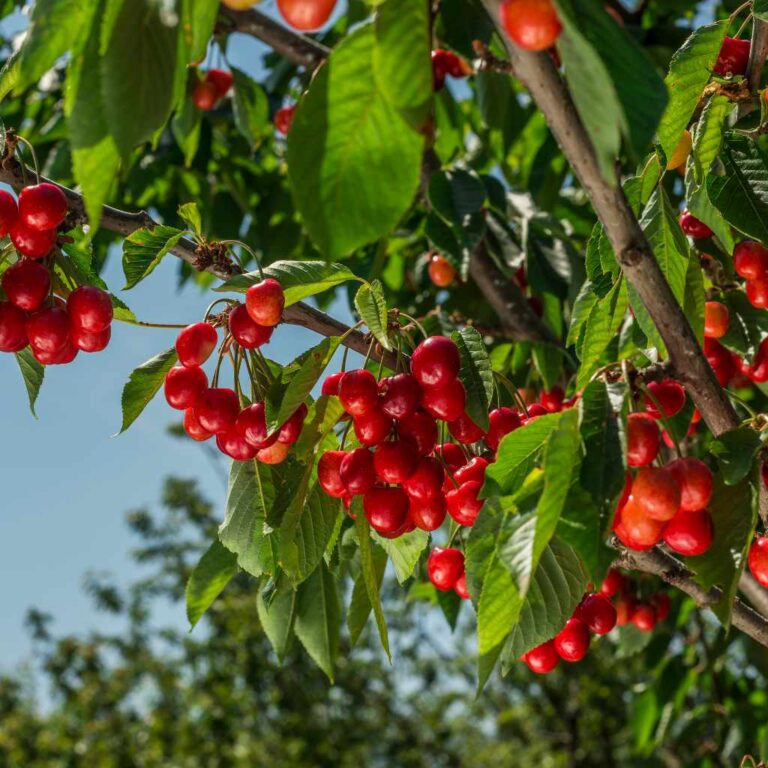
Cherries can be a good choice for your flock when they are in season and you can easily access fresh ones. Summer is the prime time for cherries. If you have a cherry tree yourself, this is the perfect opportunity to share the bounty, after you’ve pitted them, of course.
They are also a good choice as a refreshing treat on a hot day. Frozen, pitted cherries can help cool your chickens down. This is especially beneficial during heatwaves when chickens can be prone to heat stress.
Just make sure they have plenty of fresh water available too.
Cherries can be a great way to introduce variety into your chickens’ diet. Boredom can sometimes lead to behavioral issues in chickens, like feather picking or aggression. Offering novel and tasty treats like cherries can keep them stimulated and happy.
It’s also a good choice when you want to encourage flock bonding. When you bring out a special treat, the chickens often gather around, and it can create a positive interaction among them. Sharing a healthy snack can be a bonding experience for your flock.
Consider cherries when you’re looking for a way to provide a little extra nutritional support. If you have a flock that is recovering from illness, or if you notice they could use a boost in vitamins, pitted cherries can be a beneficial addition. However, this should always be done in consultation with an avian vet if you have serious concerns about their health.
Ultimately, cherries are a good choice as a treat when they are prepared correctly (pitted!) and offered in moderation. They are a safe, nutritious, and enjoyable addition to a chicken’s diet, making them a win-win for both the keeper and the flock. Just remember to always prioritize their safety by removing those seeds.
How Much is Too Much? Understanding Moderation
We’ve stressed moderation, but what does that really look like for chickens and cherries? It’s important to get this right so you can enjoy giving your flock a treat without overdoing it.
For most backyard flocks, cherries should be considered a supplement, not a staple. This means they should make up only a small percentage of your chickens’ overall diet. A general guideline is that treats should not exceed 10% of a chicken’s daily food intake.
Think about how many cherries a single chicken can eat. They aren’t large birds, and they have relatively small digestive systems. A few cherry halves or a small handful of chopped cherries per bird, a few times a week, is usually plenty.
If you have a large flock, you’ll need to calculate accordingly. It’s better to offer a small amount to the whole group than to let one or two birds gorge themselves. Spreading the treat out helps ensure everyone gets a little bit.
Overfeeding cherries can lead to a few issues. The high sugar content can contribute to obesity and related health problems over time. It can also upset their digestive balance, potentially leading to loose droppings or other minor gastrointestinal upset.
If your chickens are eating a high-quality, balanced layer feed, they are already getting most of the nutrients they need. Treats like cherries are more about enrichment and providing a variety of flavors and textures. They are a bonus, not a necessity.
So, when you’re tempted to share your cherry harvest, remember to be deliberate. Pit them all first. Then, offer a modest amount.
Observe your chickens. If their droppings look normal and they are behaving energetically, you’re likely doing it right. If you notice any changes, it might be a sign you’re offering too many treats or that the treat isn’t agreeing with them.
Alternatives to Cherry Seeds for Chickens
If you’re looking for safe and healthy treats for your flock, there are plenty of excellent options available that don’t come with the risk of toxic seeds. It’s always good to have a variety of safe treats on hand to keep your chickens happy and healthy.
Vegetables: Many vegetables are fantastic for chickens. Leafy greens like lettuce, spinach, kale, and collard greens are excellent. They can also enjoy chopped carrots, cucumbers, zucchini, and bell peppers.
Avoid avocado pits and skins, and onions in large amounts.
Fruits (Prepared Safely): As we’ve discussed, pitted cherries are great. Other safe fruits include apples (cored), bananas (great source of potassium!), melons (like watermelon and cantaloupe, which are also hydrating), and berries of all kinds (blueberries, strawberries, raspberries).
Grains and Seeds: Cooked oatmeal (plain), cooked rice, cracked corn, and sunflower seeds are often enjoyed by chickens. These can provide a good source of energy.
Insects and Protein: Chickens are natural foragers and love bugs! Mealworms (live or dried), grubs, and even small amounts of cooked, unseasoned meat or fish can be a protein boost.
Kitchen Scraps: Many common kitchen scraps are safe. This includes things like cooked pasta, bread (in moderation), and the bits and pieces from preparing other meals. Always ensure scraps are not moldy, spoiled, or contain harmful ingredients.
When offering any new treat, always introduce it gradually. Watch how your chickens react to it and how their digestive systems handle it. The goal is to supplement their diet, provide enrichment, and offer tasty rewards, all while ensuring their safety and health.
Safe Treat Ideas for Your Flock
Veggies: Leafy greens, carrots, cucumbers, zucchini.
Fruits: Pitted cherries, apples (cored), bananas, melons, berries.
Grains: Oatmeal, rice, cracked corn, sunflower seeds.
Protein: Mealworms, grubs, cooked unseasoned meat/fish.
Kitchen Scraps: Cooked pasta, bread (limited), non-harmful leftovers.
Key Rule: Always prepare them safely (e.g., pit fruits, remove cores).
Frequently Asked Questions About Chickens and Cherries
Can chickens eat cherry leaves or stems?
Cherry leaves and stems, like the seeds, can also contain compounds that can be harmful to chickens. While the risk might be lower than with the seeds, it’s best to avoid feeding them these parts of the plant altogether. Stick to the flesh of the fruit after removing the seeds.
Is it okay if my chicken accidentally swallows one cherry seed whole?
If your chicken swallows one or two cherry seeds whole, and they appear to pass through their system without issue, they will likely be fine. The dangerous compounds are released when the seed is crushed or chewed. However, it’s always wise to monitor your chicken for any signs of distress or illness.
How many cherries can I give my chickens?
Cherries should be given in moderation as a treat. A few pitted cherry halves or a small handful of chopped cherries per bird, a few times a week, is generally a safe amount. Treats should not make up more than 10% of their daily diet.
Are organic cherries safer for chickens than conventional ones?
Organic cherries are safer in the sense that they are grown without synthetic pesticides and herbicides. However, the chemical compounds that make the seeds potentially harmful (like amygdalin) are naturally occurring. So, whether organic or conventional, the seeds must always be removed before feeding cherries to chickens.
What are the signs of cyanide poisoning in chickens?
Signs of cyanide poisoning in chickens can include difficulty breathing, rapid breathing, weakness, lethargy, loss of balance, stumbling, and in severe cases, seizures or sudden death. If you suspect poisoning, contact your avian veterinarian immediately.
Can chickens eat maraschino cherries?
Maraschino cherries are not a good choice for chickens. They are heavily processed and contain artificial colors, flavors, and a lot of added sugar. These ingredients are not beneficial and can be harmful to your flock. Stick to fresh or unsweetened frozen cherries.
Final Thoughts on Feeding Cherries to Your Flock
So, there you have it. The short answer to “can chickens eat cherry seeds?” is a resounding no, you should not let them eat them. The flesh, however, is a delicious and healthy treat when prepared correctly.
It’s all about being mindful and taking that extra step to remove the pits.
Your chickens are part of your family, and their health and safety are paramount. By understanding the risks associated with cherry seeds and taking simple precautions, you can confidently offer them the goodness of cherries without worry. Enjoy sharing this summer favorite with your feathered friends!