Brazilian Cherry Floor Stain Options: 7 Colors That Work
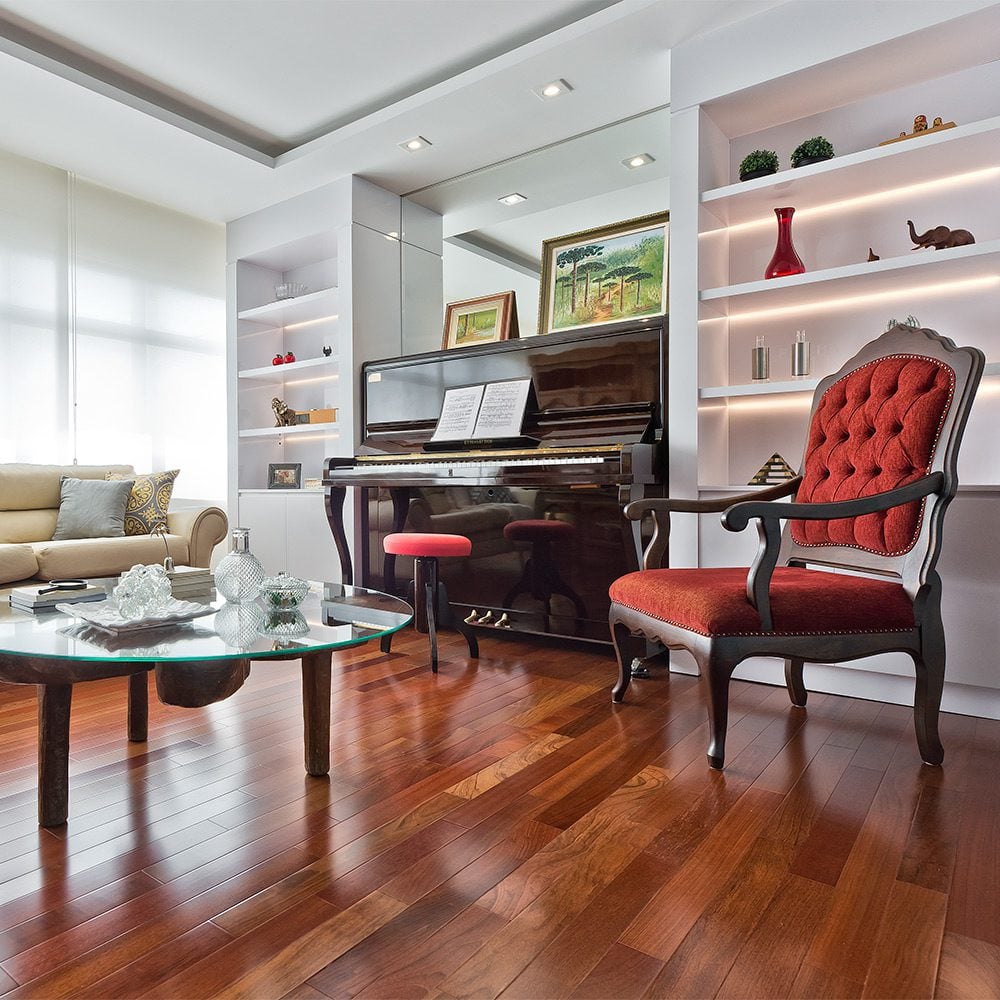
Brazilian cherry (jatoba) takes stain well, but its dense, oily grain resists even penetration unless you use a pre-stain conditioner or a gel stain first. Skipping that step is why so many DIY jobs come out blotchy. This guide covers which stain colors actually work on this wood, how to tone down its famous red cast without bleaching, and what a professional bleach-and-restain job really costs.
Quick Answer
Warm mid-to-dark stains like walnut, mahogany, and coffee brown work with Brazilian cherry’s natural red undertone, while a very dark stain (DuraSeal Dark Walnut, or a 50/50 Dark Walnut and True Black blend) mutes the red without a full bleach job. Always apply a pre-stain wood conditioner first — Brazilian cherry’s oily, dense grain absorbs stain unevenly without it, and a light gel stain is easier to control than a liquid one on this species.
Why Brazilian Cherry Is Different to Stain
Best Brazilian Cherry Stain Pick
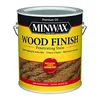
Minwax Wood Finish, Special Walnut, 1 Gallon
A deep, oil-based penetrating stain that blends with Brazilian cherry’s existing red tone instead of fighting it.
- Best for: homeowners keeping the warm, traditional Brazilian cherry look
- Why we picked it: oil-based formula penetrates dense, oily jatoba grain better than water-based stains once conditioned
- Main drawback: longer dry time than water-based options, and strong odor during application
Compare more staining supplies
 Option 1 Varathane Pre-Stain Wood Conditioner
|
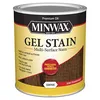 Option 2 Minwax Gel Stain, Coffee
|
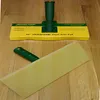 Option 3 Duratool Durafoam 10″ Floor Applicator Pad
|
As an Amazon Associate we earn from qualifying purchases.
Brazilian cherry isn’t true cherry — it’s jatoba, a Brazilian hardwood rated around 2,350 on the Janka hardness scale, roughly 1.8 times harder than red oak’s 1,290. That density is exactly why it fights stain. The wood’s natural oils and tight, closed grain slow absorption, so liquid stain sits on the surface instead of soaking in, leading to the blotchy, uneven color that ruins so many DIY refinishing jobs. It also photo-oxidizes: fresh-cut jatoba starts a lighter salmon-orange and darkens into the deep brick-red most people picture within the first several months of light exposure, which is why a floor stained too soon can look different a year later. If you’re deciding between this and an engineered cherry flooring option, the same staining principles apply to the solid wear layer.
Because of the light sensitivity, avoid placing large area rugs on a freshly refinished Brazilian cherry floor for the first several months — the covered section will darken at a different rate than the exposed wood, leaving a visible outline once you move the rug. For more on this wood’s other quirks, see our full Brazilian cherry flooring hub.
Best Stain Colors for Brazilian Cherry Floors
The right stain color depends on whether you want to work with the wood’s red undertone or fight it. The table below covers real DuraSeal and Minwax color names professional refinishers actually use on exotic species — not generic “light/medium/dark” labels.
| Stain Color | Effect on Brazilian Cherry | Best For |
|---|---|---|
| DuraSeal Dark Walnut | Comes out darkest on exotic cherry species — often darker than a straight ebony coat | Muting red tone without bleaching |
| Minwax Special Walnut | Rich, classic dark brown that blends with the existing red rather than fighting it | Traditional, warm rooms |
| Coffee Brown / Jacobean | Deep, near-neutral brown; softens red without going black | Modern-traditional mix |
| DuraSeal Classic Gray | Requires bleaching first — Brazilian cherry is bleach-resistant, so gray alone won’t fully neutralize red | 2026’s neutral-floor trend, professional jobs only |
| Natural / clear finish | No added color; lets the wood’s own photo-oxidation deepen the red over months | Homeowners who like the classic warm look |
| DuraSeal Provincial | Medium warm brown that balances the red without going as dark as Dark Walnut | Buyers who want a middle-ground tone |
| DuraSeal or Minwax Ebony | Near-black; fully overrides the red but shows dust and scratches more than any other option here | A dramatic, uniform black floor |
A professional refinisher’s trick worth knowing: mixing a 50/50 blend of DuraSeal Dark Walnut and DuraSeal True Black produces a deeper, more opaque coverage than either stain alone — it’s a middle step between a normal dark stain and a full bleach job, and it’s far less labor and cost.
How to Reduce or Eliminate the Red Tone
Brazilian cherry’s strong red-orange cast is the single biggest complaint homeowners have about this floor once trends shift toward cooler, neutral tones. There are three real options, in order of cost and effort.
- Go darker. A very dark stain like Dark Walnut, or the 50/50 Dark Walnut/True Black blend above, visually overwhelms the red without touching the wood chemically. This is the cheapest fix and can usually be done in a normal refinish cycle.
- Switch finish, not stain. A high-grade water-based polyurethane (such as Bona Traffic HD) keeps the floor closer to its natural, less-red tone, where an oil-based poly will amber and intensify the red over time. If you’re not ready to commit to a new stain color, changing only the topcoat finish is the lowest-risk move.
- Bleach the wood. This is the only way to actually open up lighter and gray stain options, because standard stain pigment can’t cover jatoba’s red hue on its own. It’s also the most expensive and highest-risk option — see our full wood floor bleaching guide for the step-by-step process, plus the cost breakdown below.
What Bleaching a Brazilian Cherry Floor Actually Costs
Brazilian cherry is one of the species that resists bleach — along with white oak, mahogany, rosewood, and cedar — so a full color change takes more chemical applications and more professional skill than bleaching red oak or maple.
📊 Bleaching a hardwood floor runs $1.33–$1.58 per square foot, or roughly $1,000–$3,000 total for an average room, and bleach-resistant species like Brazilian cherry typically need 2–3 bleach applications instead of one — Source: Homewyse cost data, 2026
The process itself: sand the existing finish off completely to open the wood’s pores, apply the bleach solution with a synthetic-bristle brush or cloth and let it work for about 10 minutes, then neutralize the caustic residue with a mild vinegar-and-water rinse before it’s safe to re-sand and stain. Skipping the neutralizing step is the most common DIY mistake — leftover bleach residue interferes with stain adhesion later.
How to Apply Stain to Brazilian Cherry Floors
Because of the grain density, Brazilian cherry needs one extra step most other hardwoods skip: a pre-stain wood conditioner. Here’s the full process in order.
- Clean and inspect: Remove all dirt and dust with a damp cloth or mop, let the floor dry fully, and fix any cracks, gouges, or gaps before sanding.
- Sand progressively: Work through medium to fine-grit sandpaper, finishing with a fine grit to smooth the surface without burnishing the dense grain, which can seal it against stain.
- Vacuum and tack: Remove every trace of sanding dust — any residue left behind causes uneven color and a gritty finish.
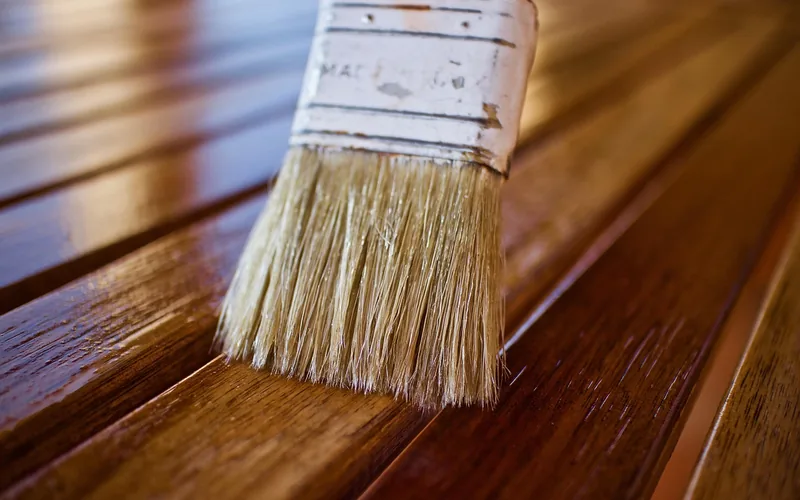
- Apply pre-stain conditioner: Brush or wipe on a wood conditioner and let it penetrate per the label (typically 15–30 minutes) before wiping off the excess. This is the step that prevents blotching on Brazilian cherry.
- Apply the stain: Use a brush, lambswool applicator, or foam pad, working with the grain. Wait 5–15 minutes, then wipe off the excess — the longer it sits, the darker the final color.
- Let it cure fully: Oil-based stains typically need a full 24 hours before topcoating; rushing this step causes the finish to haze or peel.
- Seal with your chosen finish: Apply an oil-based polyurethane to amplify warmth, or a water-based polyurethane like Bona Traffic HD to keep the color closer to the stained tone without additional ambering — see our gel stain vs. oil stain comparison if you’re deciding between a gel or liquid stain for this step.
“The biggest mistake I see on exotic hardwoods like jatoba is skipping the conditioner because the wood already looks dark enough. It’s not about lightening the wood — it’s about getting the stain to grab evenly. Skip that step and you’ll see blotchy patches show up within the first week, usually right where the grain is tightest.”
Maintaining a Stained Brazilian Cherry Floor
- Sweep or vacuum (bare-floor setting, no beater bar) at least weekly — grit is what causes most of the surface scratching on stained floors.
- Wipe spills immediately with a barely damp cloth; standing water dulls the stain and can raise the grain.
- Use felt pads under all furniture legs and trim pets’ nails — a stained finish shows scuffs more visibly than an unfinished floor.
- Reseal (not restain) every 3–5 years depending on traffic, using a finish compatible with your existing topcoat — oil-based over oil-based, water-based over water-based.
- Keep blinds or curtains partially closed in direct-sun rooms for the first several months after refinishing so the floor’s natural darkening happens evenly.
Frequently Asked Questions
What stain colors suit Brazilian cherry wood?
Warm tones that blend with the wood’s natural red — walnut, mahogany, and coffee brown — work with the grain rather than against it. DuraSeal Dark Walnut goes darkest and mutes the red most without bleaching. Always test on an inconspicuous area first, since Brazilian cherry’s color shifts as it cures and continues to darken with light exposure afterward.
Can you lighten Brazilian cherry wood floors?
Yes, but it requires chemical bleaching, not just sanding — standard stain pigment can’t cover the wood’s red hue on its own. Full bleaching costs roughly $1.33–$1.58 per square foot and typically needs 2–3 applications because Brazilian cherry resists bleach more than species like red oak or maple. This is a job for an experienced hardwood professional, not a weekend DIY project.
How do you get rid of the red tone without a full bleach job?
Go darker instead of lighter. A very dark stain, or a 50/50 blend of DuraSeal Dark Walnut and True Black, visually overwhelms the red at a fraction of the cost and labor of bleaching. Switching to a water-based polyurethane topcoat instead of an oil-based one also helps, since oil-based finishes amber and intensify red over time.
Is it difficult to stain Brazilian cherry wood?
It’s more demanding than staining oak or maple because of the dense, oily grain, but it’s manageable with the right prep. Use a pre-stain wood conditioner or a gel stain — both slow down absorption enough to prevent the blotchy patches that liquid stain alone tends to leave on this species.
How do you maintain a stained Brazilian cherry floor?
Sweep or vacuum weekly, wipe spills immediately, use felt furniture pads, and reseal the topcoat every 3–5 years. Avoid harsh ammonia-based cleaners, which can dull the stain and strip the finish’s sheen over time.
Conclusion
Brazilian cherry rewards patience more than any other hardwood floor: condition before you stain, pick a color that works with the red instead of fighting it unless you’re ready to commit to bleaching, and give the topcoat a full day to cure before walking on it. Done right, it’s one of the most durable, long-lasting stained floors you can own — see our guide on whether Brazilian cherry floors are still in style if you’re weighing a full refinish against replacement.
Sponsored / affiliate links. As an Amazon Associate I earn from qualifying purchases. I may earn additional commission from eligible campaigns.