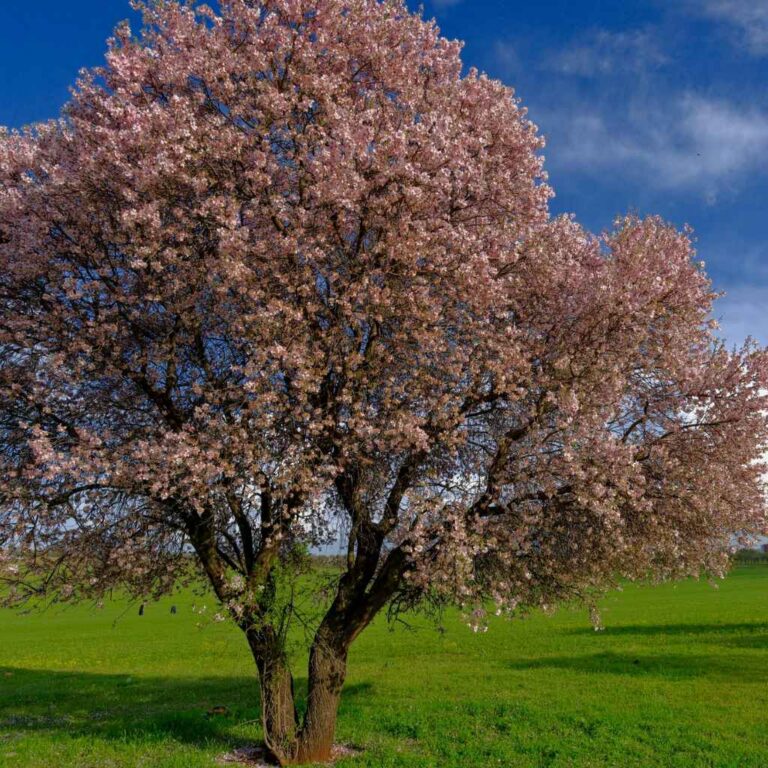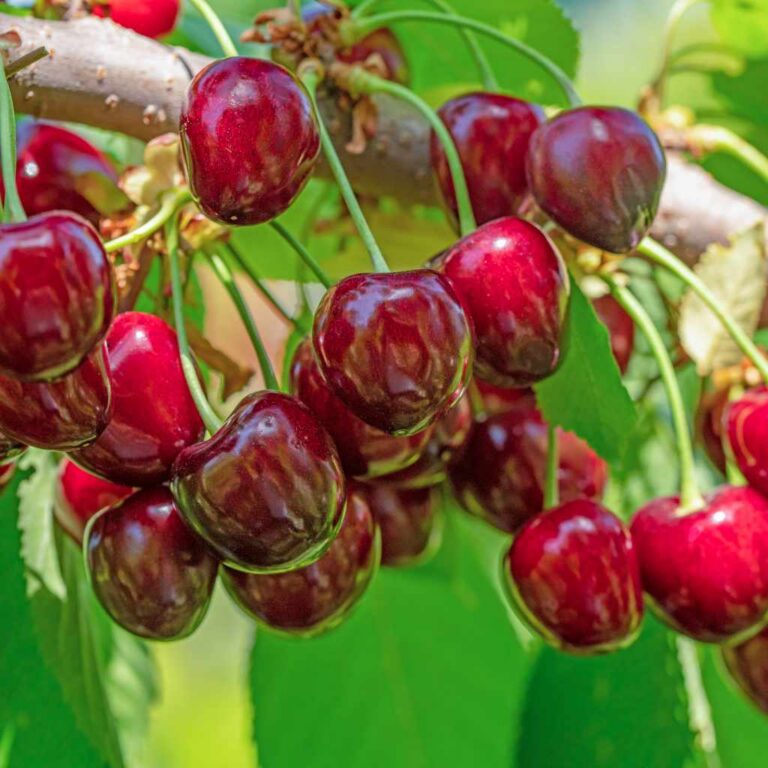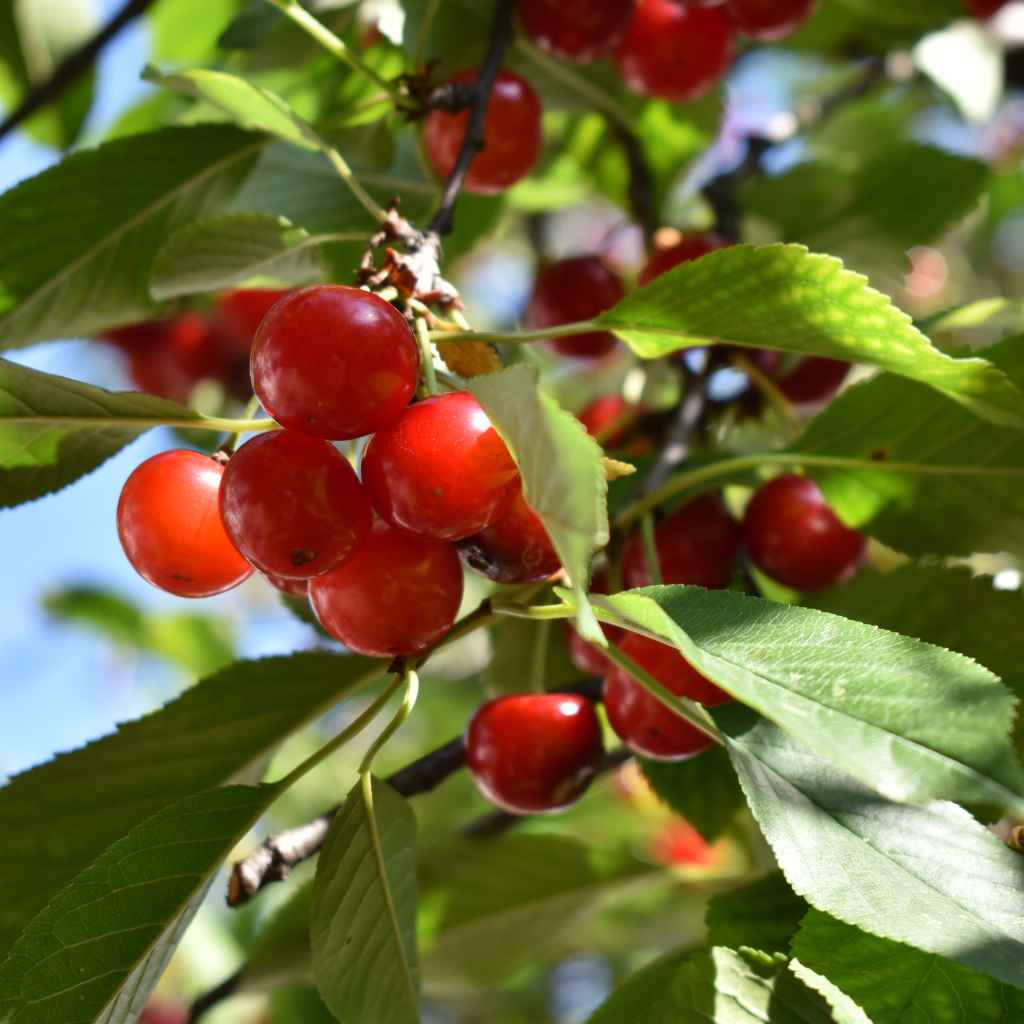
Can Cherry Trees Grow In Texas? What Gardeners Should Know
Many assume Texas is just too hot for cherries. This is a common worry, and it’s understandable. But the truth is a little more nuanced.
Some types of cherry trees can indeed grow and produce fruit in parts of Texas, though it might take careful planning and the right variety. Let’s dive in and see what’s possible.
Understanding if cherry trees can grow in Texas involves looking at the specific needs of different cherry varieties and matching them to Texas’s diverse climate zones. Success hinges on selecting the right type of cherry tree and providing appropriate care to overcome heat and humidity challenges.
Understanding Cherry Tree Needs
Cherry trees have a few basic needs to grow well. They love sunshine. They need well-draining soil.
But the most important thing for many common cherry types is something called “chill hours.”
Chill hours are the number of hours a plant needs to spend in cold temperatures, typically between 32°F and 45°F (0°C and 7°C). This cold period is crucial for breaking dormancy. It tells the tree that winter is over.
Without enough chill hours, the tree won’t bloom properly. It also won’t set fruit.
This is where Texas becomes a bit tricky. Different parts of Texas have different amounts of cold. West Texas might get more chill hours than East Texas.
South Texas often gets very few. Many popular sweet cherry varieties, like Bing or Rainier, need a lot of chill hours. They simply won’t do well in most of Texas because it doesn’t get cold enough for long enough.
Tart or sour cherry trees, however, often need fewer chill hours. Some even thrive in warmer climates. These are the ones that offer more promise for Texas gardeners.
Soil is also key. Cherry trees prefer fertile soil. It should be slightly acidic to neutral.
Good drainage is vital. If water sits around the roots, the tree can get root rot. This is a serious problem.
Many Texas soils are heavy clay. This clay can hold too much water. Gardeners often need to amend their soil to improve drainage.
My First Cherry Tree Fiasco
I remember when I first moved to my current home. It had a decent-sized yard, and I envisioned all sorts of fruit trees. My mind immediately went to cherries.
I saw myself picking fresh cherries right off the branch. I went to a local nursery and picked out what looked like a beautiful cherry tree. It was labeled “Sweet Cherry.”
I planted it with great care, following all the instructions. I watered it. I even mulched around it.
The first spring, it looked promising. It even had some small blossoms. But then, nothing.
No fruit. Not a single cherry. The leaves seemed a bit droopy in the summer heat, too.
I tried everything. I worried about pests. I added more fertilizer.
Still, no cherries.
After a couple of years of this, I finally did more research. I learned about those “chill hours.” My tree was a variety that needed way more cold than my Texas climate could provide. It was like asking someone who lives in a tropical place to survive an arctic winter.
It just wasn’t built for it. That tree eventually struggled and didn’t last long. It was a hard lesson, but it taught me the importance of matching the plant to the place.
Cherry Tree Varieties for Warmer Climates
Goal: Find cherry trees that need fewer chill hours.
- Specific Varieties: Look for “low-chill” or “heat-tolerant” types.
- Examples: ‘Black Tartarian’ (can be borderline, better in North TX), ‘Crimson Giant’, ‘Royal Rainier’ (also borderline).
- Tart Cherries: Often a better bet. ‘Montmorency’ is a classic sour cherry. ‘North Star’ is another good option needing less chill.
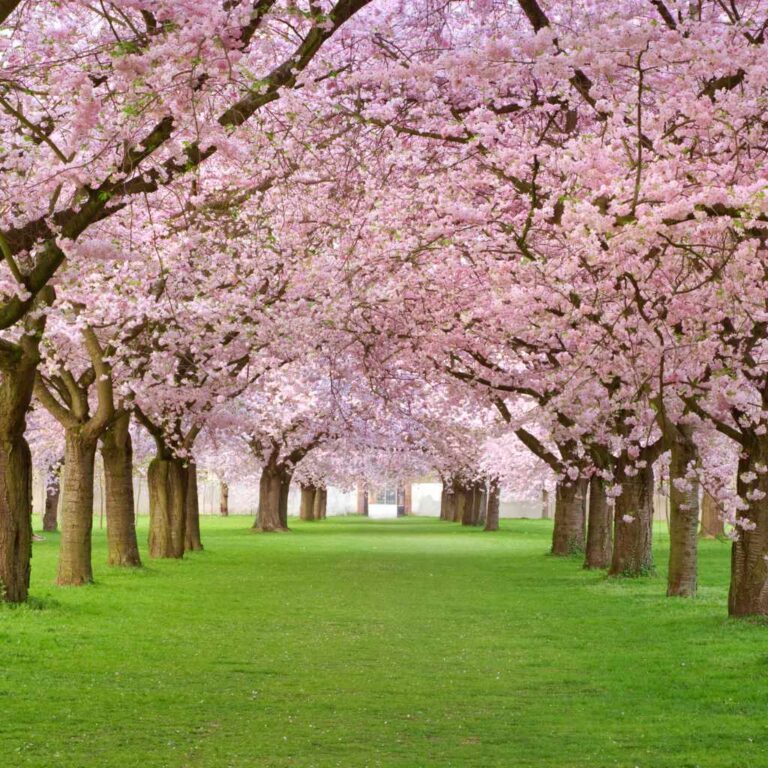
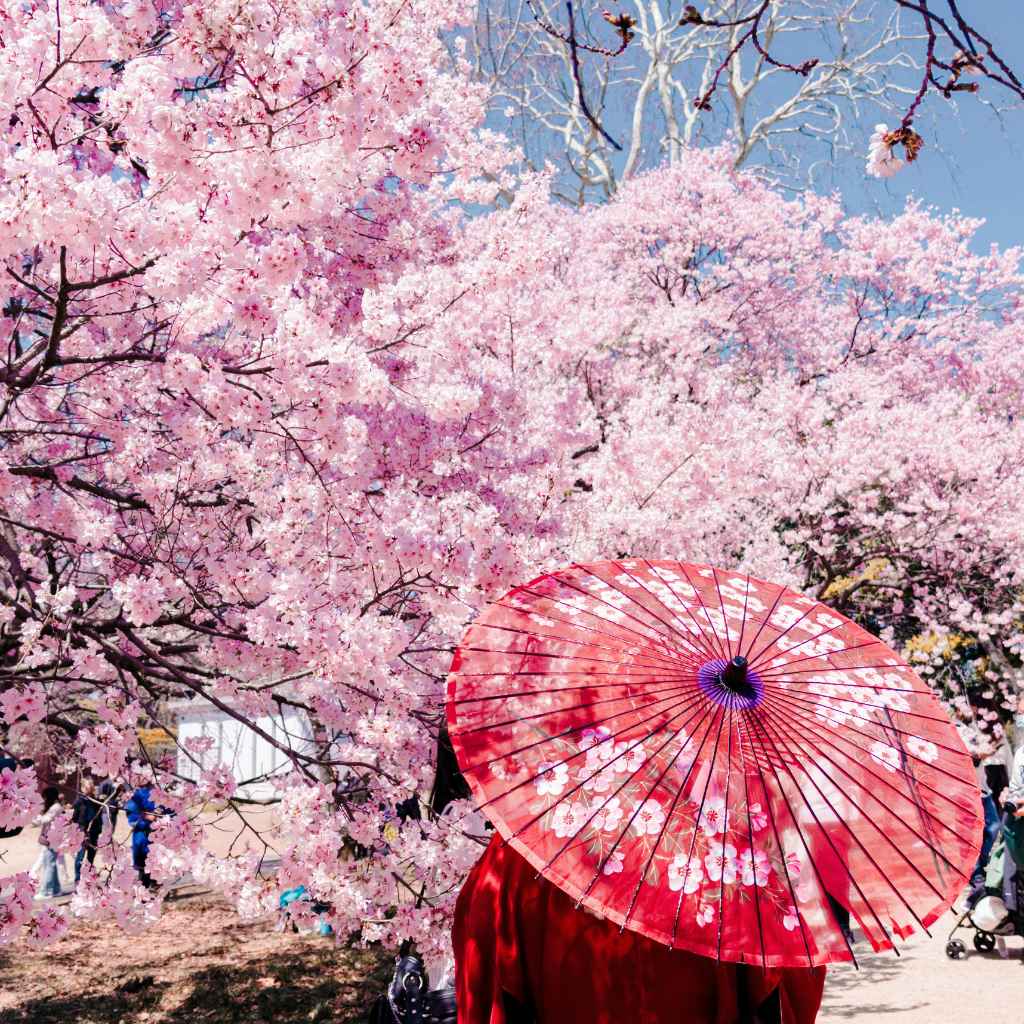
- Japanese Flowering Cherries: These are ornamental. They bloom beautifully but don’t produce edible fruit. Make sure you’re buying a fruit-bearing type!
Real-World Cherry Growing in Texas
So, what does successful cherry growing look like in Texas? It’s not about vast orchards of sweet cherries. It’s more about smart choices and a bit of adaptation.
You’ll find more success with tart cherries. These are great for baking, pies, and jams. They often have a natural resilience.
Some varieties are bred specifically for warmer areas. For example, the ‘Black Tartarian’ cherry is a sweet cherry that can be grown in some parts of North Texas. It needs fewer chill hours than many other sweet varieties.
But it still might struggle in South Texas.
Even with the right variety, Texas conditions present challenges. The high heat can stress trees. Humidity can encourage fungal diseases.
Pests that love warm weather might also be a problem. This means good air circulation is important. Keeping the tree healthy overall helps it fight off issues.
Proper pruning is a must.
Soil preparation is critical. Many Texas soils are alkaline clay. Cherries prefer slightly acidic soil.
Adding organic matter like compost helps. Raised beds can also improve drainage. This is especially true if your yard tends to get waterlogged.
Planting on a slight mound can also help water drain away from the trunk.
Watering is another important factor. Young trees need consistent moisture. Established trees can be more drought-tolerant, but they still need water during dry spells, especially when fruit is developing.
Avoid overwatering, though. That can lead to root problems.
Pollination is also a consideration. Some cherry trees are self-pollinating. Others need a different variety of cherry tree nearby to produce fruit.
Most sweet cherries are not self-pollinating. They need a compatible pollinator. Tart cherries are often self-pollinating, which makes them a simpler choice for many gardeners.
Choosing Your Cherry Variety
When selecting a cherry tree, consider these points:
Chill Hours:
- North Texas: Can often support varieties needing 600-800 chill hours.
- Central Texas: Might get 400-600 chill hours.
- South Texas: Usually less than 400 chill hours.
Type:
- Sweet Cherries: For fresh eating. Need more chill.
- Tart Cherries: For cooking and baking. Need fewer chill hours.
Pollination:
- Self-pollinating: Needs no other tree.
- Cross-pollinating: Needs a compatible partner tree nearby.
What This Means for You
So, can you grow cherries in Texas? Yes, but with realistic expectations. You might not get huge harvests of sweet cherries like you’d see in Washington state or Michigan.
When it’s normal:
- You are in North Texas and planted a low-chill sweet cherry variety that is also self-pollinating or you have a suitable pollinator nearby.
- You have planted a tart cherry variety that is known to do well in your specific Texas climate zone.
- You have prepared your soil well for drainage and amended it with organic matter.
- You are watering correctly, especially during dry periods and fruit development.
- You are patient and understand that yields might be modest.
When to worry:
- Your tree is not producing any blossoms after several years. This might mean it’s not getting enough chill hours or it’s planted in too much shade.
- The tree looks consistently unhealthy, with yellowing leaves or wilting even with proper watering. This could indicate soil issues or disease.
- You are seeing lots of flowers but no fruit set. This might point to pollination problems or extreme heat stress during flowering.
- You live in deep South Texas and are trying to grow a high-chill sweet cherry. It’s unlikely to be successful.
Simple checks:
- Check your local extension office for recommended varieties for your specific region of Texas. They have the best local knowledge.
- Observe the number of hours your area typically gets below 45°F each winter. Compare this to the needs of the cherry variety you are considering.
- Feel your soil after rain. Does it drain well, or does water pool? If it pools, plan for raised beds or significant soil amendment.
Quick Tips for Texas Cherry Growers
If you’re set on growing cherries in Texas, here are some pointers to increase your chances of success.
Choose Wisely: This is the most important step. Go for low-chill, heat-tolerant varieties. Tart cherries like ‘Montmorency’ are often a safer bet.
For sweet cherries, research varieties specifically recommended by Texas A&M AgriLife or your local county extension office.
Location, Location, Location: Plant your cherry tree in a spot that gets full sun. Most fruit trees need at least 6-8 hours of direct sunlight per day. Good air circulation is also important to help prevent fungal diseases, especially in humid Texas summers.
Avoid planting in low-lying areas where cold air can settle or water can collect.
Soil Prep is Paramount: Texas clay soil can be a challenge. It needs to be improved for drainage. Mix in plenty of compost or other organic matter.
Consider planting in raised beds, especially if your native soil is heavy clay. This gives the roots a better environment to grow.
Watering Smarts: Young trees need consistent moisture to establish their root system. Aim for deep watering rather than frequent shallow sprinklings. Once established, trees need water during dry spells, especially when fruit is forming.
However, avoid soggy soil, which can lead to root rot. Mulching around the base of the tree can help retain soil moisture and regulate temperature.
Pruning for Health and Yield: Pruning is essential for shape, health, and fruit production. For most cherry trees, it’s best to prune in late winter or early spring before new growth begins. This helps manage size, remove dead or diseased branches, and improve light penetration into the canopy.
Pest and Disease Watch: Be aware of common pests like aphids, borers, and birds (who love cherries!). Fungal diseases can also be an issue in humid weather. Healthy trees are more resistant, so focus on good care.
Organic options exist for pest control.
Pollination Partners: If you choose a sweet cherry variety that is not self-pollinating, you’ll need to plant another compatible cherry tree nearby. Check the specific pollination needs of your chosen variety. Tart cherries are often self-pollinating, making them easier in this regard.
Patience is a Virtue: It can take a few years for a young cherry tree to start producing a significant amount of fruit. Don’t get discouraged if your first or second year is light on cherries. Keep up the good care, and you’ll likely see better yields as the tree matures.
Quick Scan: Cherry Tree Care in Texas
Watering: Consistent, deep watering; avoid waterlogged soil.
Sunlight: Full sun (6-8+ hours daily).
Soil: Well-draining, amended with organic matter.
Pruning: Late winter/early spring.
Pests/Diseases: Monitor and address promptly; healthy trees resist better.
Pollination: Crucial for many sweet varieties; check needs.
Frequently Asked Questions About Growing Cherries in Texas
What is the most important factor for growing cherries in Texas?
The most important factor is choosing the right variety. You need a cherry tree that requires fewer chill hours and can tolerate heat and humidity, which is common in Texas. Tart cherries are often a better choice than sweet cherries for most of Texas.
Can I grow sweet cherries in Houston, Texas?
Growing sweet cherries in Houston can be very challenging. Houston is in a warm climate zone with low chill hours. Most sweet cherry varieties need significantly more cold than Houston typically receives.
You might have some limited success with very low-chill varieties, but tart cherries are a much safer bet.
What are “chill hours” and why do they matter for cherry trees?
Chill hours are the total number of hours that a fruit tree’s buds are exposed to temperatures between 32°F and 45°F (0°C and 7°C) during the winter dormancy period. This cold is necessary to break bud dormancy, allowing the tree to produce flowers and fruit in the spring. Without enough chill hours, the tree may not bloom properly or set fruit.
How do I improve drainage for a cherry tree in Texas clay soil?
To improve drainage in Texas clay soil, you should amend the soil heavily with organic matter like compost. Mixing in coarse sand or perlite can also help. Planting the tree in a raised bed or on a slight mound is highly recommended.
This allows excess water to drain away from the tree’s roots more easily.
Are cherry trees messy to grow?
Cherry trees can drop fallen fruit, which might attract insects or create a sticky mess if not cleaned up. They also drop leaves in the fall. However, the mess is generally manageable, especially if you harvest the fruit promptly.
The beauty and taste of fresh cherries usually make this a worthwhile trade-off for gardeners.
What is the difference between sweet and tart cherries for growing purposes?
Sweet cherries, like Bing, are typically grown for fresh eating and require a good number of chill hours. Tart cherries, like Montmorency, are more acidic and often used for baking and preserves. Tart cherries generally need fewer chill hours and are more tolerant of warmer climates, making them a better choice for many Texas locations.
Final Thoughts
Growing cherries in Texas is possible, but it requires a thoughtful approach. It’s not a one-size-fits-all situation. By understanding the importance of chill hours, selecting the right varieties, and preparing your soil properly, you can enjoy the reward of homegrown cherries.
Don’t get discouraged by initial challenges. Learn from them. Focus on tart cherries or low-chill sweet varieties.
With careful planning and consistent care, you can experience the joy of harvesting your own cherries right here in the Lone Star State.
Sponsored / affiliate links. As an Amazon Associate I earn from qualifying purchases. I may earn additional commission from eligible campaigns.