Can Goats Eat Cherry Tree Leaves? Safe Or Toxic Find Out
Understanding Cherry Trees and Goats
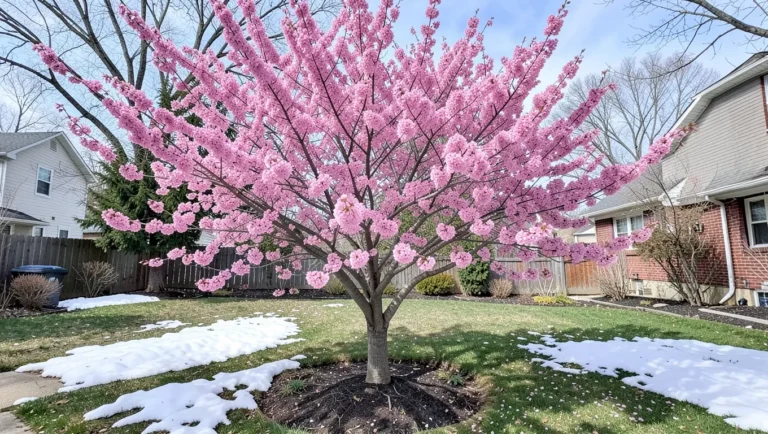
Cherry trees are beautiful. They offer shade and lovely flowers. But they also have parts that can be dangerous.
Goats are ruminants. This means they have a special stomach system. They can digest many plants.
However, some plants are toxic to them. It is vital to know which ones. Cherry trees fall into this category.
The whole cherry tree plant is not equally dangerous. But certain parts contain risks. Understanding these parts is key.
It helps keep your goats safe. Many plant toxins affect animals. Cyanide is a big concern with cherry plants.
This toxin can be very harmful. It interferes with how the body uses oxygen. Even small amounts can cause problems.
So, can goats eat cherry tree leaves? The answer is complicated. It is best to say no.
While they might chew on them, it is not a good idea. There are serious risks involved. We will explore these risks more.
Knowing them can save your goat’s life. We must be very careful. We want our pets to be healthy and happy.
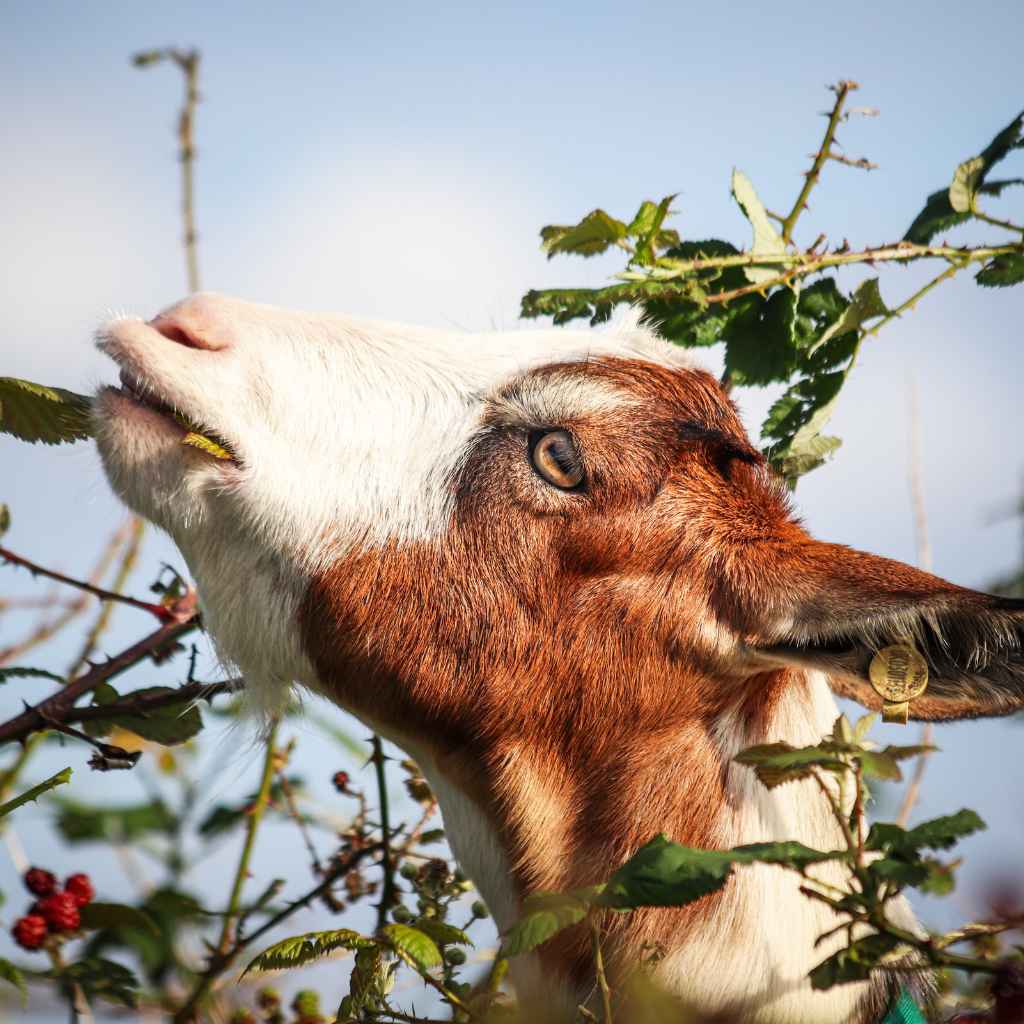
The Dangers of Cherry Leaves for Goats
Cherry tree leaves contain compounds. These compounds can turn into cyanide. This happens when the leaves are damaged.
This damage can come from chewing. It can also come from wilting or frost. The plant releases hydrogen cyanide.
This is a potent poison. Goats, like other animals, can be poisoned by this.
The amount of cyanide can vary. It depends on the cherry tree variety. It also depends on the growing conditions.
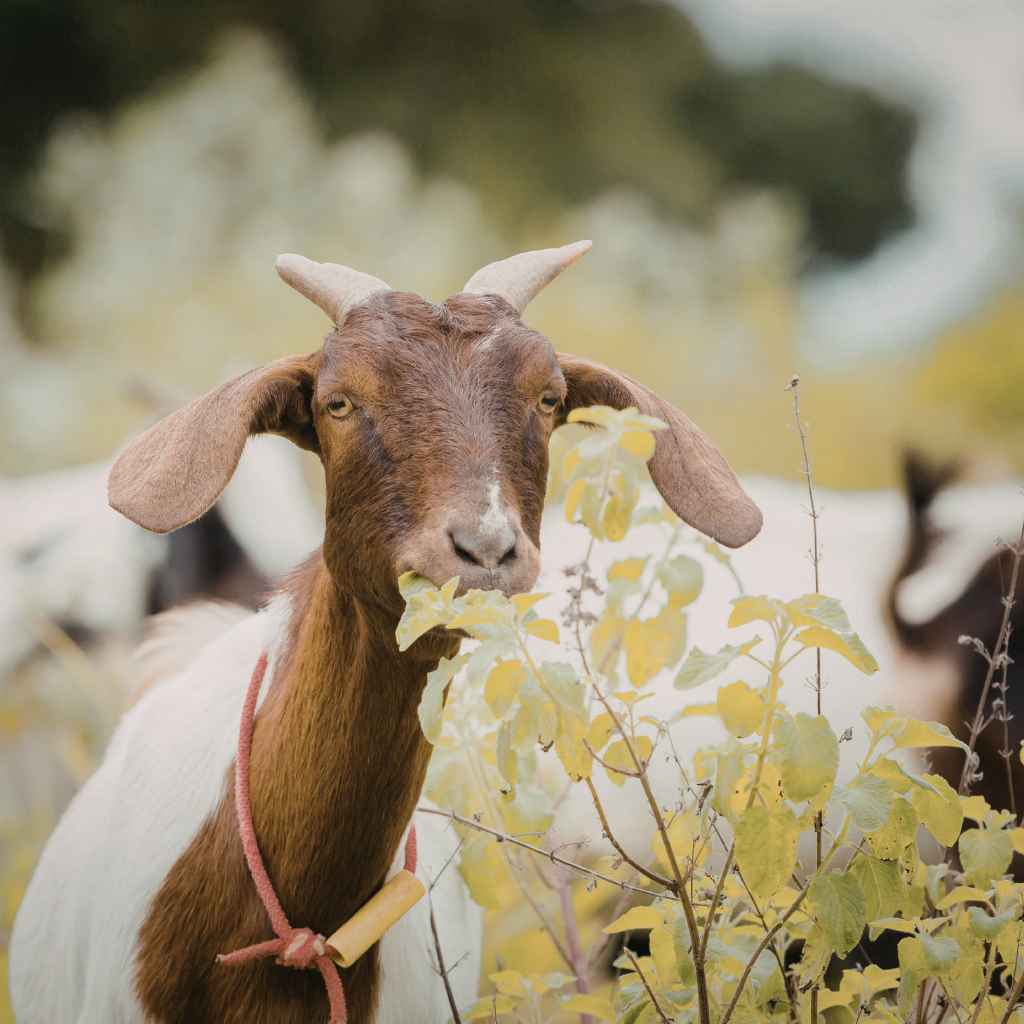
But even a small amount can be a problem. Goats often browse. They will chew on leaves and twigs.
If these are from a cherry tree, it is risky. The danger is especially high when leaves are wilting.
Symptoms of cyanide poisoning can appear fast. Your goat might seem weak. They may breathe heavily.
Their heart rate could speed up. You might see trembling. Drooling is also a sign.
In severe cases, seizures can happen. This is why it is so important to be aware. We need to protect our goats from these dangers.
The pits of cherries are also a danger. They contain cyanide compounds. But the leaves and stems are often more accessible.
Goats might eat more leaves. They might chew on young twigs. All of these can pose a threat.
It’s not just the leaves. It’s parts of the entire tree.
My Experience with a Curious Goat
I remember one crisp autumn afternoon. The leaves were turning vibrant colors. My herd of goats was out in their pasture.
I had recently moved them near an old orchard. One of the trees was a wild cherry. It was past its fruiting season.
The leaves were starting to drop. One of my younger goats, a curious fellow named Barnaby, seemed very interested in this tree.
Barnaby was always exploring. He liked to taste new things. I saw him nudging the low-hanging branches.
He started to chew on some leaves. My stomach dropped. I knew cherry leaves could be bad.
I had read about it. But seeing it happen was different. I felt a knot of panic in my chest.
I called out to him, but he was too busy nibbling.
I rushed over quickly. I gently pulled him away from the tree. He looked at me, a little confused, with a few leaves still in his mouth.
I made sure he didn’t swallow many. He seemed fine at first. But I watched him very closely that evening.
I worried about delayed symptoms. Thankfully, he showed no signs of poisoning. That day taught me a valuable lesson.
Proactive prevention is always best. Seeing that worry firsthand made me a much more careful owner.
Cherry Tree Parts and Their Risks
Leaves: The primary concern. Contain cyanogenic glycosides that release cyanide when chewed or wilted.
Twigs and Bark: Also contain toxic compounds, though often less concentrated than in leaves.
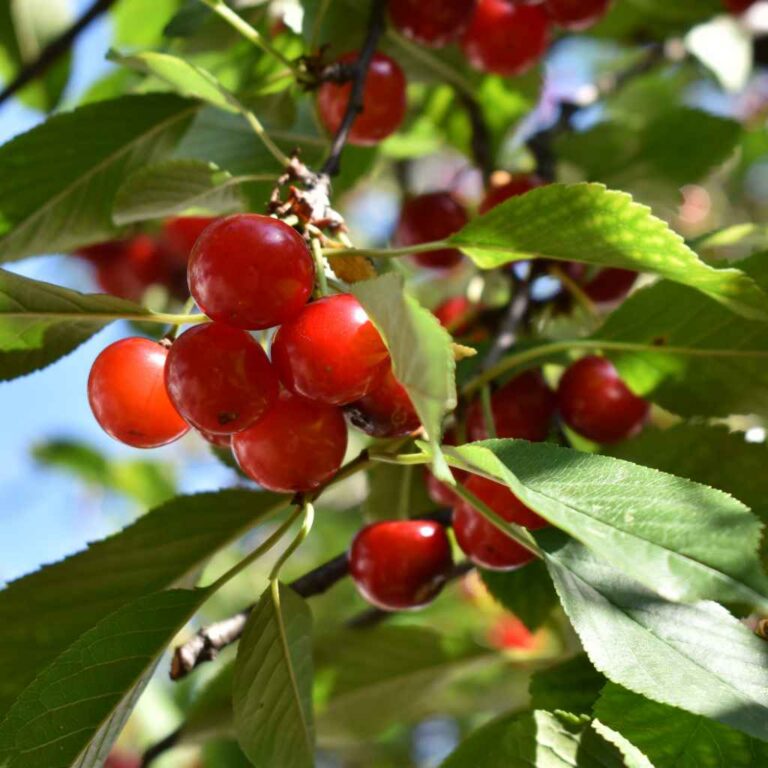
Unripe Fruit (Cherries): Contain the toxin. Ripe cherries are generally safer, but pits remain a choking and cyanide hazard.
Seeds/Pits: Contain cyanide. Should be avoided.
What Makes Cherry Trees Toxic to Goats?
The main culprits are compounds called cyanogenic glycosides. These are found in many plants. Cherry plants are one example.
When plant cells are broken down, these compounds are released. This happens when leaves are chewed. It also happens when leaves wilt.
Or when they are damaged by frost or injury.
These glycosides are not toxic on their own. But in the goat’s digestive system, they break down. This breakdown process releases hydrogen cyanide (HCN).
Cyanide is a fast-acting poison. It stops the body’s cells from using oxygen. This is called cellular respiration.
Without oxygen, cells die. Organs are damaged quickly.
Different parts of the cherry tree have varying levels. Young leaves and new growth can be more potent. Wilting leaves are also a significant risk.
This is because the wilting process breaks down cell walls. It makes the cyanide compounds more available. Even seemingly harmless fallen leaves can pose a threat.
The concentration of these toxins can change. Factors like sunlight, soil, and even the time of year can play a role. Generally, the levels are higher in spring and early summer.
But wilting at any time can be dangerous. It is important to remember that even a few leaves can be enough to cause serious illness.
Dogs and cats can also be poisoned by cherry pits. But goats are different. They are browsers.
They tend to chew on a variety of plant materials. This makes them more vulnerable to toxins in leaves and twigs. Their natural foraging behavior can lead them to dangerous plants if not managed.
Quick Glance: Cyanide Risk Factors
- Plant Part: Leaves, twigs, bark, unripe fruit, pits.
- Condition: Damaged, chewed, wilted, frosted.
- Goat Behavior: Browsing, curiosity, hunger.
- Concentration: Varies by cherry type and growth stage.
Symptoms of Cherry Poisoning in Goats
Recognizing the signs is crucial. If your goat eats cherry leaves, act fast. The symptoms of cyanide poisoning can come on quickly.
They can be quite alarming. It is important to know what to look for. Early detection can save your goat’s life.
One of the first signs is rapid breathing. Your goat might seem to struggle for air. Their heart rate will likely increase.
You might notice a fast pulse. They may appear very weak. Their legs might give out.
This can look like staggering or stumbling.
Drooling is also common. You might see excessive salivation. Some goats will twitch their muscles.
This can look like tremors or shaking. Their pupils might dilate. This means their eyes get bigger.
If the poisoning is severe, your goat could have seizures. This is a very serious sign. They might collapse.
Other signs include:
- Sudden collapse
- Gasping for air
- Bright red mucous membranes (gums, eyes)
- Bloating
- Vomiting (less common)
The onset of symptoms can be as quick as 15 minutes. It can also take a few hours. This depends on how much was eaten.
It also depends on the concentration of the toxin. If you see any of these signs, call your veterinarian immediately. Do not wait to see if it gets better.
Signs to Watch For
Immediate signs:
- Rapid breathing
- Fast heart rate
- Weakness, staggering
- Drooling
Severe signs:
- Seizures
- Collapse
- Gasping
What to Do If Your Goat Eats Cherry Leaves
If you suspect your goat has eaten cherry leaves, do not panic. But act quickly. Your veterinarian is your best resource.
Call them right away. Describe what you saw. Tell them the suspected plant.
Give them an estimate of how much might have been eaten. This information is very important.
Your vet might advise you to induce vomiting. However, this is not always recommended. It depends on how long ago the ingestion occurred.
It also depends on the goat’s condition. Some goats may not be able to vomit safely. Your vet will give you specific instructions.
Follow their advice carefully.
If the goat is showing symptoms, the situation is urgent. The vet may give an antidote. Sodium nitrite and sodium thiosulfate are often used.
These help convert cyanide into less toxic forms. They help the body process it. Oxygen therapy may also be needed.
Supportive care is key. This might include IV fluids.
The prognosis depends on several factors. This includes the amount eaten. It also includes how fast treatment is started.
Prompt veterinary care greatly improves the chances of recovery. Even if your goat seems fine, it is wise to consult your vet. Some effects might not be immediately obvious.
It is also helpful to remove the goat from the source. Make sure they cannot eat any more. If the cherry tree is in their pasture, you may need to fence it off.
Or move the goats to a different area. Prevention is always better than treatment. Keep toxic plants away from your goats.
Emergency Steps:
1. Call Your Vet: Immediately. Provide details.
2. Follow Instructions: Vets advice is critical.
3. Remove Source: Prevent further ingestion.
4. Monitor Closely: Watch for any symptoms.
Preventing Cherry Tree Exposure for Goats
The best way to deal with this is prevention. Keeping your goats away from cherry trees is key. Goats are naturally curious.
They love to explore and nibble. If a cherry tree is accessible, they will likely try it.
One method is to fence off cherry trees. If you have cherry trees in your pasture, create a barrier. This could be a sturdy fence.
It should be strong enough to keep goats out. They can be persistent. So, the fence needs to be robust.
Another option is to manage your pasture. You can remove young cherry trees. This might mean digging them out.
Or it might mean pruning them very low. You want to make them inaccessible. If the trees are mature, focus on the lower branches.
Keep them trimmed far above goat height.
Watch out for fallen branches. After a storm, branches can end up in the pasture. Inspect the pasture regularly.
Remove any cherry tree parts that fall. This includes leaves and twigs. They can become dangerous when wilted.
Consider what you plant near your goat areas. Be aware of other toxic plants too. Many common garden and landscape plants are harmful to goats.
Research plants before you plant them. Or before you let your goats graze in a new area. It is better to be safe than sorry.
Educate yourself and anyone caring for your goats. Make sure they know about cherry tree dangers. And other plant toxins.
Having a plan in place for emergencies is also wise. Know your vet’s number. Keep it handy.
A little preparation goes a long way.
Pasture Safety Checklist:
- Identify all cherry trees near goat areas.
- Fence off any accessible cherry trees.
- Regularly remove fallen cherry branches and leaves.
- Keep lower branches trimmed high.
- Be aware of other toxic plants in the pasture.
Are Some Cherry Varieties Safer?
This is a common question. People wonder if some cherries are less risky. While certain varieties might have slightly lower levels of cyanogenic glycosides, it is still not recommended to let goats eat them.
The risk is still present.
For example, ornamental cherry trees might differ from fruit-bearing ones. But all parts of the cherry plant family contain these compounds. This includes species like Black Cherry (Prunus serotina).
Wild cherries are often quite toxic. Even sweet cherries can be a problem.
The concentration of toxins can also be influenced by environmental factors. Weather, soil conditions, and the plant’s health all play a role. This means even a variety known to be “safer” could become dangerous under certain circumstances.
Because goats are browsers, they can ingest significant amounts of foliage. They might not be as selective as other animals. This makes any plant with potential toxins a concern.
It is safest to assume all cherry trees pose a risk. Focus on preventing access to any cherry plant.
The best approach is to avoid the gamble altogether. Do not rely on a specific variety being safe. Manage your property to keep goats away from all cherry trees.
This ensures their well-being. It removes the guesswork and the potential for serious illness. Safety first is always the motto.
Cherry Variety Safety: The Verdict
General Rule: All cherry varieties pose a risk.
Risk Factors: Not just variety, but also plant part, condition (wilting, frost), and quantity eaten.
Recommendation: Assume all cherry plants are toxic to goats and prevent access.
Cherry Leaves vs. Ripe Cherries for Goats
We often think about the fruit. Ripe cherries themselves are sometimes debated. But the leaves and branches are a different story.
They are much more dangerous.
Ripe cherries, in small amounts, might not cause immediate problems for most goats. The fleshy part of the fruit has lower concentrations of cyanide precursors. However, the pits are another matter.
Cherry pits contain cyanogenic glycosides. They also pose a choking hazard. So, even ripe cherries should be fed with extreme caution, if at all.
Cherry leaves, on the other hand, are a significant risk. Especially when they are wilting. Wilting causes the breakdown of cells.
This releases the cyanide compounds. A goat that eats a significant amount of wilting cherry leaves can become very ill. Or even die.
The total amount of foliage a goat can consume is higher than the number of fruits they might eat. This makes leaves and twigs a greater concern for poisoning. Think about a goat grazing.
They might strip a whole branch of leaves. They are unlikely to eat that many whole cherries with pits.
So, while the fruit itself may seem less dangerous, the leaves and stems present a clear and present danger. Always prioritize removing access to the foliage. And be cautious about any fruit that might contain toxic pits.
For goats, it is always safer to stick to known safe browse and feed.
Fruit vs. Foliage: A Comparison
Ripe Cherries (Fruit only): Generally lower risk, but pits are dangerous. Feed only in very small amounts, if at all.
Cherry Leaves/Twigs: High risk, especially when wilted or damaged. Can cause rapid poisoning.
Cherry Pits: Contain cyanide. Choking hazard.
Bottom Line: Avoid feeding any part of the cherry tree to goats.
What About Other Animals?
It’s helpful to know that cherry toxicity is not just a goat problem. Other animals can also be affected. This highlights the importance of identifying and managing toxic plants on your property.
Horses: Horses are also susceptible to cyanide poisoning from cherry leaves. They can develop colic symptoms. Their breathing can become rapid.
They may seem weak.
Cattle: Cattle can also be poisoned by cherry foliage. The symptoms are similar to those in goats and horses. Rapid breathing, weakness, and collapse can occur.
Dogs and Cats: As mentioned, cherry pits are a concern for dogs and cats. They can cause cyanide poisoning. They can also lead to intestinal blockages.
The leaves and stems can also be toxic.
Poultry: Chickens and other fowl are generally more resistant. However, large amounts of wilted cherry leaves could still cause problems. This is less common.
This broader impact means that if you own multiple types of animals, you need to be extra vigilant. A plant that is toxic to one species might also harm others. Managing your land with the safety of all your animals in mind is essential.
Always consult with your veterinarian about specific plant risks for each species you own.
Cherry Toxicity Across Species
Goats: Susceptible to cyanide from leaves, twigs.
Horses: Susceptible to cyanide from leaves.
Cattle: Susceptible to cyanide from leaves.
Dogs/Cats: Susceptible to cyanide from pits, leaves.
Poultry: Generally more resistant, but possible with large amounts of wilted leaves.
Long-Term Health Impacts
While acute cyanide poisoning from cherry leaves is the main worry, it is worth considering if there are other long-term health concerns. Usually, if a goat survives an acute poisoning event, they recover fully.
The rapid nature of cyanide poisoning means that survival often depends on immediate intervention. If the animal recovers, their body systems can often bounce back. There are not typically lingering effects from a single, well-treated poisoning episode.
However, repeated exposure to small amounts of toxins could theoretically cause subtle issues. But cherry leaves are so acutely dangerous that significant chronic exposure without symptoms is unlikely. If a goat is regularly nibbling on small amounts of cherry leaves, they are likely to eventually eat enough to cause acute poisoning.
The primary focus should always be on preventing any ingestion. This avoids the immediate life-threatening crisis. And it also eliminates any potential for subtle, long-term health consequences.
Ensuring a safe grazing environment is the best strategy for sustained good health.
Think of it like this: if you eat something mildly bad for you often, you might feel a bit off. But if you eat something severely toxic, you get very sick very fast. Cherry leaves are in the “very sick very fast” category.
So, the focus is on acute danger, not slow damage.
Focus on Acute Danger
Primary Risk: Rapid, life-threatening cyanide poisoning.
Survival & Recovery: If treated quickly, goats can recover fully.
Long-Term Effects: Unlikely from single, treated poisoning events.
Prevention is Key: Avoidance is the best long-term health strategy.
Can Goats Safely Eat Other Tree Leaves?
Yes, many tree leaves are safe for goats to eat. Goats are browsers. They enjoy eating leaves and twigs from various trees.
This is part of their natural diet. Knowing which ones are safe is very helpful.
Safe options often include leaves from:
- Maple trees
- Oak trees (in moderation – tannins can be an issue in large amounts)
- Willow trees
- Birch trees
- Ash trees
These provide good nutrition and fiber. They are a natural part of a goat’s diet. Many goats enjoy browsing on these.
It keeps them entertained and provides variety. Ensure these trees are not sprayed with harmful pesticides.
However, there are also other toxic trees to avoid. Black walnut leaves and hulls are toxic. Peach and plum leaves (related to cherry) can also be dangerous.
Rhododendrons and azaleas are highly toxic. Always research a plant before allowing goats to access it.
It is always best to be sure. If you are unsure if a plant is safe, keep your goats away from it. Provide them with a balanced diet.
And supplement with safe browse. There are plenty of safe options available for your goats to enjoy.
Safe Browse Options:
Generally Safe: Maple, Willow, Birch, Ash.
Moderation Needed: Oak (due to tannins).
ALWAYS AVOID: Black Walnut, Peach, Plum, Rhododendron, Azalea, Cherry.
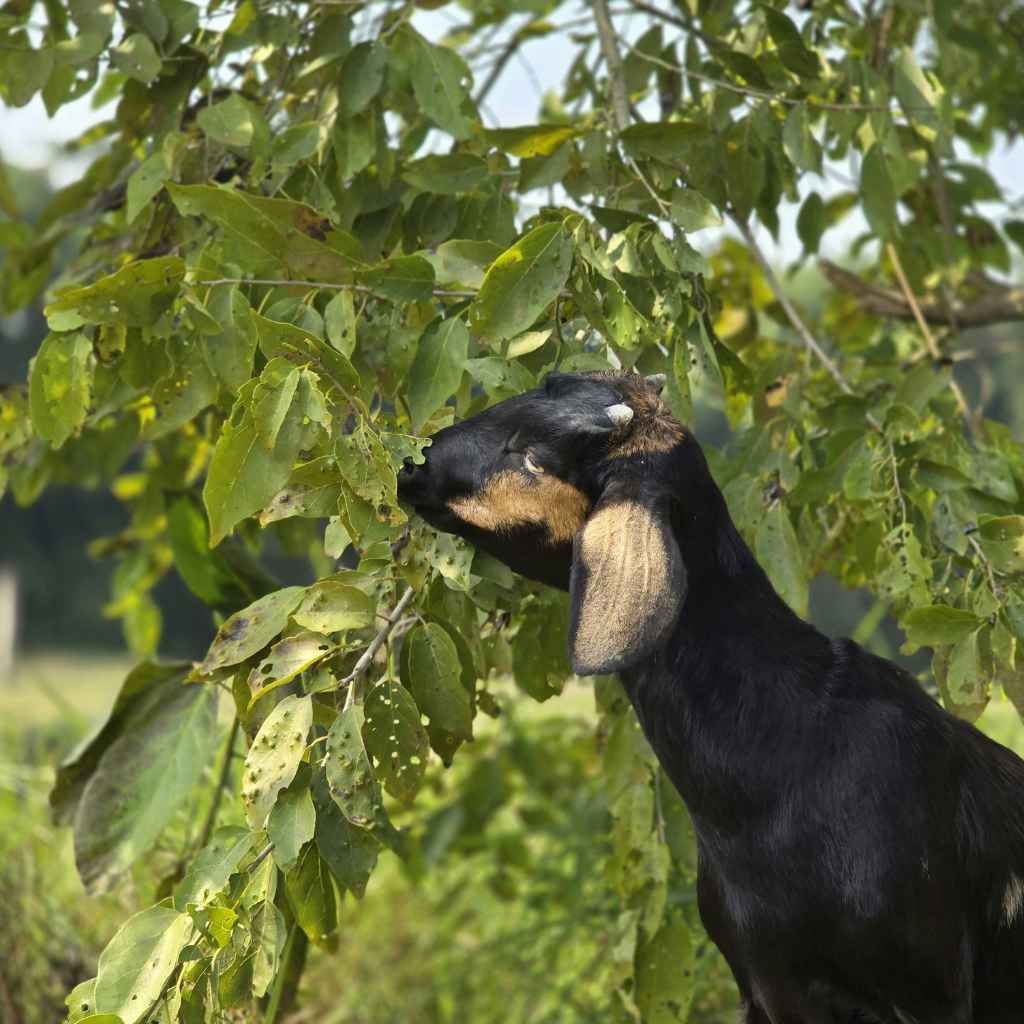
Conclusion: Prioritize Safety
So, to circle back to our main question: Can goats eat cherry tree leaves? The clear and safest answer is no. The risk of cyanide poisoning is too high.
Even a small amount of wilting leaves can be dangerous. It is simply not worth the risk for your beloved goats.
Focus on providing your goats with a safe and varied diet. Ensure their pasture is free of toxic plants like cherry trees. If you have cherry trees, take steps to fence them off or remove them.
Your vigilance in managing their environment is the best way to protect their health and well-being.
Frequently Asked Questions
Are all parts of the cherry tree toxic to goats?
Yes, the leaves, twigs, bark, unripe fruit, and pits of cherry trees all contain compounds that can be toxic to goats. The leaves and twigs, especially when wilted, are of greatest concern due to cyanide release.
How much cherry leaf would it take to poison a goat?
The amount varies greatly. It depends on the cherry variety, the plant’s condition (wilting, frost), and the size of the goat. Even a small amount of wilted leaves can be dangerous for a young or small goat.
It is best to avoid any ingestion.
Can goats eat ripe cherries?
Ripe cherries themselves are generally considered less toxic than the leaves. However, the pits contain cyanide and are also a choking hazard. It is safest to avoid feeding ripe cherries to goats altogether.
What are the first signs of cherry poisoning in a goat?
The first signs often include rapid breathing, increased heart rate, weakness, staggering, and excessive drooling. Symptoms can appear very quickly after ingestion.
What should I do if my goat eats cherry leaves?
Call your veterinarian immediately. Describe what happened and provide details about the suspected amount eaten. Follow your vet’s specific instructions, which may include inducing vomiting or administering a specific antidote.
Are ornamental cherry trees also dangerous?
Yes, ornamental cherry trees, like other varieties, can also be dangerous. All parts of the cherry plant family contain cyanogenic glycosides. It is best to assume all cherry trees pose a risk and prevent access.
How can I keep cherry trees away from my goats?
You can fence off the cherry trees, remove young trees from the pasture, or prune mature trees to keep lower branches out of reach. Regularly inspect the pasture for fallen branches or leaves.
Sponsored / affiliate links. As an Amazon Associate I earn from qualifying purchases. I may earn additional commission from eligible campaigns.