Can Chickens Eat Cherry Tomatoes? The Answer May Surprise
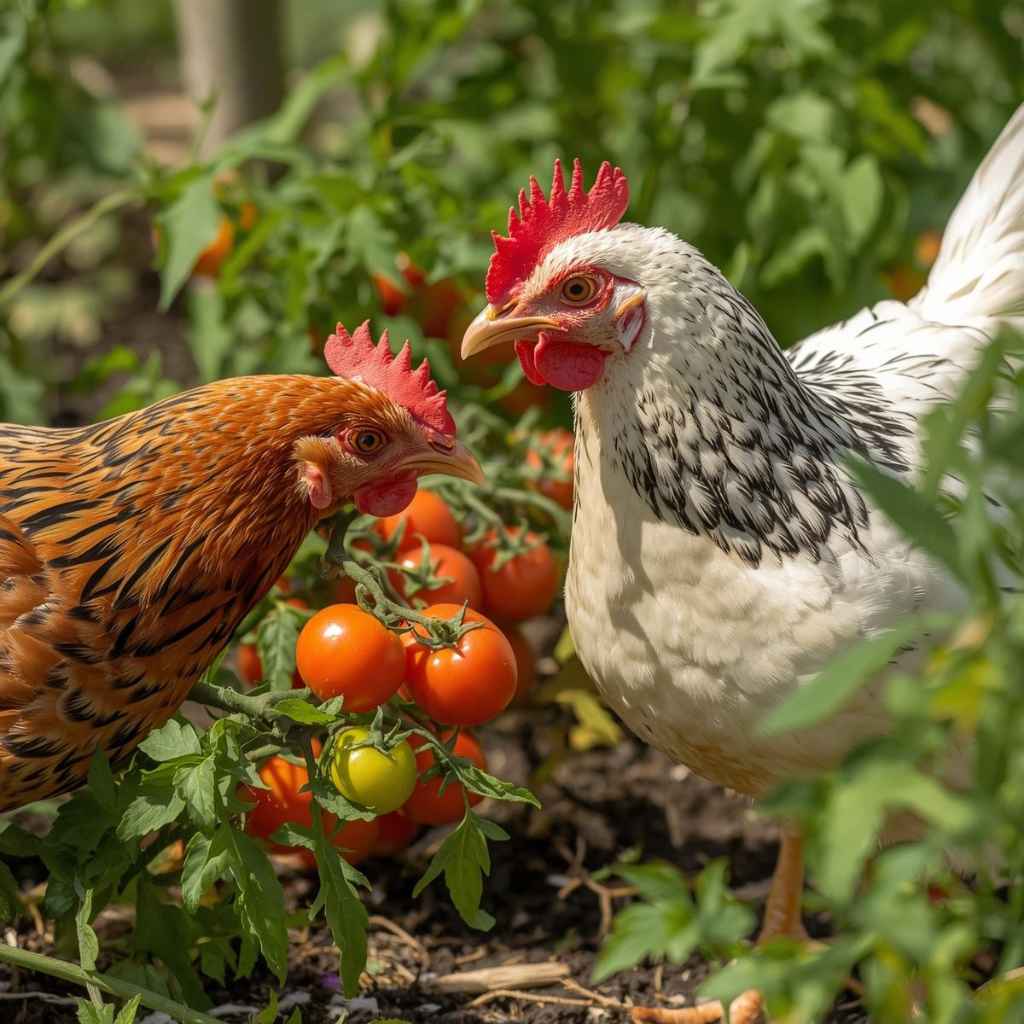
It’s a question many chicken keepers ponder when spotting ripe, juicy cherry tomatoes in their garden. You’ve got a flock of happy birds pecking around, and those little red orbs are just begging to be shared. But before you toss them a handful, a little bit of knowledge can go a long way.
We’ve all been there, wanting to give our feathered friends a tasty treat, but also wanting to be sure it’s safe and healthy for them. Let’s dive into what chickens can and cannot eat, with a special focus on those delightful cherry tomatoes.
Chickens can safely eat cherry tomatoes in moderation as part of a balanced diet. While the fruit itself is generally safe, their leaves and stems contain solanine, which is toxic. Ensure tomatoes are ripe and fed as a treat, not a staple food.
Understanding What Chickens Can Eat
Chickens are natural foragers. They love to scratch and peck at all sorts of things they find. This means they have a pretty wide diet.
In the wild, they’d eat insects, seeds, and greens. In our backyards, we often supplement their feed with scraps and garden goodies. It’s our job to make sure those additions are good for them.
We want them to be healthy, happy, and productive.
Their main diet should always be a good quality chicken feed. This gives them the balanced nutrients they need. But treats can add fun and variety.
They can also boost certain vitamins. We just need to be smart about what we offer. Some foods are great for them.
Others can be harmful, even in small amounts. Knowing the difference is key to keeping your flock safe and sound.
Think of it like feeding kids. They need balanced meals. But a piece of fruit is a great snack.
You wouldn’t just let them eat candy all day. The same idea applies to our chickens. Their feed is their main meal.
Garden treats are like their snacks. We choose healthy snacks for ourselves. We should do the same for our birds.
Cherry Tomatoes: The Fruit vs. The Plant
This is where things get a little nuanced. When we talk about cherry tomatoes, we often mean the juicy fruit that grows on the vine. These fruits are what most people think of when they ask if chickens can eat them.
The good news is, the ripe fruit of the cherry tomato plant is generally safe for chickens. They often enjoy the sweet, watery burst of flavor.
However, the entire tomato plant is not created equal. The leaves, stems, and unripe green tomatoes contain a compound called solanine. Solanine is a glycoalkaloid poison.
It’s found in plants like potatoes and nightshades. In large amounts, solanine can be toxic to many animals, including chickens. It can cause symptoms like upset stomach, weakness, and in severe cases, more serious health issues.
So, the key distinction is between the ripe fruit and the rest of the plant. You would never feed your chickens the leaves of a tomato plant. That would be like feeding them poison ivy.
But the ripe, red cherry tomato is different. It’s the culmination of the plant’s growth, and its sugars and nutrients are what we’re interested in for our birds.
Nutritional Benefits of Cherry Tomatoes for Chickens
When fed correctly, ripe cherry tomatoes can offer some good things for your chickens. They are mostly water, which is great for hydration, especially in warmer weather. This can help keep your flock cool and prevent dehydration.
It’s like giving them a little drink and a snack at the same time.
Tomatoes are also a good source of vitamins. They contain Vitamin C, which is an antioxidant. This helps boost their immune system.
A strong immune system means fewer sick birds. They also have Vitamin A. This is important for good vision and healthy feathers.
Healthy feathers are a sign of a healthy chicken.
The bright red color of tomatoes comes from lycopene. Lycopene is another powerful antioxidant. It’s known for its health benefits in humans.
While we don’t have direct studies on lycopene for chickens, antioxidants are generally beneficial for reducing inflammation and supporting overall health. So, it’s reasonable to assume it can contribute to their well-being.
Let’s break down some of the good stuff:
- Hydration: High water content keeps them cool.
- Vitamin C: Boosts immunity.
- Vitamin A: Good for eyes and skin.
- Lycopene: Antioxidant support.
- Minerals: Small amounts of potassium and others.
These benefits are most pronounced when tomatoes are part of a varied diet. They aren’t a magic food. But they add a healthy, tasty dimension to what your chickens can enjoy.
It’s another reason why offering them ripe fruit is a good idea.
Potential Risks and How to Avoid Them
We’ve already touched on the biggest risk: solanine in the leaves and stems. This is non-negotiable. Never feed those parts of the plant to your chickens.
It’s too dangerous. Always ensure that any tomatoes you offer are only the ripe fruit.
Another consideration is moderation. While ripe tomatoes are safe, feeding too many can cause issues. Their high water content can lead to loose stools if they eat a huge amount.
This isn’t usually a serious problem, but it can be messy and indicate an imbalance in their diet.
Think about it like giving them too much of any good thing. Too much corn can make them overweight. Too much fruit can give them diarrhea.
Cherry tomatoes fall into the “treat” category. They should complement their main chicken feed, not replace it. Aim for them to be no more than 10% of their total diet as a treat.
Here’s a quick rundown of what to watch out for:
- Unripe Tomatoes: Avoid them. They contain solanine.
- Leaves and Stems: Absolutely do not feed these. They are poisonous.
- Overfeeding: Too much can cause digestive upset.
- Moldy Tomatoes: Discard any moldy or rotten tomatoes.
When in doubt, it’s always best to err on the side of caution. If a part of the plant isn’t the ripe fruit, assume it’s not safe. If you’re unsure about the quantity, start small.
Observe your chickens. See how they react. This careful approach will keep your flock healthy.
What “Ripe” Really Means for Chickens
For us, ripe means deep in color and soft to the touch. For chickens, it’s similar. We’re looking for those beautiful, deep red, orange, or yellow colors that indicate the fruit has fully developed and the sugars have increased.
Green tomatoes, even if they look plump, are still unripe. They carry the solanine risk.
I remember one time I was harvesting my garden. I had a basket full of tomatoes. Some were perfectly red.
Others were still a little bit green. My flock was watching me, clucking excitedly. I instinctively wanted to give them everything.
But then I remembered the solanine. I had to be careful and pick out only the fully ripe ones for them.
The difference in taste is also noticeable. Ripe cherry tomatoes are sweet. Unripe ones can be bitter.
Chickens, like most animals, are drawn to sweetness. So, they’ll naturally prefer the ripe ones. But it’s our responsibility to ensure that’s all they get.
The texture is also important. Ripe cherry tomatoes are a bit soft. This makes them easy for chickens to peck and swallow.
Hard, unripe tomatoes might be harder for them to break down. So, aim for that soft, yielding feel that screams “ready to eat!”
In short, “ripe” means:
- Full Color: Deep red, orange, or yellow.
- Soft Texture: Yields slightly to gentle pressure.
- Sweet Smell: A natural, sweet aroma.
This clarity helps ensure you’re giving them the best and safest treat possible.
How to Safely Offer Cherry Tomatoes
Preparation is Key
Always wash cherry tomatoes before feeding them to your chickens. This removes any dirt, pesticides, or other residues.
Cutting Them Up
For smaller chicks or very small bantams, consider cutting the cherry tomatoes in half or quarters. This makes them easier to eat and reduces any potential choking hazard, though it’s rare with small tomatoes.
Feeding Method
Scatter them on the ground or in a designated feeding area. This encourages their natural foraging behavior. You can also put them in a treat dispenser designed for chickens.
Frequency
Offer them as an occasional treat, not as a daily staple. A few times a week is plenty.
When to Worry: Signs of a Problem
Most of the time, feeding ripe cherry tomatoes to chickens is uneventful and positive. However, if something is wrong, your chickens will show you. Being aware of these signs is part of being a good flock guardian.
The most common issue, if they’ve ingested too much or something toxic, is digestive upset. You might notice your chickens have very loose droppings, or diarrhea. Their poop might look watery or have a different color than usual.
This is their body telling you something isn’t right.
Other signs can include lethargy. Chickens might seem unusually tired or uninterested in their surroundings. They might stand with their heads down or feathers fluffed up more than usual.
They might also show a loss of appetite.
In more severe cases of solanine poisoning (which would likely require them to eat a significant amount of leaves or unripe fruit), you might see more serious symptoms. These could include tremors, weakness, stumbling, or difficulty breathing. These are urgent signs and require immediate attention.
If you notice any of these symptoms after feeding your chickens something new, or if you suspect they may have eaten part of the plant they shouldn’t have, it’s best to:
- Remove the suspected food source.
- Observe your birds closely.
- Consult a veterinarian who has experience with poultry if symptoms are severe or persistent.
Usually, a mild case of loose stools from overfeeding tomatoes resolves on its own once the treats are removed or reduced. But it’s always good to be vigilant. Your observation skills are your best tool.
The Role of Chicken Feed in Their Diet
It’s easy to get excited about giving your chickens all sorts of fresh foods. But it’s super important to remember their main meal. A good quality chicken feed is designed to provide everything a chicken needs.
This includes protein, calcium, vitamins, and minerals. Chickens have specific nutritional needs at different stages of life (chick, pullet, layer).
Layers, for example, need a lot of calcium for strong eggshells. If their feed is low in calcium and they aren’t getting enough from other sources, their eggs will suffer. This is why their base diet is so critical.
Treats should never replace this essential nutrition.
I once knew a flock owner who was so eager to give their chickens “natural” food. They fed them mostly kitchen scraps and garden produce. The chickens seemed happy, but their egg production dropped significantly.
Their shells were thin. They also seemed more prone to illness. It took a while to realize their “natural” diet was actually lacking crucial nutrients.
So, when you offer cherry tomatoes or other treats, think of them as adding a little extra sparkle to an already solid foundation. They should be a complement, not the main event. This ensures your chickens get the balanced nutrition required for good health, strong egg-laying, and overall flock vitality.
Quick Scan: Tomato Safety for Chickens
| Part of Plant | Safety for Chickens | Why |
|---|---|---|
| Ripe Cherry Tomato Fruit | Safe (in moderation) | Nutrients, hydration, antioxidants. |
| Unripe Green Tomatoes | Unsafe | Contains solanine, a toxin. |
| Leaves | Unsafe | High concentration of solanine. |
| Stems | Unsafe | Contains solanine. |
| Roots | Unsafe | Contains solanine. |
Real-World Scenarios with Chickens and Tomatoes
Imagine a warm summer afternoon. The sun is beating down, and your garden is bursting with life. Your tomato plants are laden with bright cherry tomatoes.
Your chickens are in their run, looking a little bored. You decide to head out to the garden.
You carefully harvest a basket of ripe cherry tomatoes. You wash them off under the tap. Then, you head over to the chicken run.
As you approach, the familiar sound of happy clucking fills the air. They know something good is coming!
You toss a handful of the juicy tomatoes into the run. Instantly, the chickens flock to them. They peck and gobble them up with enthusiasm.
It’s a moment of joy for you, seeing them so happy and enjoying a healthy treat. This is a common and wonderful scene for many chicken keepers.
Now, consider a different scenario. It’s early spring. Your tomato plants are just starting to grow.
They have small, green fruits on them. A curious chicken manages to sneak into the garden area where the tomato plants are. They start pecking at the leaves, perhaps mistaking them for tasty greens.
This is where things could go wrong. The chicken might ingest a small amount of the leaves or unripe fruit. Later that day, you might notice the chicken is acting a bit off.
It’s quieter than usual, or maybe not eating. This is why vigilance is so important, especially when your chickens have access to parts of plants that aren’t safe.
Another situation: you’ve had a heatwave. Your chickens are struggling with the heat. You want to give them something refreshing.
Ripe cherry tomatoes, especially if they’ve been kept cool, are a fantastic option. Their high water content helps them rehydrate and cool down. It’s a practical solution to a common summer problem for flocks.
These real-world examples show how tomatoes can be a great addition or a potential hazard, depending on how they are managed. It’s all about knowing the difference between the safe fruit and the rest of the plant, and offering them responsibly.
What This Means for Your Flock Management
Understanding the safety of cherry tomatoes for your chickens has direct implications for how you manage your flock and your garden. First and foremost, it means you can confidently offer your birds a healthy, tasty treat.
This can make your gardening more rewarding. You can share the bounty of your harvest with your chickens. It’s a nice way to reduce food waste too.
Instead of letting ripe tomatoes go to waste, you can give them to your flock.
It also means being mindful of your garden layout and your chickens’ access. If you have tomato plants in an area where your chickens free-range, you need to ensure they can’t easily access the leaves and stems, especially when the fruits are unripe or the plants are young. This might involve fencing off certain garden beds or supervising their free-ranging time.
For those who grow their own tomatoes, it’s a chance to harvest and share. You can pluck those perfect cherry tomatoes and give your girls a real treat. It’s a simple act that brings a lot of joy to both the keeper and the birds.
It also encourages a more holistic approach to animal care. Instead of just feeding them feed, we’re thinking about variety, nutrition, and safety. We’re looking at the whole picture of what makes a chicken healthy and happy.
Consider these points for your management:
- Garden Fencing: Protect your tomato plants from eager beaks if necessary.
- Harvesting Strategy: Harvest ripe tomatoes first for treats.
- Supervision: Watch chickens when they are near plants.
- Diet Balance: Always ensure feed is the main diet.
This knowledge empowers you to make better decisions for your flock’s well-being.
Quick Fixes and Tips for Feeding Tomatoes
So, you’ve decided to give your chickens cherry tomatoes. Great! Here are some simple tips to make it even better:
- Wash Thoroughly: Always rinse your cherry tomatoes. This is the first and most important step.
- Cut Larger Ones: If you have larger cherry tomato varieties, cutting them in half can make them easier for all your birds to manage.
- Feed in the Morning or Afternoon: Offering them as a mid-day treat can be a nice pick-me-up for the flock.
- Don’t Overdo It: Remember, they are treats. A small handful per bird is usually plenty.
- Watch for Droppings: If you notice very loose droppings, cut back on the amount of tomatoes.
- Remove Uneaten Portions: If you give them a large amount and they don’t eat it all, remove the leftovers to prevent spoilage or attracting pests.
These aren’t complicated fixes, but they ensure the feeding experience is safe and beneficial. It’s about making the most of this garden bounty for your feathered friends.
Frequently Asked Questions About Chickens and Cherry Tomatoes
Can chickens eat yellow cherry tomatoes?
Yes, chickens can eat yellow cherry tomatoes. The color doesn’t affect their safety as long as the tomatoes are ripe. Yellow varieties, like red and orange ones, are safe when fully ripe and offer similar nutritional benefits.
Avoid any green parts of the plant.
How many cherry tomatoes can I give my chickens?
As a treat, a few cherry tomatoes per chicken, a few times a week, is a good guideline. They should make up no more than about 10% of their total diet. Overfeeding can lead to digestive upset due to their water content.
Are cherry tomato leaves poisonous to chickens?
Yes, the leaves and stems of the tomato plant contain solanine, which is toxic. Chickens should never eat these parts of the plant. Only feed them the ripe fruit of the cherry tomato.
Should I worry about unripe green cherry tomatoes?
Yes, you should definitely worry about unripe green cherry tomatoes. They contain solanine, a natural toxin. While a small bite might not cause severe issues, it’s best to avoid them altogether to prevent any risk of poisoning.
Can baby chicks eat cherry tomatoes?
Baby chicks can eat very small amounts of cherry tomatoes. It’s best to cut them into tiny pieces to prevent choking hazards. Ensure the tomatoes are fully ripe.
However, chicks have delicate digestive systems, so it’s best to introduce any new foods gradually and in moderation, after they have established on their starter feed.
What happens if chickens eat too many cherry tomatoes?
If chickens eat too many cherry tomatoes, they might experience loose stools or diarrhea due to the high water content. This is usually temporary and resolves when you reduce the amount of tomatoes. In rare, extreme cases of eating toxic parts, more serious symptoms could arise.
Are there any health benefits for chickens eating cherry tomatoes?
Yes, ripe cherry tomatoes provide hydration and contain vitamins like C and A, along with antioxidants like lycopene. These can help support the immune system, vision, and overall health of your chickens when offered as part of a balanced diet.
Conclusion
So, can chickens eat cherry tomatoes? The answer is a resounding yes, with a very important condition: only the ripe fruit. These little gems can be a healthy and delightful treat for your flock, offering hydration and valuable nutrients.
Just remember to steer clear of the leaves and stems, and always offer them in moderation as a complement to their balanced chicken feed. Happy gardening and happy flock keeping!