Can Goats Eat Poison Oak? Answering the Question
Figuring out if Can Goats Eat Poison Oak? Expert Answer is something that many people ask. It can be tricky, especially if you’re new to raising goats or managing land. You want to keep your goats safe from harm, and poison oak can be dangerous. Don’t worry; we’ll break this down in simple steps. We’ll look at the details so you can make informed decisions about your goats and their environment. Next, we’ll explore the ins and outs of this common question.
Goats and Their Dietary Habits
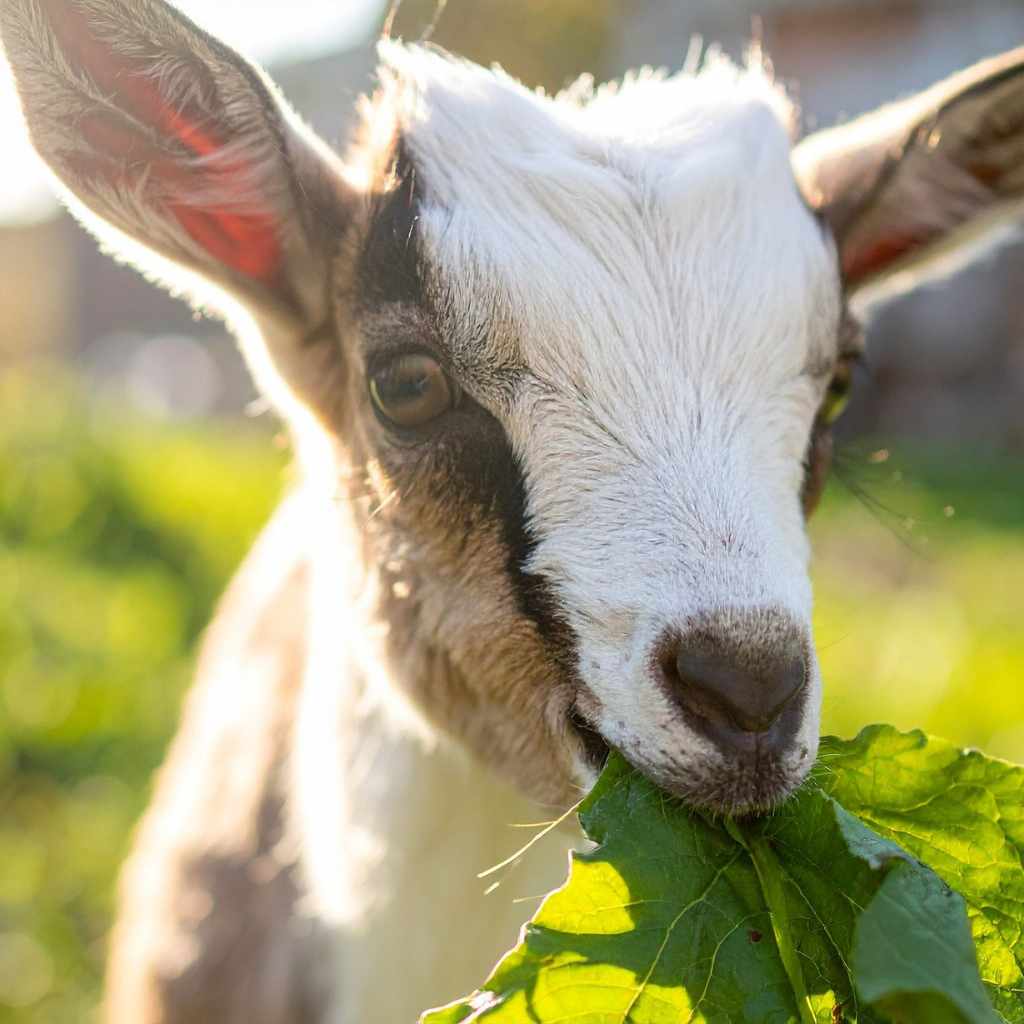
Goats are known for eating a wide variety of plants. They’re naturally curious and will often try new things. This is a big part of what makes goat farming interesting. Goats like to browse, which means they prefer to eat leaves, twigs, and other plant parts, rather than just graze on grass. This browsing behavior can sometimes lead them into contact with plants that might be dangerous.
Understanding what goats eat and why is useful for anyone caring for them. Goats have strong digestive systems that let them eat many kinds of plants. Their stomachs have four parts, which help them break down tough plant material, including grasses, shrubs, and even some trees. This ability to digest various plants helps goats survive in different environments.
Goat Digestive Systems Explained
A goat’s digestive system is designed to process tough plant matter efficiently. The stomach has four parts: the rumen, reticulum, omasum, and abomasum. The rumen is the largest part, acting like a fermentation vat. Inside the rumen, good bacteria, protozoa, and fungi help break down cellulose, a tough substance in plant cell walls. This fermentation process produces nutrients that the goat can absorb. The reticulum filters out large particles and can catch things like wire or nails that the goat might eat.
The omasum absorbs water and minerals. The abomasum is the “true stomach” where acids and enzymes digest the food. This four-part system allows goats to get nutrition from plants that other animals cannot. The digestion process can take up to 24 hours, meaning goats can slowly process their food and get all the nutrients they need.
- Rumen: The primary fermentation site, housing microorganisms that break down plant fibers. The rumen supports the goats’ nutritional needs, allowing them to access the energy stored in the cell walls of plants.
- Reticulum: Acts as a filter, preventing large particles from moving into the rest of the digestive system. The reticulum is next to the rumen and catches foreign objects.
- Omasum: Absorbs water and minerals from the partially digested food, concentrating the nutrients. This step prepares the food for further digestion in the abomasum.
- Abomasum: The “true stomach” where acids and enzymes break down food further. The abomasum releases gastric juices that kill bacteria and further process the food for absorption.
Browsing vs. Grazing in Goats
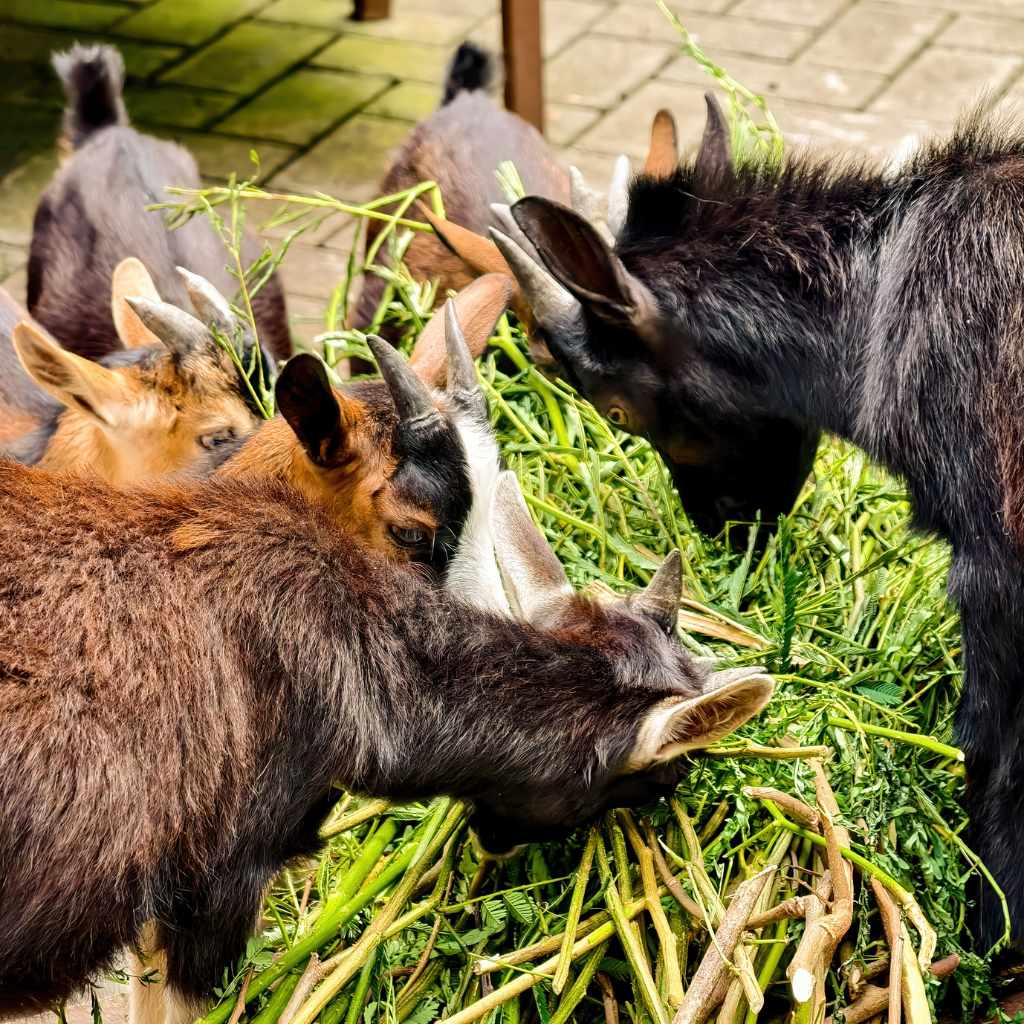
Goats are natural browsers, unlike sheep who are grazers. Browsing means they eat leaves, twigs, and shoots of trees and shrubs, rather than just grass. Their browsing behavior helps keep goats from grazing grass constantly. This can improve the health of pastures. Browsing also means they can eat different types of plants, including those that are higher up. This behavior impacts how you manage their diet and the type of plants they encounter.
Goats’ browsing habits offer them a wide range of nutrients. This also means they come into contact with various plants, some of which are not safe. Managing the environment where goats browse helps prevent them from eating things that can be toxic.
- Preference for Leaves and Twigs: Goats naturally select leaves and twigs because they offer a variety of nutrients. Their browsing behavior gives them access to food sources that may be out of reach for grazers.
- Impact on Pasture Management: Browsing helps control weeds and undergrowth, reducing the need for herbicides. Rotating goats through different areas gives the plants time to recover, and can improve the quality of the pasture.
- Environmental Benefits: Browsing helps shape the plant life in a pasture, helping to diversify the plant species. They help clear brush in the area. This can prevent wildfires.
What Is Poison Oak? Understanding the Plant
Poison oak is a plant that can cause a rash if you touch it. It’s part of the same family as poison ivy and poison sumac. The plant contains an oil called urushiol. It can cause an itchy, blistering rash on human skin. This plant is often found in wooded areas, along roadsides, and in open fields. It’s important to learn how to identify it to keep people and animals safe.
Poison oak can be a shrub or a vine. The leaves usually grow in groups of three, and they often have a smooth, shiny surface. The leaves can be green, red, or yellow, depending on the season. The plant can also produce small, white flowers and, later, small, cream-colored berries. Being able to recognize these features helps you identify and avoid the plant.
Identifying Poison Oak
Learning how to identify poison oak is a helpful skill. Poison oak is tricky because it can look different based on the season. A good way to remember poison oak is the phrase “leaves of three, let it be.” This means if you see leaves growing in groups of three, it’s probably best to avoid them.
Poison oak leaves can change colors, going from green in the spring and summer to red or yellow in the fall. The leaves have smooth edges or have lobes that look like oak leaves. The plant can grow as a shrub or climb as a vine. The plant can spread widely in different areas. Be careful when hiking or working outdoors.
- Leaf Arrangement: Poison oak always has leaves growing in groups of three. This is one of the easiest ways to identify the plant.
- Leaf Shape and Texture: The leaves may be smooth or lobed, and they may have a shiny surface. The texture may look a bit waxy.
- Plant Form: Poison oak can grow as a low-lying shrub or as a vine that climbs trees. Its growth habit can vary based on the environment.
The Danger of Urushiol Oil
Urushiol oil is the main reason poison oak causes problems. The oil is in every part of the plant. It’s very sticky and can stay on surfaces like tools, clothing, and animal fur. This oil is what causes the itchy, blistering rash. You don’t have to touch the plant directly to get exposed. You can get a reaction from touching anything that has the oil on it.
Even small amounts of urushiol can cause an allergic reaction in most people. Some people are more sensitive than others. The rash appears a few hours or days after contact. Symptoms include itching, redness, swelling, and blisters. The rash usually fades within a few weeks. The oil can be spread if you scratch the rash or touch other objects. Cleaning any objects that might have been exposed is very important.
- Allergic Reaction: Urushiol causes an allergic reaction, which is your body’s response to a foreign substance. The reaction varies in how serious it is from person to person.
- Modes of Exposure: Contact with the plant, touching contaminated items, and even smoke from burning poison oak can cause exposure. This means you must be careful about direct contact and indirect contact.
- Duration and Severity: The rash can last for one to three weeks. The severity depends on the amount of urushiol and your sensitivity. Treatment may include over-the-counter creams, oral medication, or visiting a doctor.
Can Goats Eat Poison Oak? The Answer
This is a common question, and the answer is complex. Goats do eat many plants. Some people think that because they have strong digestive systems, they can eat poison oak without problems. While it may be true that goats can tolerate small amounts of urushiol, it is best to err on the side of caution. It’s often recommended that goats should not be allowed to eat poison oak.
The main reason to avoid letting goats eat poison oak is because of the urushiol oil. While goats may not be affected by the oil, they can still carry the oil on their fur. If you come into contact with a goat that has urushiol on its fur, you could get a rash. It is important to remember that safety first is always best when it comes to poison oak.
Goats and Urushiol Sensitivity
Goats may have a lower sensitivity to urushiol compared to humans, but that doesn’t mean they’re immune. Some research suggests that the goat’s digestive system may break down some of the urushiol. It is possible that they are less affected by the oil. However, there is not enough scientific agreement on this topic. This means that we do not know for sure the impact of poison oak.
Even if goats aren’t affected by urushiol, they can still spread the oil. When a goat eats poison oak, the oil can get on its fur. If you touch the goat, you could get the rash. Also, it’s possible the oil could remain in the goat’s manure. This creates a risk for anyone working with the goat.
- Potential for Consumption: Goats might consume small amounts of poison oak without showing immediate symptoms. This could be due to their unique digestive systems.
- Risk of Transmission: Urushiol can stick to a goat’s fur and be transferred to humans via touch, leading to an allergic reaction. This is the biggest risk.
- Variability in Sensitivity: Just as with humans, goats may show varying levels of sensitivity. The amount of poison oak and the individual goat’s health can impact the reaction.
Risks for Humans
The primary risk from goats eating poison oak is to humans. If a goat has urushiol on its fur and you touch it, you can get a rash. This contact can happen if you are handling the goat, grooming it, or even just walking past it. It’s also possible to spread the oil through clothing and equipment that has come into contact with the goat. This means you should wash all gear.
The rash caused by urushiol is uncomfortable and can last for several weeks. The seriousness of the rash depends on how much oil you are exposed to. Prevention is the key. Be careful with goats that might have been around poison oak. You can protect yourself by wearing gloves, long sleeves, and pants when working with your goats. Washing your hands and clothes can minimize the risk.
- Direct Contact: Touching a goat with urushiol on its fur is the most common way to get exposed. Avoid this to minimize the chance of getting a rash.
- Indirect Contact: Clothes, tools, and equipment can also carry urushiol. The oil is sticky and transfers easily. Thoroughly clean anything that might be contaminated.
- Severity of Reaction: Symptoms can range from mild itching to severe blistering. Individual sensitivity and the amount of contact determine how serious the reaction will be.
Managing Goats Near Poison Oak: Safety First
If you have poison oak on your property, you need to manage it safely for your goats and yourself. The best thing is to get rid of the plant. If you can’t remove it, you can take steps to reduce the risk of exposure for your goats and yourself. Regularly check the areas where your goats graze for poison oak. Be aware of where the poison oak is, and then take the right steps to control it.
Careful planning is helpful for avoiding contact with poison oak. You can use fencing to keep goats away from areas with poison oak. You should also teach yourself, your family, and workers about poison oak. Recognizing the plant and knowing how to avoid it are important safety measures.
Fencing and Grazing Management
Fencing is a good way to keep your goats away from poison oak. You can use different types of fencing, depending on your needs. When planning your fence, consider the goats’ browsing behavior. Goats like to reach for leaves and other plants, so you may need a tall fence to protect areas with poison oak. Make sure the fence is in good condition and can keep goats from climbing or going through it.
Rotating grazing areas can also help. This gives the goats access to fresh areas and gives the pasture time to rest. You can move the goats to different areas to keep them away from areas with poison oak. Check the fence regularly. Replace any worn parts. Make sure the fence is working properly to keep the goats safe.
- Fence Types: Electric fences, woven wire fences, and other types are all helpful. Choose the best fence for the area and the goats.
- Fence Placement: Position fences to keep goats away from areas with poison oak. Think about where the goats like to graze and how they will try to reach plants.
- Pasture Rotation: Rotate grazing areas so goats don’t overgraze any one area. This supports plant health and gives you control over their access.
Removing and Controlling Poison Oak
Removing poison oak is an effective long-term solution. You can pull the plants by hand, but you must wear protective clothing to avoid contact with urushiol. Wear gloves, long sleeves, pants, and eye protection. Make sure you remove the entire plant, including the roots, to prevent it from growing back. After removing the plant, wash all tools and clothing carefully. Dispose of the plants properly by burning them or putting them in a sealed trash bag.
Herbicides are another way to control poison oak. Choose a product that is labeled for use on poison oak and follow all instructions on the label. Some herbicides can be harmful to animals and the environment. Consider using herbicides in areas that are not accessible to your goats. Be extremely careful when applying herbicides and wear protective gear.
- Manual Removal: Carefully pull up the plants, including the roots. Wear protective gear, such as gloves, long sleeves, and pants, to avoid contact with urushiol.
- Herbicide Use: Apply herbicides carefully, following the label instructions. Make sure that you are using the right product and wearing the right gear.
- Prevention and Maintenance: Keep an eye on areas where poison oak has been removed. Pull any new plants that appear. Regular maintenance prevents the plant from spreading.
What to Do if You Suspect Exposure
If you or your goats come into contact with poison oak, act quickly to reduce the risk of a reaction. For people, washing the exposed area with soap and water as quickly as possible is important. You should also wash any clothing or equipment that may have come into contact with the plant. Goats can carry the oil on their fur, so you must also manage the goats. Take immediate steps if you think you’ve been exposed to poison oak.
Goats that have been in contact with poison oak need to be handled carefully. Wear gloves and protective clothing when handling the goats. If you see signs of a rash on your goat, consult a vet. Remember that prevention is better than treatment. Regular checks and careful planning are key to keeping your goats and yourself safe. Act quickly after potential exposure to minimize the impact of urushiol.
Human Exposure First Aid
If you think you’ve come into contact with poison oak, immediate action can minimize the reaction. Wash the exposed skin with cool water and soap within minutes of contact. Use a soap that removes oils. Rinse well to remove all traces of the urushiol. After washing, wash the clothing and equipment that touched the plant. Then you should rinse these items separately from other laundry.
If a rash appears, you can use over-the-counter treatments to relieve itching and reduce inflammation. Calamine lotion and hydrocortisone cream are common choices. For more serious reactions, a doctor may prescribe stronger medication. If the rash spreads or becomes severe, you should seek professional medical help. The best solution is to avoid contact, wash immediately if there is contact, and seek medical help when needed.
- Immediate Washing: Wash the exposed skin with cool water and soap as soon as possible after contact. This will help to remove the oil and reduce the severity of the reaction.
- Clothing and Equipment: Wash clothes and equipment with soap and water. Urushiol oil is sticky. If you don’t remove it, you can keep spreading the oil and causing more reactions.
- Treatment Options: Use over-the-counter creams, such as calamine lotion or hydrocortisone, to relieve itching and inflammation. If the rash is serious, see a doctor.
Goat Care After Potential Exposure
If your goats might have come into contact with poison oak, take some steps. Inspect your goats carefully for signs of exposure. This may include a rash, swelling, or excessive scratching. Even if you don’t see signs, take precautions. You should wear gloves and protective clothing when handling your goats. This will prevent exposure.
If you see signs of a rash, contact a vet. They can tell you what to do to care for your goat. Clean any tools and equipment used to handle your goats. Washing these items will prevent the spread of urushiol oil. Regular checks of your goats and the area they roam helps you identify and avoid poison oak. This allows you to handle the situation quickly.
- Inspection: Examine your goats for signs of exposure, such as a rash, swelling, or excessive scratching. Early detection is helpful in treatment.
- Protective Measures: Wear gloves and protective clothing when handling your goats. This stops the spread of urushiol oil.
- Veterinary Consultation: If you see signs of a rash or suspect exposure, talk to a vet. They can help you with what to do.
Frequently Asked Questions
Question: Can goats get a poison oak rash?
Answer: It’s unlikely that goats will show a rash. Goats might eat poison oak without apparent symptoms. However, they can carry urushiol oil on their fur, which can cause a rash in humans.
Question: Should I let my goats eat poison oak to clear it from my property?
Answer: It is not recommended to let goats eat poison oak. While they might eat it, they can still carry the oil on their fur. This can lead to a human rash. The safety of people and goats is always the most important factor.
Question: How can I tell if my goats have been near poison oak?
Answer: Watch your goats for skin irritation. Check their fur for oil residue. Check the area where they graze. If you’re concerned, wear protective clothing and gloves when handling your goats.
Question: What do I do if I think my goat has poison oak oil on its fur?
Answer: Wear gloves and protective clothing to handle the goat. Wash the area thoroughly with soap and water to remove any oil. Contact your veterinarian to ask for advice.
Question: What’s the best way to prevent goats from contacting poison oak?
Answer: The most effective method is to remove poison oak from the grazing areas. Use fences. Regularly inspect the pasture. Teach yourself and your workers to identify and avoid the plant. Regular monitoring and planning will help.
Final Thoughts
When asking Can Goats Eat Poison Oak? Expert Answer, remember that the answer is not simple. While goats may tolerate the plant, the real risk is to humans who handle them. Goats can carry the oil on their fur. If you’re managing goats around poison oak, you should think about safety first. Taking action is more important than worrying.
You can manage this problem by removing poison oak, fencing off infested areas, and being aware of the risks. Regular monitoring and quick responses are key. If you think your goats have come into contact with poison oak, take fast action. By following these steps, you can help keep your goats safe and protect yourself. Remember that knowledge and careful action will let you safely manage goats near poison oak.