Can I Cut an Oak Tree Down? Your Guide to Safe Removal
Thinking about cutting down an oak tree can feel tricky. You might wonder, Can I Cut an Oak Tree Down? What to Know is a common question, and it’s easy to get confused. Many things come into play, like local rules, your tree’s health, and safety. Don’t worry, this guide will break everything down step-by-step. We’ll explore the things you need to consider before you start. Let’s get started with what you need to know!
Before You Begin: Legal Matters and Tree Health
Before you even think about grabbing a chainsaw, you need to check the local regulations. Cities, towns, and even neighborhoods often have rules about tree removal. These rules can change based on where you live. It’s really about protecting the environment and ensuring things look good. Also, you need to make sure the tree is actually okay to remove. A healthy tree provides many benefits, so you want to be sure it’s necessary.
Check Local Rules on Tree Removal
This is your first step. Tree removal laws are usually aimed at protecting trees and making sure things are done safely. Ignoring these rules can lead to fines, so it’s best to know the score before getting started. It helps to keep your neighborhood green, since trees are so important for nature.
- Contact Your Local Government: The easiest way is to call your city or town hall. Ask about any tree removal permits you might need. There’s probably an arborist department. They will point you in the right direction.
- Homeowners Association (HOA) Guidelines: If you live in a neighborhood with an HOA, check their rules. They often have specific guidelines about tree removal and what you can do on your property. They may require certain tree replacements.
- Review Zoning Laws: These rules can also affect what you’re allowed to do. You can usually find zoning information online on your local government’s website. They control what type of trees can grow on your property.
Many cities have arborist or forestry departments that regulate tree removal. The permit process often involves an inspection to assess the tree’s health and the reason for removal. Always keep copies of all the paperwork.
Assess the Tree’s Condition
Once you’ve got the green light, or even before, take a close look at the tree. This helps figure out if it really needs to be removed. Removing a healthy tree is a last resort. If the tree is sick, it could be dangerous if it is decaying. You need to know before you start. Assessing the tree will give you some key information.
- Look for Signs of Disease: Look for things like fungus, dead branches, or unusual growths. Any of these could mean the tree is sick. Certain tree diseases, like oak wilt, can be a major problem.
- Check for Structural Weakness: See if there are cracks, splits, or any leaning that seems excessive. These problems can make the tree unsafe. If there are, it could cause big trouble later.
- Inspect the Roots: Check if the roots are damaged or have any problems. Roots are vital for a tree’s health. Any root damage can weaken the tree.
If you’re unsure about the tree’s health, it’s a good idea to get an expert involved. A certified arborist can tell you if the tree is sick, safe, or if it really needs to come down.
Safety First: Tools, Gear, and Safe Practices
Cutting down a tree can be dangerous, so you need to put safety first. It requires proper gear, good tools, and the right approach. When you work safely, you keep yourself and your property safe. This is especially true when working with big trees.
Essential Safety Gear
Before you even touch a tool, make sure you have the right gear. Proper gear can make a big difference in preventing injuries. Safety first is the most important part of this whole process. Don’t skip this!
- Chainsaw Protective Gear: This includes a chainsaw helmet with a face shield and ear protection. You will need chainsaw chaps to protect your legs. Always wear sturdy work boots to protect your feet.
- Eye Protection: Always wear safety glasses or goggles to prevent any wood chips or debris from getting into your eyes. It only takes a second for something to get in your eye.
- Gloves: Get work gloves that fit well and give you a good grip. It’ll help you handle the chainsaw or other tools. Good gloves are a must!
- Proper Clothing: Wear long sleeves and pants made of durable material. Avoid loose clothing that could get caught in the machinery.
Always make sure your chainsaw is in good condition, and that your safety gear is up to standard. The right tools and gear will help you get the job done properly.
Choosing the Right Tools
The right tools are essential for safe and efficient tree removal. You will need a chainsaw for the cutting, but other tools are also useful. You can get the job done more easily when you have the right equipment. Using the wrong tools can be really dangerous.
- Chainsaw: A chainsaw with the right bar length for the tree size is key. Make sure the chain is sharp. You can also use a pole saw for reaching high branches without using a ladder.
- Axe or Hatchet: These are helpful for removing small branches. They also help with splitting wood after the tree is down.
- Wedges: Use wedges to help direct the fall of the tree and prevent the chain from getting pinched.
- Measuring Tape: You need to measure the tree, and measure the distance for safe falling. This way you’ll know that things are safe.
- Rope and Pulley System: This can be vital for larger trees. It lets you lower cut sections safely.
Before you start, make sure you know how to safely use each tool. This knowledge is especially important when using a chainsaw.
Safe Cutting Techniques
Knowing how to cut a tree safely is extremely important. Never work alone. Tell someone where you are going. Always make sure you understand the basics before you begin. Practice is a must.
- Directional Felling: Plan where the tree will fall and clear the area. The wind can have an impact on the way the tree falls, and you’ll want to take that into account.
- Undercut and Back Cut: Make a proper undercut, then a back cut. This will help you control which way the tree falls. The undercut determines the direction.
- Avoid Over-Reaching: Always keep your feet planted on solid ground. Don’t stretch or overreach, because it can be dangerous when using a chainsaw.
- Watch for Falling Branches: Keep an eye on the branches above you. They can fall unexpectedly. Be sure to look up to make sure nothing is falling.
- Emergency Plan: Know how to shut off the chainsaw quickly. Have a clear escape path planned.
Remember, it’s always best to have help and take your time. With practice, you’ll become more comfortable with these techniques.
Detailed Tree Removal Steps: A Step-by-Step Guide
Once you’ve prepared your site, it’s time to remove the tree. This process requires precision, patience, and good technique. Following each step correctly will make the entire process safer.
Preparing the Area
Preparation means creating a safe workspace. A properly prepared area is vital for avoiding accidents. You must inspect the area around the tree before you do anything else.
- Clear the Area: Remove any obstacles, like rocks, branches, or equipment. Clear a wider area than you think you will need.
- Plan Your Escape Path: Ensure you have a clear route to move away from the falling tree. The path should be free of obstructions. You must have a way out!
- Check for Overhead Hazards: Look for power lines, weak branches, or anything that could fall during the process. This will ensure your safety.
- Notify Neighbors: Let your neighbors know what you are doing. This way, they will know what is happening.
Planning can greatly reduce any potential problems. Double-check everything, then you can begin.
Making the Undercut and Back Cut
These two cuts control the direction of the tree’s fall. Making these cuts correctly ensures the tree falls where you want. If the cuts aren’t good, there is a good chance the tree might not fall the way you expect.
- Undercut: Make a cut at a 45-degree angle. This cut should go about one-third of the way through the tree. A proper undercut is a crucial step.
- Back Cut: Make the back cut slightly above the horizontal part of the undercut. Don’t cut all the way through; leave a hinge of wood.
- Hinge: The hinge is the uncut wood between the undercut and the back cut. It guides the tree as it falls. A correctly made hinge is essential for safety.
- Felling Wedge: As you make the back cut, insert a wedge to prevent the chain from getting pinched.
Always cut slowly and precisely. These cuts are key for a successful tree removal.
Felling the Tree and Removing the Branches
Felling is the moment the tree comes down. It’s when your planning and technique come together. After that, you can remove the branches.
- Complete the Back Cut: Carefully finish the back cut, watching the tree for any movement. Remove the wedge. You’ll want to know how the tree is going to fall.
- Watch the Fall: As the tree falls, watch its direction and immediately move along your escape path. The falling tree can be dangerous, so be prepared to leave the area quickly.
- Limbing: Once the tree is on the ground, remove the branches. Start from the base.
- Bucking the Trunk: Cut the trunk into manageable pieces. This will make the clean-up easier.
When the tree is down and the limbs are removed, make sure everything is clear of the area. This is a very important part of the job!
Oak Tree Considerations: Unique Challenges
Oak trees have special characteristics that can make removal a little different. Oak trees often have tough wood and specific health issues. Knowing these things can help you remove the tree safely.
Common Oak Tree Problems
Oak trees can have problems. Knowing the common issues can help. Being prepared is half the battle!
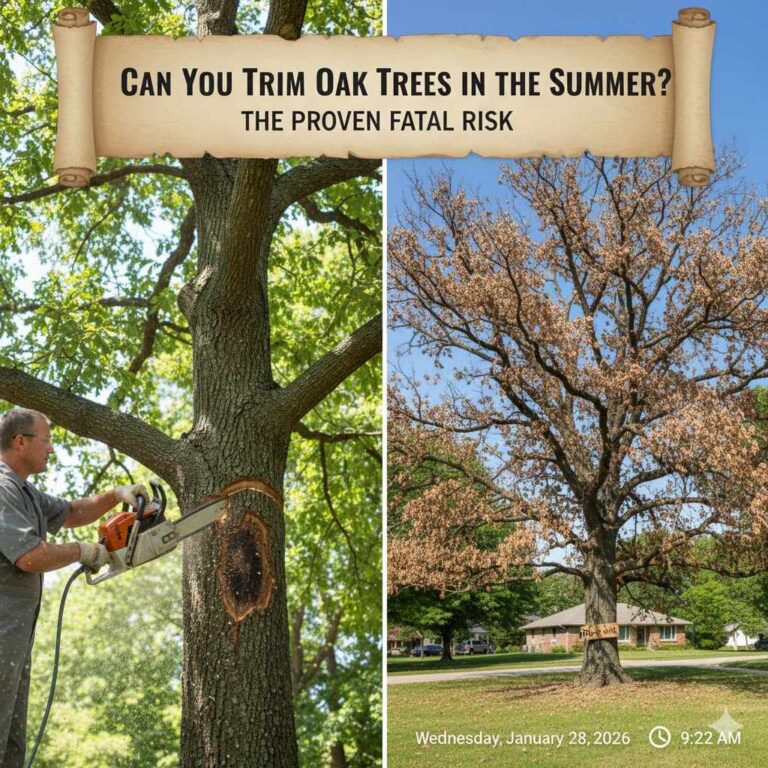
- Oak Wilt: This is a serious disease that can kill oak trees. Look for symptoms like wilting leaves, especially during summer.
- Structural Issues: Old oak trees can develop weak spots. Check for cracks, cavities, and signs of decay.
- Brittle Wood: Oak wood can be brittle. This means it may break easily. It is something to keep in mind.
Be ready to tackle any problems. Keep a close eye on the tree’s health.
Managing Oak Wood
Oak wood is a valuable resource. It’s strong and durable, and can be used for things like furniture or firewood. However, oak wood can also be heavy. Knowing how to handle the wood will help you to get the job done properly.
- Cutting and Splitting: Oak wood is dense, so it can be difficult to cut and split. Use a sharp chainsaw and a sturdy splitting maul.
- Seasoning: Seasoning means letting the wood dry. This makes it burn better. Oak wood needs a long seasoning time.
- Storage: Store the wood in a dry place to prevent rot. A wood shed is perfect!
Proper handling will give you the most benefit from the oak wood.
When to Call a Professional Arborist
There are situations when it’s better to hire a professional. Safety, experience, and the size of the tree will help you decide. An expert can make all the difference.
Signs You Need Professional Help
Several signs indicate when you should call an arborist. Safety is the most important factor. The arborist can get the job done right!
- Large or Dangerous Trees: Tall trees, or trees near power lines, are best left to professionals. There is more risk.
- Uncertainty About Health: If you’re not sure about a tree’s health, an arborist can provide an accurate assessment. Get some answers from an expert.
- Complex Situations: Trees in tight spaces or near buildings can be tricky. An arborist can solve the problem.
Don’t try to take on a job that’s beyond your skill level or comfort zone. A professional can deal with difficult situations.
Choosing and Working with a Professional
Finding a good arborist is essential. You want someone who is qualified and experienced. Getting the right person makes the process much easier.
- Check Credentials: Look for a certified arborist. This means they’ve met certain training and experience requirements. Certification is important.
- Get Multiple Quotes: Get quotes from several arborists. This lets you compare prices and services. Compare to get the best deal.
- Insurance and References: Make sure the arborist has insurance and can provide references. It’s important to find the right person for the job.
- Communication: Ask questions, and share your expectations. Good communication will lead to a successful job.
Choosing the right professional will protect you and your property.
Frequently Asked Questions
Question: Do I need a permit to cut down an oak tree?
Answer: It depends on your local laws. Check with your city or town hall, or your homeowner’s association to find out. Some require a permit before you can begin.
Question: What’s the best time of year to cut down an oak tree?
Answer: The best time is typically during the dormant season, like late fall or winter. This reduces the risk of disease spread and makes the wood easier to handle.
Question: How can I tell if an oak tree is diseased?
Answer: Look for signs such as wilting leaves, fungus, dead branches, or unusual growths. If you’re unsure, consult a professional.
Question: What do I do with the wood after the tree is down?
Answer: You can use it for firewood, or contact a lumber mill. Oak wood is a valuable resource. Properly store the wood in a dry place.
Question: Is it safe to cut down a tree near power lines?
Answer: No. It’s extremely dangerous. This is a job for professionals. Call a utility company before you start.
Final Thoughts
The decision to remove an oak tree involves several steps. Before you start, check your local rules, assess the tree’s health, and take steps to protect yourself. Use proper tools and gear. Be sure to know how to safely cut and remove the tree. Sometimes, calling a professional arborist is the best option. Remember, taking your time, being careful, and making safety a priority will help you. Always be safe. By following these steps, you can tackle the process with greater confidence. Remember, you can do it!