Can I Put Wood Ash In Compost: Essential Guide
Yes, you can put wood ash in compost, but with important limitations. Wood ash adds valuable minerals like potassium and calcium, acting as a liming agent to balance compost acidity. However, excessive ash can harm your compost pile by making it too alkaline and can introduce contaminants if from treated wood. Learn the right way to add it for a richer compost.
Hey there, fellow DIYers and garden enthusiasts! As a woodworking mentor, I’ve learned that a well-maintained workshop often leads to a bountiful garden, and that’s thanks to smart composting. One question that pops up around the fire pit and the compost bin is: “Can I actually put wood ash in my compost?” It’s a great question because we all want to make the most of our resources, turning scraps into gardening gold. You’ve seen that pile of fluffy grey ash from your fireplace or fire pit and wondered if it’s a secret garden booster or a compost killer. It can be both! Let’s clear up the confusion and get you adding wood ash the right way. We’ll cover what type of ash is safe, how much to use, and why it matters for your compost and your plants. Ready to transform that leftover ash into nutrient-rich goodness for your soil?
What is Wood Ash and Why Consider It for Compost?
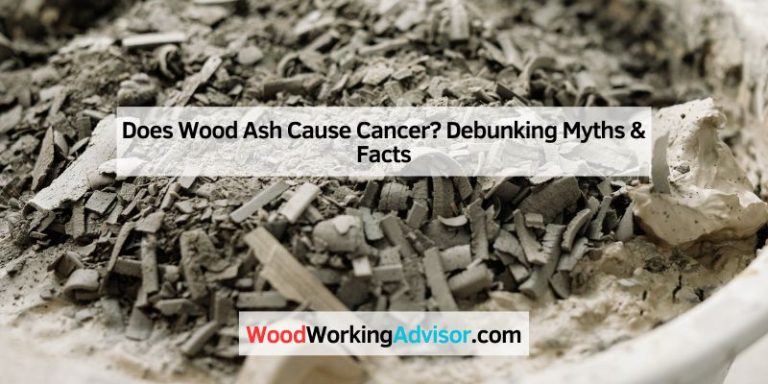
Wood ash is the powdery residue left after burning wood. When you’re working with wood, whether it’s for heating your home, enjoying a backyard bonfire, or even from scrap lumber (more on this later!), you’re bound to have some ash. This ash isn’t just waste; it’s packed with essential minerals that plants need to thrive. Think of it as a natural fertilizer. Key components include:
- Calcium: Crucial for strong cell walls in plants. It also helps to neutralize acidic soils, which is why wood ash is often referred to as a liming agent.
- Potassium: Essential for overall plant health, flowering, and fruiting.
- Phosphorus: Important for root development and energy transfer within the plant.
- Trace Minerals: Including magnesium, zinc, and copper, though in smaller amounts.
The allure of adding wood ash to compost is that it can help balance the pH of your compost pile. Many common compost ingredients, like grass clippings and certain food scraps, can make the compost slightly acidic over time. Adding a small amount of wood ash can bring the pH back into a more neutral range, which is ideal for the microorganisms that break down organic matter in your compost. A neutral pH also means that nutrients are more readily available to plants when you use the compost.
According to the Oregon State University Extension, wood ash can be a beneficial soil amendment for certain gardens, particularly those with acidic soil conditions. However, they also emphasize the importance of moderation and knowing your soil’s needs.
The Golden Rules: When Can You NOT Put Wood Ash in Compost?
While wood ash sounds like a fantastic addition, there are critical times when you absolutely should not add it to your compost. Ignoring these rules can turn your beneficial ash into a compost killer or worse. These aren’t just suggestions; they’re essential for a healthy compost pile and safe gardening practices.
1. Never Use Ash from Treated or Painted Wood
This is probably the most important rule. Wood that has been treated with chemicals (like old pressure-treated lumber) or covered in paint, stains, glues, or other finishes should never be burned for ash to use in compost. These treatments contain toxins that can leach into your compost and then into your soil, potentially harming your plants, beneficial soil organisms, and even ending up in the food you grow. Always know the source of your wood.
2. Avoid Ash from Manufactured Fire Logs or Briquettes
Many commercially produced fire logs and charcoal briquettes contain additives or binders to help them burn. These aren’t pure wood and can introduce unwanted chemicals into your compost. Stick to ash from 100% natural, untreated hardwood or softwood.
3. Stay Away from Ash if Your Compost is Already Alkaline
Wood ash is alkaline. If your compost pile, or your garden soil for that matter, is already near neutral or leaning towards alkaline, adding more ash can make it too alkaline. Extremely alkaline conditions can prevent plants from absorbing essential nutrients like iron and manganese, leading to deficiencies and poor growth. It’s best to test your compost’s pH before adding significant amounts of ash. A simple pH test can tell you.
4. Don’t Add Ash from Diseased Plants or Weeds
If you’re burning wood that had diseased plants or persistent weeds on it, the resulting ash might contain viable seeds or pathogens. While the heat of a typical home fireplace might not be enough to kill all seeds and diseases, it’s a risk you don’t want to take with your compost, which you’ll eventually spread on your garden. Stick to ash from clean, healthy wood.
5. Use Caution with Softwoods
While softwood ash (from pines, firs, etc.) can be used, hardwood ash (from oak, maple, fruit trees, etc.) is generally considered superior. Hardwood ash tends to have a higher mineral content and a more balanced pH effect compared to softwood ash. If you have a choice, opt for hardwood ash.
The “How-To”: Adding Wood Ash to Your Compost Pile
So, you’ve confirmed your ash is safe and suitable. Great! Now, how do you actually add it without overwhelming your compost system? It’s all about balance and a light touch. Think of it like seasoning your food – a little goes a long way.
Step 1: Cool It Down Completely
This is a safety first measure, just like in the workshop. Never add hot ash to your compost. Let it cool down thoroughly in a metal container, away from anything flammable. This ensures no lingering embers can start a fire in your compost bin.
Step 3: Get the Right Type of Ash
As discussed, only use ash from 100% natural, untreated, unpainted wood. Hardwood ash is often preferred.
Step 4: Consider the pH Balance
A healthy compost pile typically has a pH between 6.0 and 7.5. Wood ash is alkaline (pH around 10-12). Adding too much can rapidly raise the pH, hindering the composting process. If you’re unsure, it’s wise to get a compost pH test kit, or do a simple test on your soil first. For most home compost setups, a small amount is usually fine. If your garden soil is naturally acidic (common in some regions), wood ash can be especially beneficial.
Step 5: Add it Sparingly and Evenly
Don’t dump a whole bucket of ash on one spot. Instead, sprinkle a thin layer of cooled ash over the compost materials. Think of it as a light dusting. The general rule of thumb is to add no more than 1-2 inches of ash for every 6-12 inches of compostable material. More is definitely not better here.
Step 6: Mix It In
After sprinkling the ash, turn your compost pile. This helps to distribute the ash evenly throughout the pile, preventing pockets of high alkalinity and ensuring good contact with the other organic materials. Mixing also aerates the pile, which is crucial for healthy decomposition.
Step 7: Observe Your Compost
Keep an eye and nose on your compost pile. If it starts to smell strongly of ammonia, you might have added too much ash, or it might be too wet. If the material seems to be breaking down very slowly, it could be that the pH is off. Adjust your additions accordingly.
How Much Wood Ash is Too Much?
This is where moderation is key. Over-application of wood ash can do more harm than good. Here’s a guideline:
General Rule: Sprinkle a thin layer, no more than 1–2 inches, of wood ash for every 6–12 inches of compostable material. This means for a typical 3x3x3 foot compost bin, you might add a thin dusting (a couple of handfuls spread thinly) per turning, and only do this a few times throughout the entire composting cycle.
Here’s a table to help visualize:
| Compost Layer Thickness | Recommended Wood Ash Layer (Sprinkled Thinly) | Frequency (Example for a turning event) |
|---|---|---|
| 6 inches | 0.5 – 1 inch | Once every few weeks during active composting |
| 12 inches | 1 – 2 inches | Once during the composting cycle, or sparingly |
Why this much only?
- pH Shift: Too much ash will quickly make your compost too alkaline, slowing down or stopping the decomposition process entirely.
- Nutrient Lock-up: High alkalinity can lead to nutrient tie-ups, making them unavailable to the microbes in the pile and later to your plants.
- Texture Change: Large amounts of fine ash can clump together, reducing aeration and creating a dense, less permeable compost mass.
The U.S. Environmental Protection Agency (EPA) provides excellent resources on composting, emphasizing balancing “greens” (nitrogen-rich materials) and “browns” (carbon-rich materials) for ideal decomposition. While not specifically mentioning ash, the principle of balance is universal for a healthy compost pile. Wood ash acts differently than typical greens or browns, so its addition requires a mindful, light application to maintain that crucial balance.
Benefits of Adding Wood Ash to Compost
When used correctly, adding wood ash to your compost offers some excellent advantages for both your compost pile and your garden:
- pH Balancing: As mentioned, ash helps neutralize acidity. This is particularly beneficial in compost made from a lot of acidic “green” materials like citrus peels or coffee grounds, or for gardeners with naturally acidic soil.
- Nutrient Boost: It introduces vital minerals like potassium and calcium, which are essential for plant growth, flowering, and fruiting. This means your compost becomes an even richer, more complete fertilizer.
- Improved Soil Structure: The calcium in wood ash can help flocculate clay soils, improving drainage and aeration when composted and applied.
- Pest Deterrent (Minor): Some gardeners believe that a light dusting of ash around plants can deter certain soft-bodied pests like slugs and snails due to its abrasive nature and alkalinity. While not a primary pest control method, it can offer a small added benefit.
- Faster Decomposition (in balanced amounts): By helping to maintain a neutral pH, wood ash can create a more favorable environment for the beneficial bacteria and fungi that break down organic matter, potentially speeding up the composting process if the pile was previously too acidic.
Wood Ash vs. Other Compost Additives
It’s helpful to see how wood ash fits into the broader composting picture. Here’s a quick comparison:
| Additive | Primary Benefit | When to Use | Cautions |
|---|---|---|---|
| Wood Ash | Adds potassium, calcium; neutralizes acidity | In moderation, for acidic compost or soil | Can make compost too alkaline; only from untreated wood |
| Coffee Grounds | Adds nitrogen, improves soil structure | Good “green” material; adds bulk | Can become matted if too much is added without aeration |
| Eggshells | Adds calcium | Crushed fine for faster decomposition | Slow to break down if not crushed; primarily calcium |
| Grass Clippings | Adds nitrogen | In thin layers to avoid matting and odor | Can become slimy and anaerobic if piled too thick |
| Kitchen Scraps (Veggie/Fruit) | Adds nitrogen, diverse nutrients | Good “greens” matter | Avoid meat, dairy, oily foods; can attract pests if not buried |
Wood ash is unique in its direct liming effect. While other additions provide specific nutrients or bulk, ash actively modifies the compost’s chemical environment. This is why mindful application is so important – you’re not just adding material; you’re influencing the chemistry of decomposition.
Frequently Asked Questions (FAQ)
Q1: What kind of wood ash is safe for composting?
Only ash from 100% natural, untreated, unpainted, and unfinished wood. This includes hardwoods and softwoods, as long as they haven’t been chemically treated or coated.
Q2: How often can I add wood ash to my compost?
Add wood ash sparingly. A light dusting, equivalent to 1-2 inches spread thinly over a layer of compostable material, only when you turn or add new materials, and not every time. Over-adding is the biggest mistake.
Q3: My compost pile is starting to smell bad, could it be the wood ash?
It’s possible. Too much wood ash can raise the pH too high, making the compost too alkaline for the beneficial microbes. This can slow decomposition and sometimes lead to ammonia smells. Try turning the pile to aerate and consider not adding ash for a while.
Q4: Can I put ash from my barbecue grill in compost?
Generally, no. Barbecue charcoal briquettes often contain chemical additives and binders that are not suitable for compost. If you used pure lump charcoal made from only natural wood and cooled completely, a very small amount might be okay, but it’s safer to avoid it.
Q5: How do I know if my compost needs wood ash?
Wood ash is most beneficial if your compost is too acidic or if your soil is acidic. You can test your compost or soil pH. If it’s below 6.0, a small amount of ash can help bring it closer to neutral. If it’s already at 7.0 or higher, avoid adding ash.
Q6: Will wood ash kill beneficial worms in my compost bin (if I have one)?
A very small, properly mixed amount of wood ash is unlikely to harm worms, as it helps maintain a more neutral pH. However, introducing large clumps or excessive amounts of ash can create a zone that’s too alkaline for them, causing stress or death in that specific area. Always mix it thoroughly and use it sparingly in worm bins.
Q7: Can I use ash from burning pine or other softwoods?
Yes, ash from softwoods can be used, but hardwood ash is generally preferred because it’s usually richer in calcium and other minerals and has a slightly less aggressive alkalinity. If softwood ash is all you have, use even smaller amounts than you would with hardwood ash.
A Final Word of Encouragement
Composting is a journey, much like woodworking. Both involve transforming raw materials into something valuable and functional. Just as you learn to respect the grain of wood and the nuances of a chisel, understanding your compost pile and how different elements affect it is key to success. Wood ash, when treated with respect and used mindfully, can be a wonderful addition, boosting your compost’s nutrient profile and helping to create that perfect, crumbly soil amendment your garden craves.
Remember the core principles: safety first, know your materials, moderation is key, and observe your results. Start with a tiny bit, see how your pile responds, and adjust from there. You’ll be amazed at how this simple, often overlooked byproduct of burning can contribute to a healthier, more vibrant garden. Happy composting, and happy gardening!