Can I Use Glue As Silicone? Proven Best
Mixing up glue and silicone is tempting when you’re mid-project! The short answer is no, you should generally not use standard glue as a direct substitute for silicone sealant. Silicone offers superior flexibility, waterproofing, and high-temperature resistance specifically designed for sealing joints and gaps, not bonding. While some specialized adhesives, like Marine Glue, share similar qualities, traditional options like wood glue or super glue will fail when exposed to moisture and movement, leading to costly leaks and repairs later on. Always use the right sealant for a waterproof job.
Hey there, folks! It’s Meraj, and I know exactly how frustrating it is when you’re deep into a DIY project and realize you’re missing the right sealant. You stare at that tube of waterproof wood glue or construction adhesive and wonder, “Can I just use this glue instead of running back to the hardware store for silicone?”
It’s a common question, especially for home repairs around the kitchen or bathroom. We want a quick fix that lasts! While many glues are incredibly strong for bonding materials, silicone sealant serves a very specific, crucial role: filling gaps and keeping water out while maintaining flexibility. Using the wrong product can turn a quick fix into a major leak problem down the road. Don’t worry, I’m here to simplify the sealing game. We’ll look at what sets these products apart, why they aren’t interchangeable, and what real substitutes work best.
The Difference Between Glues and Sealants: Why It Matters
Before we dive into substitutes, let’s quickly understand the fundamental jobs of glue versus silicone sealants. This awareness is the foundation of good, long-lasting DIY work.
Think of it this way: glues are designed primarily for bonding, and sealants are designed primarily for sealing and flexibility.
What is Glue (Adhesive)?
Glues, or adhesives, are formulated to create an extremely rigid, strong bond between two surfaces. When they cure, they lock the materials together, preventing them from moving. Common types include wood glue (PVA), super glue (Cyanoacrylate), and construction adhesives.
- Primary Function: Hold two materials together permanently.
- Key Characteristic: High tensile strength, rigid cure.
- Best Used For: Joining wood panels, fixing broken ceramics, or attaching drywall.
What is Silicone Sealant?
Silicone is a polymer based on silicon. It’s often called a caulk, and it’s specifically designed to fill joints—like the space between a bathtub and a tile wall. These joints are always slightly moving due to temperature changes or building shifts. Silicone is designed to stretch and compress with that movement.
- Primary Function: Fill and seal gaps, preventing water and air intrusion.
- Key Characteristic: Extreme flexibility and excellent water resistance.
- Best Used For: Sealing windows, bathrooms, kitchens, and exterior joints exposed to weather (Source: Environmental Protection Agency on Sealants).
The main reason you can’t use standard rigid glue as silicone is movement. A rigid glue will crack immediately when movement occurs, breaking the seal and leading to leaks.
Can I Use Specific Glues As a Silicone Substitute?
While most standard glues are entirely unsuitable for sealing applications, there are specialized hybrid products (often called construction adhesives or marine glues) that blur the line between adhesive and sealant.
Let’s look at the most common types DIYers consider:
1. Construction Adhesive (Polyurethane or Hybrid Polymer)
Many construction adhesives, such as PL Premium, come in tubes that look exactly like silicone caulk. These are much stronger and thicker than standard glues and offer a degree of flexibility.
The Verdict: Limited Substitute
Pros: Offers superior bonding strength, decent water resistance, and slight flexibility. Excellent for exterior trim or adhering sink basins.
Cons: More rigid than silicone. If the joint moves significantly (like around a shower curtain rod or a bathtub base), it will eventually crack. It is also often much harder to apply neatly and clean up.
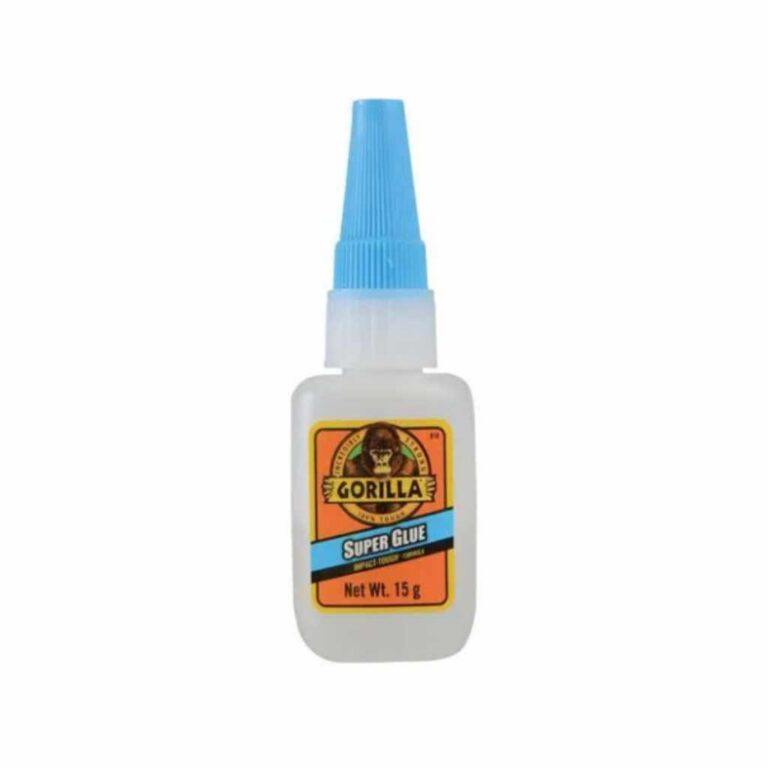
2. Polyurethane Adhesives (Like Gorilla Glue)
Polyurethane glues are famous for their strength and water activation. When they cure, they expand slightly and become incredibly hard.
The Verdict: Poor Substitute
Pros: Very strong bond, decent water resistance once cured.
Cons: Extremely rigid. Zero flexibility for movement joints. Cleanup is notoriously difficult, and its foaming action makes it unsuitable for neat beading (caulking) applications.
3. Waterproof Wood Glue (PVA)
We often use Titebond III or other exterior-grade PVA glues in woodworking. They handle moisture well, but their function remains bonding wood fibers.
The Verdict: No Substitute
Pros: Excellent for woodworking.
Cons: Completely rigid when dry. If used to seal a gap between, say, a counter and a backsplash, it will crack and allow water penetration immediately upon expansion or contraction of the surface. Wood glue is entirely designed for compression joints, not expansion joints.
To keep your projects leak-free and durable, always prioritize flexibility and water resistance over sheer bonding strength when dealing with sealing tasks.
| Product Type | Primary Purpose | Flexibility (Sealing Score) | Waterproof Suitability | Verdict on Using as Silicone |
|---|---|---|---|---|
| Silicone Sealant (Caulk) | Sealing expansion joints | Excellent (5/5) | Excellent | This is the standard. |
| Construction Adhesive (Hybrid) | Heavy-duty bonding & light sealing | Good (3/5) | Very Good | Use only in low-movement areas. |
| Polyurethane Glue | Bonding and gap filling (rigid) | Poor (1/5) | Good (but sealant will fail) | Avoid for sealing joints. |
| PVA Wood Glue | Bonding porous materials (wood) | None (0/5) | Varies (usually D3/D4 standard) | Never use as a sealant. |
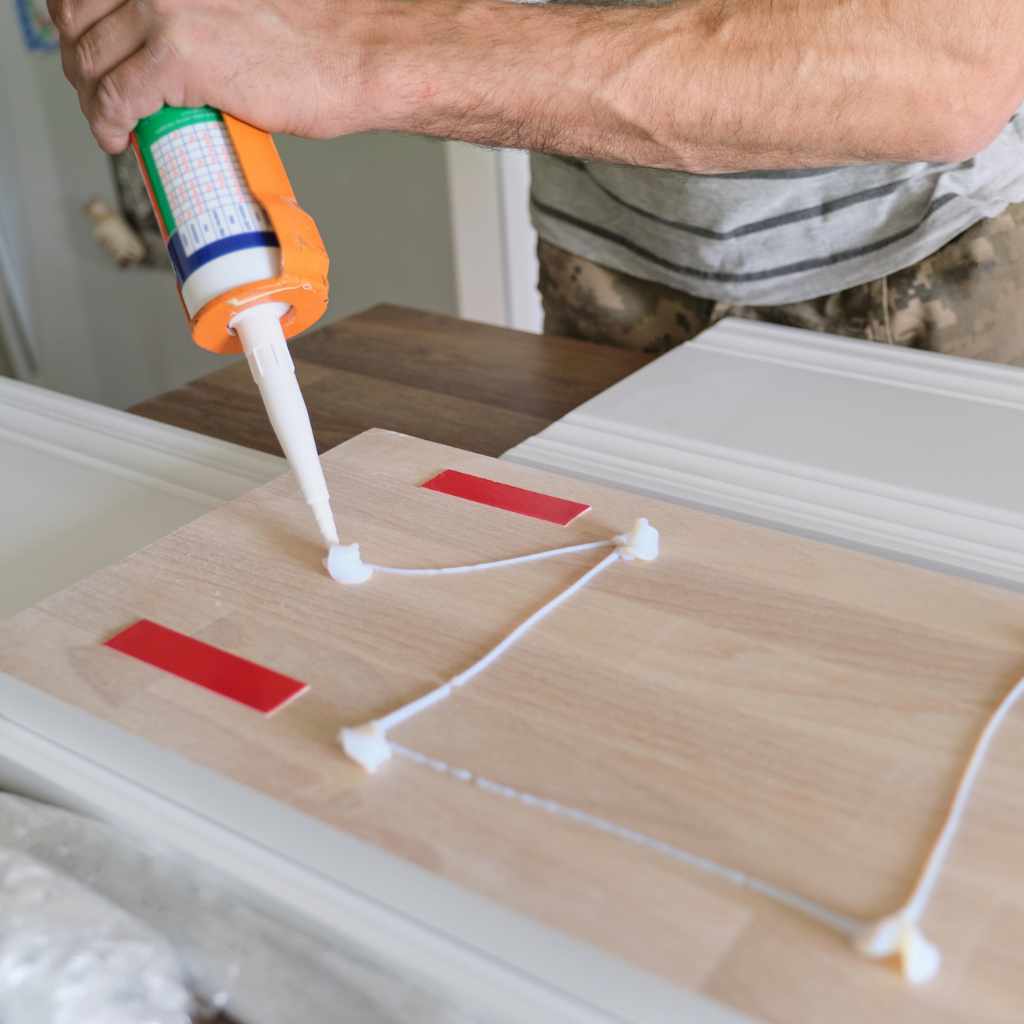
Proven Best Practices: Real Alternatives to Silicone
If you absolutely cannot use 100% silicone sealant, perhaps due to painting needs (most silicone is not paintable) or compatibility issues, you have far better alternatives than rigid glues.
These products are specifically categorized as ‘sealants’ or ‘caulks,’ designed for the same job as silicone but based on different chemistries.
Best Alternative 1: Acrylic Latex Caulk (Painter’s Caulk)
This is the go-to alternative, especially when you need to paint over the sealed area. Latex caulk is very easy to work with and cleans up instantly with water.
When to use Acrylic Caulk:
These are best for joints and gaps that see very little moisture and minimal movement. Think baseboards, crown molding, door frames, or filling hairline gaps in bookshelves before painting.
- Choose a high-quality, paintable formula.
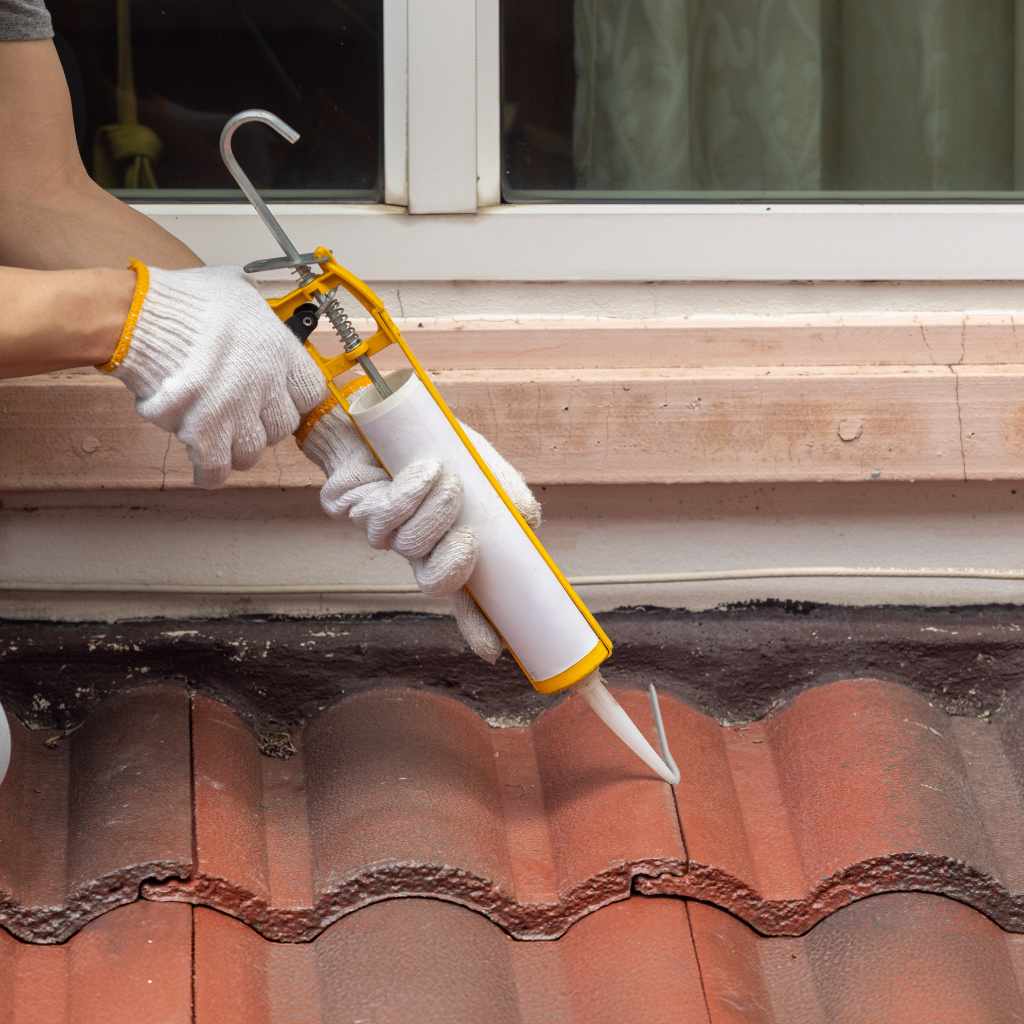
- Apply it meticulously using a caulk gun.
- Smooth the bead with a damp finger or specialized tool.
- Let it cure fully (usually 24 hours) before painting.
Warning: Never use acrylic caulk in high-moisture areas like inside a shower or around a sink that gets constant splashing. It will soften, mildew, and fail over time.
Best Alternative 2: Modified Silicone Polymer (MSP) or Elastomeric Sealants
These hybrid sealants (often labeled “Kitchen and Bath” or “Adhesive Sealant”) give you the best of both worlds. They bond better than pure silicone, offer fantastic flexibility, and some formulas are paintable.
Key Features of MSP Sealants:
MSPs cure quickly, adhere to almost any substrate (metals, plastics, glass), and offer excellent durability and weather resistance. Look for products that specifically state they are flexible and suitable for wet areas.
- High Adhesion: Bonds to materials where pure silicone might struggle (e.g., specific plastics).
- Paintable Option: Many MSP sealants are formulated to accept paint, solving silicone’s biggest limitation.
- Durability: Excellent resistance to UV rays and extreme temperatures, making them ideal for outdoor work like sealing deck joints or window frames.
Step-by-Step Guide: How to Apply Sealant for a Perfect Finish
Whether you choose silicone, acrylic, or an MSP, the application technique is the same. Good application is key to ensuring the seal lasts. Let’s make sure you get a professional, watertight result.
Equipment Checklist
- Caulking Gun (smooth rod vs. ratchet style—a quality smooth rod gun offers better control)
- A utility knife or box cutter
- Denatured alcohol or rubbing alcohol (for cleaning/prep)
- Blue painter’s tape
- Smoothing tools (specialized plastic tools or just a damp finger/wet rag)
Phase 1: Preparation (Don’t Skip This!)
Preparation is 80% of the job. A clean surface ensures adhesion, and that’s what makes your seal last.
- Remove Old Material: If you are replacing old silicone or caulk, use a scraper and a utility knife to remove every scrap.
- Clean Thoroughly: Use denatured alcohol or a specialized cleaner to wipe down the joint. This removes soap scum, mildew, dust, and any unseen residue. The area must be bone dry before you apply the new sealant.
- Tape the Edges: This is my secret weapon for clean lines, especially with messy silicone. Apply blue painter’s tape parallel to the joint, leaving only the gap you want to fill exposed. Aim for a gap width of about 1/4 inch (6mm).
Phase 2: Cutting and Loading
The size of your cut determines the size of your bead. Start smaller—you can always cut more!
- Cut the Tip: Use your utility knife to cut the cartridge nozzle at a 45-degree angle. The opening should be slightly smaller than the joint you are filling (usually 1/8 to 3/16 inch).
- Puncture the Seal: Use the wire built into the caulk gun (or a long nail) to puncture the inner foil seal inside the nozzle base. Failure to do this means you won’t get any product out!
- Load the Gun: Pull back the plunger rod, insert the cartridge, and push the rod forward until it engages the base of the cartridge.
Phase 3: Application
Confidence and consistency are key here! Move smoothly, without stopping.
- Apply the Bead: Hold the gun at a 45-degree angle. Apply steady, even pressure to the trigger while dragging the gun smoothly along the joint. Push the bead into the joint, don’t just lay it on top.
- Release Pressure: Once you reach the end of the joint or need to reposition, immediately press the release mechanism on the back of the caulk gun to stop the flow. This prevents excess sealant from oozing out.
Phase 4: Tooling and Finishing
Tooling is smoothing the bead into the joint. Do this immediately, before a skin forms on the sealant.
- Smooth the Joint: Dip your finger (or a specialized tool) in a small amount of warm, soapy water (for silicone) or tap water (for acrylic). Run it along the freshly applied bead in one continuous motion, gently pressing the sealant into the joint and removing excess.
- Remove the Tape: This step is critical! Peel the painter tape away immediately while the caulk is still wet. Pull it slowly and at an angle away from the joint. If you wait until the sealant cures, you risk pulling up the perfect seal you just created.
- Allow to Cure: Check the manufacturer’s instructions. Most silicones require at least 24 hours before exposure to water, but deep joints might need longer (up to 48–72 hours).
By following these steps, you ensure that whatever suitable sealant you use—silicone or a smart alternative—you get a watertight, beautiful seal that looks professional and lasts for years.
Troubleshooting: Common Sealant Mistakes
I’ve seen beginners struggle with these issues time and time again. A quick fix now prevents a warranty call later!
Mistake 1: Not Pre-Taping the Joint
The Problem: When you smooth the bead, excess sealant spreads out onto the surrounding tile or wood. This leads to a messy finish that’s hard to clean and attracts dust/dirt.
The Meraj Fix: Invest 5 minutes in applying painter’s tape (Step 3 in Phase 1). When you peel it off immediately after tooling, you are left with a razor-sharp, perfect edge.
Mistake 2: Applying Sealant Too Thickly or Too Thinly
The Problem: A thin bead lacks the body and flexibility needed to stretch, leading to early cracking. A bead that’s too thick simply wastes product and looks sloppy.
The Meraj Fix: Aim for a bead that’s about 1/4 inch wide and 1/8 inch deep (6mm x 3mm). If your gap is wider than 1/2 inch, you should look at using a backing rod (a foam tube) first to shallow the joint before applying the sealant.
Mistake 3: Showering Too Soon
The Problem: The tube says “tacks up in 1 hour” and you think it’s ready. But the surface skin is just the beginning. The sealant needs deep curing time.
The Meraj Fix: Be patient! Wait the full 24–48 hours before exposing bathroom seals to water. If you expose the uncured sealant, water can penetrate and prevent proper curing, leading to failure and mildew growth (Source: check the specific chemical curing time on your product’s tube).
Summary Comparison: Silicone vs. Construction Caulk
When selecting your product, thinking of the job’s priority—flexibility or paintability—will guide your choice. Here is a quick review of the main differences between pure silicone and a common hybrid building caulk.
| Feature | 100% Silicone Sealant | Acrylic/Latex Caulk |
|---|---|---|
| Primary Use Location | High-movement, high-moisture areas (showers, exterior siding). | Low-movement, low-moisture areas (interior trim, gaps in drywall). |
| Flexibility & Elasticity | Excellent. Can stretch and compress significantly. | Fair to Medium. Can crack easily under heavy movement. |
| Paintable? | Generally no (paint will peel off). | Yes, easily accepts most latex and oil-based paints. |
| Cleanup | Mineral spirits, solvent, or heavy scraping (difficult). | Water and rag (very easy). |
| Longevity | 10+ years (Superior mold/mildew resistance). | 3–5 years (Prone to mildew without additives). |
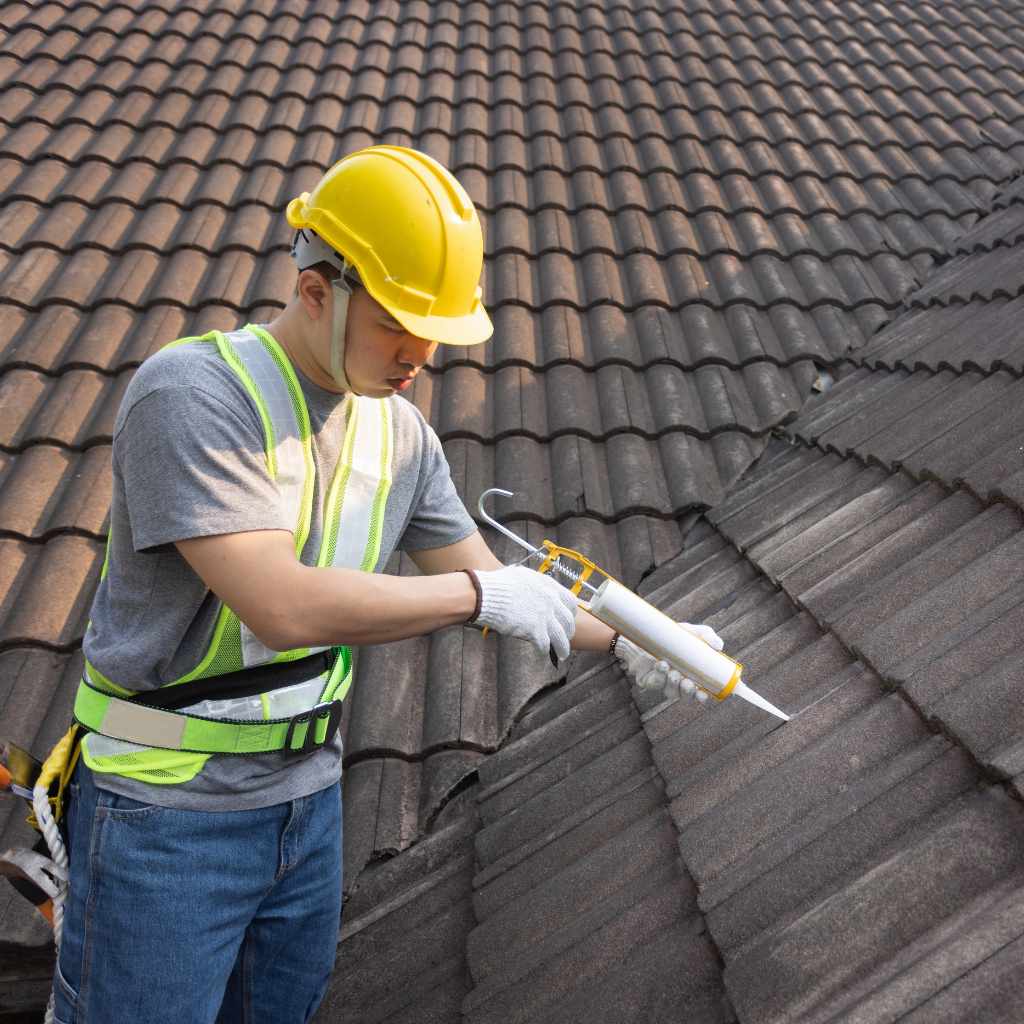
Frequently Asked Questions (FAQ)
Can super glue (cyanoacrylate) be used to seal a bathtub leak?
Absolutely not. Super glue is designed for rigid, instant bonding of tight-fitting pieces. When dried, it has no flexibility. The moment the bathtub or shower pan shifts (which they always do), the super glue seal will crack, causing the leak to reappear immediately.
What is the best type of sealant for outdoor windows?
For outdoor use, you need maximum weather resistance and UV stability. 100% pure silicone or specialized elastomeric Modified Silicone Polymer (MSP) sealants are the best choices. They resist sun exposure, extreme temperatures, and provide long-term, flexible waterproofing.