How Long Does Tacky Glue Take to Dry? Tack vs. Full Cure Times
Tacky glue tacks in about 5-10 minutes, feels dry to the touch within 30-45 minutes, and needs roughly 24 hours to fully cure to its maximum strength. The exact time depends on how thick you applied it, the material you’re bonding, and the humidity in your workspace – but those three numbers are the ones to plan your project around.
Quick Answer: Tacky Glue Drying Times
Here’s the short version before we get into the details: tack dry in 5-10 minutes (the glue grabs and stays put), surface dry in 30-45 minutes (safe to handle gently), and fully cured in about 24 hours (maximum bond strength, ready for washing or heavy use). If you’re working on a deadline, skip to the “Tips to Speed Up Drying Time” section below.
Best Original Tacky Glue Pick
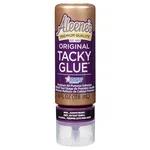 |
Aleene’s Original Tacky Glue, 4 fl oz – $5.79 The exact formula behind the real dry-time numbers in this guide – tacks in minutes and reaches full cure faster than most all-purpose craft glues.
|
Understanding Tacky Glue
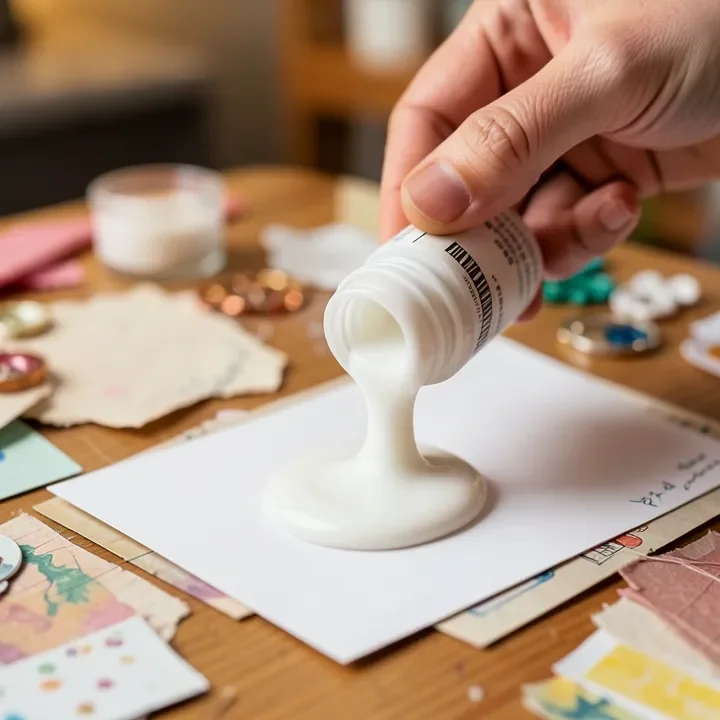
Tacky glue is a thick, water-based craft adhesive built to grab surfaces almost the instant it touches them – that’s where the name comes from. It goes on white or slightly cloudy so you can see your placement, then dries clear as the water in the formula evaporates. It works on fabric, paper, cardboard, felt, light wood, and some plastics, which is why it’s a staple in most craft boxes alongside hot glue and super glue.
Factors Affecting Drying Time
The environment and materials you’re using play a big role in how long tacky glue actually takes to dry. Here’s what moves the number up or down:
Humidity: Tacky glue dries by evaporation, so humid air slows it down. On a muggy day, expect the low end of every range in this guide to stretch out.
Temperature: Warmer rooms speed up evaporation; a cold garage or basement will noticeably slow drying.
Airflow: Moving air carries moisture away from the glue line. A stuffy, closed room adds time.
Amount of glue: A thin, even bead dries far faster than a thick glob. Too much glue pools, and pooled glue can take hours longer – and may seep through thin fabric or paper.
Material porosity: Paper and thin fabric pull moisture out of the glue as they absorb it, so they dry faster. Smooth plastic or dense wood only lose moisture from the surface, so they take longer.
Surface prep: Dust, oil, or leftover moisture on either surface interferes with bonding and can leave the joint tacky longer than it should be.
Typical Drying Times for Tacky Glue
Those factors shift the numbers, but here’s what to expect under normal room conditions (around 70°F, moderate humidity):
Tack Dry (Initial Grab): Usually 5-10 minutes. The glue is sticky and holds pieces in place, but it isn’t strong enough yet for any real stress on the joint.
Surface Dry (Set Dry): Typically 30-45 minutes. No longer wet to the touch and won’t leave fingerprints, but the bond still hasn’t reached full strength.
Full Cure (Maximum Strength): Roughly 24 hours. All the water has evaporated and the adhesive has formed its permanent bond. For anything that will be washed, worn, or stressed – fabric projects, structural pieces – wait for this stage before you consider the job done.
What Aleene’s Own Product Testing Shows
Most drying-time advice online is a rounded guess. Aleene’s, the brand behind the original tacky glue formula, actually publishes its own test data: in its testing, a 3mm coat of Original Tacky Glue at 70-73°F reaches surface dry in roughly 37-47 minutes – slightly longer than the “no thicker than a dime” thin coats most tutorials assume. For full cure, Aleene’s states a minimum of 12 hours for the bond to reach working strength, but recommends 24 hours to be safe, or up to 48 hours in high humidity or with thicker applications. That’s a useful gap to know about: if you only wait the 12-hour minimum on a thick or humid-day application, you’re cutting it closer to the edge of the bond’s real strength than the popular “overnight and it’s done” advice suggests.
Comparing Tacky Glue to Other Adhesives
It’s helpful to see how tacky glue stacks up against other common craft adhesives.
| Adhesive Type | Initial Tackiness | Tack Dry Time | Set Dry Time | Full Cure Time | Best For |
|---|---|---|---|---|---|
| Tacky Glue | High | 5-10 mins | 30-45 mins | ~24 hours (mfr. min. 12 hr) | Fabric, paper, felt, cardboard, light wood |
| White School Glue | Moderate | 15-30 mins | 1-2 hours | 24-48 hours | Paper, cardboard, lightweight crafts |
| Hot Glue | Very High | Instant | 1-5 mins | 15-30 mins | Quick assembly, heavier materials, less precise work |
| Super Glue (Cyanoacrylate) | High | Instant | 5-10 mins | 12-24 hours | Small, precise bonding, plastics, metal, ceramic |
| Craft Glue Stick | Moderate | 5-10 mins | 15-30 mins | 1-2 hours | Paper, cardstock, scrapbooking |
| Fabric Glue (Specialty) | High | 5-15 mins | 30-60 mins | 24-72 hours | Permanent fabric bonds, washable |
Tacky glue lands right in the middle: better initial grip than school glue, and it dries faster too, while giving a more flexible, durable bond for craft use. It’s not as instant as hot glue, but it gives you time to reposition pieces before the bond sets – and unlike hot glue, it won’t burn your fingers or leave visible glue strings.
Tips to Speed Up Drying Time
On a deadline? Here’s what actually moves the needle:
Use a fan: Point a small fan at the glued area to carry moist air away and speed up evaporation.
Control the room: Lower humidity and a slightly warm room both help. Avoid gluing in a damp basement if you can.
Apply thin: This is the single biggest lever. A thin, even layer dries in a fraction of the time a thick glob takes – spread it with a craft stick or small brush if the bottle applies too heavy.
Wipe excess immediately: A damp cloth removes squeeze-out before it pools or soaks through thin material.
Low-heat hairdryer (with caution): Keep it moving and a safe distance away. Too much heat can make the glue rubbery or yellow instead of clear, so test on scrap first.
When to Wait for Full Cure
Tacky glue feels dry to the touch well before it’s actually done curing, and for some projects that gap matters:
Fabric projects: Anything that will be worn, handled, or washed needs the full 24-hour cure so the fibers are completely bonded and won’t separate with use.
Structural crafts: Small models, boxes, or any piece bearing weight should sit the full cure time before you stress-test it.
Anything that flexes: Items that bend need the extra time for the bond to reach full flexibility and hold.
When in doubt: Waiting the full 24 hours costs you a day. Redoing a joint that failed early costs more.
Troubleshooting Common Tacky Glue Issues
A few things that commonly go wrong, and how to fix them:
Glue not sticking: Check that both surfaces are clean and dry. A slick or coated surface (glossy paint, waxed paper) may need light scuffing or a different adhesive. Old glue that’s thickened in the bottle can also lose its grip.
Glue showing through porous material: You used too much. Switch to a thinner application, or use a glue stick for very thin paper, and wipe excess immediately.
Glue staying gummy or rubbery: Usually too much glue plus high humidity, which slows evaporation. A low-heat hairdryer can help finish it off; in stubborn cases, you may need to peel back and reapply with a thinner coat.
Glue turning yellow: Some tacky glues yellow with UV exposure over time. Store bottles out of direct sunlight and this is rarely an issue with a fresh application.
Understanding “Tack” vs. “Dry” vs. “Cure”
These three terms get used loosely, but they mean different things for your project:
Tack: The initial stickiness that grabs a surface on contact and keeps pieces from sliding while you position them.
Dry: No longer wet to the touch, may feel firm or slightly rubbery, but not yet at full strength. Handle gently at this stage.
Cure: The final stage, where all the water has evaporated and the adhesive has reached its maximum strength and durability.
If you just need to add the next layer and can handle the piece carefully, “set dry” is enough. If the piece needs to survive real stress, wait for full cure.
Creative Applications and Drying Time Considerations
Thinking about drying time by project type makes planning easier:
For paper crafts like card making or scrapbooking, the 5-10 minute tack dry time is usually enough to secure a layer before adding the next one. You generally don’t need to wait for full cure unless a specific element needs to be extremely strong.
For fabric work like felt ornaments or simple fabric collages, the 30-45 minute surface-dry window is fine for careful handling. But if the piece will get regular use – a coin purse, a patch that might get snagged – give it the full 24-hour cure first.
For mixed-media projects combining paper, fabric, and small embellishments, plan around whichever material is least porous – it’ll hold moisture the longest. If you’re gluing paper to canvas, for instance, the paper dries faster than the canvas absorbs, so give the slower material the extra time.
For cardboard or lightweight wood, like miniature models or decorative boxes, let the glue tack for a few minutes, then give it at least an hour before applying real pressure or stacking weight on top. For anything structural, wait for the full cure.
If a glued section still feels damp after an hour, it likely needs more time – especially if it was applied thickly or the room is humid.
Frequently Asked Questions
How long does tacky glue take to dry on fabric
On fabric, tacky glue is tack dry (safe to reposition gently) within 5-10 minutes and surface dry within about 30-45 minutes. For anything that will be washed, worn, or handled, wait the full 24 hours before treating the bond as permanent.
Can I speed up tacky glue drying with heat
Yes. A hairdryer on its lowest heat setting, kept moving 6-8 inches from the glue, can shave real time off the surface-dry stage. Keep the heat gentle: too much can make tacky glue turn gummy or slightly yellow instead of drying clear.
Does tacky glue dry clear
Yes, tacky glue dries clear. It goes on white or slightly opaque so you can see exactly where you’ve applied it, then turns transparent as the water in the formula evaporates during the dry and cure stages.
How long does tacky glue take to dry on paper
Tacky glue dries fast on paper because paper is porous and absorbs some of the moisture. Expect tack dry in 5-10 minutes and a workable surface-dry bond within 30 minutes. Full cure still takes about 24 hours even on paper.
Is tacky glue permanent once dry
Once fully cured, yes. Tacky glue forms a strong, permanent bond that stays slightly flexible rather than turning brittle. The catch is that “dry” and “cured” aren’t the same thing; the glue needs the full 24-hour cure window to reach that permanent strength, not just the 5-10 minute tack stage.
What is the difference between tack dry, set dry, and fully cured tacky glue
Tack dry (5-10 minutes) means the glue grips enough to stop items sliding, but it’s still soft. Set dry (30-45 minutes) means it’s firm and won’t leave fingerprints, but the bond isn’t at full strength yet. Fully cured (about 24 hours per the manufacturer) is when the water has finished evaporating and the joint has reached its maximum hold.
Knowing how long tacky glue takes to dry – from its first tack to its full 24-hour cure – means fewer ruined projects and less guesswork about when a piece is actually ready to handle. Environmental factors like humidity and temperature, plus how much glue you use and what you’re bonding, all shift those numbers, but the core timeline holds for the vast majority of craft projects.
A fan or good airflow will shave time off the early stages, but for anything that needs to hold up to real use, give it the full cure before you call it done. Whether you’re working with delicate paper or sturdier fabric, that extra patience is what makes the bond last.
Sponsored / affiliate links. As an Amazon Associate I earn from qualifying purchases. I may earn additional commission from eligible campaigns.