How to Remove Glue From Any Surface (By Glue Type)
Most “universal” glue removers fail for one simple reason: glue isn’t one substance, it’s several completely different chemistries that respond to different methods. A water-based PVA glue (Elmer’s, wood glue) softens with a damp cloth in minutes. Cured cyanoacrylate – super glue – barely reacts to water at all and needs a solvent instead. Hot glue melts with heat and nothing else. Reach for the wrong method and you either waste twenty minutes scrubbing at something that won’t budge, or strip the finish off the surface underneath the glue. This guide sorts removal methods by glue type and by surface, so you’re not guessing.
Match the Method to Your Glue Type First
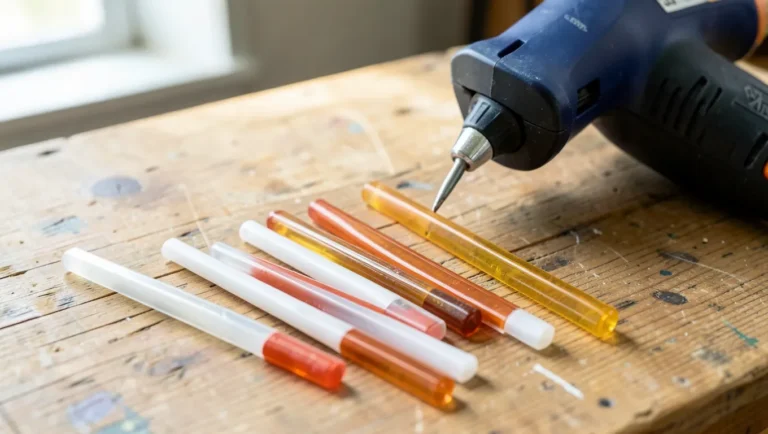
Press a fingernail into the dried glue before you grab anything. If it’s slightly rubbery and starts to lift with a damp cloth, that’s PVA-based wood or craft glue – it’s water-soluble even after curing, just slower than when wet. If it’s rock-hard, clear, and barely responds to water, you’re almost certainly looking at cyanoacrylate (super glue) or cured epoxy, and both need a solvent or careful mechanical scraping instead. Hot glue (EVA) is easy to spot: it stays slightly flexible and opaque, and a hair dryer on its highest setting will re-melt it in under a minute with no chemicals at all. A citrus-based adhesive remover is the safest first attempt across nearly all of these except epoxy, since it won’t attack most paints, sealants, or clear coats the way straight acetone can.
SAFEST FIRST TRY ACROSS MOST SURFACES
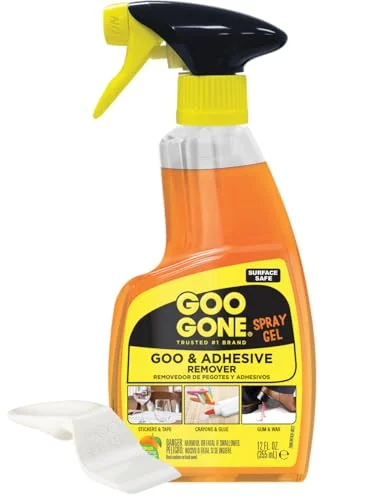 |
Goo Gone Adhesive Remover Spray Gel – $17.98 A citrus-based gel that clings to vertical and delicate surfaces instead of dripping, and is labeled safe for finished wood, glass, metal, plastics, painted surfaces, and fabric – the closest thing to a genuine all-surface starting point.
|
Quick Reference: Glue Type vs. Best Method
Once you’ve identified the glue, this is roughly the order of methods worth trying, from gentlest to most aggressive:
| Glue Type | Try First | If That Fails |
|---|---|---|
| PVA / wood glue (Elmer’s, Titebond) | Warm damp cloth or soak | Citrus-based remover |
| Craft / school glue | Warm soapy water | Rubbing alcohol |
| Hot glue (EVA) | Hair dryer on high heat | Freeze it brittle, then crack off |
| Super glue (cyanoacrylate) | Citrus-based remover | Acetone, with a spot test first |
| Epoxy (fully cured) | Heat gun to soften | Careful mechanical scraping |
| Spray / contact adhesive | Citrus-based remover | Mineral spirits, with a spot test first |
Epoxy is the outlier here – once it’s fully cured, it’s a thermoset plastic and essentially solvent-proof, which is why it doesn’t soften with the same removers that work on the others. Heat is the only thing that has much effect on it, and even that mostly just makes it easier to chip or scrape away rather than truly dissolving it.
Removing Glue From Skin
Don’t pick or peel at cured super glue on skin – it can take a layer of skin with it. Instead, soak the spot in warm soapy water for a few minutes to loosen the bond, then work in a small amount of vegetable oil, petroleum jelly, or hand lotion and gently rub with a washcloth until the glue balls up and rolls off. For craft or school glue, warm water alone is usually enough since it’s water-based to begin with. Acetone-based nail polish remover works faster on stubborn super glue but dries skin out badly with repeated use, so treat it as a backup, not the first move.
Removing Glue From Fabric and Carpet
If the glue is still soft, scrape off as much as you can with a dull knife before it spreads further into the fibers. For dried glue, press an ice cube against it in a sandwich bag for a few minutes until it turns brittle, then crack and pick off the pieces. Treat whatever residue remains with rubbing alcohol on a white cloth, dabbing rather than rubbing so it doesn’t smear into a wider stain, then launder as usual. Carpet gets the same treatment, just blot instead of soaking – oversaturating carpet backing with solvent can loosen the glue holding the carpet fibers themselves.
Removing Glue From Glass, Plastic, and Metal
Glass tolerates almost anything: a razor blade held at a shallow angle lifts dried glue cleanly without scratching, and any leftover haze wipes off with rubbing alcohol or glass cleaner. Metal is nearly as forgiving, though painted or powder-coated metal should stick to a citrus-based remover instead of a scraper. Plastic is the one to be careful with – acetone clouds or even melts certain plastics (ABS and some polystyrenes especially), so test any solvent on a hidden edge first, and default to a citrus-based remover or warm soapy water unless you already know the plastic type tolerates acetone.
Removing Glue From Wood
Wood is the trickiest surface on this list, because the finish sitting on top of it is usually more fragile than the glue itself – a solvent strong enough to dissolve the glue can just as easily cloud a lacquer or strip a stain. Which method is safe depends heavily on exactly what kind of glue you’re dealing with and whether the wood is finished or bare, so we’ve written full guides for the specific situations that come up most on woodworking projects:
- Dried PVA or carpenter’s glue residue on a woodworking project – see how to remove wood glue from wood, which favors heat and moisture over solvents.
- Super glue on a finished tabletop or piece of furniture – see how to remove super glue from wood without acetone to avoid clouding the finish.
- Gorilla Glue’s expanding polyurethane foam, which cures differently than ordinary wood glue – see how to remove Gorilla Glue from wood.
- Two glued wood pieces or a joint you need to take apart rather than just clean a residue spot – see how to unglue wood for heat-and-lever separation methods.
- A sticker or label’s adhesive backing left on plywood, not glue at all – see how to remove a sticker from plywood, which covers the thin face veneer’s own removal limits.
Mistakes That Make Removal Harder
More solvent isn’t a shortcut – oversaturating a spot, especially on wood or fabric, just pushes dissolved glue deeper into the pores or fibers instead of lifting it off, which is exactly what causes a hazy ring or a widening stain. Scrubbing harder doesn’t help either, since it’s a chemical or heat process breaking down the bond, not friction; aggressive scrubbing mostly just risks scratching the surface underneath. And “safe for surfaces” on a product label doesn’t mean safe for every surface – a citrus-based remover that’s fine on sealed wood can still leave an oily residue on unsealed stone, and acetone that’s fine on glass can craze certain plastics permanently. A thirty-second spot test in an inconspicuous area catches nearly all of these before they become a bigger repair than the glue itself.
Frequently Asked Questions
How do I remove glue from surfaces?
Identify the glue type first, since that determines the method. PVA-based glue responds to a damp cloth or warm water. Cured super glue and epoxy need a solvent, such as a citrus-based adhesive remover or acetone as a last resort. Hot glue only needs heat – a hair dryer softens it enough to lift off. Always test any solvent on a hidden spot first.
What household items can remove glue?
Rubbing alcohol, white vinegar, and warm soapy water handle most water-based glues. Vegetable oil or petroleum jelly work well on skin. Ice makes dried glue brittle enough to crack off fabric or carpet. For cured super glue or epoxy, a citrus-based commercial remover is more reliable than most pantry items.
Is it safe to use acetone on all surfaces?
No. Acetone can strip finished wood, cloud or melt certain plastics like ABS and polystyrene, and dull painted surfaces. It’s generally safe on glass and untreated metal. Always spot-test an inconspicuous area first, and try a citrus-based remover before reaching for acetone on anything finished or painted.
Can I remove glue without chemicals?
Yes, for most water-based glues. Warm soapy water softens PVA and craft glue, ice makes soft residue brittle enough to crack off fabric, and a hair dryer re-melts hot glue with no solvent at all. Cured super glue and epoxy are the exceptions – they generally need a solvent or careful mechanical scraping.
Sponsored / affiliate links. As an Amazon Associate I earn from qualifying purchases. I may earn additional commission from eligible campaigns.