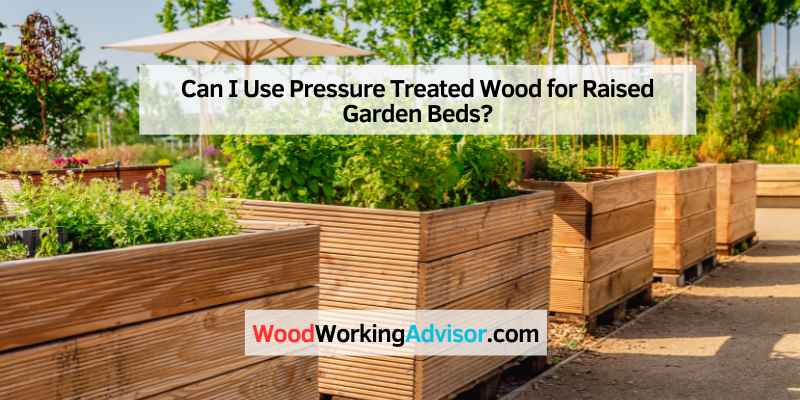
Can I Use Pressure Treated Wood for Raised Garden Beds?
Pressure treated wood can be used for raised garden beds, but it’s important to consider the type of treatment used. In Austin, Texas, you can use pressure treated wood for raised garden beds, but make sure to choose a treatment that is safe for growing plants.
It’s crucial to be aware of the potential leaching of chemicals into the soil, especially for organic gardening. Understanding the specific treatment and its safety for food crops is essential when using pressure treated wood for raised garden beds in Austin, Texas.
Always prioritize the health and safety of your plants and the environment when making this decision.
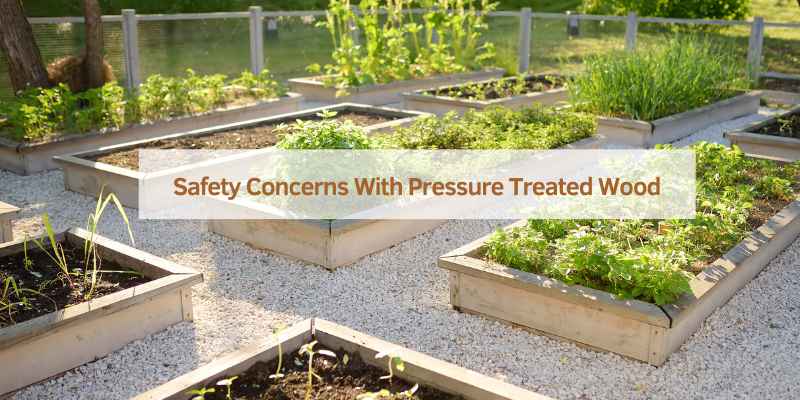
Safety Concerns With Pressure Treated Wood
Using pressure treated wood for raised garden beds raises safety concerns due to potential chemical leaching. It’s advisable to opt for untreated woods like cedar or hemlock for a safer gardening environment. Prioritize your health and choose natural, rot-resistant materials for your raised garden projects.
Chemical Components And Health Risks
When it comes to using pressure treated wood for raised gardens, there are valid safety concerns that need to be addressed. One of the main concerns is the presence of chemical components in pressure treated wood and the potential health risks they pose.
Pressure treated wood is treated with chemicals to protect it from decay and insect damage. The most common chemicals used in the treatment process are creosote and CCA (chromated copper arsenate).
Creosote is a dark, oily substance that is derived from coal tar. It is used as a wood preservative due to its ability to repel insects and fungi. However, creosote is known to contain carcinogenic compounds that can be harmful to human health.
CCA, on the other hand, is a combination of copper, chromium, and arsenic. It is effective in preventing decay and termite infestation. However, the arsenic in CCA is a toxic substance that can leach into the soil and potentially contaminate the plants grown in the raised garden beds.
| Chemical Components | Health Risks |
|---|---|
| Creosote | Carcinogenic compounds |
| CCA | Arsenic toxicity |
Understanding Creosote And CCA
Creosote and CCA are widely used in the treatment of pressure treated wood, but it is important to understand the potential risks associated with these chemicals.
Creosote, as mentioned earlier, contains carcinogenic compounds. Prolonged exposure to these compounds can increase the risk of developing cancer, especially for those who work with or come into direct contact with pressure treated wood on a regular basis.
CCA, specifically the arsenic component, poses a potential health risk when it comes into contact with the soil. Arsenic is a toxic substance that can be absorbed by plants and eventually find its way into the food chain. This can be particularly concerning for those who plan to grow vegetables or fruits in their raised garden beds.
Modern Treatment Processes
It is worth noting that modern treatment processes have evolved to address these safety concerns. The use of creosote and CCA has been restricted in certain applications, including residential use and food contact areas. Instead, alternative treatment methods such as ACQ (alkaline copper quaternary) have become more prevalent.
ACQ is considered a safer alternative as it contains copper and quaternary compounds, which are less toxic compared to arsenic. However, it is still important to exercise caution when using pressure treated wood, even if it has been treated with ACQ.
It is recommended to follow the guidelines provided by the Environmental Protection Agency (EPA) and other relevant authorities when working with pressure treated wood. This includes wearing gloves and protective clothing to minimize direct contact and sealing the wood to prevent leaching of chemicals into the soil.
Additionally, for those who have concerns about using pressure treated wood in their raised garden beds, there are alternative materials available. Untreated natural wood, composite materials, or recycled plastic lumber can be used as safer alternatives for constructing raised garden beds.
Pressure Treated Wood In Gardening
Using pressure treated wood for raised gardens is a common practice. It is safe for growing plants as scientific evidence supports its use. However, avoid using it for food containers or cutting boards to prevent leaching of chemicals into the soil.
Pressure treated wood is a popular choice for various outdoor projects due to its durability and resistance to rot and pests. But can it be used for raised garden beds? In this article, we will explore the use of pressure treated wood in gardening, specifically focusing on the benefits for raised beds, longevity and durability, and soil and plant health considerations.
Benefits For Raised Beds
Using pressure treated wood for raised garden beds offers several advantages. Firstly, it provides a sturdy and stable structure that can withstand the weight of soil and plants. This is especially important for larger or deeper raised beds. Additionally, pressure treated wood is resistant to rot, decay, and insect damage, ensuring that your raised beds will last for many seasons.
Longevity And Durability
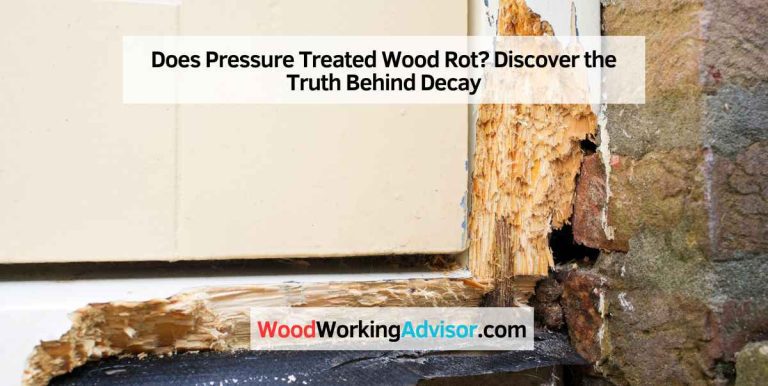
One of the main reasons gardeners opt for pressure treated wood in raised beds is its longevity and durability. The wood is treated with chemicals, such as copper compounds, that protect it from rot and decay. This means that your raised beds can withstand exposure to moisture, rain, and other environmental factors without deteriorating quickly. As a result, you can enjoy your garden beds for many years without the need for frequent replacement or repairs.
Soil And Plant Health Considerations
When using pressure treated wood in gardening, it is crucial to consider the potential impact on soil and plant health. The chemicals used in pressure treatment can leach into the soil over time, which may raise concerns for some gardeners. However, studies have shown that the amount of chemicals released is minimal and does not pose significant risks to human health or plant growth. It is important to note that newer pressure treated wood options, such as those treated with ACQ (Alkaline Copper Quaternary), have been developed as alternatives to older treatments like CCA (Chromated Copper Arsenate), which had higher levels of potential toxicity.
Nevertheless, if you have concerns about the chemicals leaching into the soil, you can take precautions by lining the interior of the raised bed with a protective barrier, such as plastic sheeting or landscape fabric. This can create an additional layer of protection between the treated wood and the soil.
Overall, pressure treated wood can be safely used for raised garden beds, providing durability and longevity. However, if you prefer to avoid potential chemical leaching, there are alternative options available, such as untreated or naturally rot-resistant wood, composite materials, or recycled plastic lumber.
Alternatives To Pressure Treated Wood
Consider using naturally water- and rot-resistant woods like cedar or untreated hemlock for raised garden beds instead of pressure-treated wood. These alternatives are safer for growing edible plants and ensure a healthier gardening environment.
While pressure treated wood may seem like a convenient option for building raised garden beds, it may not be the best choice due to concerns about the chemicals used in the treatment process. Luckily, there are several alternative options available that are natural, cost-effective, and eco-friendly.
Natural Rot-resistant Options
One alternative to pressure treated wood is to use natural rot-resistant materials, such as cedar or redwood. These woods contain natural oils and tannins that make them resistant to rot, decay, and insect damage. Cedar and redwood are also lightweight and easy to work with, making them a popular choice for garden bed construction.
Comparing Cost And Effectiveness
While natural wood options may be more expensive upfront than pressure treated wood, they can actually save money in the long run due to their durability and resistance to rot. Additionally, natural wood options do not contain harmful chemicals and are a safer choice for growing food.
Innovative Eco-friendly Materials
Another alternative to pressure treated wood is to use innovative eco-friendly materials, such as recycled plastic or composite lumber. These materials are made from recycled plastic and wood fibers, and are designed to mimic the look and feel of natural wood while being more durable and long-lasting. They are also resistant to rot, decay, and insect damage, making them a low-maintenance option for garden beds.
In conclusion, while pressure treated wood may seem like a convenient option for raised garden beds, there are several natural, cost-effective, and eco-friendly alternatives available. By choosing one of these options, you can build a safe and sustainable garden bed that will last for years to come.
Regulatory Guidelines And Recommendations
When it comes to using pressure treated wood for raised garden beds, it is important to consider regulatory guidelines and recommendations. While some sources suggest it is safe, others caution against potential leaching of chemicals into the soil over time.
It is advisable to explore alternative options such as untreated hemlock or cedar, which are naturally water- and rot-resistant.
University Of Pennsylvania Extension Input
The University of Pennsylvania Extension recommends avoiding the use of pressure treated wood in raised garden beds due to potential leaching of harmful chemicals.
Environmental Protection Authority Stance
The Environmental Protection Authority emphasizes not using pressure treated wood in areas where there is direct contact with food or for cutting boards.
Consumer Safety Measures
Consumer safety measures include wearing protective gear when handling pressure treated wood, such as gloves and clothing.
Assessing The Risk Of Chemical Leaching
When it comes to using pressure treated wood for raised garden beds, one of the main concerns is the risk of chemical leaching. Pressure treated wood is treated with chemicals to protect it from decay and insect damage, but these chemicals can potentially leach into the soil and affect the plants grown in the garden bed. In this section, we will explore the potential risks associated with chemical leaching and discuss preventive strategies to ensure a safe and healthy gardening experience.
Soil Contamination Concerns
The chemicals used in pressure treated wood, such as chromated copper arsenate (CCA) and alkaline copper quaternary (ACQ), have the potential to leach into the soil over time. This can lead to soil contamination and the potential uptake of these chemicals by plants. Arsenic, in particular, is a concern as it is a known carcinogen. Therefore, it is important to assess the risk of soil contamination when using pressure treated wood for raised garden beds.
Impact On Edible Plants
One of the main concerns when using pressure treated wood for raised garden beds is the impact it may have on edible plants. If the chemicals from the treated wood leach into the soil, they can potentially be absorbed by the plants and end up in the parts that are consumed, such as the fruits and vegetables. This raises concerns about the safety of consuming plants grown in pressure treated wood beds.
Preventive Strategies
To mitigate the risk of chemical leaching from pressure treated wood, there are several preventive strategies that can be employed:
- Line the interior of the raised garden bed with a plastic sheet or food-grade barrier fabric to create a physical barrier between the soil and the treated wood.
- Choose alternative materials for constructing the raised garden bed, such as cedar or redwood, which are naturally resistant to decay and insect damage.
- If using pressure treated wood, opt for newer formulations that are labeled as safe for use in garden beds, such as those treated with copper-based preservatives instead of CCA.
- Regularly monitor the soil and plant health to detect any signs of chemical contamination and take appropriate measures if necessary.
- Consider using raised garden beds for non-edible plants and keeping the edible plants in separate, untreated containers or beds.
By implementing these preventive strategies, you can minimize the risk of chemical leaching and ensure a safe and healthy environment for your raised garden beds.
Construction Tips For Raised Beds
When constructing raised beds, it’s best to avoid using pressure treated wood for your garden. Opt for untreated hemlock or cedar for a safer, more organic option that lasts longer. Choose materials like these to ensure the health of your plants and the safety of your produce.
Working With Pressure Treated Wood
When using pressure treated wood for raised garden beds, it’s crucial to take certain precautions to ensure safety. Always wear gloves and a mask when handling pressure treated wood to minimize direct contact with the chemicals. Additionally, it’s advisable to work with pressure treated wood in a well-ventilated area to reduce the risk of inhaling any harmful substances.
Design Considerations For Safety
When designing raised beds using pressure treated wood, it’s essential to consider the safety aspects. Ensure that the wood is not in direct contact with the soil to prevent any potential leaching of chemicals into the garden. Using a barrier such as heavy-duty plastic between the wood and the soil can help mitigate this risk.
Maintenance And Care
Regular maintenance is key to ensuring the longevity of raised beds constructed with pressure treated wood. Inspect the wood annually for any signs of deterioration or damage. Additionally, consider applying a wood sealant or stain to further protect the wood from moisture and weathering, thus extending its lifespan.
Expert Opinions On Treated Lumber
Expert opinions are divided on the use of pressure treated wood for raised garden beds. While some argue that the chemicals used in the treatment process can potentially leach into the soil and harm plants, others maintain that the risks are negligible and that pressure treated wood is safe to use.
It is recommended to use naturally resistant woods such as untreated hemlock or cedar.
Scientific Consensus And Research
Studies show that using pressure treated wood in raised gardens is safe for both adults and children. Chemicals in treated wood have been deemed safe for plants.
Professional Gardening Advice
Experts recommend using treated wood for raised beds, as the risks from treated timber are minimal. However, caution should be taken with certain chemicals like CCA.
Personal Experiments And Findings
Personal experiments suggest that not all treated lumber is the same. It’s crucial to ensure the safety of the materials used in building raised garden beds.
Making An Informed Decision
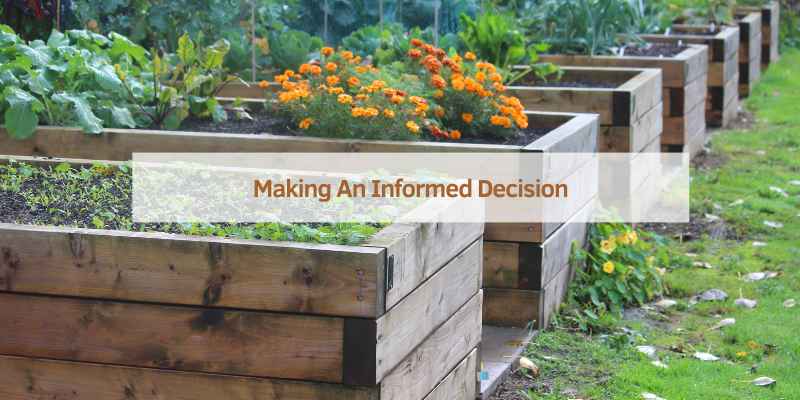
When considering using pressure treated wood for raised garden beds, it’s important to make an informed decision. While some sources claim it is safe, others caution against it due to potential chemical leaching. It may be advisable to opt for naturally water- and rot-resistant woods like untreated hemlock or cedar as a safer alternative.
Balancing Pros And Cons
When considering using pressure-treated wood for raised garden beds, it’s crucial to weigh the advantages and disadvantages.
Personal Health And Environmental Impact
Understanding the impact on your health and the environment is essential when deciding on the type of wood to use for your garden beds.
Future Trends In Garden Bed Construction
As the gardening industry evolves, staying informed about new trends in garden bed construction can help you make sustainable choices.
Frequently Asked Questions
Is It Okay To Use Pressure-treated Wood In A Vegetable Garden?
Yes, it is safe to use pressure-treated wood in a vegetable garden. Scientific evidence shows that pressure-treated wood is safe for adults and children when used in raised bed or box gardening. The chemicals used in pressure-treated wood do not pose a risk to the plants grown in these containers.
However, it is recommended to use naturally water- and rot-resistant woods like untreated hemlock or cedar for raised garden beds.
What Wood Should Not Be Used In A Raised Garden Bed?
Pressure treated wood should not be used in a raised garden bed if it contains chemicals like CCA (chromated copper arsenate), which can leach poisonous compounds into the soil over time. However, modern treated lumber like MCA-C treated wood can be used safely.
It’s recommended to use naturally water and rot-resistant woods like untreated hemlock or cedar for raised garden beds.
Can You Use Treated Timber For Raised Garden Beds?
Yes, you can use treated timber for raised garden beds, but ensure it’s a modern, safe treatment like MCA-C.
Where Not To Use Pressure-treated Wood?
Avoid using pressure-treated wood for food containers, cutting boards, or playsets. When working with it, cover your skin with gloves and protective clothing. Consider using naturally water- and rot-resistant woods like untreated hemlock or cedar for raised garden beds.
Conclusion
Using pressure treated wood for raised garden beds is generally considered safe. However, it’s important to use modern treated lumber, such as MCA-C treated wood, which is approved for use in contact with soil. Alternatively, choosing naturally water- and rot-resistant woods like cedar or untreated hemlock is also a good option for long-lasting and safe raised garden beds.