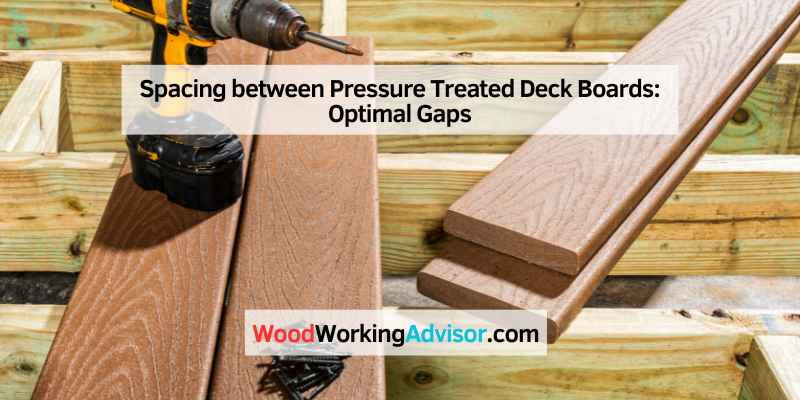
Spacing Between Pressure-Treated Deck Boards (Wet vs Dry)
Install wet pressure-treated deck boards tight against each other — they shrink as they dry and open up to a 1/4″–3/8″ gap on their own. Only kiln-dried (KDAT) boards need a 1/8″ gap set at install. Spacing too wide on wet boards leaves huge gaps later; too tight on dry boards traps water and rot. This guide covers wet vs dry spacing, the ideal final gap, and the tools to get it consistent across a deck build.
Quick Answer — How Much Gap for PT Deck Boards?
If the pressure-treated boards are wet (most are), butt them tight with no gap — they shrink to a 1/4″–3/8″ gap within a year. If they are kiln-dried after treatment (KDAT), leave a 1/8″ gap (about an 8-penny nail). In our builds, checking the boards’ moisture first is what prevents oversized gaps later.
| Board Condition | Install Gap | Final Gap (after drying) |
|---|---|---|
| Wet PT (most boards) | Tight / butted (no gap) | ~1/4″–3/8″ |
| Kiln-dried (KDAT) | 1/8″ gap | ~1/8″–1/4″ |
| Composite/PVC | Per manufacturer (often 1/4″) | Stays the same |
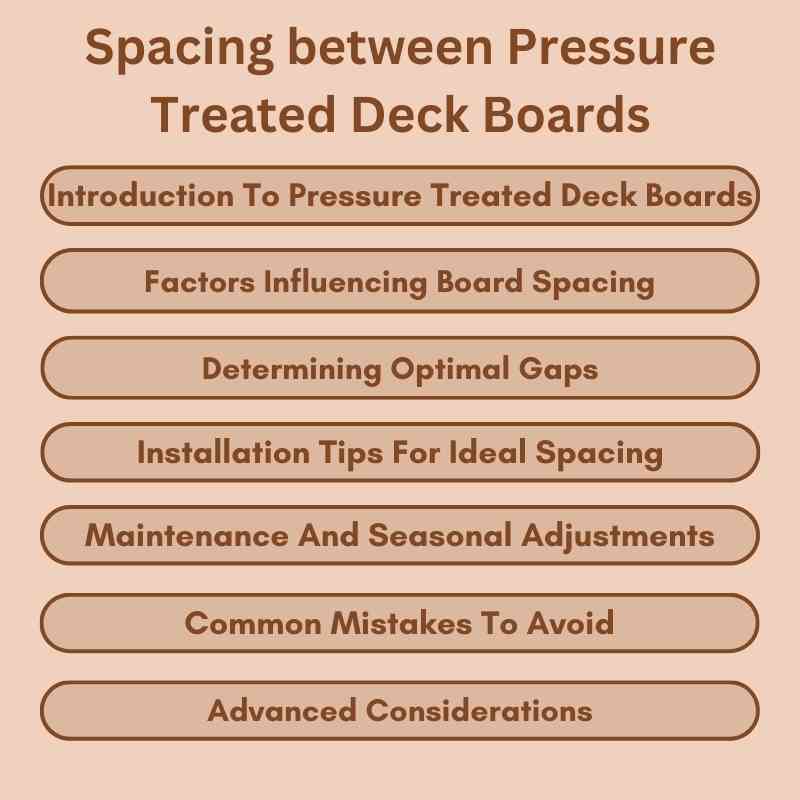
Introduction To Pressure Treated Deck Boards
Best Deck Board Spacer
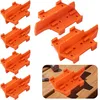
Deck Board Spacers (1/8″ & 1/4″)
Drop-in ABS spacers that hold a consistent 1/8″ or 1/4″ gap so every board lines up evenly — ideal for KDAT or composite.
- Best for: Even gaps on kiln-dried or composite decking
- Why we picked it: Two gap sizes, reusable, hands-free while fastening
- Main drawback: Not needed for wet PT boards installed tight
More deck spacing & fastening tools
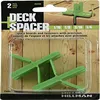 Option 1 Hillman 1/4″ Deck Spacer Tool
|
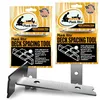 Option 2 Plank Rite Steel Spacing Tool
|
 Option 3 CAMO ClipDrive Fastening Tool
|
As an Amazon Associate we earn from qualifying purchases.
Pressure treated deck boards are a popular choice for outdoor spaces. They resist moisture and insects, making them durable. Homeowners love their strength and longevity. Understanding their benefits helps in making informed choices.
Benefits Of Using Pressure Treated Wood
- Durability: Can withstand harsh weather and heavy use.
- Resistance: Fights off rot, decay, and insect damage.
- Cost-Effective: Offers a long lifespan for a reasonable price.
- Versatility: Ideal for decks, fences, and outdoor furniture.
| Benefit | Description |
|---|---|
| Durability | Lasts longer than untreated wood. |
| Resistance | Protects against pests and moisture. |
| Cost-Effective | Reduces need for frequent repairs. |
| Versatility | Can be used in various outdoor projects. |
Importance Of Proper Spacing
Proper spacing between deck boards is crucial. It allows for water drainage and airflow. This prevents mold and mildew growth.
Too little space can cause boards to buckle. Too much space may create gaps that are unsafe.
- Recommended spacing: Typically 1/4 inch to 1/8 inch.
- Consider climate: Hot and dry climates may need wider gaps.
- Use spacers: Ensure even gaps during installation.
Following these guidelines enhances the lifespan of your deck. Proper spacing makes your outdoor area safer and more enjoyable.
Factors Influencing Board Spacing
Proper spacing between pressure treated deck boards is essential. It affects drainage, airflow, and overall deck durability. Several factors influence this spacing. Understanding these factors helps maintain your deck effectively.
Wood Expansion And Contraction
Wood is a natural material. It expands and contracts with changes in moisture and temperature. This behavior impacts spacing between deck boards.
- Humidity: High moisture levels cause wood to swell.
- Temperature: Warm weather leads to wood expansion.
- Drying: Low humidity can cause wood to shrink.
Maintaining proper spacing allows for movement. This prevents warping and splitting of the boards.
Climate And Weather Conditions
Local climate significantly affects board spacing. Different weather conditions create unique challenges.
| Climate Type | Effect on Spacing |
|---|---|
| Humid | Requires wider spacing for expansion. |
| Dry | Narrower spacing may work. |
| Cold | Wood may shrink; monitor spacing closely. |
| Hot | Expect expansion; allow for larger gaps. |
Consider local weather patterns. Adjust spacing based on seasonal changes. This approach ensures a long-lasting and safe deck.
Determining Optimal Gaps
Finding the right spacing between pressure treated deck boards is crucial. Proper gaps allow for water drainage and airflow. This prevents mold and rot, extending the life of your deck.
Recommended Spacing Guidelines
Follow these recommended spacing guidelines for optimal results:
- 1/8 inch: Ideal for dry conditions.
- 1/4 inch: Suitable for areas with moderate moisture.
- 3/8 inch: Best for wet environments.
Consider the following factors:
- Climate in your area.
- Type of wood used.
- Deck board width.
Use a table for quick reference:
| Condition | Recommended Gap |
|---|---|
| Dry | 1/8 inch |
| Moderate Moisture | 1/4 inch |
| Wet | 3/8 inch |
Tools For Measuring Gaps
Use these tools to measure gaps accurately:
- Gap Spacer: Simple tool to maintain consistent spacing.
- Measuring Tape: Helps measure larger gaps.
- Caliper: Ideal for precise measurements.
Measuring gaps ensures your deck remains functional. Proper gaps prevent water pooling. This keeps your deck safe and attractive.
Installation Tips For Ideal Spacing
Proper spacing between pressure-treated deck boards is crucial. It allows for drainage and expansion. This section offers practical tips for achieving the best results.
Preparation Of Decking Area
Before installation, prepare the decking area properly. Follow these steps:
- Clear debris and vegetation.
- Ensure the ground is level.
- Use a measuring tape for accurate measurements.
- Mark the layout with stakes and string lines.
These steps will ensure a smooth installation process. A clean, level area helps maintain proper spacing.
Spacing Techniques During Installation
Use these techniques to achieve ideal spacing:
- Use Spacers: Place spacers between boards while installing.
- Consider Board Thickness: Different thicknesses require different spacing.
- Account for Weather: Wood expands in humid conditions.
Here’s a simple table for recommended spacing:
| Weather Condition | Recommended Spacing |
|---|---|
| Dry | 1/8 inch |
| Humid | 1/4 inch |
| Wet | 3/8 inch |
Correct spacing keeps your deck functional and beautiful. Follow these tips for best results.
Maintenance And Seasonal Adjustments
Maintaining proper spacing between pressure treated deck boards is crucial. Seasonal changes affect wood expansion and contraction. Regular checks can prevent issues and keep your deck safe.
Routine Checks For Gaps
Regularly inspect your deck for gaps between boards. Gaps can change due to moisture and temperature. Follow these steps for effective checks:
- Examine the deck after heavy rain.
- Check for gaps during hot weather.
- Look for signs of warping or swelling.
Use a ruler or a gap gauge to measure spaces. Aim for a 1/8 inch gap for optimal drainage. Too wide gaps may trap debris and moisture.
Adjusting Spacing With Seasonal Changes
Seasons can alter the spacing of deck boards. Adjustments may be necessary. Follow these guidelines:
- Summer: Boards expand in heat. Ensure gaps are at least 1/8 inch.
- Winter: Boards contract in cold. Gaps may narrow to 1/16 inch.
- Spring and Fall: Check for stability. Adjust gaps as needed.
Use shims to adjust spacing in summer. In winter, monitor for tight gaps. Regular adjustments can prolong the life of your deck.
| Season | Expected Gap Size | Action |
|---|---|---|
| Summer | 1/8 inch | Ensure proper drainage |
| Winter | 1/16 inch | Monitor for tightness |
| Spring/Fall | Adjust as needed | Check for stability |
Regular maintenance keeps your deck safe and functional. Proper spacing enhances appearance and prevents damage.
Common Mistakes To Avoid
Getting the spacing between pressure-treated deck boards right is crucial. Small errors can lead to big problems. Avoiding common mistakes can save time and money.
Overly Tight Or Wide Gaps
Finding the right gap is essential. Too tight or too wide gaps can cause issues.
- Tight Gaps: Can trap moisture, causing wood rot.
- Wide Gaps: Can allow debris and insects to enter.
Follow these guidelines for proper spacing:
- Use a gap spacer tool.
- Consider the wood’s expansion and contraction.
- Aim for a gap of 1/8 to 1/4 inch.
Ignoring Manufacturer’s Specifications
Each brand of pressure-treated wood has specific guidelines. Ignoring these can lead to problems.
Check the following:
| Manufacturer | Recommended Gap Size |
|---|---|
| Brand A | 1/8 inch |
| Brand B | 1/4 inch |
| Brand C | 3/16 inch |
Always read the product label. Adhering to these specifications ensures durability and safety.
Advanced Considerations
Understanding spacing between pressure-treated deck boards involves several advanced factors. Proper spacing ensures durability and enhances the deck’s appearance. Below are key considerations to keep in mind.
Impact Of Board Width On Spacing
The width of your deck boards affects the spacing you choose. Wider boards require different spacing than narrower ones.
- Standard Width Boards: Typically 5.5 inches wide.
- Wider Boards: Boards over 6 inches need more spacing.
Here’s a quick reference table:
| Board Width | Recommended Spacing |
|---|---|
| Up to 5.5 inches | 1/8 inch |
| 5.5 to 6.5 inches | 1/4 inch |
| Over 6.5 inches | 3/8 inch |
Dealing With Warping And Cupping
Pressure-treated wood may warp or cup over time. Proper spacing helps reduce these issues.
- Warping: Boards twist or bend due to moisture changes.
- Cupping: Boards bend along their width, creating a concave shape.
To minimize these effects:
- Ensure boards are dry before installation.
- Use proper spacing for airflow.
- Consider using a sealant to protect the wood.
Regular maintenance will keep your deck looking great.
Professional Insights
Understanding the right spacing between pressure treated deck boards is crucial. Proper spacing enhances durability and prevents issues like warping or cracking.
Expert Advice On Deck Longevity
Experts recommend a spacing of 1/8 inch to 1/4 inch between deck boards. This allows for expansion and contraction due to moisture. Here are key points to consider:
- Moisture Management: Proper spacing helps water drain away.
- Airflow: Adequate gaps allow air circulation, reducing mold.
- Wood Movement: Wood expands and contracts with humidity changes.
Using a spacer tool can help maintain consistent gaps. Consider using a 10d nail as a spacer. It ensures uniformity across the entire deck.
Hiring Professionals Vs. DIY
Deciding between hiring a professional or going DIY is essential. Here are some pros and cons:
| Option | Pros | Cons |
|---|---|---|
| Hiring Professionals |
|
|
| DIY |
|
|
Choose based on your skills, time, and budget. Both options can lead to a great deck.
Closing Thoughts
Understanding the right spacing between pressure treated deck boards is crucial. Proper spacing ensures durability and performance. It helps prevent water damage and wood warping.
Recap Of Key Takeaways
- Spacing Importance: Proper spacing allows for expansion and contraction.
- Standard Gap: A gap of 1/8 to 1/4 inch is recommended.
- Seasonal Changes: Adjust spacing based on weather conditions.
- Tools: Use spacers or a deck board spacer tool for accuracy.
- Regular Maintenance: Check gaps regularly to avoid issues.
Further Resources And Reading
| Resource | Description |
|---|---|
| Deck Building Basics | A guide to the fundamentals of building a deck. |
| Pressure Treated Wood Care | Tips for maintaining pressure treated wood. |
| Deck Spacing Techniques | Detailed methods for achieving perfect board spacing. |
| Common Decking Mistakes | Learn about frequent errors in deck construction. |
Frequently Asked Questions
What Is The Ideal Spacing For Deck Boards?
The ideal spacing between pressure-treated deck boards is typically 1/8 to 1/4 inch. This gap allows for water drainage and air circulation. Proper spacing also prevents warping and promotes longevity. Adjust the spacing based on local weather conditions and the type of wood used for decking.
Why Is Spacing Important For Deck Boards?
Spacing is crucial for preventing moisture buildup between deck boards. Excess moisture can lead to mold, mildew, and wood rot. Adequate gaps also allow for natural expansion and contraction of the wood. Ultimately, proper spacing enhances the durability and safety of your deck.
How Do I Measure Spacing Between Deck Boards?
To measure spacing, use a spacer tool or a small piece of wood. Place the spacer between two boards as you install them. Check the gaps regularly to ensure consistency. This simple step helps maintain uniform spacing throughout the deck and improves aesthetics.
Can I Install Deck Boards Without Spacing?
Installing deck boards without spacing is not recommended. Lack of spacing can trap moisture, leading to rotting and structural issues. Additionally, boards may expand due to temperature changes. This could create uneven surfaces and gaps, compromising the integrity of your deck.
Conclusion
Proper spacing between pressure treated deck boards is essential for longevity and performance. It prevents moisture buildup and ensures airflow. Following recommended guidelines helps maintain your deck’s integrity. Whether you’re a DIY enthusiast or hiring a professional, attention to detail will enhance your outdoor space.
Enjoy your beautifully spaced deck for years to come!
Sponsored / affiliate links. As an Amazon Associate I earn from qualifying purchases. I may earn additional commission from eligible campaigns.